
Vampire cinema has endured for a full century because the monster is endlessly adaptable. Sometimes vampires represent forbidden desire, sometimes cultural fear, sometimes immortality itself as a curse rather than a gift. Across decades, filmmakers from wildly different backgrounds have used the vampire myth to explore religion, sexuality, colonialism, loneliness, and death.
Unlike many horror icons, vampires evolve with the era that creates them, shifting tone, style, and symbolism without losing their core identity. From silent-era atmosphere to surreal modern minimalism, the best vampire movies are rarely just about blood. They are about obsession, decay, and humanity reflected through the undead — leaving a permanent bite mark on cinematic history.
Black Sunday (1960)
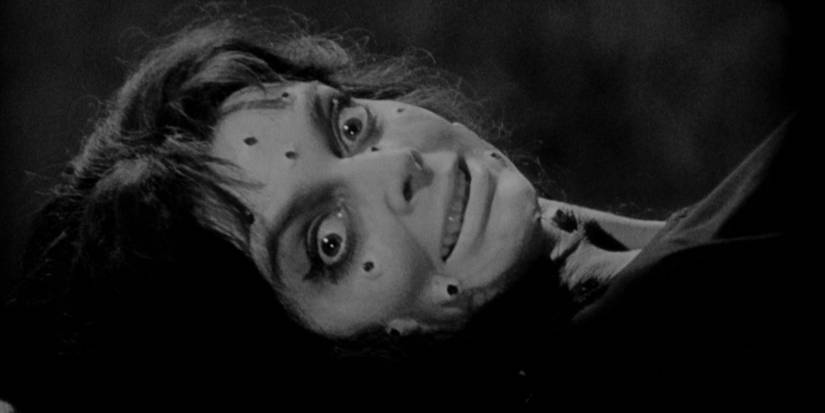
Mario Bava’s Black Sunday stands as one of the most visually striking vampire films ever made. Shot in stark black and white, the movie transforms gothic horror into something dreamlike and nightmarish. Barbara Steele’s dual performance anchors the film, presenting vampirism as both seductive and grotesque.
Unlike earlier vampire movies that relied on stage-bound stiffness, Black Sunday feels fluid and painterly. It beautifully deploys shadows, fog, and movement to create an oppressive atmosphere. The violence, particularly the infamous opening execution scene, pushed boundaries for its time and helped usher in a more graphic era of horror.
Bava’s camera lingers, allowing dread to seep in rather than relying on shock alone. More than a genre milestone, Black Sunday is a masterclass in mood. It seamlessly demonstrates that vampire films can be visually poetic while still deeply unsettling and emotionally resonant.
Dracula (1932)
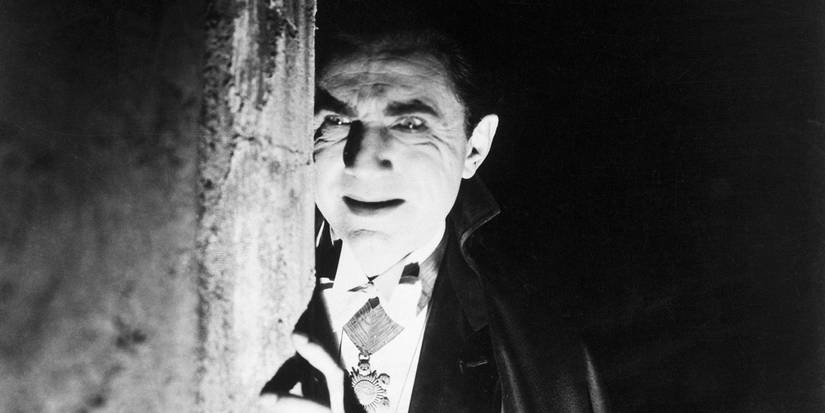
Tod Browning’s Dracula is the foundation upon which nearly all vampire cinema was built. Bela Lugosi’s performance defined the character for generations, establishing the elegant, aristocratic vampire as a cultural archetype. His deliberate speech, hypnotic gaze, and commanding presence turned Dracula into a figure of dark allure rather than a mindless monster.
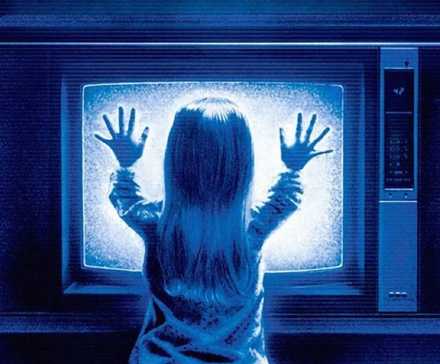
10 Greatest Haunted House Movie Masterpieces Of The Last 100 Years, Ranked
From gothic mansions to suburban nightmares, these haunted house masterpieces redefined cinematic fear and left legacies that still shape horror.
In fact, each of these features became synonymous with Dracula from that moment onwards. Though the film’s stage origins are evident in its pacing and blocking, its atmosphere remains unmatched. Sparse music, heavy shadows, and lingering silences give the movie an eerie stillness that modern horror often lacks.
Dracula also cemented the vampire as a cinematic icon, influencing everything from costume design to performance style. Interestingly, while in production, Universal Pictures simultaneously produced a Spanish-language rendition of. Rather than recreate the movie exactly (as was planned), the filmmakers sought to improve open the US version, and in many ways succeeded.
Cronos (1993)
Guillermo del Toro’s Cronos reinvents vampirism as a tragic disease rather than a supernatural curse. Centered on an ancient mechanical device that grants eternal life at a horrific cost, the film blends horror with melancholy and moral complexity. Rather than fangs and capes, Cronos presents vampirism through obsession, decay, and physical deterioration.
Federico Luppi’s gentle performance grounds the film in humanity. This makes the transformation painful rather than thrilling. Del Toro’s fascination with clockwork, insects, and corrupted innocence is already fully formed, giving the film a tactile, unsettling texture.
Cronos stands out for its empathy, framing immortality as something that isolates and destroys relationships. It’s less interested in fear than consequence. By stripping vampirism of its romanticism, Cronos paved the way for more emotionally driven monster stories, proving the genre could be intimate, thoughtful, and deeply personal.
Bram Stoker’s Dracula (1992)
…
…
…
…
…
…
…
…
…
…
…
…
…
…
…
…
…
…
…
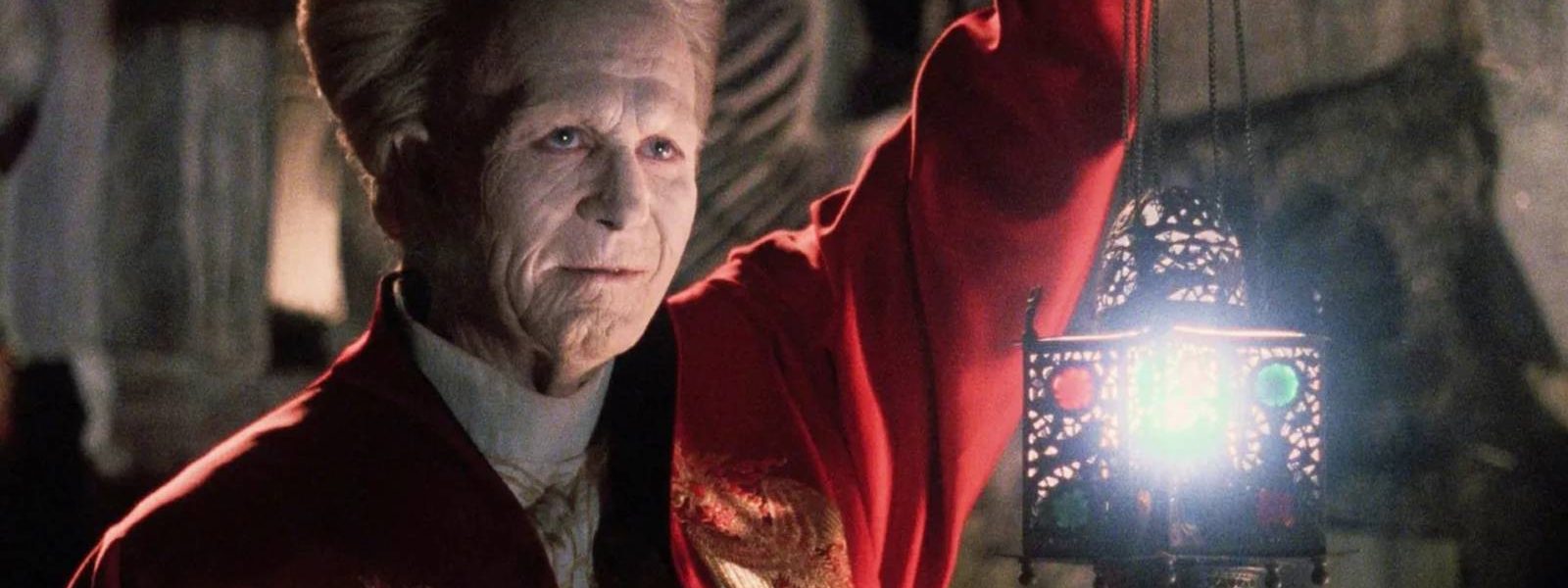
Francis Ford Coppola’s Bram Stoker’s Dracula is a maximalist explosion of gothic romance, horror, and operatic excess. Rejecting realism, the film embraces theatrical sets, practical effects, and stylized performances to create a fever dream of blood and desire. Gary Oldman’s Dracula is tragic, monstrous, and heartbreakingly romantic.
Oldman’s performance transforms the character intoa centuries-long love story rather than a simple predator. The film’s commitment to in-camera effects gives it a surreal quality rarely seen in modern blockbusters. Coppola reclaims the sensuality at the heart of vampire mythology by foregrounding eroticism and obsession.
While divisive upon release,Bram Stoker’s Dracula explores emotional extremes within its myth. It presents vampirism as bothdarnation and desperate longing intertwined in unforgettable cinematic form.
A Girl Walks Home Alone At Midnight (2014)
…
…
…
…
…
…
…
…
…
…
…
Ana Lily Amirpour’sA Girl Walks Home Alone At Night is a radical reinvention of vampire cinema through minimalism and mood. Set in a fictional Iranian ghost town,The Girl (Sheila Vand) barring her fangs at someone in A Girl Walks Home Alone At Night is less a monster than a silent observer.
…
[nospin]Here you can find the original article with proper attribution to their original source.[nospin]
[INPUT_HTML_END]