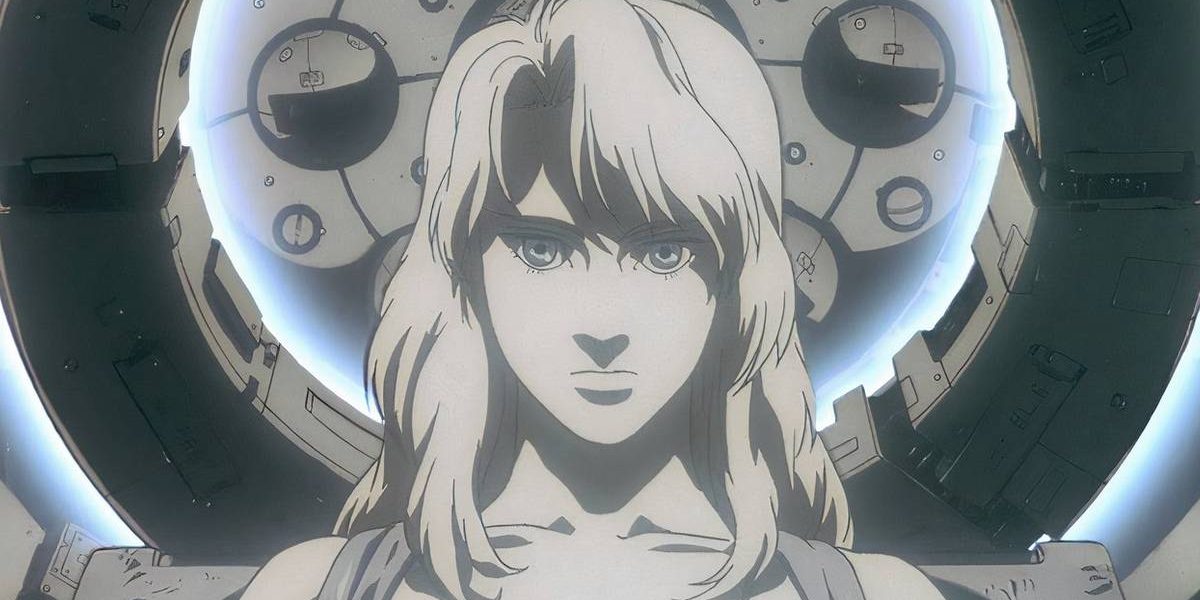
Key sci-fi films create a significant cultural impact, presenting groundbreaking concepts or reimagining existing ones in ways that expand our understanding of possibilities. The Matrix exemplifies this, but it owes much to the influential 1995 animated feature Ghost in the Shell. Whether you are a devoted fan of Public Security Section 09 or new to The Major and Batou, you can now watch the film for free on Prime Video’s ad-supported tier.
Directed by Mamoru Oshii and adapted from a 1989 manga by Masamune Shirow, Ghost in the Shell boasts a 95 percent rating on Rotten Tomatoes (with an 89 percent user score). It is considered one of the most acclaimed anime films ever, inspiring years of attempts to replicate its success — including a non-canonical sequel directed by Oshii that is more complex than the original, a George Lucas-style remastered version, several TV adaptations, and an ill-fated live-action remake starring Scarlett Johansson. However, none have truly matched the original Ghost in the Shell.
What Is ‘Ghost in the Shell’ About?
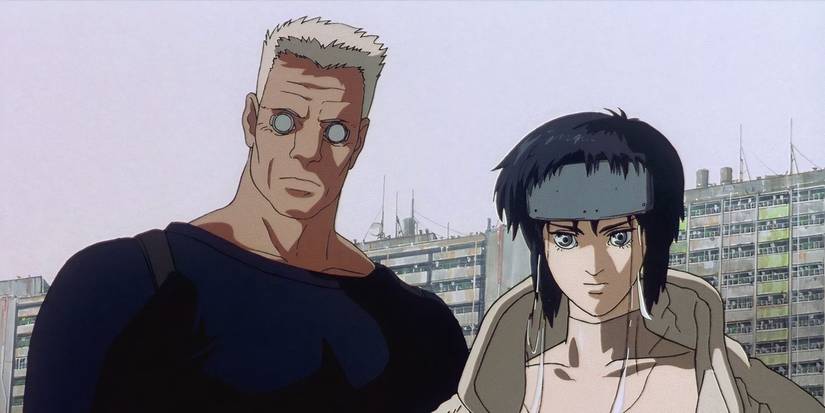
On a textual level, Ghost in the Shell is centered around future law enforcement in Japan, where advanced cybernetic technology is ubiquitous. Many individuals have enhanced their brains for telepathic internet access, creating a clear distinction between their minds (their “ghosts”) and their bodies. Some have additional modifications like cybernetic eyes and limbs, while almost everyone has ports on their necks for direct connections.
The story follows Major Motoko Kusanagi, a woman with a fully cybernetic body who hunts a mysterious hacker known as the Puppet Master. The Major embodies one of fiction’s coolest characters, balancing human emotion with machine-like coldness. She engages in philosophical musings while also battling a robot tank, making for an exciting narrative.
Why Is ‘Ghost in the Shell’ So Groundbreaking?
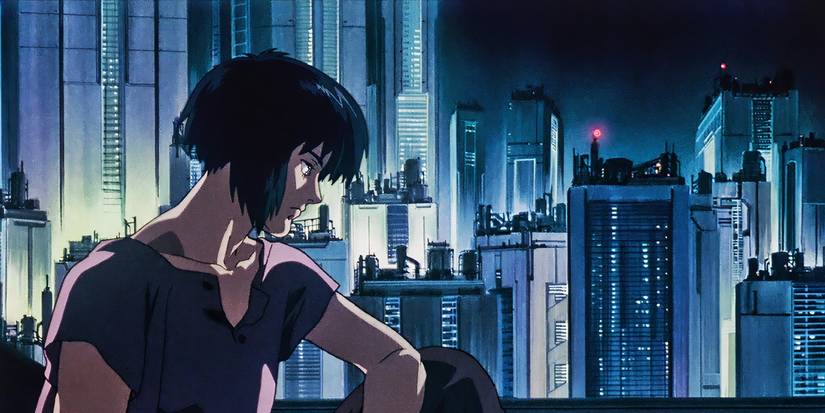
The world of Ghost in the Shell presents an intriguing premise: In an environment where individuals can disconnect their brains from their bodies, experience life through another’s perspective, and potentially inhabit different bodies, then would you even know who you are? If everyone can do this, what does it mean for identity? What implications arise when someone can control your body or mind without your awareness?
Ghost in the Shell explores these themes through an engaging cyberpunk action narrative. It is remarkably prophetic about technological advancements and the internet’s future while posing profound questions about identity and self-perception. This influence is evident as it inspired creators like Lana and Lilly Wachowski, whose film The Matrix delves into similar themes of self-discovery through technology.
The original film remains visually stunning even with mid-’90s CGI elements, and its action sequences are impressive. A key aspect of Ghost in the Shell‘s enduring appeal is that viewers can appreciate its visual artistry without fully engaging with its deeper themes. While not as frenetic as another iconic anime film, Akira, it offers substantial commentary that rewards attentive viewing.