
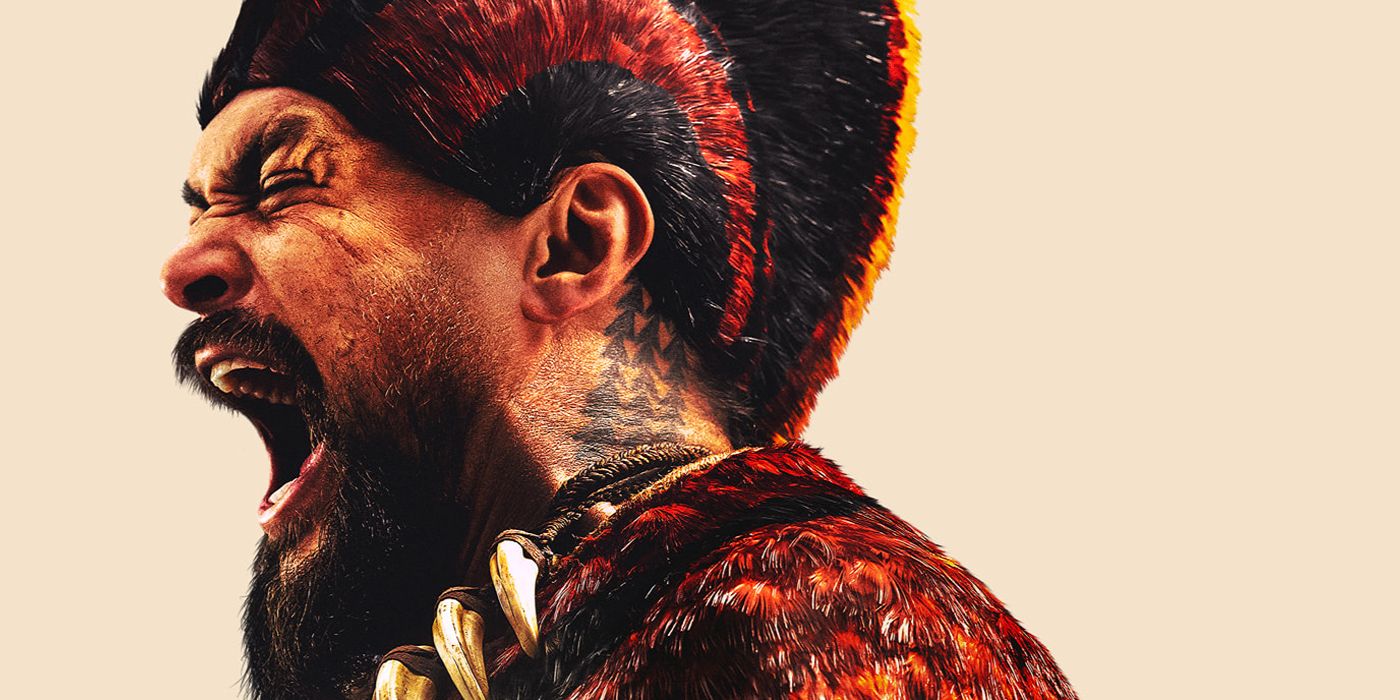
A groundbreaking moment in the realm of cinematic television, Apple TV’s eagerly awaited miniseries Chief of War is capturing attention like never before. The mere fact that audiences worldwide are finally being presented with an authentic narrative rooted in Polynesian culture is a significant achievement for the Hawaiian community. Co-created, co-written, and co-executive produced by the talented Jason Momoa and Thomas Paʻa Sibbett, this historical drama is the culmination of a decade-long passion project, deeply rooted in the tumultuous unification of the Hawaiian Islands during the late 18th century.
While Jason Momoa has portrayed various legendary figures, including warlords, kings, and gods, Chief of War marks his first portrayal of a real-life individual whose remarkable legacy has been overlooked in history. The series is expected to focus on Kaʻiana, a prominent Hawaiian chief whose life was intertwined with revolutionary movements, colonization, and betrayal. Although his name is seldom mentioned in mainstream histories, Kaʻiana’s narrative is among the most captivating and politically significant episodes in Pacific history. For Momoa, who is of Native Hawaiian descent, Chief of War represents a personal mission to resurrect a forgotten chapter of his cultural heritage for global audiences to appreciate.
Discover the Historical Significance of Chief Kaʻiana in Apple TV’s ‘Chief of War’
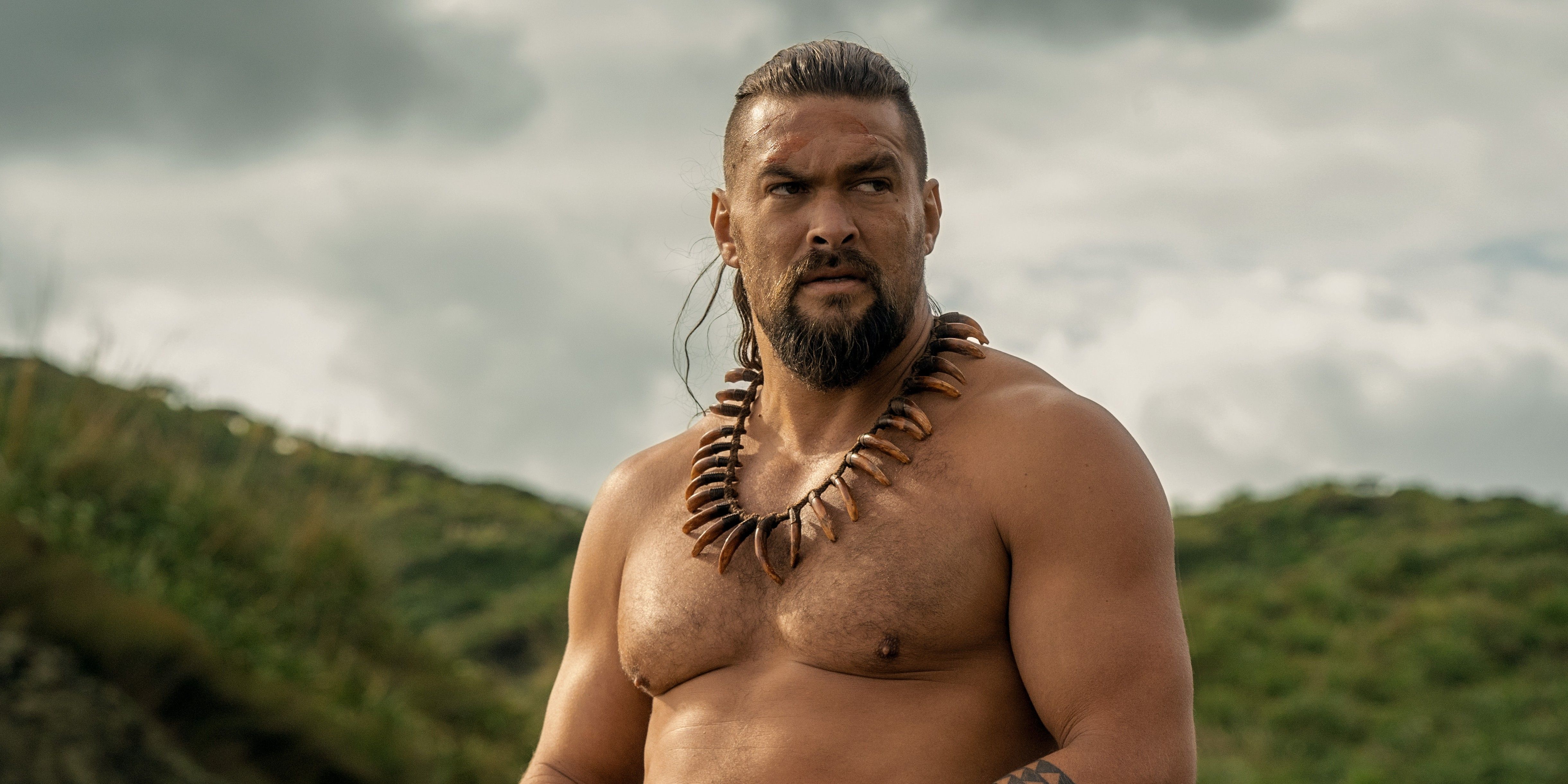
To truly grasp the profound history encapsulated in Chief of War, one must first delve into the life of Kaʻiana. According to The Hawaiian Journal of History, vol. 22 by David G. Miller, Kaʻiana was born around 1755 into the ranks of Hawaiian nobility, holding the esteemed title of aliʻi (chief) from the Big Island. He navigated one of the most tumultuous epochs in Hawaiian history, characterized by various islands being governed by distinct chiefs, each vying for supremacy. Amidst this chaos emerged Kamehameha I, the ambitious leader destined to unify the islands under a singular rule. However, Kaʻiana’s narrative adds complexity to this otherwise straightforward historical account.
Kaʻiana stands out as one of the pioneering Native Hawaiians to venture beyond the shores of his homeland with Western explorers. In 1779, he joined British expeditions following Captain James Cook’s ill-fated visit to the islands, ultimately traveling to the Pacific Northwest and perhaps even reaching China. To the foreign mariners, Kaʻiana was an imposing figure — both literally and metaphorically. Captain James Meares described him as towering over six feet tall with a “Herculean appearance” and an “air of distinction.” Upon returning home, he brought back not only foreign commodities and knowledge but also a heightened sense of political consciousness.
Initially, Kaʻiana supported Kamehameha’s quest for unification. However, his allegiance shifted when he was overlooked for a vital role in Kamehameha’s war council. Feeling slighted and politically marginalized, Kaʻiana defected and joined the forces of Kalanikūpule, the reigning chief of Oʻahu and a rival of Kamehameha. This pivotal decision would have far-reaching consequences.
In 1795, during the infamous Battle of Nuʻuanu on Oʻahu, Kaʻiana confronted the very army he had once helped to build, according to Miller. The legendary chief ultimately met his demise in battle, shot down by Kamehameha’s forces. While Kamehameha emerged victorious, Kaʻiana’s defection left a stain on his legacy that would endure for centuries. In many traditional accounts, he was portrayed as a traitor. However, Momoa and Sibbett recognized a deeper narrative.
Related
Jason Momoa Takes on the Role of ‘Chief of War’ in the Trailer for Apple TV+’s Hawaiian Historical Drama
The highly anticipated series is set to premiere in August.
Explore the 10-Year Journey Behind ‘Chief of War’ as an Authentic, Respectful, and Groundbreaking Representation of Polynesian Culture
This tragic narrative arc is what captivated Momoa and Sibbett, drawing them towards Kaʻiana’s story. In a revealing interview with GQ, Momoa describes Chief of War as the most personal project of his heritage, noting the immense challenge of performing in Hawaiian as both “challenging” and vital to honoring the roots of the story. The production collaborated closely with Awaiaulu, a respected historical and linguistic organization based in Honolulu, enlisting over 15 cultural advisors to ensure that every aspect of the series authentically reflects 18th-century Hawaiian life. The majority of the cast is Polynesian, and the dialogue primarily features Olelo Hawaiʻi, making this Apple TV series one of the most culturally immersive television productions ever undertaken about the Pacific.
“It was the hardest thing I’ve ever done,” Momoa stated, referring to the challenges of learning to act in Olelo Hawai‘i. Nevertheless, his dedication was unwavering. A key collaborator was the Honolulu-based group Awaiaulu, known for its expertise in translating Hawaiian-language texts and providing guidance on pronunciation and cultural subtleties. The intricate language demands precise mouth movements, especially for non-native speakers.
The deliberate choice to spotlight Kaʻiana rather than Kamehameha was significant. While Kamehameha is an iconic figure representing Hawaiian strength and unity, for Momoa, narrating the story through Kaʻiana’s perspective provides a unique opportunity to explore a morally complex universe filled with themes of loyalty, ambition, and the turmoil of political upheaval. This narrative serves as a tragedy about the costs of unity and the intricate ways indigenous peoples were affected by colonization. Historically, Hawaiian narratives have often been filtered through a colonial lens — rendered simplistic, romanticized, or relegated to mere footnotes. This series aims to restore the voice of the Hawaiian people to the forefront of the story.
Chief of War will paint a compelling portrait of a man — and a culture — at a pivotal crossroads. Kaʻiana represents an individual striving to navigate a world rapidly transforming, where loyalty and survival frequently clash. His journey is a reflection of the islands’ collective experience as they confronted the impending forces of global empires, changing alliances, and eventual colonization.
Chief of War will be available for streaming starting August 1 on AppleTV+ in the United States.