
Key Takeaways
- K-beauty focus: K-beauty emphasizes prevention over correction for healthy skin.
- Essential ingredients: Key ingredients include hyaluronic acid, niacinamide, and gentle exfoliants.
- Hydration importance: Hydration is central to achieving the desired glass skin effect.
- Beginner-friendly products: The recommended products are approachable and suitable for all skin types.
K-beauty skincare is everywhere right now, and not just on social media. It is the skincare trend promising smooth, hydrated, luminous skin that looks like it has been lit from within. The buzz around “glass skin” makes it sound like a distant dream, but it is achievable with the right approach. With so many products available, knowing where to begin can feel overwhelming. That is where I come in.
I am sharing five K-beauty products that make getting started simple and enjoyable. These picks are approachable, beginner-friendly, and work well for plus size skin. Whether your goal is hydration, radiance, or calming irritated skin, these products make routine feel like a treat instead of a chore.

Before we dive into the products, it helps to understand what makes K-beauty different. I spoke with Dr. Gloria Lin, a board-certified dermatologist at Schweiger Dermatology in New York City. She explained that Korean skincare focuses on prevention rather than correction. “The goal is consistent care that nurtures your skin,” Lin said. “Glass skin comes from long-term maintenance, not quick fixes.”
This philosophy is one of the main differences between Korean and Western routines. Instead of waiting for skin issues to appear, K-beauty builds a healthy, hydrated skin barrier over time. Even small steps, applied consistently, can make a noticeable difference in texture, brightness, and overall skin health.
Sunscreen is essential, especially for preventing hyperpigmentation along the jawline, chin, and other areas prone to discoloration. Lin notes, “Many Korean sunscreens are lightweight, hydrating, and sit well under makeup. They are designed for everyday use, not just beach days.”
Ingredients like vitamin C, niacinamide, and arbutin can help brighten the complexion and support the skin barrier. Gentle exfoliants such as AHA or BHA can reduce dark spots, but introducing them gradually is important to avoid irritation, especially for sensitive skin.
Hydration is at the heart of K-beauty. Many products feature hyaluronic acid, centella asiatica, ceramides, fermented ingredients like rice water, and even snail mucin. These ingredients keep skin plump and resilient while reinforcing the skin barrier. Lin emphasizes that long routines are not necessary to see results. “You do not need 12 steps to see changes,” she said. “Simple, consistent care is enough for most people.”
What are my favorite K-beauty skincare products that help skin glow and feel nourished?
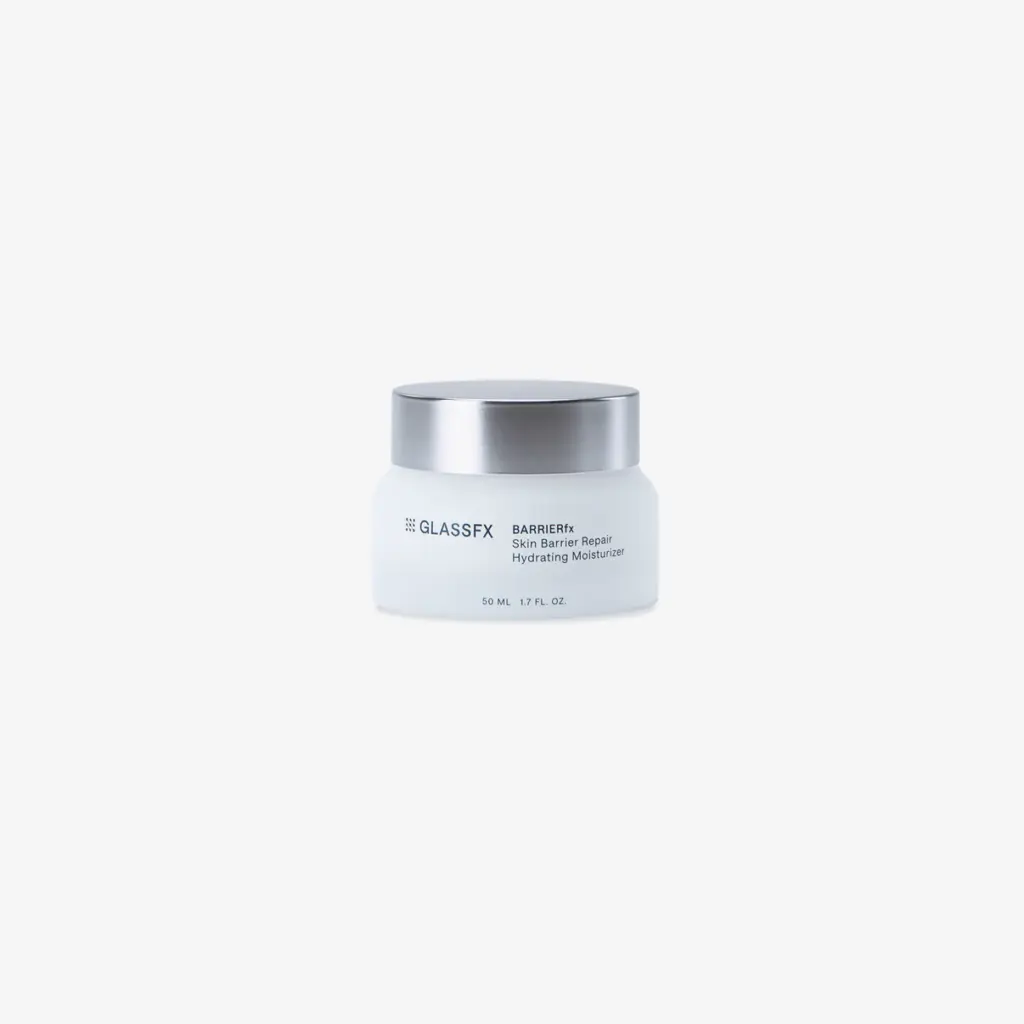
Glass FX

Glass FX is ideal if your skin tends to get dry or if you want an effortless glow. The moisturizer feels rich without being heavy, leaving skin hydrated and luminous. The double-layer mist serum is light and refreshing, which makes it easy to apply evenly.
The on-the-go serum mist keeps skin hydrated throughout hectic workdays, which is especially helpful in my line of work. While these products are on the pricier side, they are worth it for the results and the luxurious feel.
You can introduce them slowly into your routine without replacing everything you already use, which makes starting K-beauty approachable and manageable.