
The 1970s marked a transformative era in the evolution of television programming. From groundbreaking comedies to poignant dramas, the characters portrayed on screen addressed the pressing issues faced by millions of viewers at home, fostering a deep sense of connection and solidarity among audiences who recognized their struggles and anxieties mirrored in the stories. This surge of artistic expression and cultural consciousness birthed some of the most legendary moments in television history.
With unexpected plot twists and bold narratives, the creators and actors collaborated to craft unforgettable moments that compelled viewers to gather and discuss them with family and friends. The following televised episodes serve as iconic representations of the 1970s, encapsulating a decade marked by evolving cultural perspectives and social change.
10
“The Burnout” – The Waltons
Season 4, Episode 18 (1976)
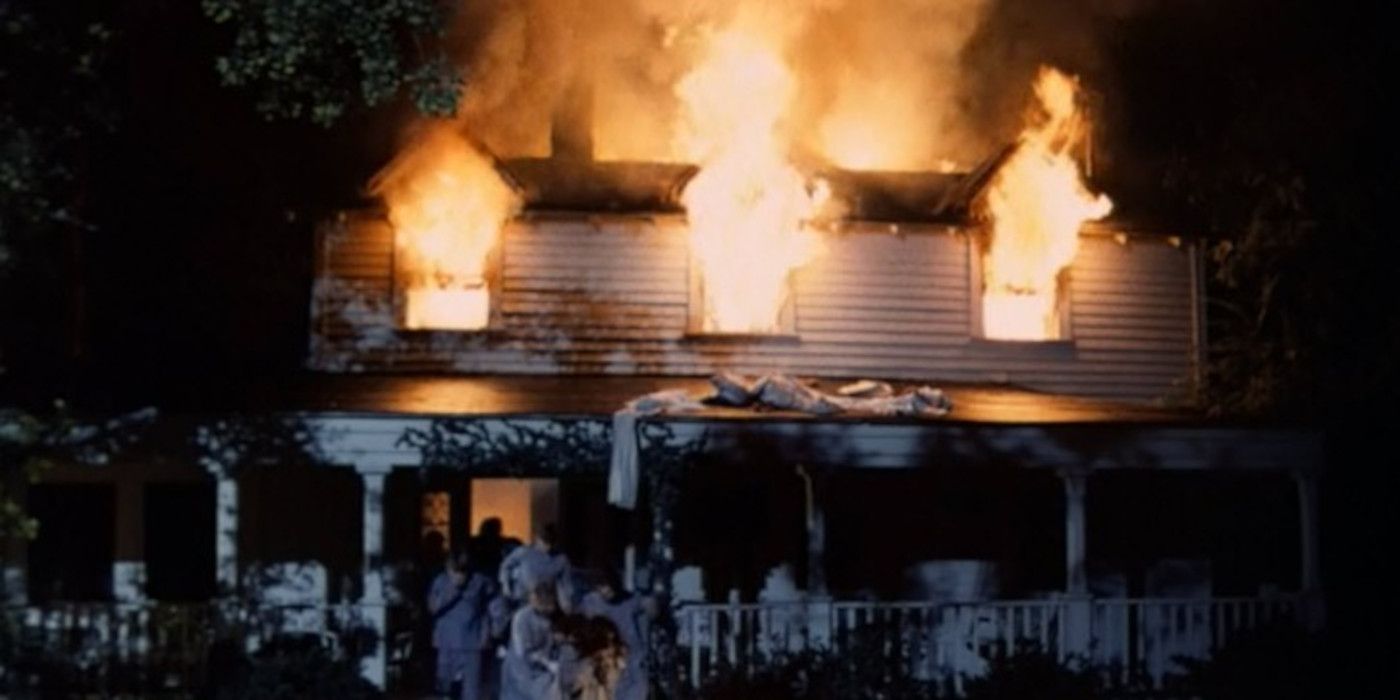
In the heart-wrenching episode titled “The Burnout” from The Waltons, the beloved Walton family faces a devastating crisis when their home is tragically engulfed by a fire. This catastrophic event forces the Waltons to lean on one another, grappling with feelings of sorrow and guilt regarding their potential responsibility for the blaze. In the wake of their collective grief and frustration, the family emerges stronger, demonstrating resilience and unity amidst loss.
The Walton family home, a symbol of warmth and security, was a source of comfort for viewers. Thus, witnessing it aflame was a deeply unsettling moment. This shocking house fire profoundly affected both the fictional family and the audience, who had formed a strong emotional bond with the characters. Throughout the first four seasons, the Waltons encountered numerous challenges, yet the devastation of losing their home and cherished family heirlooms pushed them to their emotional limits as they navigated the painful journey of rebuilding their lives.
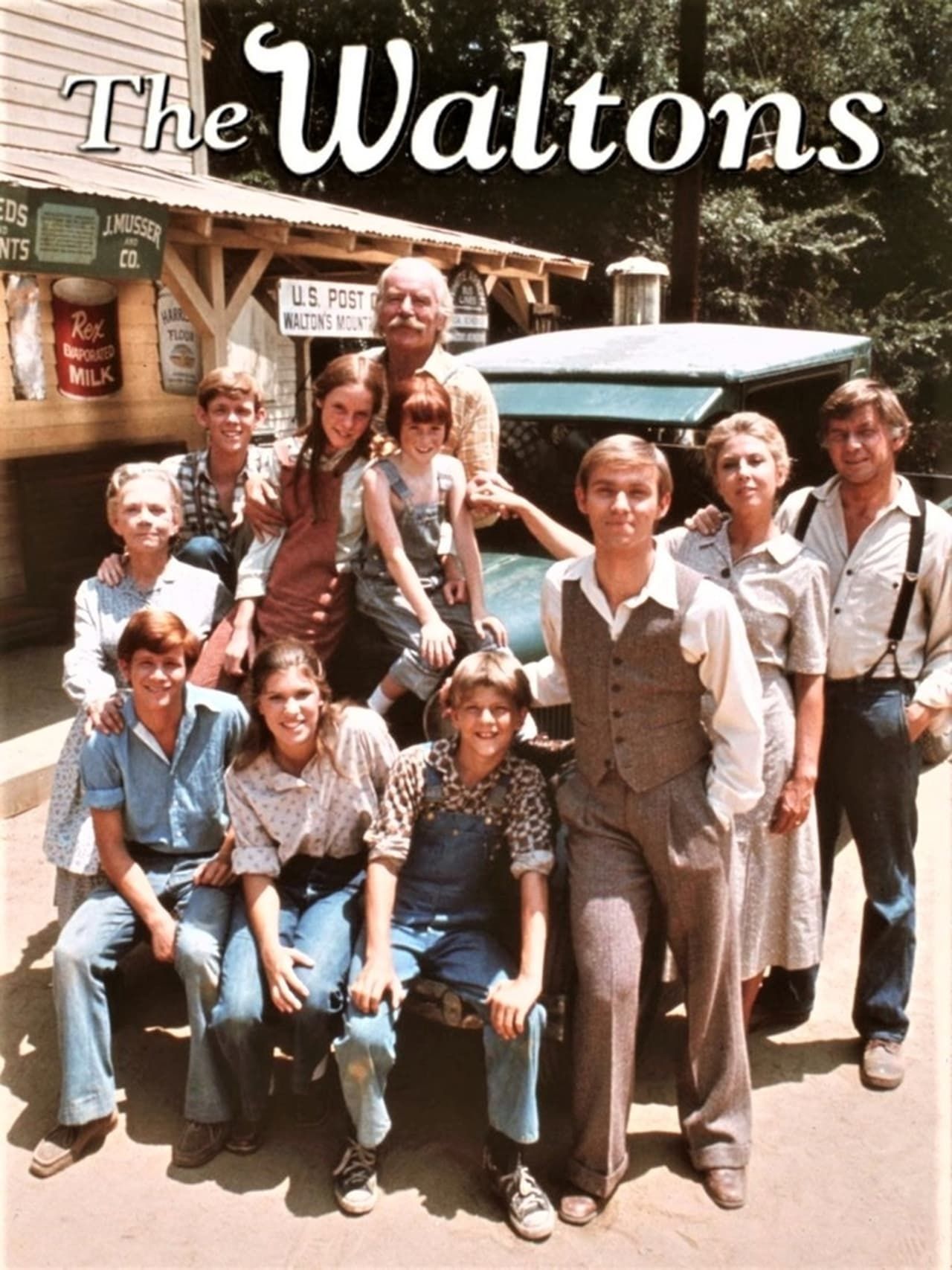
The Waltons
- Release Date
-
1972 – 1980
- Writers
-
Earl Hamner Jr.
9
“The Big Move: Part 1” – Good Times
Season 4, Episode 1 (1976)
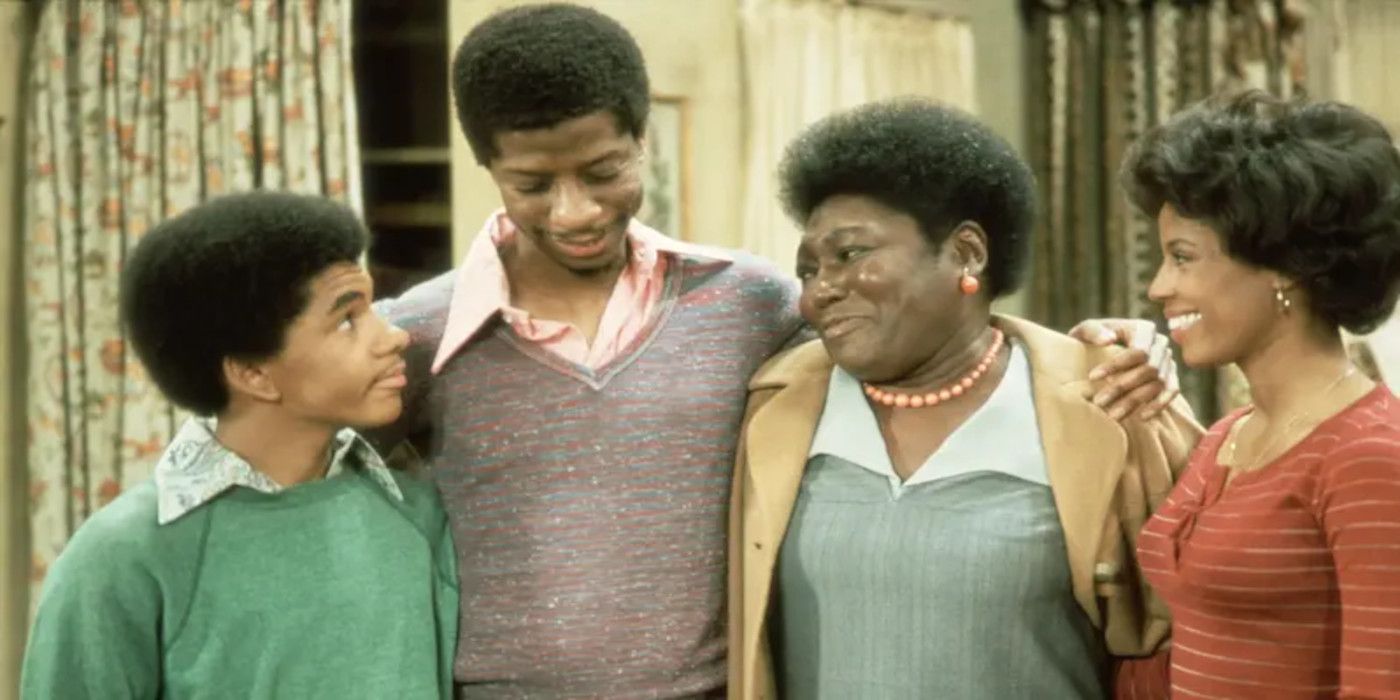
In the gripping fourth season premiere of the hit sitcom Good Times, titled “The Big Move: Part 1,” the Evans family prepares for a significant change as they plan to relocate from their Chicago home to Mississippi, where father James (John Amos) has secured a job. While mother Florida (Esther Rolle) and the children are busy with preparations, James is bustling with excitement in Mississippi. However, their plans are tragically derailed when the family receives the devastating news that James has been killed in a car accident during their going-away celebration.
The decision to write off James was influenced by creative differences regarding character authenticity, as Amos expressed his concerns to the writers. Ultimately, the choice to eliminate his character led to a shocking moment for audiences in the ’70s, who were unprepared for the sudden death of such a pivotal character in a beloved sitcom.
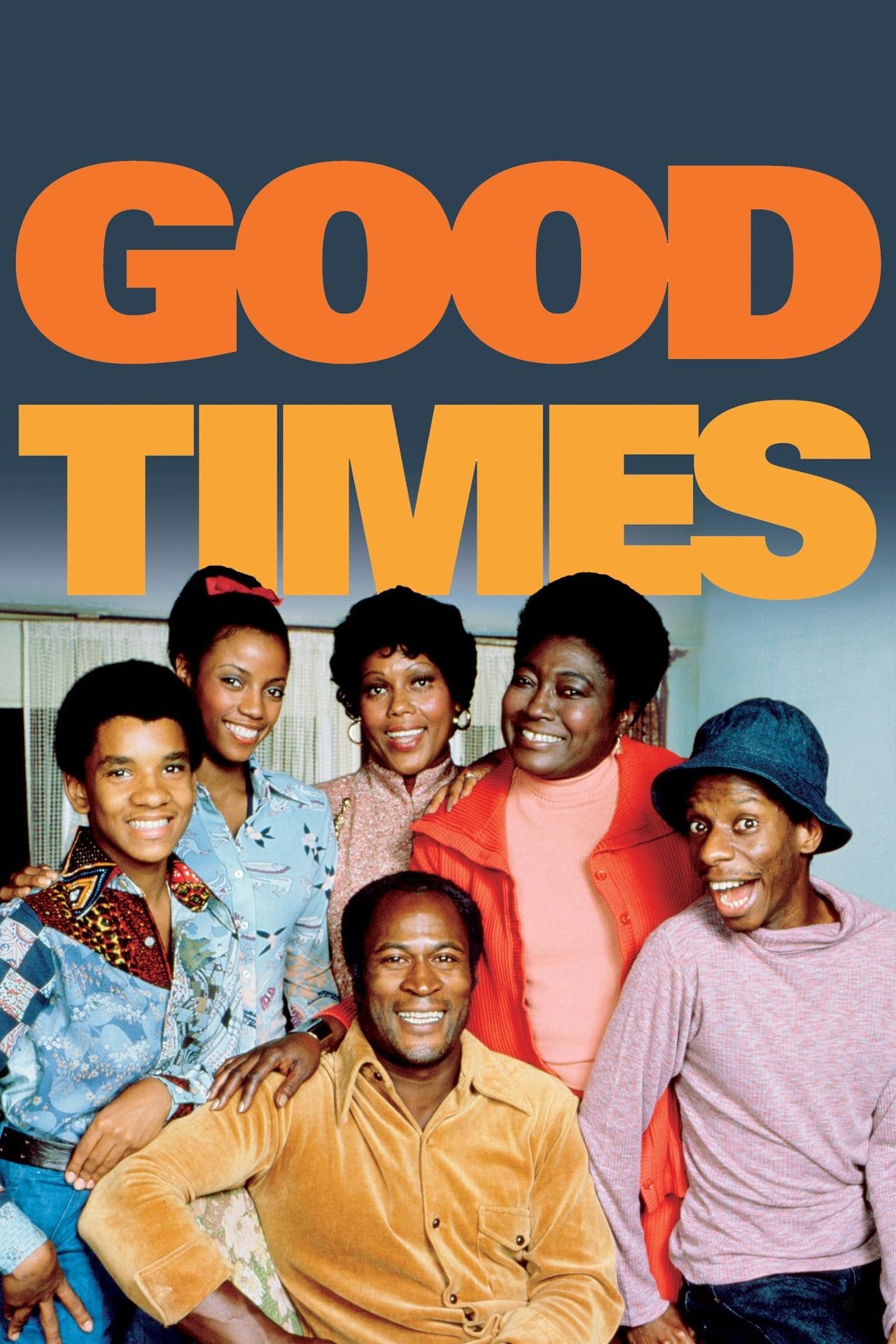
Good Times
- Release Date
-
1974 – 1978
- Network
-
CBS
8
“So Help Me God” – The Rockford Files
Season 3, Episode 7 (1976)
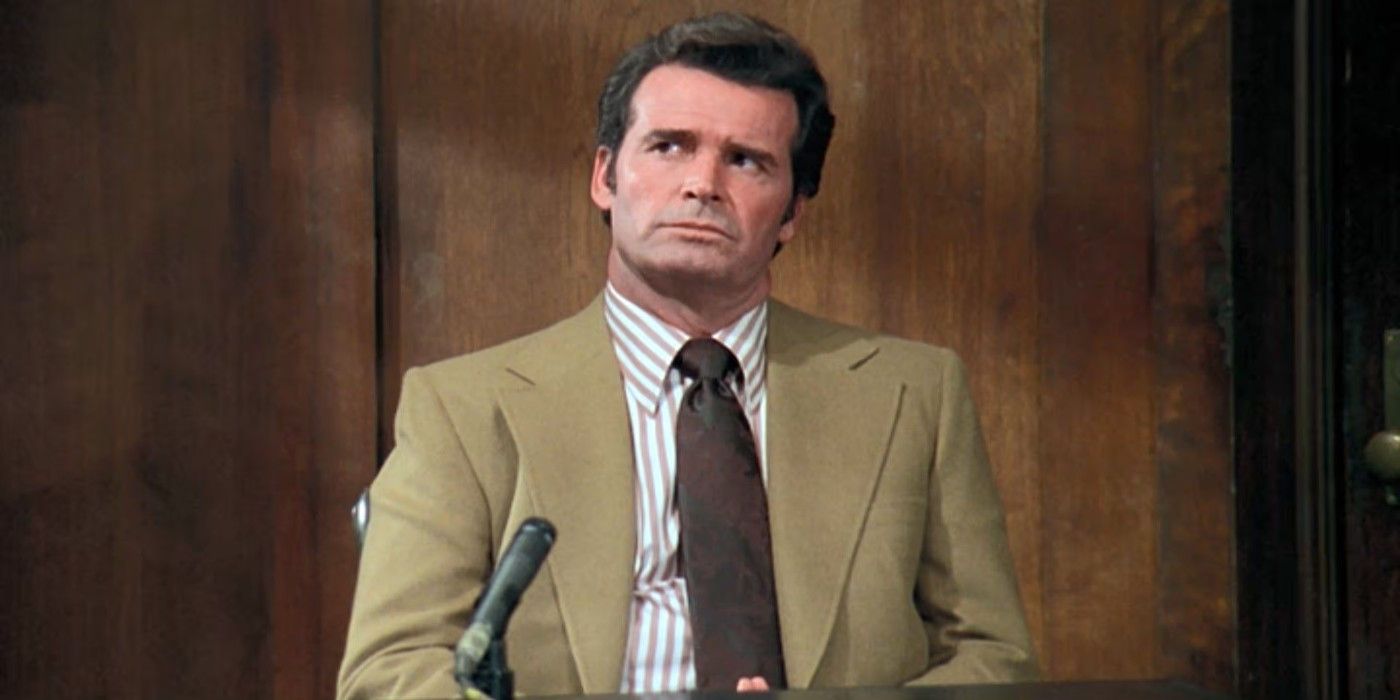
In the gripping episode titled “So Help Me God” from <em>The Rockford Files</em>, private investigator Jim Rockford (James Garner) finds himself ensnared in a perilous situation. Subpoenaed as a witness in a grand jury hearing, he becomes embroiled in a confrontation with the tenacious prosecutor Gary Bevins (William Daniels) over a man he has never encountered. This verbal duel leads to Rockford’s arrest for contempt of court, showcasing the precarious line he walks in his line of work.
Rockford is typically at odds with authority figures, and possibly never more so than when he’s forced to defend himself for actions he knows nothing about.
Throughout the episode, Rockford’s conflict with authority intensifies, particularly as he must navigate a situation beyond his control. “So Help Me God” stands out as a darker installment of the series, revealing the lengths to which Rockford must go to unravel the mystery, often from the confines of a prison cell. This episode exemplifies Rockford’s resourcefulness and determination while highlighting the perils of unchecked power within the judicial system, making it one of the best episodes of the series.
7
“Sorry, Wrong Meeting” – The Jeffersons
Season 7, Episode 14 (1981)
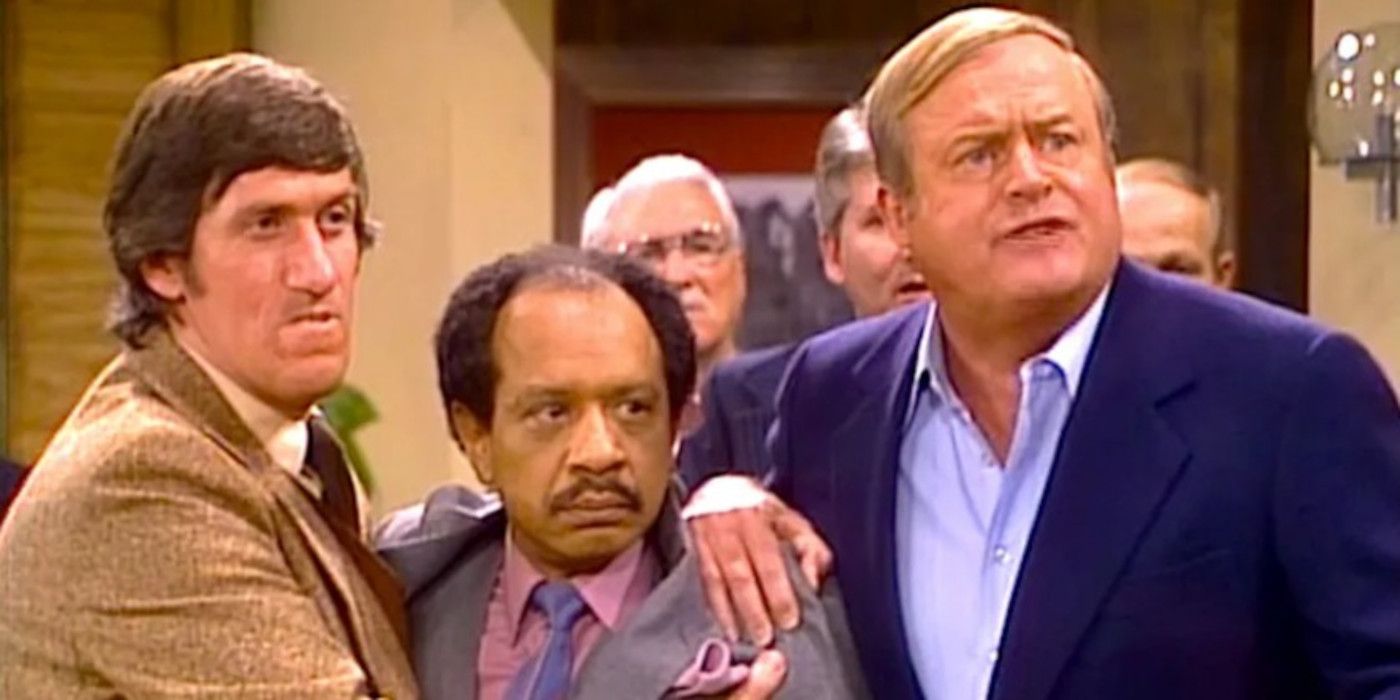
In a memorable episode of The Jeffersons, titled “Sorry, Wrong Meeting,” the sitcom addresses the sensitive subject of racism in a thought-provoking yet humorous manner. The story unfolds when a new tenant in George’s (Sherman Hemsley) apartment building attempts to introduce a KKK presence among the residents. Following a break-in at Tom’s (Franklin Cover) apartment, he is convinced to attend a meeting organized by this new neighbor, mistakenly believing it will discuss solutions to the recent crime wave. However, it turns out to be a Klan meeting. When George arrives at the meeting, urged by Tom, a confrontation ensues with the Klan representative, leading to an unexpected twist when a heart attack strikes the aggressor, forcing George to perform CPR.
“Sorry, Wrong Meeting” cleverly tackles issues of racism, seamlessly interweaving humor with serious themes. The series of misunderstandings that results in George attending a KKK meeting is expertly crafted, delivering comedic moments while exploring profound social issues. George’s frustration culminates in a powerful moment where, after saving a bigot’s life, he silently communicates the emotional toll of racism, even amid his success as a businessman.
6
“Maude’s Dilemma” – Maude
Season 1, Episodes 9 and 10 (1972)
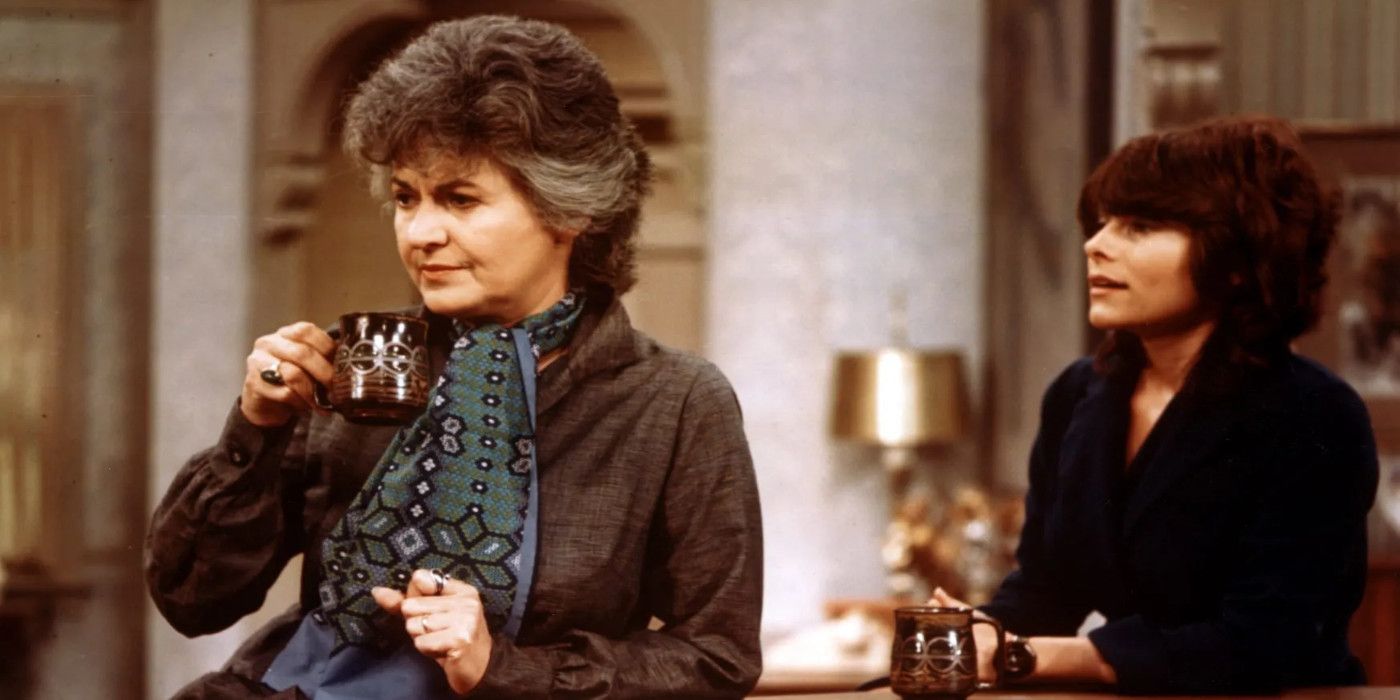
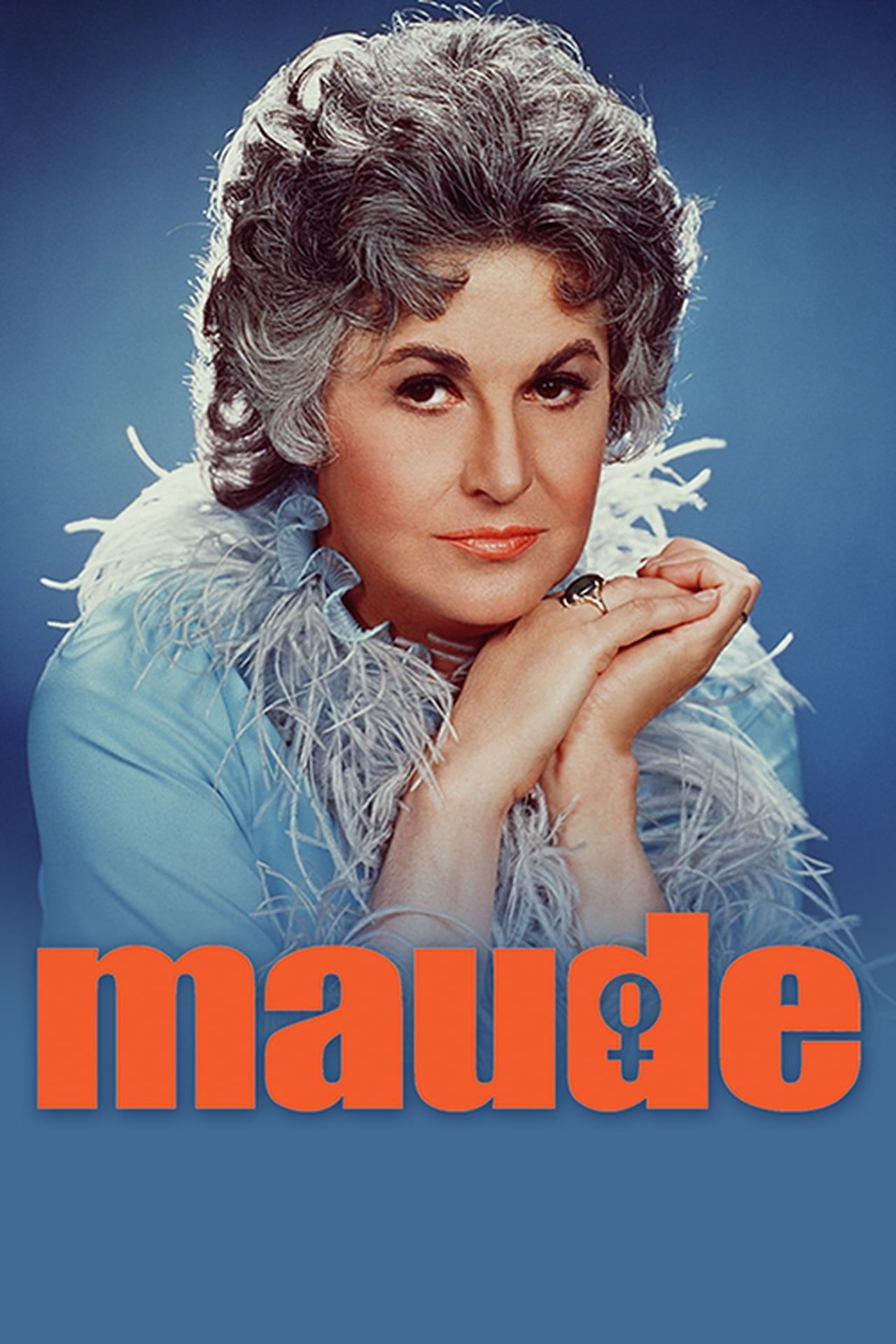
The groundbreaking sitcom Maude was celebrated for its sharp and incisive humor, but it also made headlines early in its run for tackling the sensitive issue of abortion. In the two-part episode “Maude’s Dilemma,” the titular character, Maude (Bea Arthur), discovers that she is unexpectedly pregnant. Faced with a difficult decision, Maude and her husband Walter (Bill Macy) ultimately opt for an abortion, a choice that had recently been legalized.
Addressing the topic of abortion in a sitcom during the ’70s was an audacious move, especially in the inaugural season of Maude. By portraying characters who openly discuss and decide on abortion, the series faced backlash, losing several advertisers and encountering resistance from CBS affiliates who refused to air the episode. Nevertheless, the show, created by The Norman Lear, stood firm, ultimately crafting one of the most iconic episodes in ’70s television history.
Maude
- Release Date
-
1972 – 1978
- Network
-
CBS
5
“The Germans” – Fawlty Towers
Season 1, Episode 6 (1975)
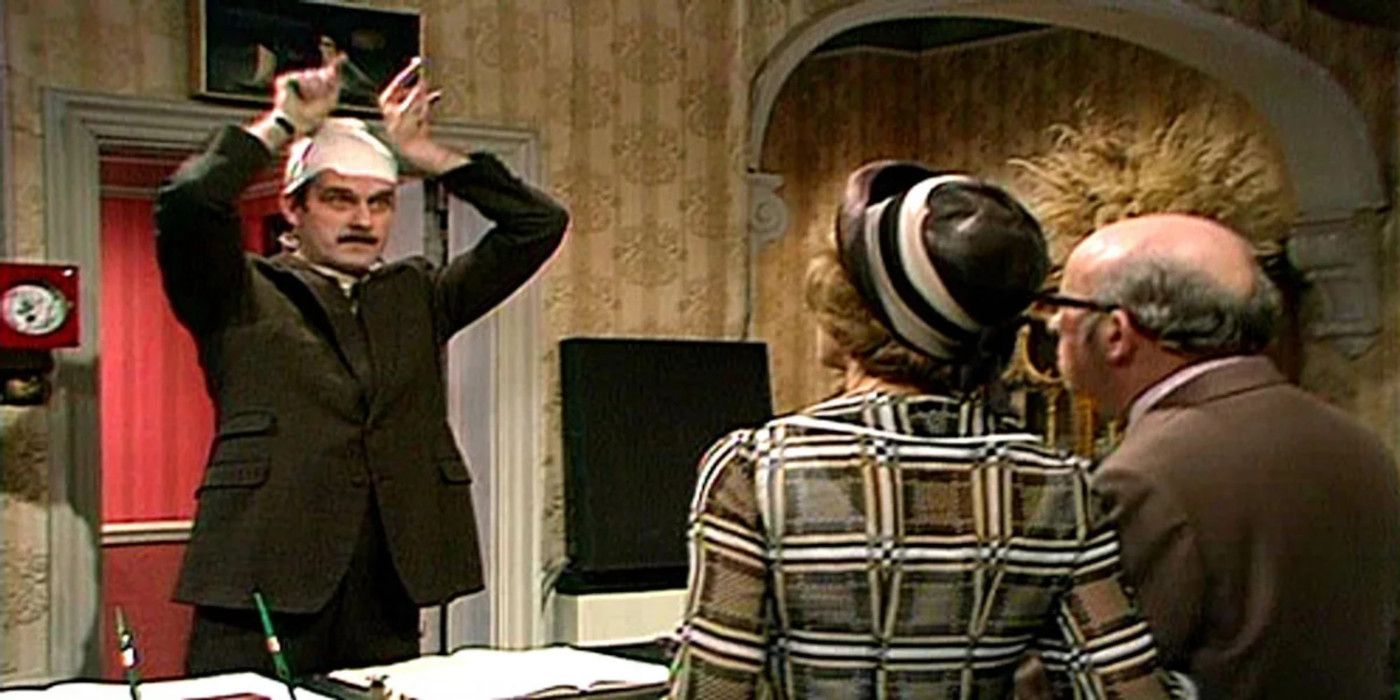
In the classic episode “The Germans” from the iconic series Fawlty Towers, Basil (John Cleese) finds himself managing the hotel solo while his wife, Sybil (Prunella Scales), is hospitalized for an ingrown toenail. This results in a comedic series of escalating misfortunes, culminating in a fire drill that turns unexpectedly real, leading Basil to join Sybil in the hospital after suffering a concussion. Ignoring medical advice, Basil departs the hospital only to inadvertently offend his German guests multiple times.
“The Germans” exemplifies the brilliance of Fawlty Towers, showcasing a perfect blend of sharp wit and expertly executed physical comedy. The episode is packed with clever humor, making it a nearly flawless half-hour of television that cements Cleese’s status as a comedic legend.
4
“Chuckles Bites the Dust” – The Mary Tyler Moore Show
Season 6, Episode 7 (1975)
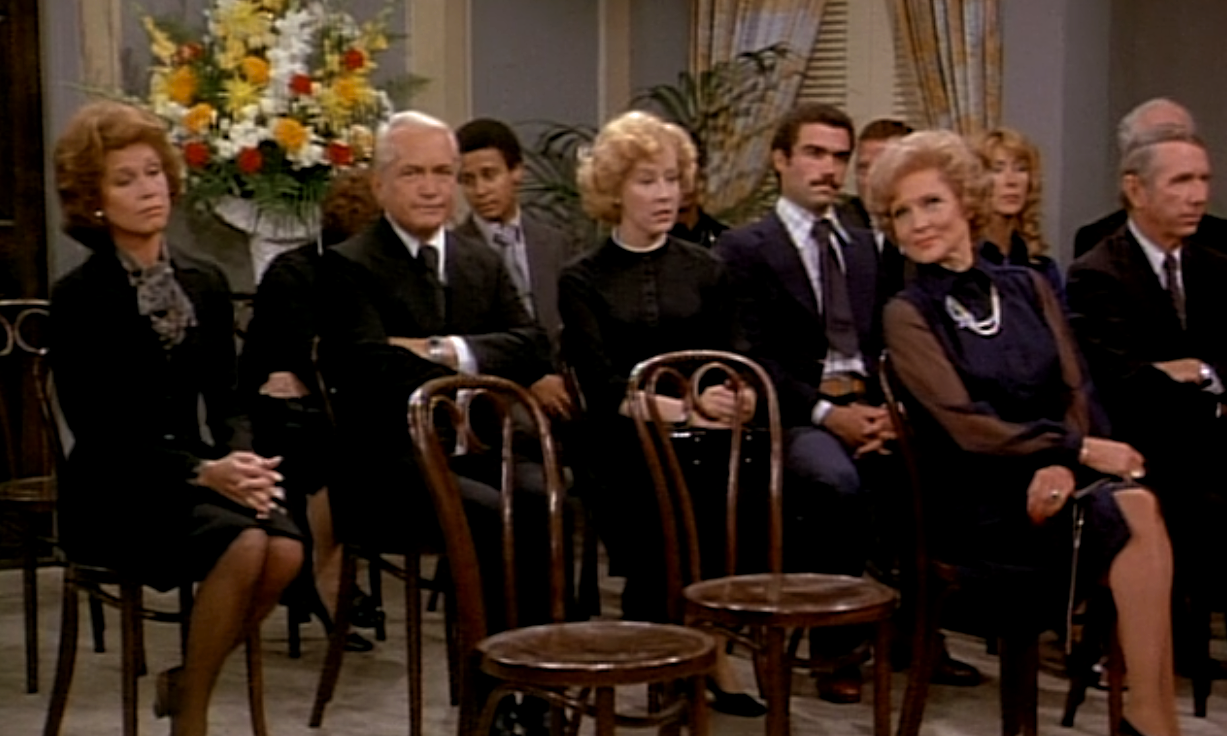
The Mary Tyler Moore Show consistently delivered laughter, yet “Chuckles Bites the Dust” is often hailed as one of the series’ standout episodes. The plot revolves around the unfortunate demise of Chuckles the Clown in a bizarre incident involving an elephant. Despite the tragedy, the team at television station WJM finds it difficult to resist making jokes about the deceased clown, with only Mary (Mary Tyler Moore) expressing disapproval. Ironically, during Chuckles’ funeral, Mary succumbs to laughter, much to the astonishment of her colleagues.
“Chuckles Bites the Dust” was honored with the Emmy for Outstanding Writing in a Comedy Series, marking a high point for the show. The episode thoughtfully navigates the themes of mortality and the various ways individuals cope with loss, showcasing the spectrum of reactions that accompany sudden tragedy. The clever writing shines throughout, but it is Moore’s comedic timing and her struggle to suppress laughter during the clown’s funeral that provide some of the episode’s most memorable moments.
3
“Sammy’s Visit” – All in the Family
Season 2, Episode 21 (1972)
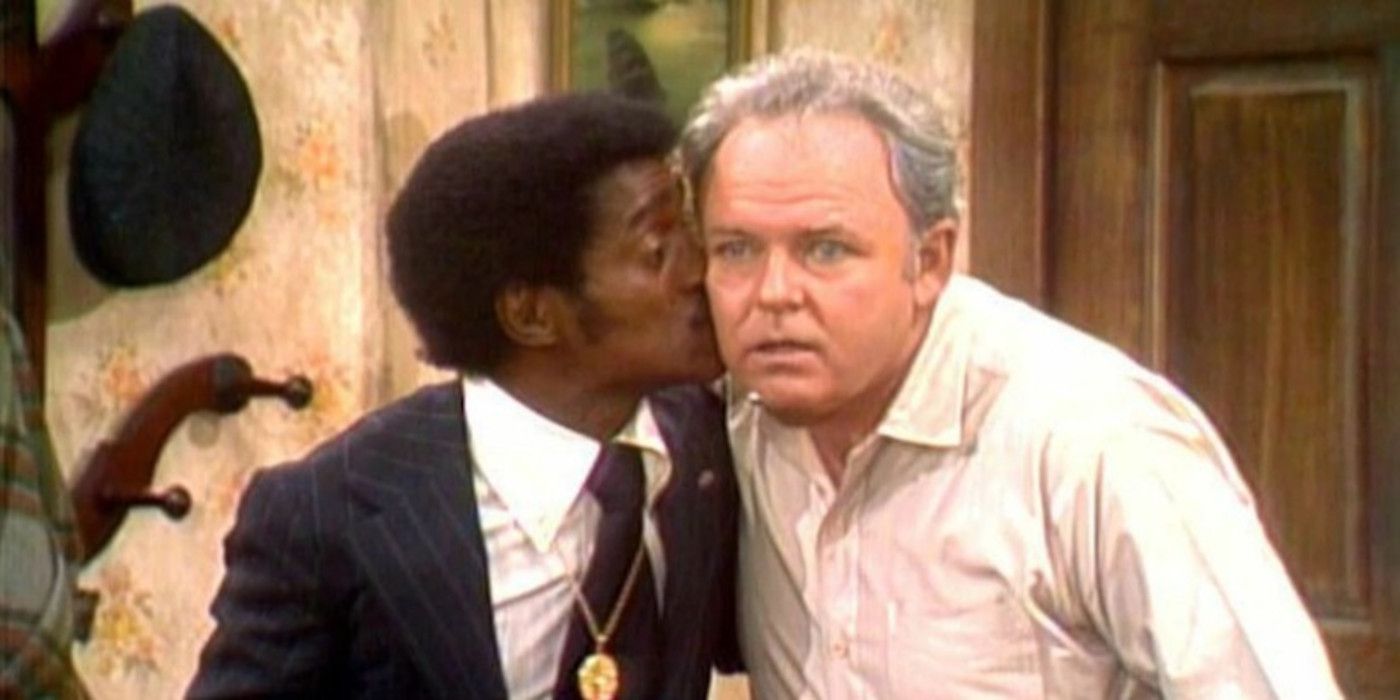
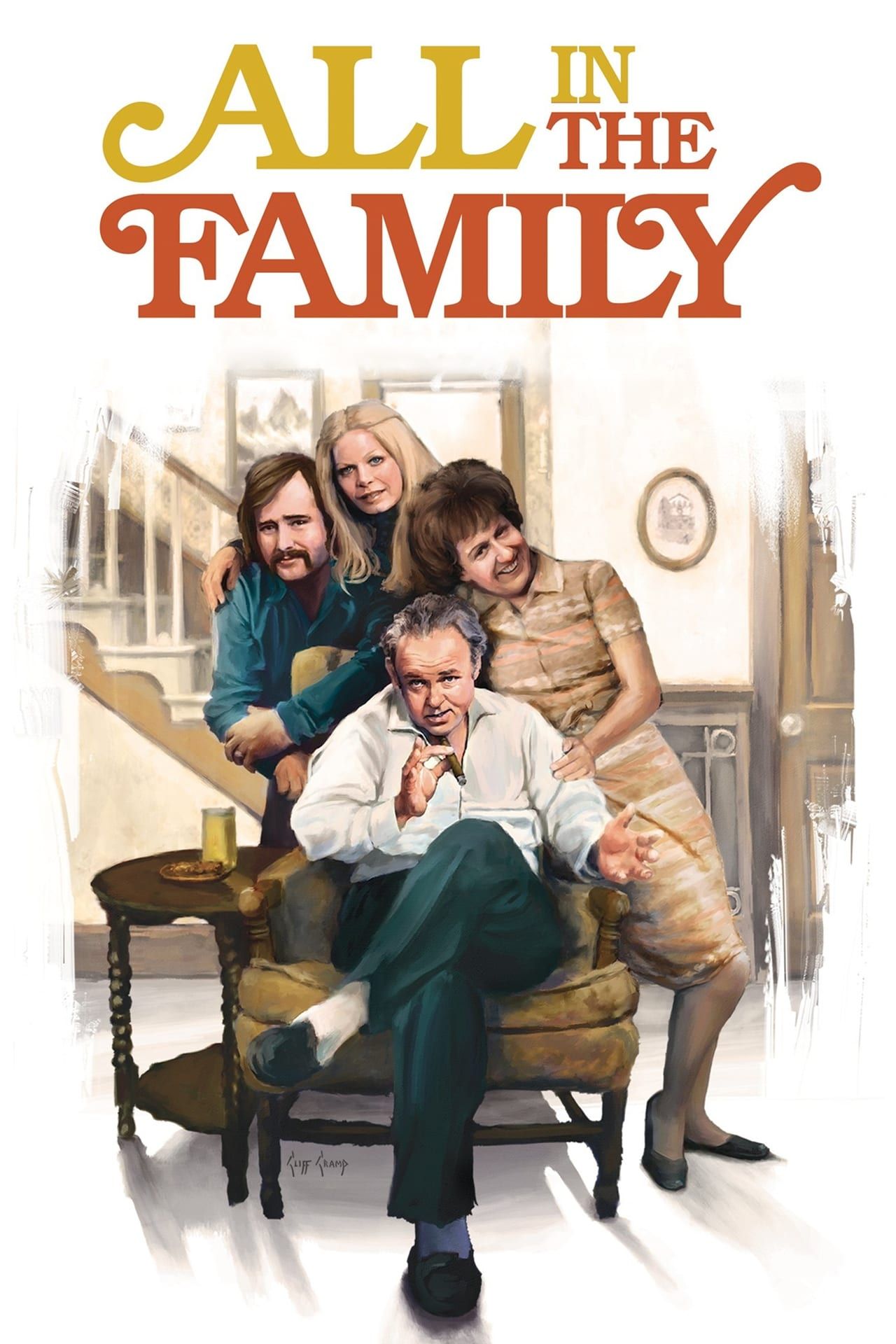
The iconic episode “Sammy’s Visit” from All in the Family features a delightful guest appearance by the legendary entertainer Sammy Davis Jr. Archie Bunker (Carroll O’Connor) boasts about his newfound cab driver side hustle, which leads him to cross paths with Davis Jr. When Sammy unexpectedly shows up at the Bunker home while waiting for a forgotten bag, the family engages in a series of hilariously awkward conversations.
The chemistry between O’Connor and Davis Jr. is palpable, enriched by their longstanding friendship. Initially, the production was hesitant to feature a prominent guest star without disrupting the show’s grounded nature. By crafting a storyline where Archie works as a cab driver, the writers successfully integrate Davis Jr. as himself, creating one of television’s most memorable episodes.
All In The Family
- Release Date
-
1971 – 1978
- Network
-
CBS
2
“Part VIII” – Roots
Season 1, Episode 8 (1977)
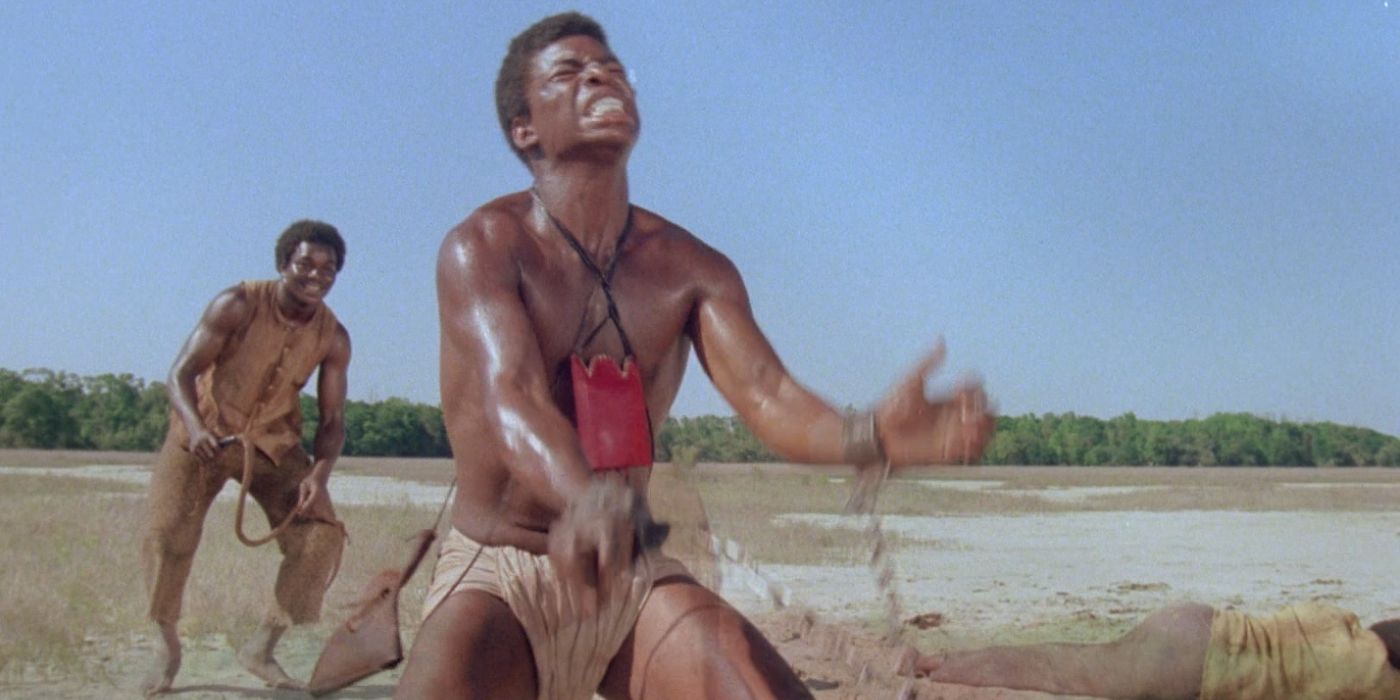
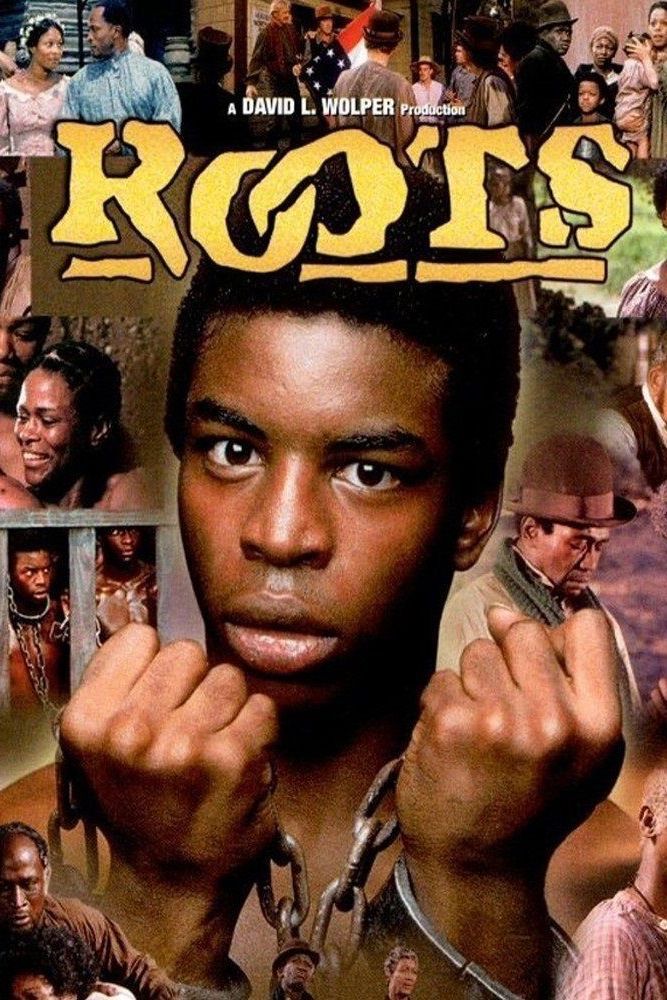
One of the most significant milestones in ’70s television was the groundbreaking eight-part miniseries <em>Roots</em>, which aired on ABC. Based on the impactful novel Roots: The Saga of an American Family by Alex Haley, Roots chronicles the journey of an African American family across multiple generations, detailing their experiences with slavery, the Civil War, and their quest for freedom.
The finale of Roots achieved record-breaking viewership, becoming one of the most-watched episodes in the history of scripted television. Millions of households tuned in to witness the conclusion of this iconic ’70s miniseries. The series fearlessly depicted the brutal realities of slavery and the depths of human cruelty, catalyzing discussions about racism and social inequality in the cultural landscape of the decade. It showcased the potential of television as a powerful medium for education and awareness about history and diverse cultures.
Roots
- Release Date
-
1977 – 1976
- Network
-
ABC
1
“Abyssinia, Henry” – M*A*S*H
Season 3, Episode 24 (1975)
<img width="1400" height="700" loading="lazy" decoding="async" alt="McLean Stevenson and Gary Burghoff as Henry Blake and Radar on M*A*S*H." data-img-url="https://static1.colliderimages.com/wordpress/wp-content/uploads/2024/04/screenshot-2024-04-11-at-2-14-41-pm.jpg" src="https://static1.colliderimages.com/wordpress/wp-content/uploads/2024/04/screenshot-2024-04-11-at-2-14