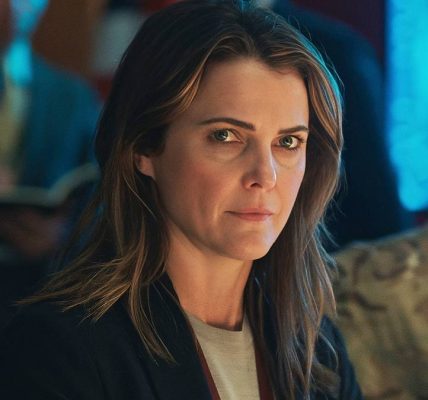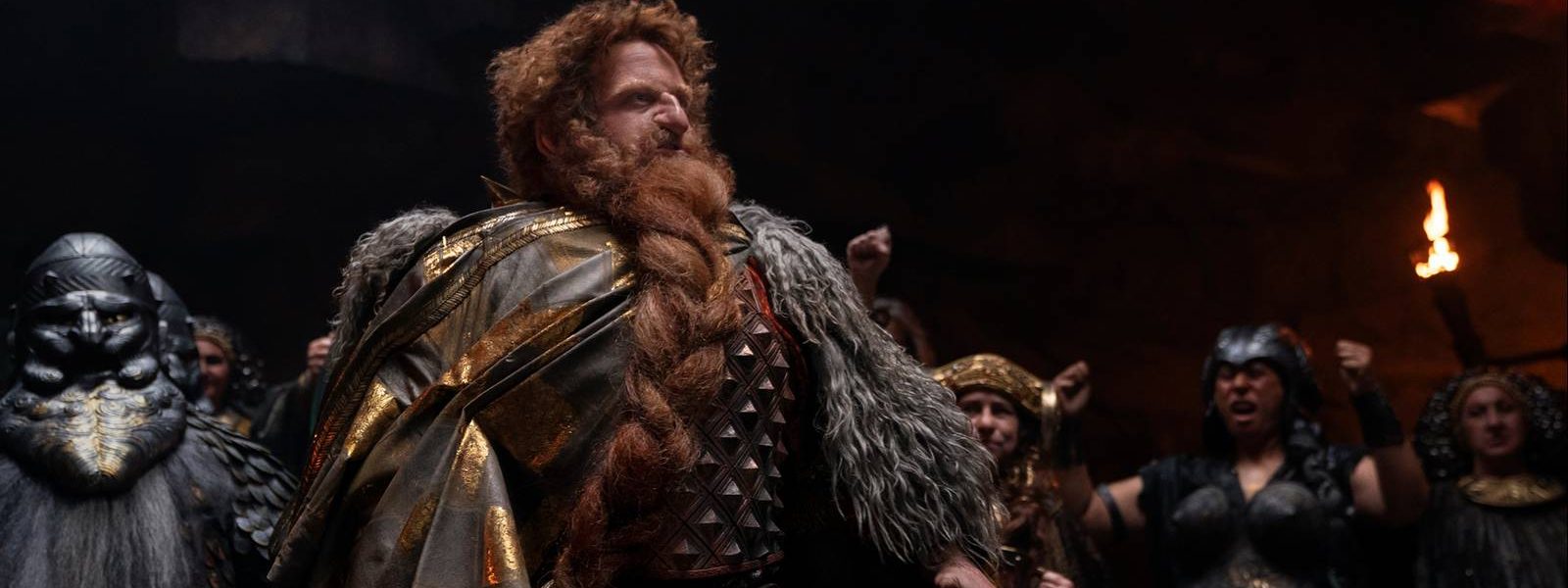
Some of the leading production and streaming companies have begun a unique TV trend that is saving the fantasy genre. Fantasy TV shows have always had immense potential for success, but they come with some risk. Once an audience is captured by a great series, the challenge becomes keeping them hooked. If a fantasy series doesn’t immediately make viewers fall in love, they’re unlikely to continue watching subsequent seasons.
We’ve seen these problems with a variety of fantasy TV shows. Netflix, especially, has been quick to cancel its fantasy TV shows when they fail to perform. Projects like Cursed, Lockwood & Co., Warrior Nun, Shadow and Bone, and more ended on frustrating cliffhangers that will never be resolved. However, Prime Video and HBO are among those platforms that have found an intriguing solution to this issue, inspiring an ongoing trend with other streamers.
HBO & Prime Video Have Started A Valuable Fantasy TV Trend
For the most part, it has been typical for a new TV series of any genre to kick off without a definitive end in sight. The writers may know where the story is headed, but precisely how long it will take to get there depends largely on audience interest. After all, production companies won’t want to cut their potential financial gain short. However, in the fantasy genre, especially, we’re beginning to see more projects with a set number of seasons established in advance.
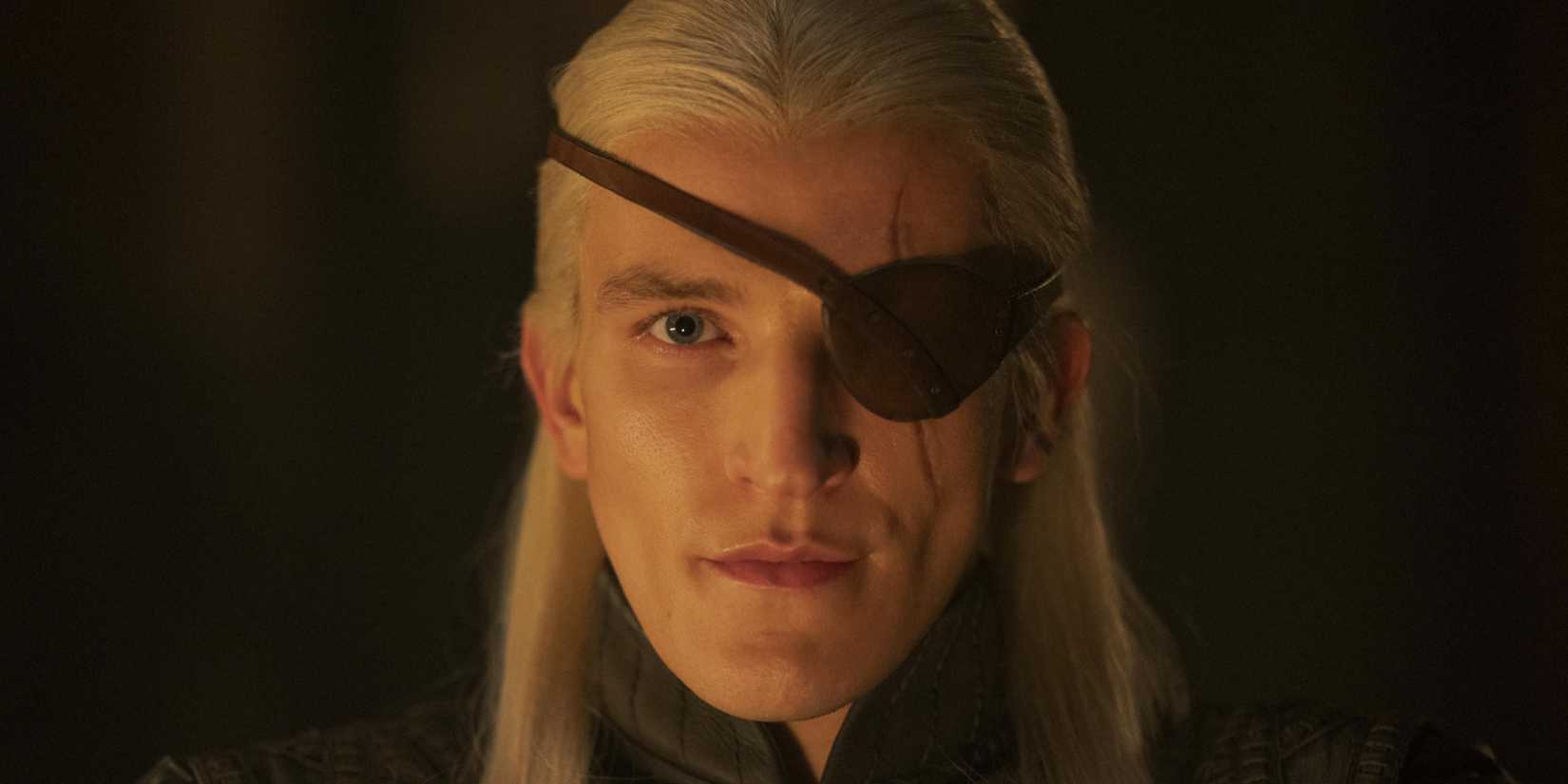
HBO and Prime Video are frontrunners in this trend. While Game of Thrones kept going until the showrunners saw it fit to end, the spinoff House of the Dragon was set up with a four-season plan from the start. Shortly after the premiere of Rings of Power, Prime Video announced that the story would span five seasons. Netflix has followed suit, announcing a five-season plan for the fantasy TV show The Witcher.
This is a valuable approach to TV because it sets expectations for audiences. Fantasy has typically been an investment for viewers since these shows have traditionally been rather long-running. If a show doesn’t impress within the first couple of installments, audiences will disengage. However, it’s easier for us to commit to a fantasy TV show, even if it hasn’t yet resonated with us when we know the story will be wrapped up in a few installments.
Set Seasons Could Have Saved The Legacies Of Past Fantasy TV Shows
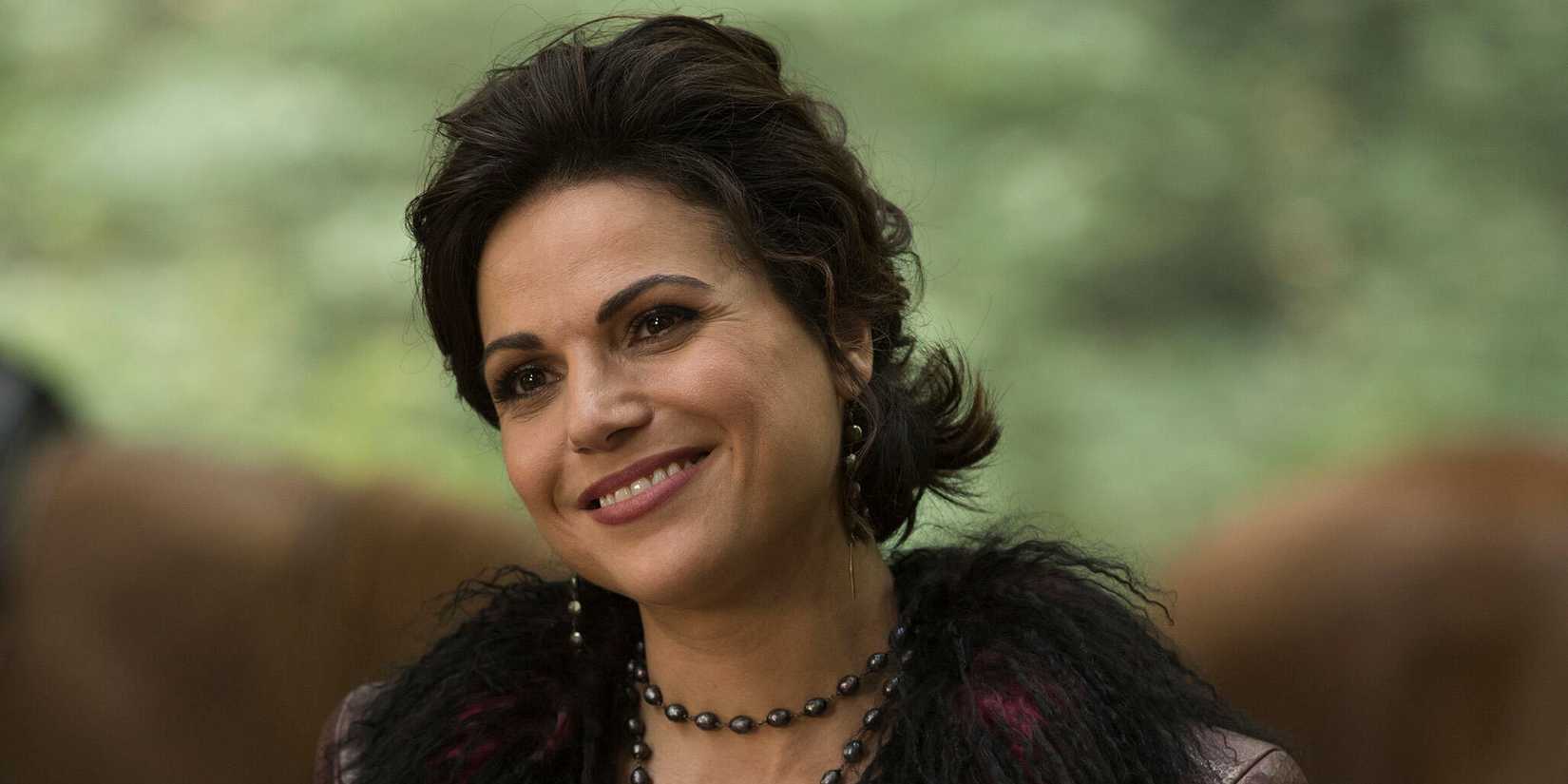
There’s nothing worse than when a good TV show begins to beat a dead horse. It may have had a strong start, but rather than end during the logical fall of a story, producers kept things going in an effort to make more money. With each subsequent season, reception falls, and the greatness that this project once was is forgotten. By the end of shows like Once Upon a Time, True Blood, and more, the overall perspective on the series had become negative.
Had several big fantasy shows started with a set plan for how many seasons would be needed to cover the story, this loss of interest and shift in perspective could have been avoided. We can see, even with projects like Rings of Power and The Witcher, both of which have been divisive, that a set plan has kept viewership at a sustainable level. If this fantasy TV trend were to continue, we could end up with fewer cancellations and disappointing cliffhanger endings overall.