

Written by Guest Contributor, Victoria Pousada
Throughout my childhood, I seldom encountered anyone resembling myself in the glamorous pages of fashion magazines or on the prestigious runways. As a queer, neurodiverse, petite-plus, and Hispanic model, that single sentence encapsulates numerous identities that the fashion industry has historically marginalized, overlooked, or tokenized. My path into the fashion world has been anything but conventional—it has been a journey filled with emotional turbulence, political significance, and deeply personal revelations. More importantly, it has illuminated the transformative power of visibility and the crucial need for intersectional representation in our society.
I vividly recall being a young girl, yearning and searching for a role model whose body type, cultural background, or essence resembled my own in the shows I watched, the commercials I encountered, and the billboards that adorned the streets. Unfortunately, this quest was ultimately futile. The archetype of the ideal model was consistently tall, slender, and conventionally feminine. Anything deviating from this norm was either deemed niche or, even worse, rendered invisible. This experience sowed seeds of self-doubt and confusion within me, leading me to believe that I must contort myself into someone else’s definition of beauty to feel worthy. Yet, deep down, I understood that this perception was misguided. I refused to spend my life erasing and hiding my true self.
When I embarked on my modeling career, I found myself walking into rooms where I was not only the sole plus-size participant but also the only person of average height. I could sense the discomfort lingering in the air when I confidently introduced myself, refusing to apologize for the space I occupied. Occasionally, I was met with complete disregard. I wasn’t merely seeking inclusion; I was demanding to be valued for my authentic self.

Amidst the challenges, I have also experienced moments of triumph. Walking the prestigious London Fashion Week as a petite-plus model was a dream I never imagined could come true. Being featured in publications that once felt like exclusive clubs served as a reminder that change is achievable, even if slow and imperfect. When fellow queer, neurodivergent, or petite-plus individuals reach out to me to share, “I’ve never seen someone like me doing this,” it reinforces my resolve. Intersectional representation transcends vanity; it embodies validation, empowerment, and authenticity.
However, my journey has not been solely defined by the glamorous lights of the runway and captivating editorials. The emotional burden of navigating an industry that rigidly clings to outdated beauty standards is a constant challenge. I have been labeled as “too much” and “not enough” simultaneously. I have been deemed too curvy, too short, too outspoken. The underlying message has always been clear: diminish your true self, and perhaps then you might fit in.
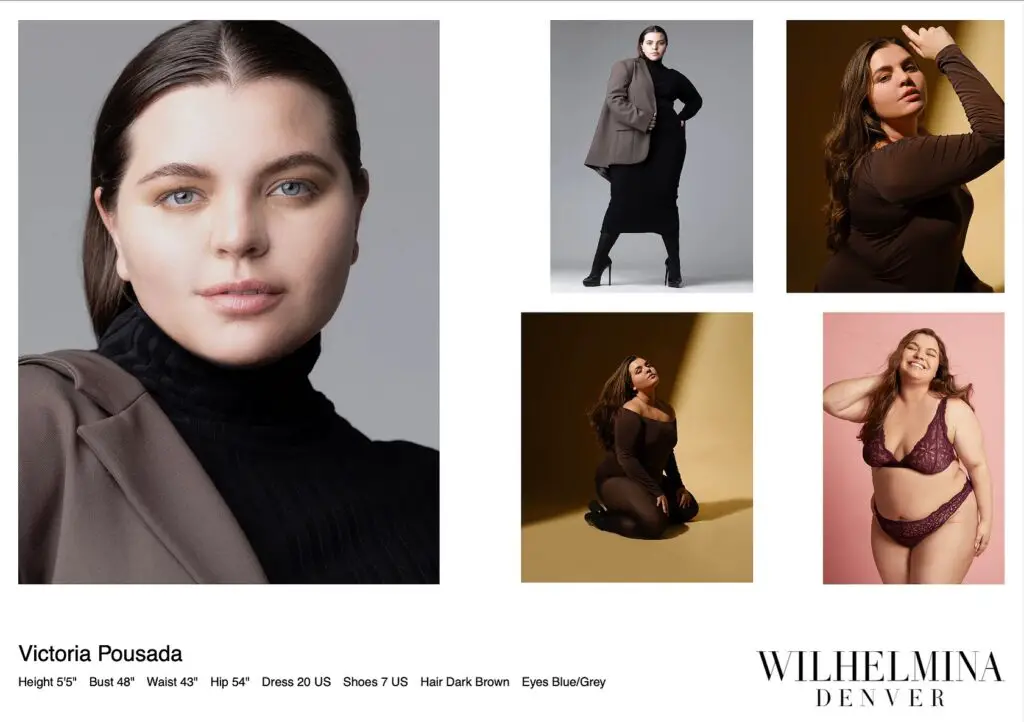
Nonetheless, embracing intersectionality has empowered me to embrace my authentic self even more. Each layer of my identity contributes a unique perspective that the industry desperately lacks. My queerness enhances my understanding of gender fluidity within fashion. My neurodivergence infuses creativity, empathy, and meticulous detail into my work. My diverse background connects me to a rich cultural heritage filled with vibrant colors, rhythmic beats, and profound resilience. My petite-curve body tells a vital truth about the vast spectrum of beauty that exists beyond conventional size charts.
Understanding the Depth of Intersectional Representation in Fashion
When discussing intersectional representation in fashion, it’s essential to recognize that it extends beyond merely checking boxes or superficial diversity optics. It’s about fundamentally transforming the narrative so that individuals like me, as well as those who differ from me, are not seen as exceptions—we should be integrated into the norm. It’s about cultivating environments where models are not forced to choose which aspects of their identities to showcase while suppressing others. At its essence, fashion should reflect who we are and who we aspire to become.
The topic of body inclusivity is more multifaceted than many people realize, as the beauty standard of thinness is intricately linked to European beauty standards. The notion that to be thin is to be beautiful, and to be thin is to be white, perpetuates harmful stereotypes that have plagued the fashion industry for far too long. Ironically, these restrictive standards negatively impact European individuals with shorter and plus-size bodies. This outdated paradigm fails to benefit its original proponents, reinforcing the idea that exclusive ethno-corporal practices serve no one.
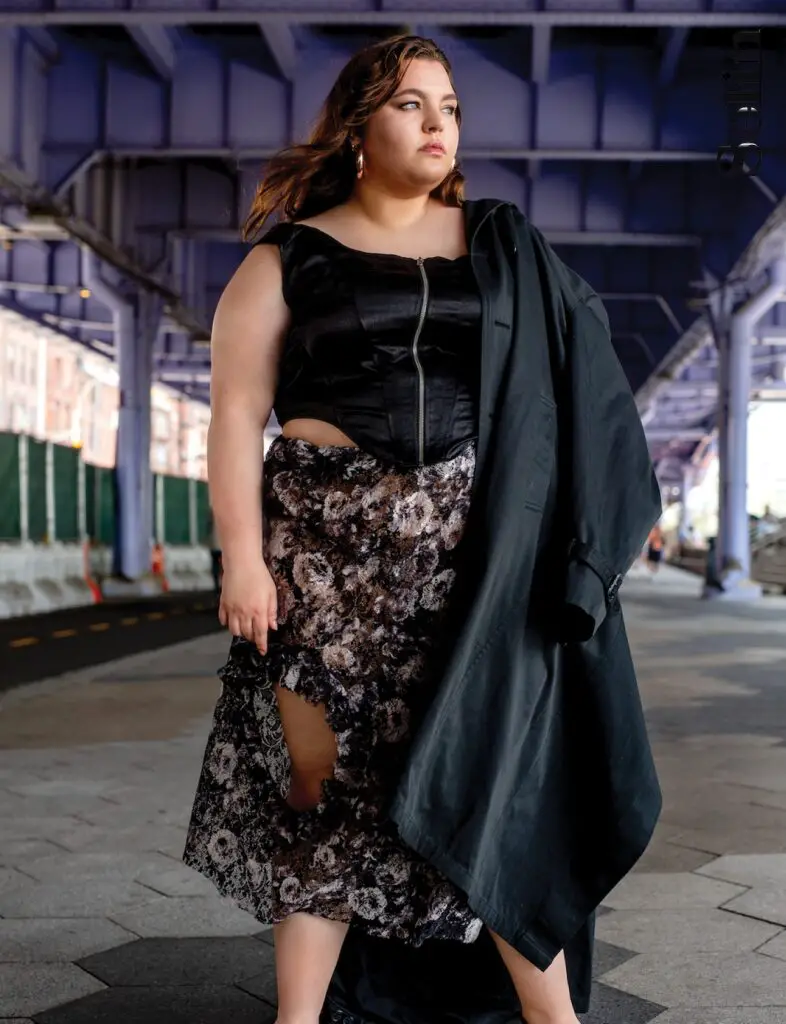
I envision a fashion industry where runways mirror real-life sidewalks, where every spectrum of identity is not only acknowledged but celebrated. A space where being queer does not result in being pigeonholed. Where being Hispanic does not necessitate an accent or stereotype. Where neurodivergence is not regarded as a flaw but is instead celebrated as a distinctive lens through which to perceive and engage with the world. A realm where being petite-plus is not perceived as an anomaly, but simply as another beautiful facet of diversity.
Being seen transcends mere fame; it embodies a deeper understanding. It means standing confidently on a set or in a fitting room, knowing you don’t have to justify your existence, diminish your identity, or tear yourself into fragments. It’s about having your entire story honored and respected.
Throughout my journey, I have come to realize that my body, my voice, and my mind all merit space in this industry—not just because I advocate for it, but because they possess inherent value. If my unwavering presence helps even one person feel seen, then every struggle has been worthwhile.
The fashion industry still has a considerable distance to travel. Yet, intersectional representation is not a fleeting trend; it is a critical necessity. The moment someone sees their reflection in the industry, they begin to grasp their own power.
And that realization? That’s where true beauty takes root.
Did you discover something enlightening about intersectional representation? Share your thoughts with us in the comments section.








