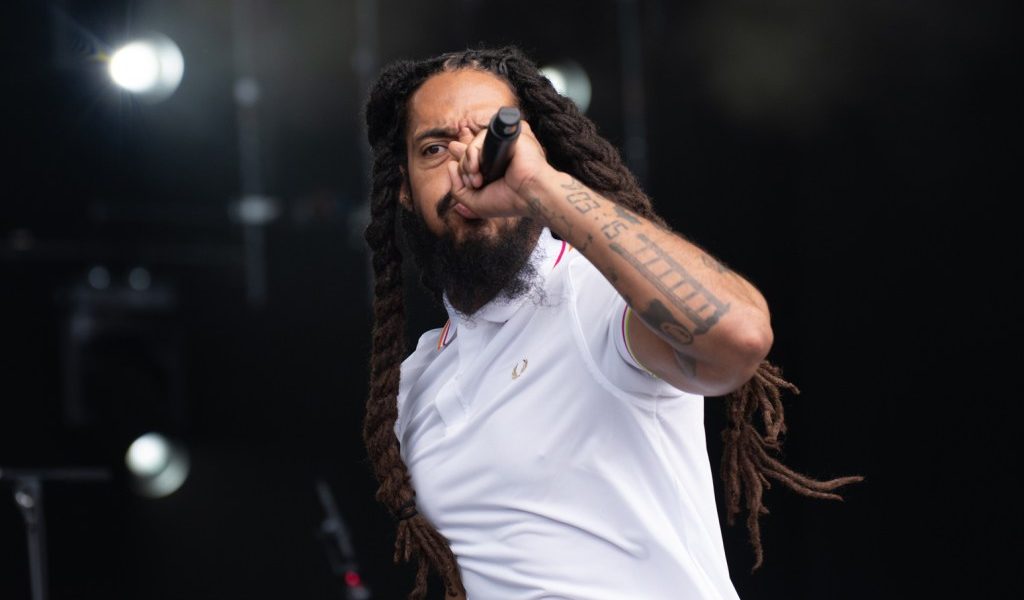
Avon and Somerset Police have officially initiated a criminal investigation concerning the controversial performances of Bob Vylan and Kneecap at the Glastonbury Festival. This decision comes in the wake of significant public outcry and intense political scrutiny over remarks made during their respective performances on Saturday, June 29. The investigation aims to address the backlash and concerns raised by festival attendees and the general public regarding the nature of these comments and their implications for community harmony and public safety.
Discover Related Content
See latest videos, charts, and news
See latest videos, charts, and news
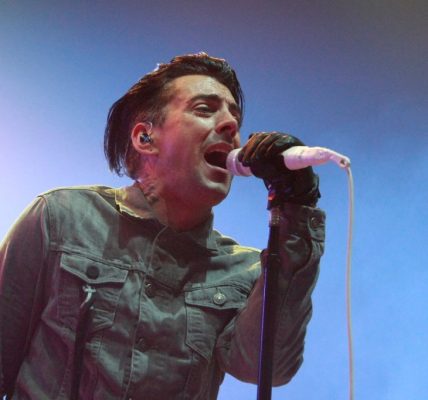
The livestreamed performance by Bob Vylan on the BBC attracted significant attention, particularly due to a chant led by the frontman, Bobby Vylan (real name Pascal Robinson-Foster), which included the provocative phrase “death to the IDF,” a reference to the Israel Defense Forces. In light of this incident, the BBC issued a formal apology for failing to cut the feed during the performance, labeling the comments made as “antisemitic.” The network has committed to reviewing its protocols and guidelines for live broadcasts to prevent similar occurrences in the future, emphasizing the importance of responsible broadcasting and content moderation.
In response to the backlash, the Glastonbury Festival released an official statement addressing the chants led by Bob Vylan, expressing that they are “appalled” by the nature of his comments. This reaction highlights the festival’s commitment to maintaining a welcoming and inclusive environment for all attendees, regardless of their background or beliefs.
The statement from the festival articulated its foundational values: “Glastonbury Festival was created in 1970 as a place for people to come together and celebrate music, the arts, and the best of human endeavor. As a festival, we firmly stand against all forms of war and terrorism. We will always advocate for hope, unity, peace, and love.” This message reinforces the festival’s dedication to fostering a positive atmosphere and discouraging any form of hate speech or violence.
With nearly 4,000 performances scheduled for Glastonbury 2025, it is inevitable that some artists may express views that do not align with the festival’s values. The festival emphasized that a performer’s presence should not be interpreted as an endorsement of their opinions or beliefs. This clarification is crucial to understanding the diversity of expression at the festival while maintaining respect for its core principles.
Despite the wide array of performances, the festival expressed deep concern over the statements made by Bob Vylan from the West Holts stage, stating, “Their chants very much crossed a line.” The festival is taking immediate steps to remind all parties involved in the production of the event that antisemitism, hate speech, and incitement to violence will not be tolerated at Glastonbury. This strong stance is part of their ongoing commitment to creating a respectful and safe environment for all festival-goers.
On Monday, Culture Secretary Lisa Nandy raised the issue in Parliament, stating that she had directly contacted the BBC’s director general following the broadcast. “Outstanding questions remain,” she noted, including “why the feed wasn’t immediately cut” and “what due diligence had been performed” prior to Bob Vylan’s performance being aired. This inquiry underscores the need for accountability in media representation and the responsibility that comes with broadcasting sensitive content.
In a video response, Bobby Vylan defended his remarks by asserting, “Regardless of how it was said, calling for an end to the slaughter of innocents is never wrong,” while clarifying, “This anger is not directed at [Israeli] civilians.” His comments reflect the complex dynamics of expression in art and the challenges artists face when addressing contentious political issues.
The band, which had been gearing up for a U.S. tour later this year, has reportedly had their American visas revoked following the incident. According to reports from BBC News, a U.S. State Department official expressed on social media, “Foreigners who glorify violence and hatred are not welcome visitors to our country.” This development raises concerns about the implications for artists in navigating international boundaries, particularly when their performances incite controversy.
The ongoing police investigation also encompasses the performance by the Irish rap group Kneecap, whose politically charged set on the West Holts Stage attracted one of the largest crowds of the weekend. Billboard previously reported that the field was closed off 45 minutes prior to their set due to overcrowding, which illustrates the group’s significant draw and the intensity of their performance. Their set began with global news clips regarding their activism, including footage of Sharon Osbourne calling for the revocation of their U.S. visas, highlighting the charged atmosphere surrounding their appearance.
Mo Chara, a member of Kneecap, addressed the audience during their performance, mentioning his court appearance in June on an unrelated terrorism charge that he denies. “Mo Chara was in the Westminster court this month,” said bandmate Móglaí Bap. He later stated to the audience, “The Prime Minister of your country – not mine – said he didn’t want us to play. So, f— Keir Starmer.” This confrontation reflects the politically charged environment surrounding their performance and the broader implications of expressing dissent in public forums.
The group also expressed gratitude to the Eavis family, the organizers of Glastonbury, for their support amidst calls for their removal from the lineup. “The pressure that the family was under [to drop us], but they stayed strong – fair play to them,” remarked Mo Chara. He further emphasized their perspective, stating, “We are from West Belfast, a place that has experienced occupation. We understand colonialism and we recognize the importance of international solidarity.” This sentiment underscores the band’s commitment to their heritage and the cultural context of their music.
Although Kneecap’s performance was not livestreamed, the BBC later uploaded a largely unedited version of their set to iPlayer. The network has yet to comment on whether this performance will remain available to the public, raising questions about media responsibility and the handling of controversial content. The availability of such performances plays a crucial role in shaping public discourse and understanding of the artists’ messages.
As of Tuesday, no charges have been filed against either Bob Vylan or Kneecap, leaving the investigation ongoing and the implications of their performances still being assessed. This situation continues to evolve as authorities and the festival organizers navigate the complex interplay of art, freedom of expression, and public safety.