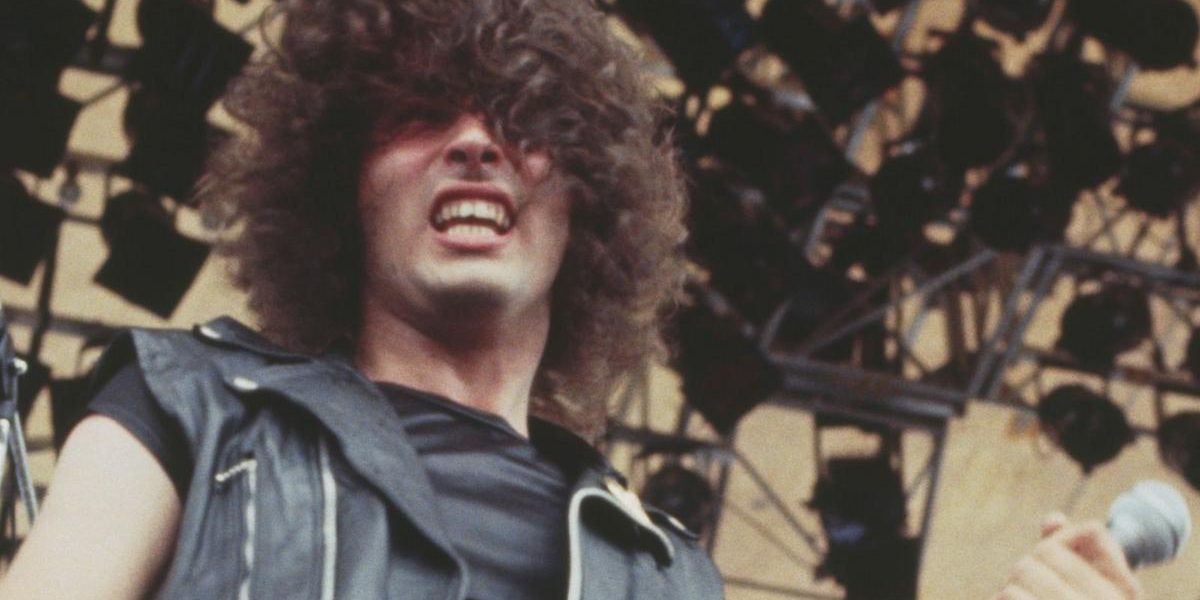

It is with profound sadness that we announce the passing of Paul Mario Day, the original lead singer of Iron Maiden and the renowned vocalist of the influential New Wave of British Heavy Metal band More. He left us at the age of 69, leaving behind a legacy that will forever resonate in the world of rock music.
In a heartfelt Facebook statement, More expressed their sorrow, stating, “We are deeply saddened to learn of the passing of the great More vocalist Paul Mario Day. Paul was a huge part of the NWOBHM from his time in an early version of Iron Maiden, and of course, his fantastic performance on the Warhead album.”
Day was a beloved figure within the British rock scene, known for his unforgettable performances, including the iconic 1981 Monsters of Rock festival at Castle Donington, where he shared the stage with legends such as AC/DC and Whitesnake featuring David Coverdale. He also toured with the likes of Iron Maiden, Def Leppard, and many other rock titans.
The band further honored Day, sharing, “Mike Freeland remembers him fondly as a ‘bloody great vocalist!’ It’s an honor for us to continue to play his music, and we will always think of him every time we hit the opening notes to ‘Warhead.’ Our deepest condolences go out to Paul’s family, friends, and the countless fans around the world who cherish his music. Play his music loud and sing along! Thank you.”
Exploring the Life and Musical Journey of Paul Mario Day
Paul Mario Day was born on April 19, 1956, and he became the first lead vocalist for the legendary band Iron Maiden, joining them in December 1975 at the tender age of 19. His time with the band, however, was brief, as he was replaced by Dennis Wilcock in October 1976, just under a year after joining.
In 1980, Day founded the band More, which quickly made waves in the heavy metal scene. The group released its debut album, Warhead, in 1981, showcasing Day’s powerful vocals. Unfortunately, he departed from the band before they could launch their second and final album, 1982’s Blood & Thunder.
After his time with More, Day briefly led the band Wildfire from 1983 to 1984. In 1985, he joined a reformed version of Sweet, collaborating with guitarist Andy Scott and drummer Mick Tucker, contributing his vocal talents to their 1986 album, Live at the Marquee.
Scott paid tribute to Day via Sweet’s social media, reflecting on their time together. “In 1985, Mick Tucker and I put together the first new line-up of Sweet after the hiatus of the original band,” he recalled. “We needed a singer, and when Paul arrived for the audition, we looked no further. Our first dates were in Australia, total sell-outs that boded well for the future. Europe followed suit, and three sold-out nights at the Marquee in London produced a live album, video, and DVD. Live at the Marquee did well in various charts worldwide, and Paul’s vocal performance has stood the test of time.”
Paul Mario Day’s Reflections on His Time with Iron Maiden
In a reflective interview in 2019 with the Danish webzine Power of Metal (via Blabbermouth), Day looked back on his brief time with Iron Maiden, stating, “I never really was in a band; I just worked with guitar players in bedrooms, learning and experimenting, because I wasn’t really a singer. I just felt I could sing.”
He recounted how he approached bassist Steve Harris, saying, “‘I think I’m a singer. Could I join your band?’ He responded, ‘No.’ I accepted that and returned to my work. A few days later, Steve contacted me, saying, ‘I couldn’t say anything because the singer was with me of the band.’ He expressed interest and invited me to audition. They liked me, and I immediately began singing some of Steve’s earlier compositions, which were from his previous band. I seemed to fit in, and we started rehearsing together as new songs were being crafted.”
Ultimately, Iron Maiden parted ways with Day due to concerns about his stage presence. “Steve told me, ‘You’ve got to get better. You’ve got to be more in the audience’s face. You’ve got to be commanding. You’ve got to be a hero.’ I agreed, but I didn’t know how to achieve that,” Day recalled.
He shared that he received warnings over a three-month period, with messages to ‘get it together.’ Day wanted to improve but struggled to know how. He reflected, “The worst experience became the best lesson. When I received that notice, I felt devastated, but it changed me. Despite the pain, I learned a significant lesson that day. I channeled that emotion into my singing.”
Discovering Each Iron Maiden Member’s Songwriting Contributions
Explore the intricate breakdown of songwriting credits across all members of Iron Maiden.
Gallery Credit: Joe DiVita
Unveiling the 45 Iron Maiden Songs That Have Never Graced the Stage
Discover the lesser-known tracks from Iron Maiden’s extensive catalog that have yet to be performed live.
Gallery Credit: Joe DiVita