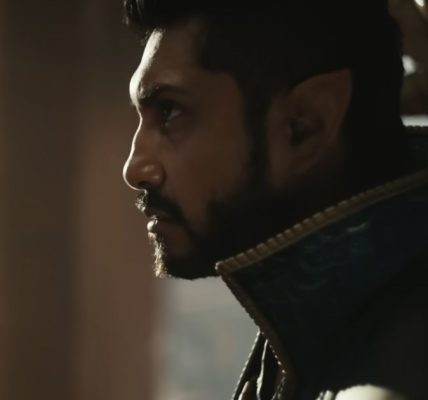

We just learned what the dread of The Dreadful, Sophie Turner’s upcoming horror film, refers to. In a recent Collider interview with the actress, Turner revealed the classic horror masterpiece that The Dreadful is based on, and it’s not at all what you’d expect would inspire a haunted British period piece.
“What can I tease?” says Turner. “Well, I mean, I can tell you that it’s based on the Onibaba, which is an amazing film from… I don’t even know what year it’s from, but it is loosely based around that. I would say it’s a bit like The Green Knight. It’s very kind of supernatural and weird and really scary.”
Onibaba, literally “demon hag,” is a 1964 Japanese film based on a centuries-old legend. In Onibaba’s case, it’s a Shin Buddhist legend of a cursed hannya mask. In the original legend, a mother-in-law, angry that her daughter-in-law visits the temple to pray every night instead of doing chores, tries scaring the younger woman into staying home by jumping out of the bushes wearing a demonic mask. Buddha punishes the mother-in-law for her impiety by gluing the mask to her face. The mother-in-law recants and prays to Buddha to let her remove the mask. Buddha seems to answer her prayer, but when she takes off the mask, her face’s flesh comes off with it. Onibaba takes that tale and spins it into a harrowing tale of lust and betrayal.
‘The Dreadful’ Is a New Take on ‘Onibaba’s Old Tale
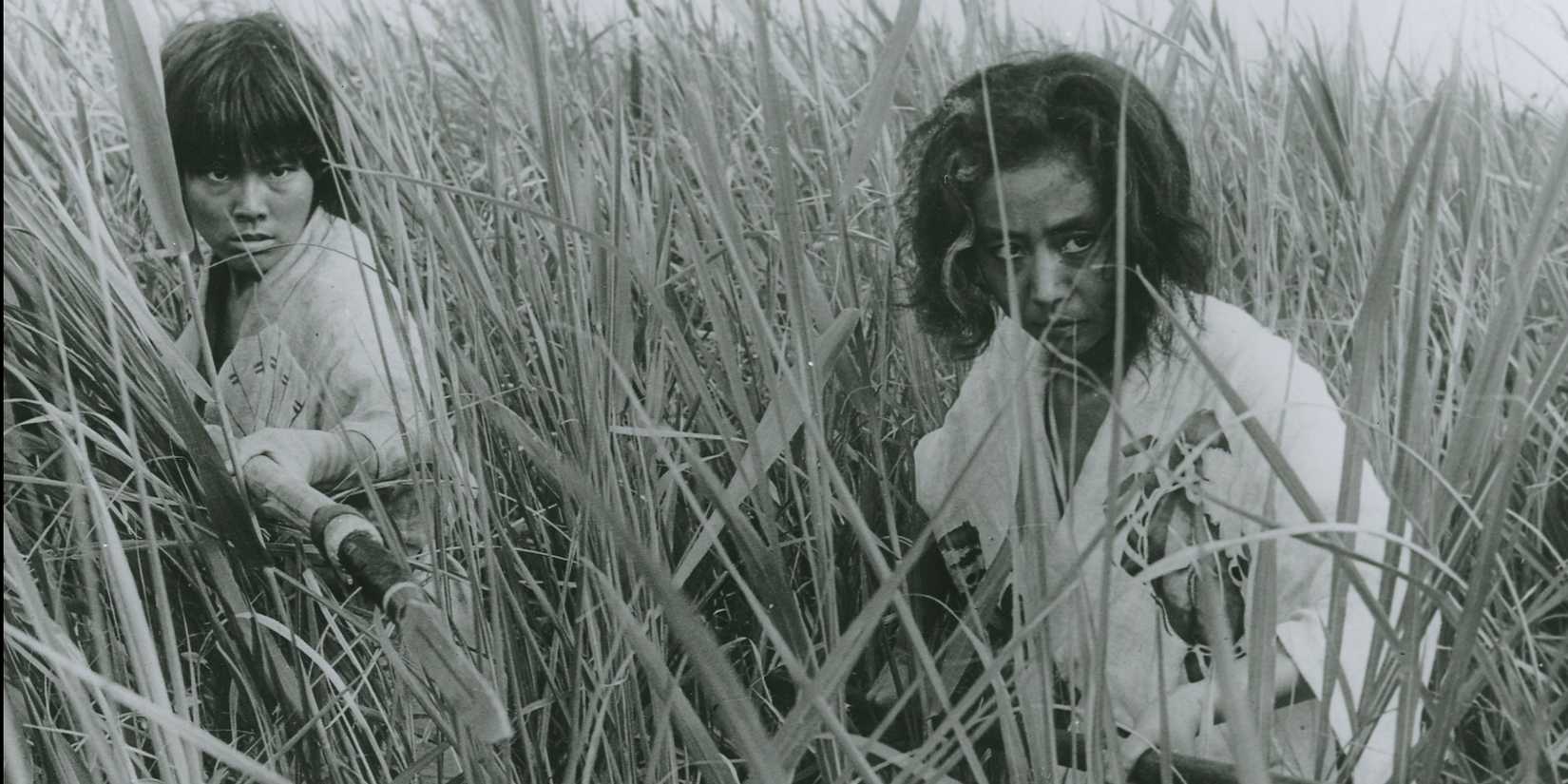
Onibaba resets the tale to war-torn 14th century Japan, in a rural marsh outside Kyoto. With all the men conscripted, crops rot and food is scarce. The film’s unnamed mother and daughter-in-law ambush and kill passing soldiers, stripping the men’s bodies and selling their clothes and armor for food. They dump their corpses in a deep, dark hole hidden amid the tall marsh grasses. One night, their neighbor Hachi, who left for war with the women’s husband and son Kishi, reappears alone. Kishi’s fate and Hachi’s return upend the women’s bleak existence.
What little that’s been teased of The Dreadful so far sounds nearly identical to Onibaba. Set in the 15th century during the War of the Roses, the story follows an older mother-in-law Morwen (Marcia Gay Harden) and her young daughter-in-law Anne (Turner) living desperately on the outskirts of society along the coast. When Jago (Kit Harington), a “man from their past” whose relationship to the women remains unspecified, returns, he upends their lives.
Turner and Harington reunite in The Dreadful for the first time since Game of Thrones, this time as lovers in what Turner describes as a “gothic romance.” Gothic tales invoke the eerie and grotesque, aligning with Onibaba’s stark, animalistic atmosphere but downplaying humanity. It remains to be seen how closely Harington’s Jago will resemble Hachi’s sly, carnal survivor. Interestingly, in a recent Collider interview, Harington said he’s not looking to play good guys for a while. “When you spend that many years in a heroic role, the natural pushback creatively is gonna be not wanting to do those kinds of parts,” he said. “You have some work to do to shift the dial a bit the other way and show your range.” We’ll see how far Harington wants to shift that dial as his counterpoint Hachi is blunt and unapologetic about staying alive, whatever it takes. Devouring the women’s food while they question his return, Hachi explains his strange outfit came from a priest he killed on the way back home. “People trust priests. It makes it easier to get around.”
There’s No Time for Love in ‘Onibaba’
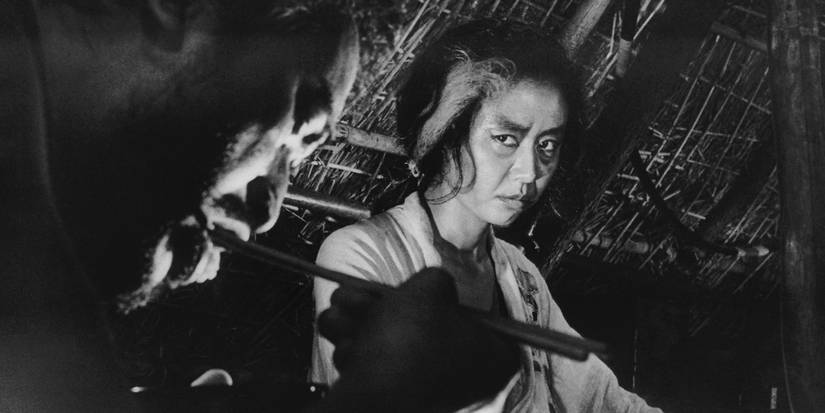
As for romance, gothic or otherwise, Onibaba has none. Instead of the original tale’s religious temple, the daughter-in-law runs to sleep with Hachi every night, their relationship one of pure lust, though Hachi does chide her for feeling afraid when running through the tall grass at night to reach him. Onibaba‘s director Kaneto Shindo said his film’s sexual focus was “nothing but the expression of the vitality of man, his urge for survival” in an otherwise barren world, and the mother-in-law’s desire is just as much about survival as sexuality. If Hachi succeeds in luring away her daughter-in-law, she’ll be left alone to starve or killed to get her out of the way yet her attempt to seduce Hachi is as much about her own needs as it is undermining his and the daughter-in-law’s alliance. Spying on the young lovers, her intense physical reaction reveals her sexual longing but when she offers to sleep with him, Hachi says she’s too old. Actress Nobuko Otowa, who plays the mother-in-law, was 39 when the film was made, 20 years older than Jitsuko Yoshimura, who plays the daughter-in-law. The age gap is slightly greater in The Dreadful, with Harden and Turner being 37 years apart but hopefully The Dreadful echoes Onibaba in demonstrating that libido doesn’t vanish with a specific decade of life—it just recedes when survival becomes the focus.
When the mother-in-law’s sexual offer is rebuffed, in comes the hannya mask stolen from a murdered samurai who claimed his face was too beautiful to take it off. On paper, the talk between the samurai and mother-in-law might read as wistful or flirtatious with her asking to see his handsome face and him saying she’d feel faint if she did. In the film it’s less longing and more confrontation—a challenge on her part telling him “I’ve never seen anything really beautiful since the day I was born.” Claiming he wore the mask for vanity then intimidation she calls both his bluffs. He angrily tells her his face isn’t for peasants and she feels no compunction in leading him to his death.
‘Onibaba’ Is a Ghost Story With No Ghosts

Thehannyamask represents a very specific Noh theater character—a jealous woman so consumed with resentment and anger that she turns literally demonic. The intense needs of the mother-in-law in a ruthless burned-out world lead her to put on this mask to frighten her lusty daughter-in-law—making overt a transformation that was already underway. ButOnibaba’s uncanny elements are never explained—merely hinted at—we see skeletons but no ghosts—and there’s never any explanation as to why this mask won’t come off someone or why it was even on this samurai in first place. Hachi tells daughter-in-law there is no Buddha no hell no demons.Onibaba is a world of human horrors and appetites. In contrast,Zygi Kamasaof True Brit Entertainment—the company producingThe Dreadfulsaid in Deadline interview that this film has ghosts and is straight horror throughout—suggesting far stronger supernatural emphasis.
Even if plot beats are nearly identical,The Dreadfulwon’t exactly followOnibaba’s twisted tale of two women’s desire desperation set off by one man.At endOnibabawhen mother-in-law repeatedly screams terrified daughter-in-law she’s human—the real horror is that she’s right—the irony of physical marring terrifying young woman who along with everyone else film casually murders others—is humanity’s baseness underlined.The Dreadfulis expected release dark wintry months late 2025.
By leaning more into gothic supernatural,The Dreadfulfocus might be less on human condition more straightforward jealousy making even few ghosts less frightening thanOnibaba‘s conclusion.