

Jimmy Kimmel’s emotional return to <em>Jimmy Kimmel Live!</em> has become the most-watched monologue of his career, reaching tens of millions of viewers across TV, YouTube, and social media, despite being preempted in more than 20 percent of U.S. households. The episode, his first since being suspended under Trump administration pressure, wasn’t just about ratings. It was a test of how far audiences will go when institutions clamp down on a voice they want to hear — and a cultural moment that placed Kimmel at the center of a national conversation on free speech.
Jimmy Kimmel’s Return Monologue Breaks Records After ‘Live!’ Suspension
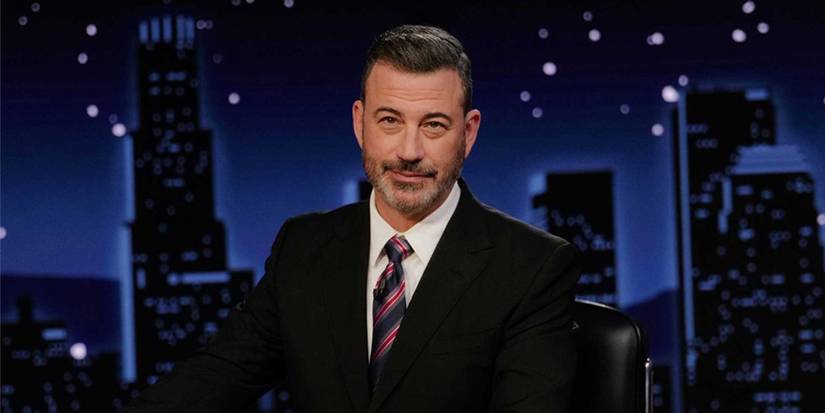
Image via Disney, ABC
Kimmel’s return episode drew 6.3 million viewers on broadcast, more than triple Kimmel’s average, even without Nexstar and Sinclair affiliates airing the show. On YouTube, his nearly 30-minute monologue garnered over 15 million views within hours, averaging approximately a million views per hour. For ABC, these numbers made it the highest-rated regularly scheduled episode of Jimmy Kimmel Live!<em> </em>in more than a decade. For Kimmel, it was vindication after a suspension that raised alarms about political pressure on broadcasters.
Kimmel acknowledged his own missteps in the emotional monologue — clarifying remarks he made about Charlie Kirk and getting choked up in the process — but he also turned defiant, blasting President Donald Trump and the FCC for threats to silence him. “A government threat to silence a comedian the president doesn’t like is anti-American,” he said, crediting supporters across the political spectrum who defended his right to speak. The moment cemented his status as a champion of the First Amendment, with crowds outside his Hollywood studio cheering his return.
Why Jimmy Kimmel’s Emotional Moments Break Through to Audiences
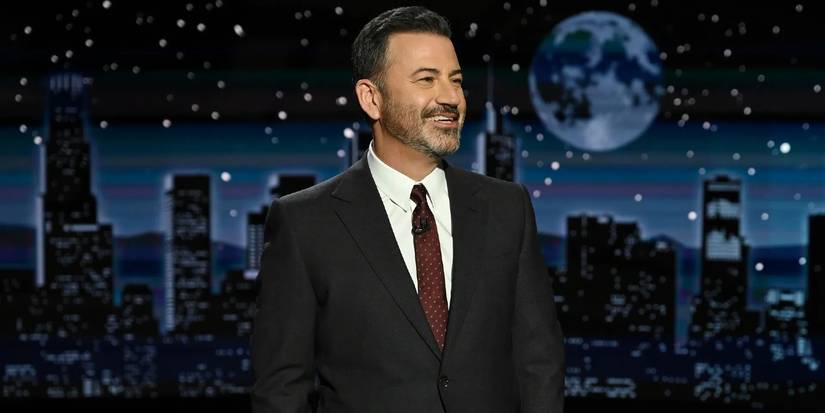
What made the record viewership more significant was that a full national rollout didn’t inflate it. With affiliates representing nearly a quarter of U.S. TV households boycotting his show, curious audiences sought Kimmel out online — making the numbers more earned than manufactured. The blackout created the exact opposite of its intended effect, amplifying Kimmel and his show.
This is not the first time a Kimmel monologue has transcended late-night comedy. His 2017 segment about his son Billy’s congenital heart condition drew national attention and millions of views, helping spotlight the Children’s Health Insurance Program (CHIP). That broadcast, filled with tears and a plea for bipartisan action, had long stood as Kimmel’s most-watched opening until this month. The common thread is clear: Audiences respond to Kimmel most when he steps outside of pure comedy and speaks to stakes larger than entertainment.
Late-night television has often doubled as a cultural mirror, but rarely has it carried this level of political weight. Kimmel’s suspension and return unfolded not just as show business drama but as a referendum on whether comedians and broadcasters can withstand direct government pressure. The flood of viewers suggests that audiences, at least this time, chose the side of free expression.
Jimmy Kimmel Live! airs weeknights on ABC at 11:35 p.m. EST.