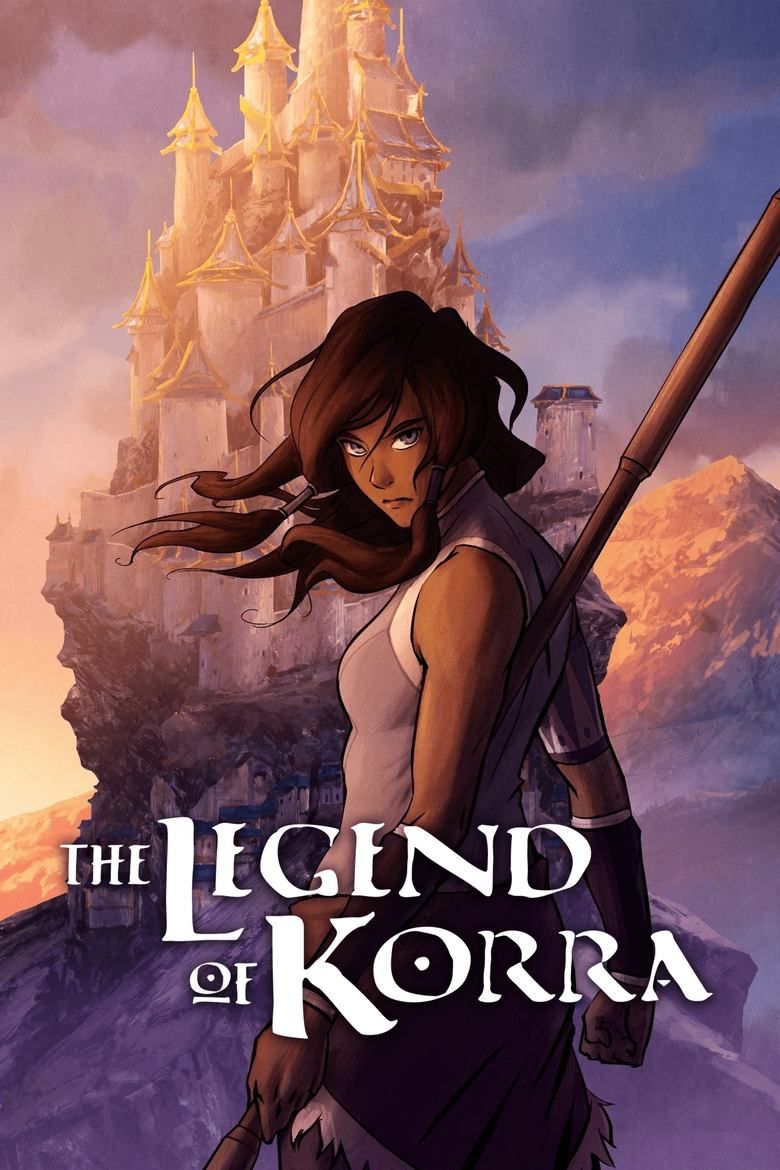
In the wake of the cultural sensation that was Avatar: The Last Airbender, the sequel series, <em>The Legend of Korra</em>, was tasked with the monumental challenge of living up to its predecessor’s legacy. With the original creators, Michael Dante DiMartino and Bryan Konietzko, back at the helm, fan expectations soared to unprecedented heights. Fortunately, for many, the series delivered, providing a new landscape, a different Avatar, and exploring more mature themes which successfully breathed new life into the franchise while still honoring the elements that made the original series beloved.
Despite achieving an impressive 89% rating on Rotten Tomatoes and fostering a fiercely dedicated fanbase, The Legend of Korra often found itself overshadowed by The Last Airbender. While it enriched the Avatar universe through significant advancements in technology, politics, and spirituality, it struggled with the same timeless appeal that defined its predecessor. Its most outstanding sequences showcased brilliance, yet the series’ shortcomings became more apparent in comparison to the seamless storytelling of The Last Airbender.
In the end, The Legend of Korra almost reached the pinnacle of perfection, yet a few notable missteps hindered its overall success. Though the animation quality, musical score, and action sequences were often extraordinary, certain flaws in narrative structure and character development resulted in an inconsistent viewing experience. When placed alongside the near-flawless execution of The Last Airbender, these discrepancies became even more pronounced.
Why The Legend Of Korra Almost Achieved Perfection But Didn’t Quite Make It
Identifying The Flaws That Prevented The Series From Matching Its Predecessor’s Excellence
The sheer brilliance of The Legend of Korra cannot be overstated, especially during its most engaging moments. The intense bending battles were nothing short of breathtaking, showcasing a significant evolution in animation from The Last Airbender. The world inhabited by the Avatar felt larger and more intricate than ever, presenting a complex tapestry of cultures and ideologies. However, even amidst the stunning visuals and polished execution, the series revealed some narrative flaws that detracted from its overall impact.
One of the most significant challenges faced by The Legend of Korra was its inconsistent tone. Unlike The Last Airbender, which expertly balanced humor, action, and emotional depth, The Legend of Korra often struggled to find its unique voice. In one episode, the series might delve into profound sociopolitical themes such as revolution and oppression, while in another, it could abruptly shift to awkward romantic subplots or comedic interludes that undermined the tension. This inconsistency frequently dulled the emotional impact of critical story developments.
The pacing of storylines also presented a challenge. While The Last Airbender enjoyed the advantage of three tightly connected seasons, each with a singular, formidable villain in Fire Lord Ozai (voiced by Mark Hamill), The Legend of Korra reset its main antagonist every season. This structural choice deprived the series of the slow-burn storytelling that had resonated so well with audiences previously. Characters such as Amon (voiced by Steve Blum) and Zaheer (voiced by Henry Rollins) were undeniably compelling, yet their story arcs often felt hurried, lacking the depth they deserved.
Perhaps most critically, The Legend of Korra placed considerably less emphasis on character development compared to its predecessor. Although Korra (voiced by Janet Varney) experienced significant growth throughout the series, many supporting characters were frequently relegated to the role of plot devices or comic relief. In contrast, The Last Airbender ensured that nearly every side character had a meaningful arc, giving their journeys emotional weight. As a result, Korra’s world sometimes felt emotionally underdeveloped.
This is not to imply that The Legend of Korra lacked emotional depth; rather, it often came in fleeting moments rather than sustained waves. With just a bit more tonal clarity, improved pacing, and deeper exploration of its ensemble cast, The Legend of Korra could have matched or even surpassed its predecessor’s legacy.
How The Absence Of An Overarching Narrative Hindered The Series’ Potential
Why The Lack Of A Long-Term Narrative Diminished The Show’s Overall Impact
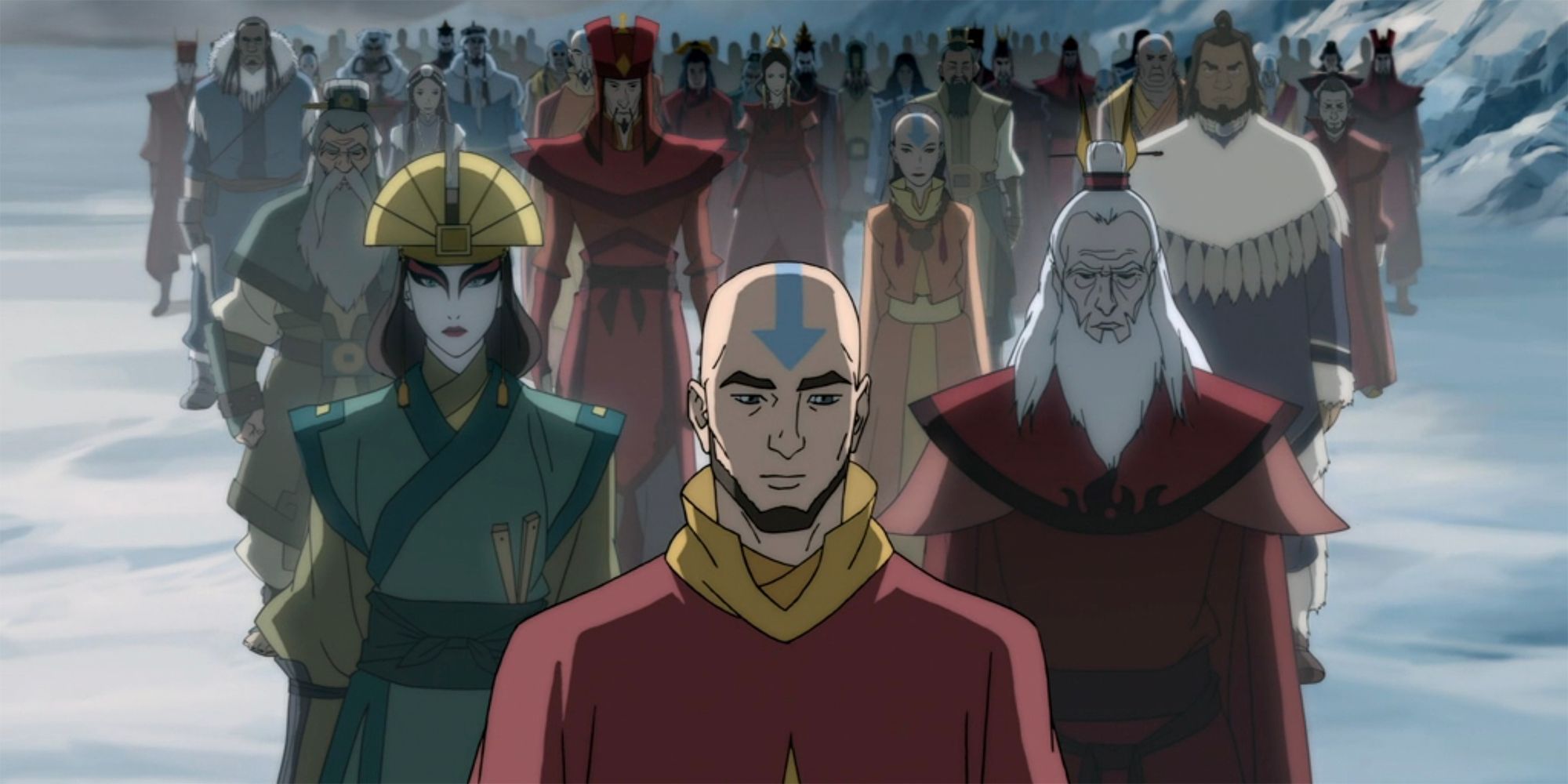
What made Avatar: The Last Airbender so impactful and memorable was its masterful story structure. From the very first episode, “The Boy in the Iceberg,” to the climactic finale, “Sozin’s Comet,” Aang’s (voiced by Zach Tyler Eisen) journey was marked by a clear beginning, middle, and end. Each season built seamlessly upon the last, with every subplot contributing to a larger narrative arc. In stark contrast, The Legend of Korra appeared more fragmented, suffering from this lack of cohesion.
Each season of TLOK introduced fresh villains and crises. For instance, Season 1 revolved around the Equalist uprising, Season 2 delved into the spirit world conflict, Season 3 focused on anarchist revolts, and Season 4 showcased an authoritarian regime. While this approach allowed the series to explore diverse themes—ranging from class struggle to spiritual equilibrium—it ultimately resulted in a disjointed feel. The absence of a solid connective thread binding the series together diminished its overall narrative impact.
This fragmentation made achieving emotional payoff significantly more challenging. When Korra finally confronted Kuvira (voiced by Zelda Williams), the moment lacked the cathartic resonance of Aang’s epic battle against Ozai. The absence of a gradual buildup and long-term investment in character arcs left viewers feeling adrift. Each season required the audience to reorient themselves instead of enjoying a continuous build-up across episodes.
The changing nature of antagonists also limited the potential for developing rivalries or exploring philosophical conflicts in-depth. While Zaheer was indeed a compelling villain with multifaceted motives, his presence was too fleeting to leave a lasting impact comparable to Zuko (voiced by Dante Basco), whose redemption arc unfolded gradually and meaningfully over the course of three seasons.
The choice to forgo an overarching plot was not inherently flawed; rather, it was a creative decision that ultimately rendered The Legend of Korra feel more like a series of loosely connected miniseries than a cohesive, epic saga. In a universe where The Last Airbender set the standard for serialized storytelling, this choice ultimately held the sequel back.
Exploring The Perfect Episodes And Seasons Of The Legend Of Korra, Despite A Lack Of Overall Perfection
Examining The Incredible Highs Balanced By Frustrating Lows Throughout The Series
While it is accurate to say that The Legend of Korra is not a flawless series, it would be a disservice to overlook the exceptional quality of certain individual moments and entire seasons. Season 3, in particular, is frequently regarded as the pinnacle of the series, celebrated for its cohesive narrative structure, mature themes, and the introduction of the Red Lotus.
The antagonists in TLOK Season 3 were not only menacing but also philosophically intriguing. Characters like Zaheer and his team challenged the very essence of the Avatar’s role, compelling Korra to grapple with concepts of freedom, order, and balance in ways that Aang never encountered. The season finale delivered an emotionally devastating and visually stunning experience, pushing Korra to her limits both physically and psychologically.
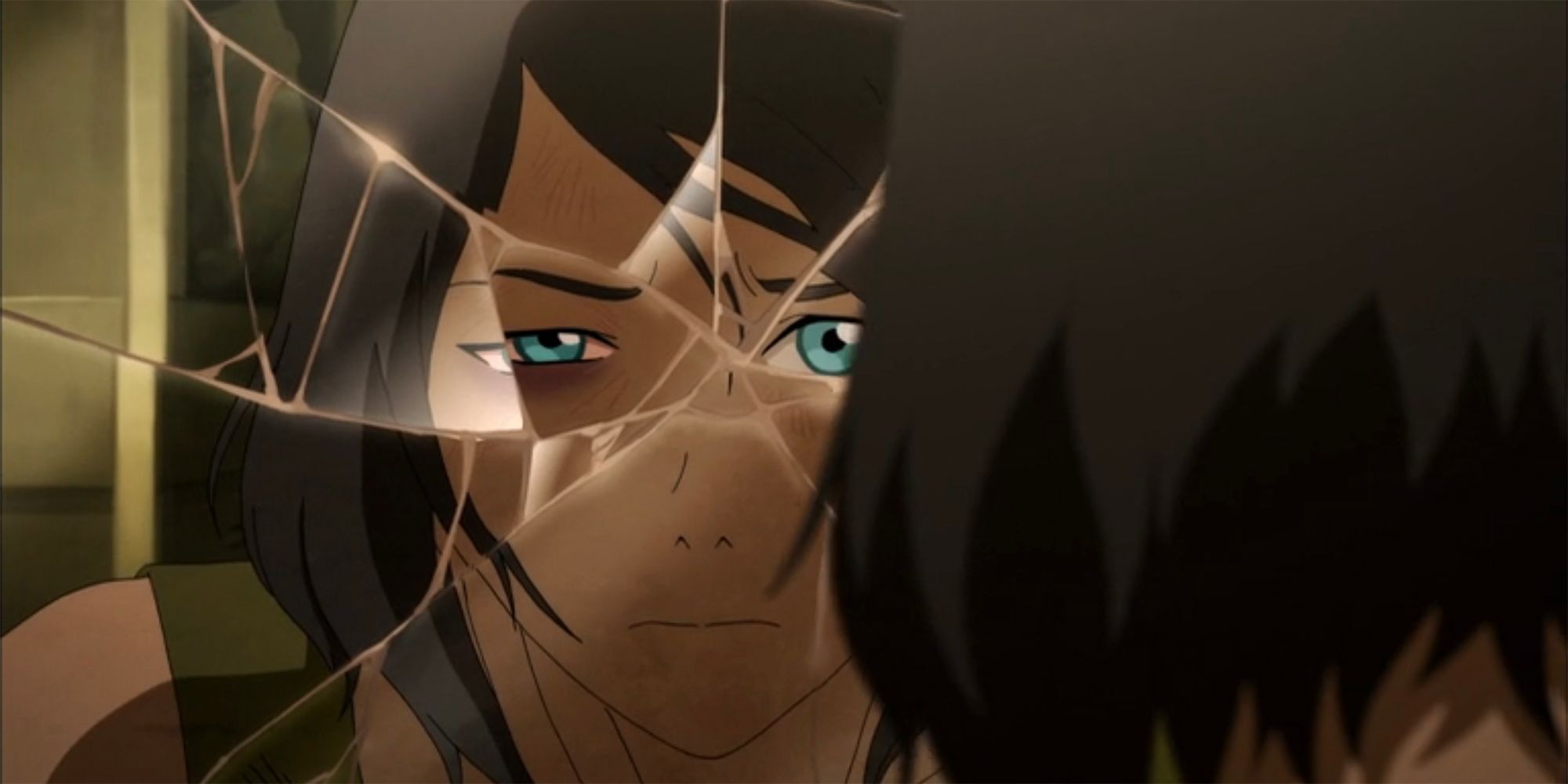
Episodes like the Season 4 installment “Korra Alone” stand as testaments to the series’ storytelling prowess. This particular episode delves into Korra’s struggle with PTSD following her confrontations with Zaheer, becoming one of the most powerful and introspective narratives within the entire franchise. It serves as a haunting character study that demonstrates how The Legend of Korra could achieve narrative brilliance.
However, these high points were not consistently maintained. Season 2, for example, was notoriously uneven, with episodes like “Peacekeepers” exemplifying a lack of clarity due to an overload of political intrigue, romantic subplots, and vague stakes. This tonal confusion and convoluted plot lines rendered it one of the weakest episodes in the series.
This inconsistency is the primary reason The Legend of Korra falls short of achieving a perfect 10/10 rating. For every standout moment like “Venom of the Red Lotus” or “Korra Alone,” there existed an episode that felt like filler or failed to build upon previous developments. The series showcased a spectrum of extremes—brilliant highs juxtaposed with frustrating lows.
Key Lessons The Next Last Airbender Sequel Series Can Learn From TLOK’s Challenges
How Avatar: Seven Havens Can Thrive By Prioritizing Story And Character Development
With the upcoming release of Avatar: Seven Havens, the franchise stands poised to create another landmark series. In order to honor the legacy of The Last Airbender and potentially even surpass The Legend of Korra, the new series must embrace several crucial lessons learned from its predecessor.
Chief among these lessons is the importance of narrative cohesion. The Last Airbender excelled due to its ability to tell a complete, deliberate story from start to finish. If Seven Havens aims to resonate deeply with audiences, it must implement a clear, overarching narrative arc that spans the entire season, along with a compelling emotional throughline. Additionally, introducing a well-developed villain early on and allowing their character to evolve over time would help establish the stakes effectively.
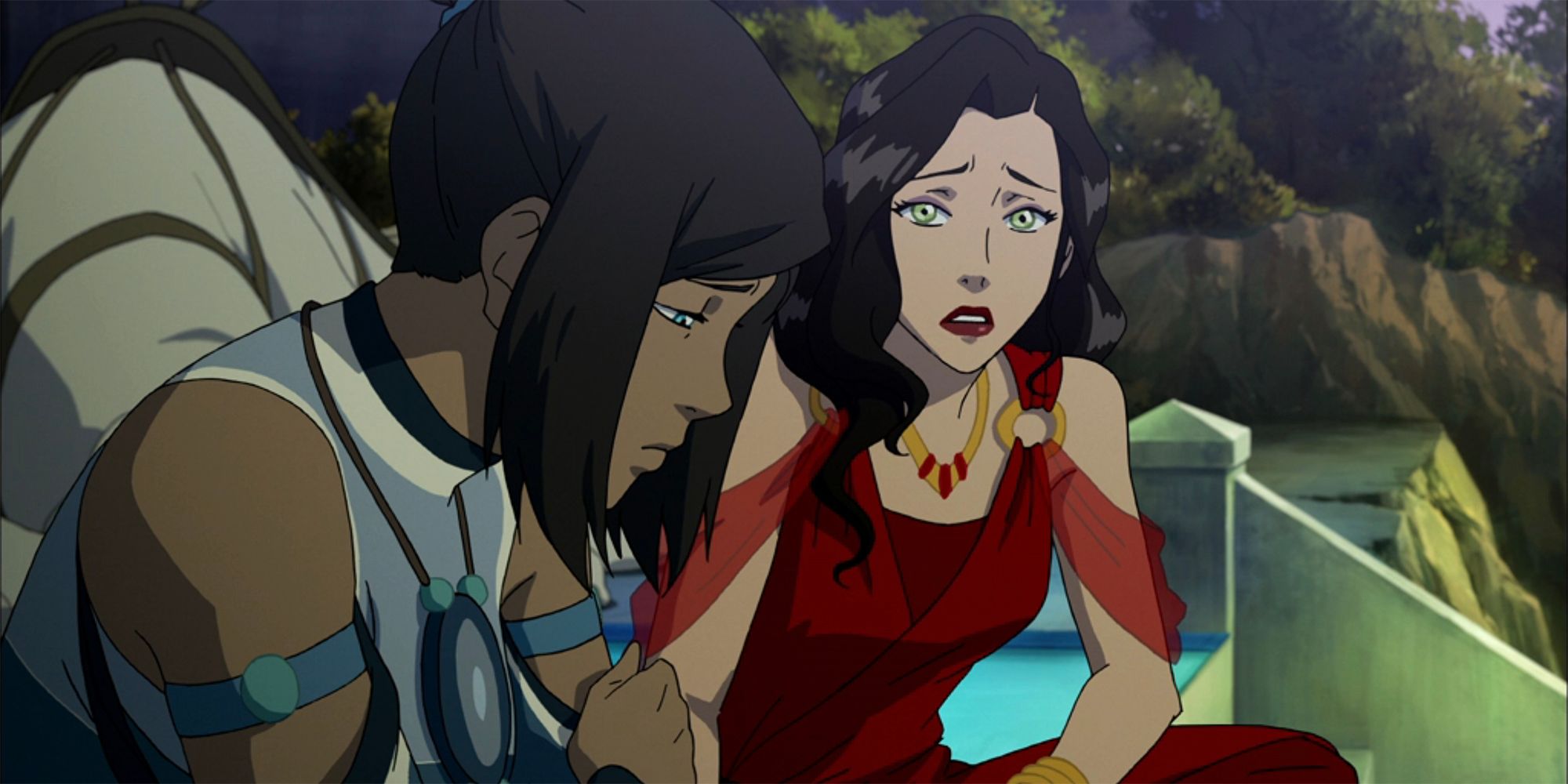
Character development must also be prioritized. One of the missteps of The Legend of Korra was the sidelining of key characters like Asami (voiced by Seychelle Gabriel) and Mako in later seasons. In Seven Havens, it is essential to treat the ensemble cast with care, providing each character the opportunity to grow and evolve in meaningful ways. Audiences form connections through relatable characters, not solely through plot developments.
There’s a chance to build something even better – an Avatar story that carries the legacy forward while learning from the past.
Another crucial aspect to consider is maintaining a consistent tone. If the show intends to explore heavier themes, much like Korra did, it must commit fully to these themes. Maturity does not need to come at the cost of humor, but a careful balance must be achieved. The Last Airbender managed this beautifully, and Seven Havens should aspire to replicate that success.
The Legend of Korra laid vital groundwork for the future of the Avatar universe, and this should never be overlooked. Now, there exists an opportunity to craft an even more remarkable tale—an Avatar narrative that advances the legacy while absorbing lessons from the past. If Avatar: Seven Havens focuses on story, character, and emotional depth, it may very well achieve that elusive 10/10 rating.