Key Takeaways
- Korean skincare is a trend that has become mainstream and is here to stay.
- Core philosophy focuses on understanding skin, hydration, and maintaining a strong barrier.
- Effective routines include plant-derived essences and double cleansing techniques.
- Must-have products for achieving the glass skin glow are available, often on sale.
Korean skincare has officially crossed over from our wish lists to our reality, and it’s not going anywhere.
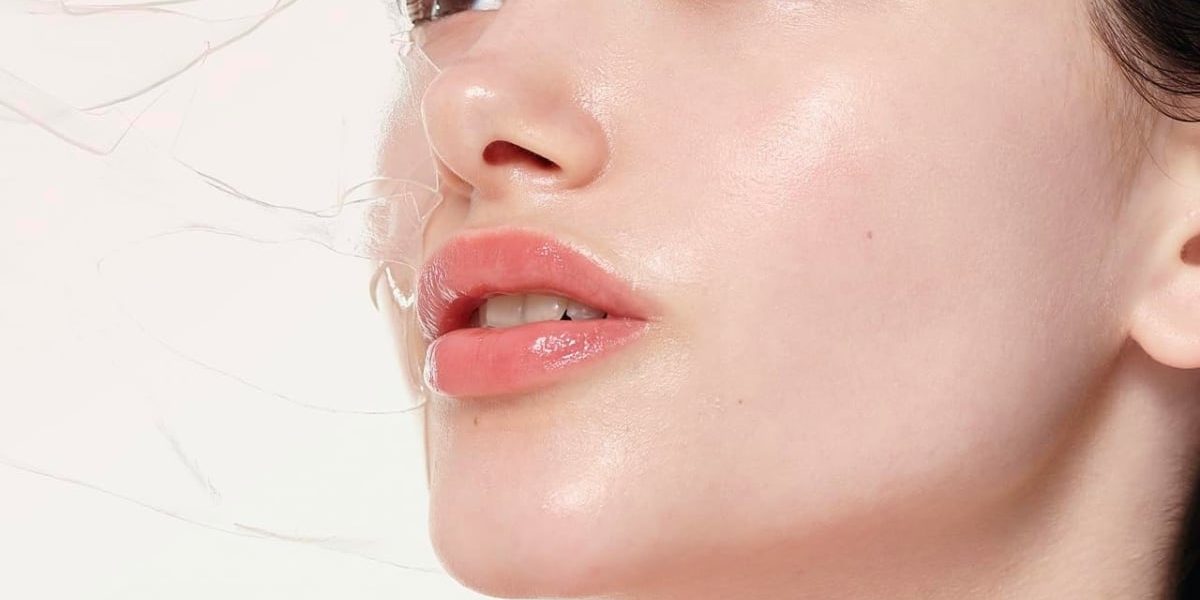
Buzzy milky toners, jelly-like masks, and snail mucin serums are making skin everywhere look like it’s been kissed by light (hello, glass-like, shining, smooth skin).
But K-beauty isn’t just a list of products; it’s a philosophy. It’s about understanding your skin, emphasizing hydration, and creating rituals that keep your barrier strong and balanced.
From plant-derived essences that promote long-term health to double cleansing techniques that leave your skin squeaky clean but never tight, it’s all about routines that work. As wellness-focused beauty trends continue to dominate, K-beauty has become a go-to for anyone who cares about skin that’s healthy, glowing, and actually happy.
We’ve curated the must-have products to help you achieve that glass skin glow. And bonus, many of them are on sale, so your skincare splurge is guilt-free.