
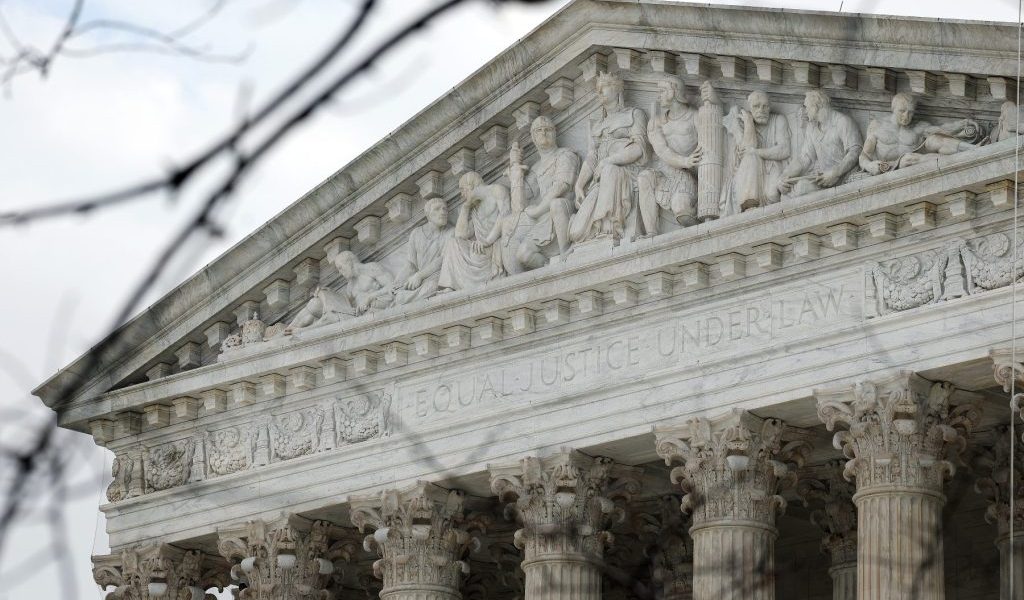
Key Takeaways
- Supreme Court Ruling: The U.S. Supreme Court dismissed a billion-dollar lawsuit against Cox Communications, stating the ISP is not liable for user infringement.
- Unanimous Decision: Justices unanimously overturned a previous ruling that held Cox responsible for illegal music sharing.
- Legal Precedent: The ruling clarifies that ISPs are not liable for copyright infringement unless they intend for their service to be used for such purposes.
- Cox’s Defense: Cox argued that the lawsuit threatened internet access for millions by forcing ISPs to terminate users to avoid legal repercussions.
The U.S. Supreme Court on Wednesday (March 25) rejected a billion-dollar music piracy lawsuit filed by the major labels against telecom giant Cox Communications, ruling that the internet service provider cannot be held responsible for infringement by its users.
Related

In a decision against Universal Music Group, Sony Music Entertainment and Warner Music, the justices unanimously overturned an earlier ruling that held Cox liable for thousands of songs illegally shared by its users — a decision that led to a staggering $1 billion infringement verdict in 2019.
“Countless people use the Internet for legal activities, but some use it to illegally share copyrighted works, such as songs and movies,” Justice Clarence Thomas wrote for the court. “Under our precedents, a company is not liable as a copyright infringer for merely providing a service to the general public with knowledge that it will be used by some to infringe copyrights.”
UMG, Sony and WMG teamed up to sue Cox in 2018, claiming the internet provider itself was legally responsible for enabling the digital sins of its users. The labels claimed Cox had received hundreds of thousands of notices about piracy but had never permanently terminated a single subscriber accused of stealing music.
In December 2019, a jury issued a verdict holding Cox liable for helping users infringe more than 10,000 songs, awarding the labels more than $99,000 per song — adding up to a whopping $1 billion fine.
Related

Before the Supreme Court, Cox argued the case “jeopardizes internet access for millions of users” by forcing ISPs to terminate users rather than risk billions in legal damages. The labels argued such fears were overblown and designed to distract from the facts of the case: “Cox made a deliberate and egregious decision to elevate its own profits over compliance with the law,” they claimed.
But in Wednesday’s ruling, the justices sided with Cox — ruling that an ISP can only be held responsible “if it intended that the provided service be used for infringement” and not merely if it was aware of certain bad actors.
“Cox neither induced its users’ infringement nor provided a service tailored to infringement,” the court wrote. “Accordingly, Cox is not contributorily liable for the infringement of Sony’s copyrights.”