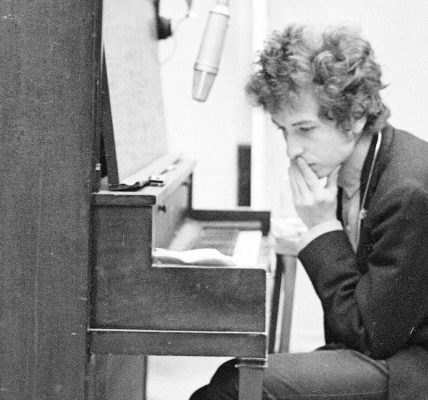
The Beatles are renowned for being one of the few iconic bands that maintained their original lineup throughout their career. This unique aspect makes it quite challenging to imagine anyone stepping into the shoes of a member of the Fab Four. This reality partly explains why Paul McCartney declined the offer made by Keith Moon, the drummer of The Who, who wished to take over Ringo Starr’s position in the band. It is clear that there is no Beatles without Starr, as his role was integral to their sound.
What prompted Moon’s desire to join The Beatles as their drummer is not rooted in jealousy but stems from a deep-seated admiration for the band. Moon had long been a devoted fan, a personal friend, and even an occasional collaborator, lending his vocals to their iconic song “All You Need Is Love” prior to The Beatles’ breakup. Despite Moon’s legendary status and vital contributions to rock music, he would have never truly fit into the dynamic of The Beatles.
What Influenced Keith Moon’s Desire to Join The Beatles?
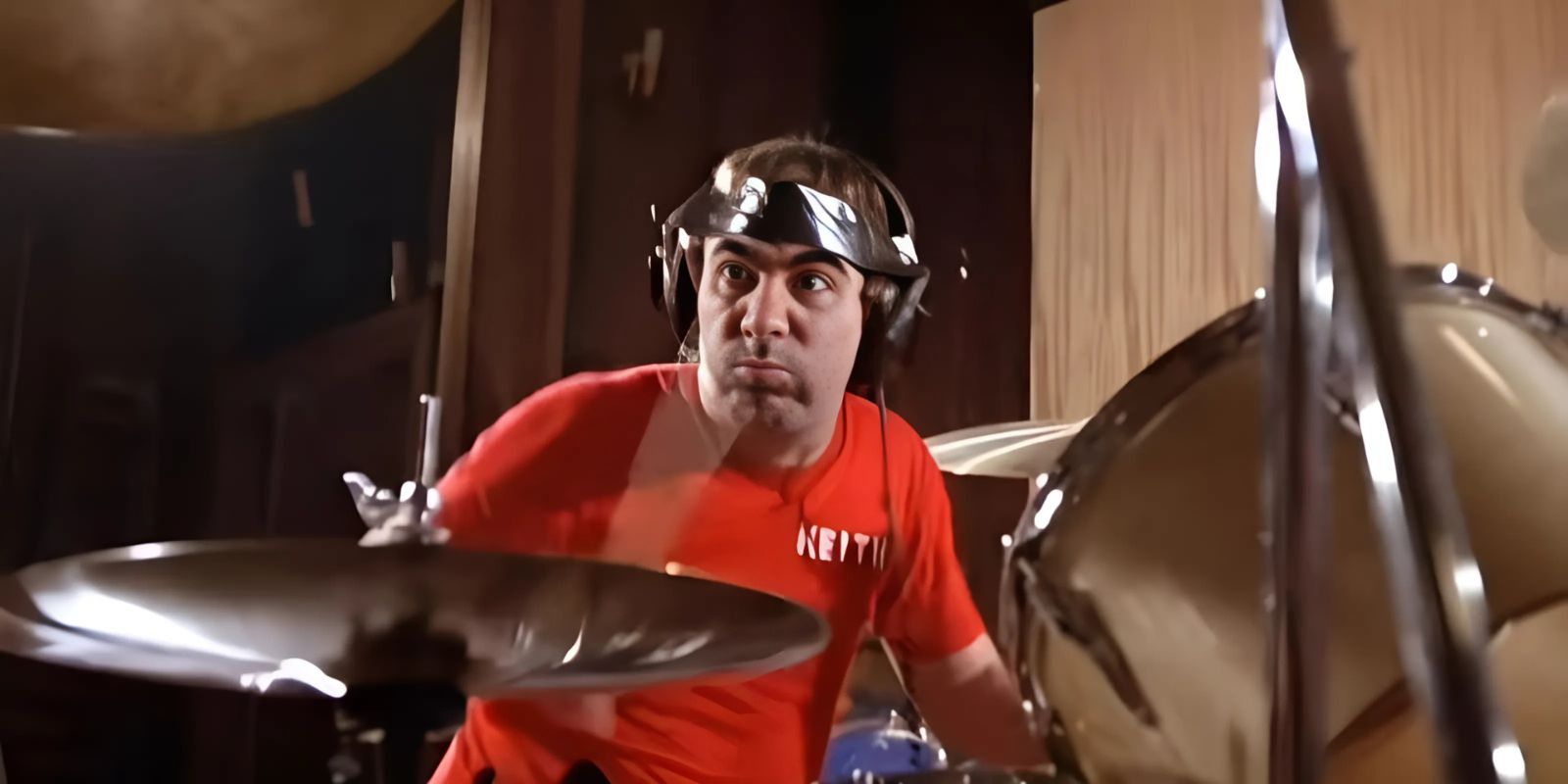
The Beatles and The Who shared a friendly rivalry, drawing comparisons from enthusiastic music fans. Both bands experienced meteoric rises to fame during the same era, with The Who climbing the charts as Beatlemania swept across England and the globe. However, while The Beatles faced internal tensions, something even more tumultuous was happening within The Who.
Internal discord severely impacted Moon’s relationship with his bandmates, leading to his frustration, particularly after an incident where he famously chased fellow band member Pete Townshend with a knife. Moon’s struggles with substance abuse during his tenure as the drummer contributed to the escalating tensions. This reached a tipping point when Roger Daltrey took drastic action by flushing Moon’s drugs down the toilet, which prompted Moon to actively seek opportunities with other bands.
While The Beatles were one of the bands Moon approached during his search for a new musical home, he also expressed interest in joining The Animals, who ultimately rejected him due to already having a drummer. Additionally, he attempted to form a group with future Led Zeppelin guitarist Jimmy Page and The Who’s bassist John Entwistle, but this endeavor fell through. After establishing a friendship with The Beatles, Moon viewed them as potential bandmates and approached McCartney in 1966 about taking Starr’s place. At that time, the band stood at the pinnacle of their success, making any change in the lineup likely to have significant repercussions for both the group and their dedicated fanbase. The debate remains whether Moon genuinely intended to make a permanent transition.
Why Did Paul McCartney Decline Keith Moon’s Proposal?
When Moon formally approached McCartney about joining The Beatles, McCartney graciously declined, stating that they were not actively seeking a new drummer at that moment. Ringo Starr was the ideal fit for The Beatles, perfectly complementing the band’s sound and aesthetic. Even after he was the first to leave The Beatles, Starr returned to the drum kit, continuing to provide classic rock songs that shaped the genre for their devoted fans. McCartney did suggest that Moon speak directly to Starr regarding the proposal, but whether that conversation ever took place remains uncertain.
Despite the rejection, Moon maintained a strong friendship with the band. He and Starr shared a unique bond as drummers, forming the backbone of their respective bands’ sounds. As noted by Starr’s former fiancée, Nancy Andrews, their friendship was deeply intimate: “His interaction with Ringo was incredibly intimate. I’ve noticed over the years that drummers have a shorthand language, and they don’t need to complete sentences to convey their thoughts. Ringo and Keith could say two or three words to each other, and there would be an instant understanding.” This special camaraderie persisted until Moon’s untimely passing.
Even after facing rejection from both The Animals and The Beatles, Moon remained committed to The Who. He continued to contribute to some of The Who’s most celebrated songs, including “Baba O’Riley” and “Won’t Get Fooled Again,” as the band’s popularity soared. Moon remained the drummer for The Who until his tragic death in September 1978.
How Was Keith Moon Integral to The Who, Much Like Ringo Starr Was to The Beatles?
Although The Who did not always enjoy a harmonious relationship, they consistently came together to produce classic hits. Following Moon’s passing, the band chose to honor his legacy by continuing to perform and create music. Unfortunately, tensions within The Beatles persisted, ultimately leading to their breakup.
As difficult as it may seem to admit, McCartney made a wise decision for numerous reasons. For one, just four years after Moon approached McCartney for Starr’s position, The Beatles reached a critical turning point that resulted in their disbandment. Additionally, The Who and The Beatles exhibited minimal similarities in their musical styles. Moon’s distinctive sound, which set The Who apart from other rock bands, contrasted sharply with The Beatles’ melodic style that captivated millions and defined classic rock, solidifying Starr’s position as one of the most beloved Beatles members. While it is undeniably disappointing that these two legendary bands never collaborated, their divergent musical approaches were likely indicative that it was never meant to be.