View gallery


MacKenzie Scott is not just one of the world’s wealthiest women; she is also transforming the landscape of philanthropy. Since her highly publicized divorce from Jeff Bezos in 2019, she has generously donated over $19 billion to a multitude of organizations focused on critical issues such as racial equity, education, and women’s rights. In a surprising turn of events in 2021, Scott married Seattle science educator Dan Jewett, but this union concluded quietly with a finalized divorce in early 2023. Her commitment to philanthropy remains unwavering, and her actions are reshaping how wealth can be utilized for positive societal change.
Undeterred by personal changes, Scott has ramped up her philanthropic efforts. In late 2024, she announced a significant contribution of over $2 billion in new unrestricted grants, illustrating her innovative approach to charitable giving. Furthermore, she is exploring mission-driven investments that extend beyond traditional nonprofit frameworks. As she continues to revolutionize modern philanthropy, Scott’s bold and rapid-fire approach is establishing a new benchmark for billionaires on how to leverage their wealth for the greater good, inspiring others in the process.
Explore more about the remarkable journey and impact of MacKenzie Scott below, as we delve into her life, achievements, and ongoing contributions to society.
Discover the 25-Year Marriage of MacKenzie Scott and Jeff Bezos
Scott and Bezos shared a marriage lasting 25 years before they publicly announced their divorce in January 2019. In a heartfelt joint statement shared via Bezos’ Twitter account, they expressed: “After a long period of loving exploration and trial separation, we have decided to divorce and continue our shared lives as friends. We feel incredibly lucky to have found each other and deeply grateful for every one of the years we were married. If we had known we would separate after 25 years, we would do it all again.” Their relationship was marked by significant milestones, including the founding of Amazon and the evolution of their family.
The couple first crossed paths in 1992 while working at the New York hedge fund D.E. Shaw, and they married the following year. In 1994, they relocated to Seattle to embark on the ambitious journey of launching Amazon. Their separation drew extensive media attention and speculation, particularly regarding Bezos’ relationship with Lauren Sánchez, which was highly publicized and became a focal point of their divorce narrative.
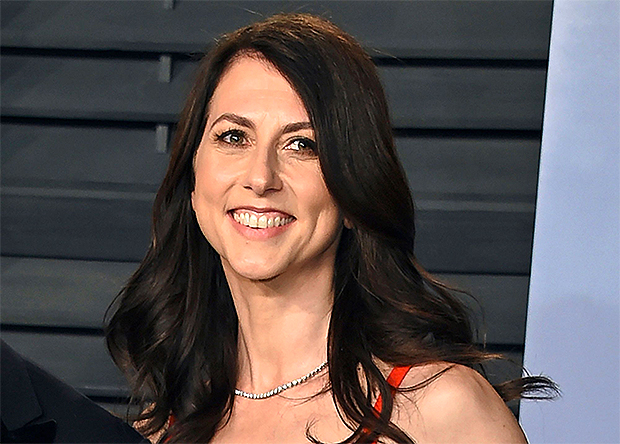
MacKenzie Scott: One of the Wealthiest Women Globally
As of 2025, MacKenzie Scott boasts an estimated net worth of approximately $31 billion, positioning her among the top 10 richest women in the world, according to Forbes. Her wealth surged significantly following her divorce settlement with Bezos, which granted her 25% of their Amazon shares, instantly elevating her status in the financial realm.
At one point, she was also ranked among the top 25 wealthiest individuals worldwide. The couple married without a prenup in 1993, leading to a substantial division of assets during their divorce in 2019. This division not only transformed her financial standing but also allowed her to wield her wealth in ways that reflect her values and philanthropy.
Philanthropy has become Scott’s primary focus, and she has emerged as one of the most prolific charitable donors in history. Since her divorce, she has donated more than $19 billion to various organizations around the globe. In her latest philanthropic endeavor announced in December 2024, she awarded over $2 billion in unrestricted grants to nearly 200 nonprofits, underscoring her commitment to transformative change.
In a notable 2020 Medium post, Scott disclosed that she had donated $4.2 billion to 384 organizations, including crucial food banks like Meals on Wheels, during the initial months of the pandemic. She emphasized the devastating impact of the crisis on marginalized communities, stating, “This pandemic has been a wrecking ball in the lives of Americans already struggling. Economic losses and health outcomes alike have been worse for women, for people of color, and for people living in poverty. Meanwhile, it has