
Key Takeaways
- New Diss Track: Maino has released a diss track titled “Bleed Like Us” targeting 50 Cent.
- Response to 50 Cent: The song is a direct response to 50 Cent’s track “No More Tricks, No More Tries.”
- Lyrics and Themes: Maino addresses past allegations against 50 Cent and questions his authenticity.
- Ongoing Feud: The tension between 50 Cent and Maino has escalated, involving other artists as well.
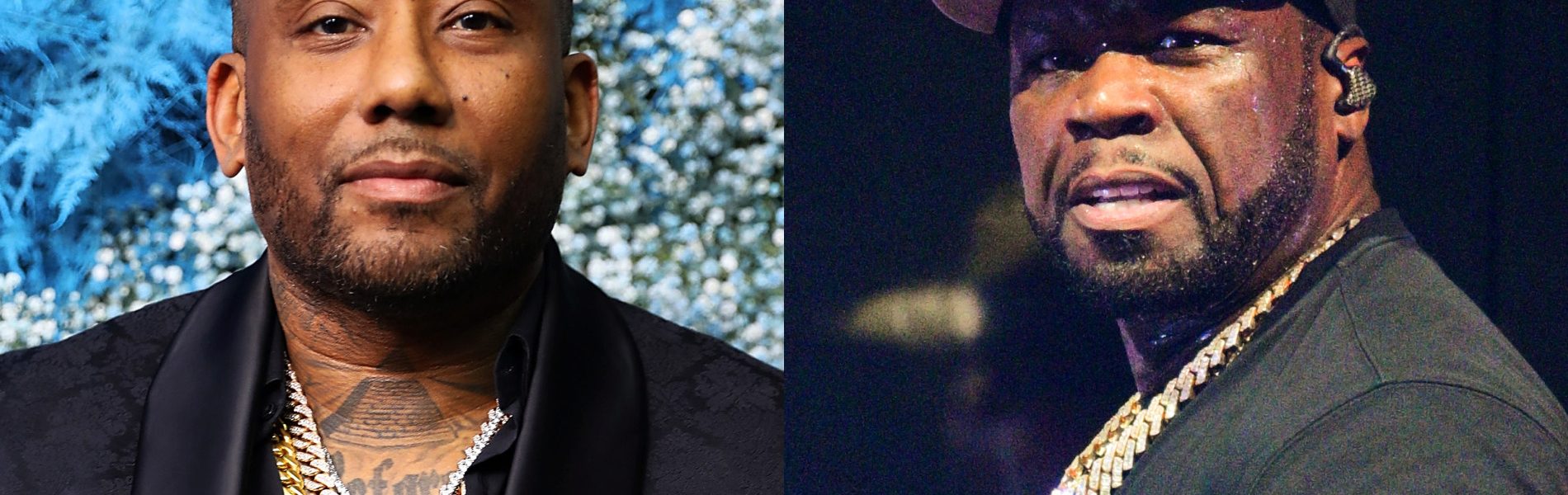
As if feuding with T.I. wasn’t enough, 50 Cent has another enemy to contend with in Maino, who has just taken their beef to wax.
On Wednesday (March 11), the Brooklyn rapper released a diss song aimed at Fif called “Bleed Like Us,” a response to the G-Unit general’s own recent track “No More Tricks, No More Tries” with Max B.
Taking cues from the classic Biggie cut “N*ggas Bleed,” Maino taunts 50 over his past domestic violence allegations, accuses him of “capping” about being shot nine times and implies that he cooperates with the authorities against his rivals.
“Be careful when you come at me, n*gga, you couldn’t humble me / Why the ones you beef with end up in fed custody? / 50 ways to catch a killer, is that your energy? / Only Black men, no white men, is your enemy?” he raps.
The “Hi Hater” MC also flexes his pen game by flipping some of 50 Cent’s biggest records into lyrical jabs.
“Only white kids in the ‘burbs thought you was gangsta / We fucked with you ’cause of your story, thought you was like us / Just to find out this whole time you was the wanksta,” he spits, before ending the song with an ominous warning: “Getting rich wasn’t enough, still want to die?”
Many fans initially interpreted “No More Tricks, No More Tries” (which is technically a remix of a Max B song that dropped late last year) as a T.I. diss, especially given the recent war of words between 50 Cent and the Atlanta rap legend.
However, in the song’s accompanying video, 50 makes it clear that he’s actually talking to Maino, Jim Jones and Fabolous, who together host the Let’s Rap About It podcast with Dave East.
The AI-generated clip features shots of the trio as Fif barks: “Fuck you!” It also mocks Maino’s face scar by recreating the prison attack that left his right cheek permanently disfigured.
“Yall thought I was talking about the Cosby’s,” 50 captioned the video on Instagram, referring to T.I. and the Harris family. “I’ll deal with Bill later. I am the algorithm!”
Tension between 50 Cent and Jim Jones, Maino and Fabolous reignited late last year when the former criticized 50’s Diddy documentary on their aforementioned podcast.
Defending Puffy, Jones said: “You don’t want nobody doing a documentary trying to make your whole character look weak. That’s petty behavior … It’s really not a documentary; it’s more like a mockumentary.”
After firing back at the Dipset rapper in a series of Instagram posts, 50 took aim at the entire trio by claiming that they were behind on their rent for the building in which they record their podcast.
“These guys are squatters, they owe 250,000k for the space they are filming their podcast,” he sneered on Instagram. “These bums are trying to win best dressed award and can’t pay their bills.”
50 has since claimed to have purchased the building and has threatened to end Jim Jones’ tenancy agreement after posting security footage of him attempting to gain entry by kicking down doors.







