This might come as a surprise, but there’s a new Star Wars movie premiering in a little over three months. Since 2019, the onscreen adventures of a galaxy far, far away have existed only on the small screen, with shows like Andor, Ahsoka, and Obi-Wan Kenobi widening the franchise’s scope while drawing varying responses from fans and critics. A grand total of seven live-action Star Wars shows have arrived on Disney+ since the release of the last movie, the maligned The Rise of Skywalker. Numerous films have been put into development over the years — or, at the very least, they’ve been reported online — but few have made it past that trying stage.
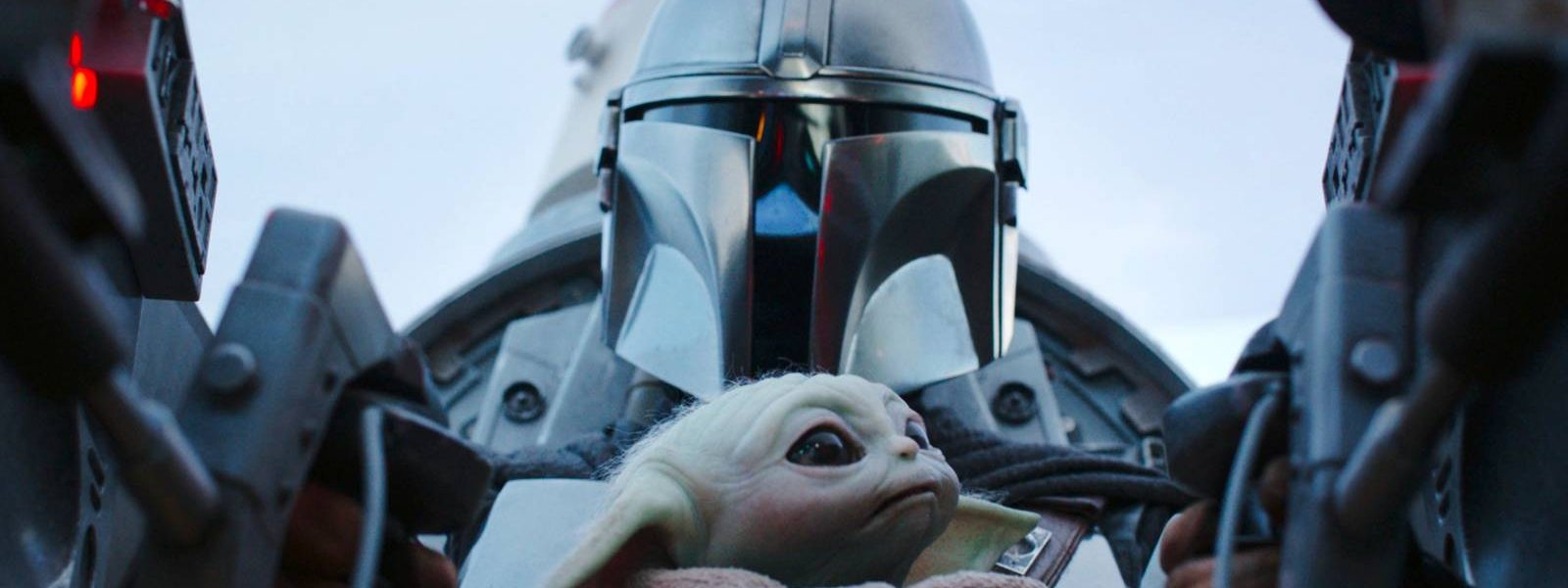
The drought will finally end this May with the release of The Mandalorian and Grogu, a project that, rather fittingly, emerged from Star Wars‘ TV efforts. The Jon Favreau-directed movie will pick up with the titular characters following The Mandalorian Season 3 and find them on a brand-new adventure. Plot details beyond that are scarce — and that’s a bit of a problem. Thus far, the marketing efforts for the film have been pretty bare-bones, and that was especially true of its recent Super Bowl spot. As it stands right now, The Mandalorian and Grogu is putting itself in a bad position.
Like several major 2026 movies, The Mandalorian and Grogu dropped a new promo during last Sunday’s Super Bowl, nestled between the usual celebrity-filled ads. It seemed like an ideal time to spotlight some eye-catching new footage, and not only because the Super Bowl is typically one of the most-watched events of the year. Thus far, The Mandalorian and Grogu has only produced one trailer, and it got dinged by some for not feeling cinematic enough for Star Wars‘ return to the big screen. Kicking off the final months of its promotional period with an action-packed trailer would’ve been a no-brainer.
Instead, however, The Mandalorian and Grogu used its airtime to pay homage to classic Budweiser ads, featuring Din Djarin (Pedro Pascal) and Grogu riding in a tauntaun-drawn carriage across a snowy landscape. There’s some symbolism at play, as Grogu at one point literally takes the reins from his adoptive father, but concrete references to what the movie has in store are missing. It barely even registers as an ad for a movie.
5 Years Ago, Star Wars Revealed the Future of the Franchise — Did It Live Up to Expectations?
It’s a very different galaxy far, far, away.
This kind of restrained, thematic marketing could be effective if done properly. The problem here is that The Mandalorian and Grogu hasn’t done enough to establish itself as the kind of blockbuster that needs minimal promotion. The Mandalorian television show is one of the strongest and most successful Star Wars projects to emerge in the Disney+ era, but Season 3 was its weakest thus far, and it still only registers as a TV show to the general public. There’s been little explanation for how the movie will differentiate itself from the series, and rather than making a big demonstration of that at the Super Bowl, Lucasfilm opted to rely on character recognition only. It didn’t really work.
Star Wars Movies Should Feel Like Events, but ‘The Mandalorian & Grogu’ Isn’t There Yet
When Star Wars last returned to the big screen after a lengthy absence in 2015 with The Force Awakens, it felt like a once-in-a-lifetime experience. The first trailer was released a year in advance, and it provided the perfect combination of intrigue, nostalgia, and epic cinematic scope. The Force Awakens was viewed as a special event that everyone had to see as soon as possible, and that translated to a jaw-dropping $2.07 billion worldwide and reignited excitement in Star Wars as a whole. The franchise never really captured that sensation again with its subsequent releases, but it still felt notable whenever another came around.
As the first Star Wars movie in over six years, The Mandalorian and Grogu should feel similarly thrilling for moviegoers, but it’s instead rather muted and generic. These days, audiences need more convincing to get to a theater, and they’ve shown they won’t be swayed by as little as a known brand. They expect high-quality stories and unique theatrical experiences that make shelling out more money worth it. Right now, The Mandalorian & Grogu still resembles the TV show it came from, which is easily accessible at home for a comparatively lower price. There’s no urgency or spectacle in the footage viewers have seen thus far, nothing to challenge the notion that Star Wars has simply become a TV-based franchise.
With close to three months remaining before The Mandalorian and Grogu‘s premiere, there’s still time to reverse course and really drum up some excitement, but that window is rapidly closing. Another longer trailer is due right about now, and that should feature thrilling footage that people want to see on the big screen. Disney and Lucasfilm can’t keep assuming previous fan affection for Din Djarin and the alien formerly known as Baby Yoda will be enough to get viewers to turn up; casual audiences need more. If this strategy doesn’t change soon, The Mandalorian and Grogu could prove to be a box office disappointment.
The Mandalorian and Grogu comes to theaters on May 22.