
The new trailer for the live-action <em>Moana</em> (2026) has been released, highlighting the most significant difference between this remake and its animated predecessor, Moana (2016). Moana (2026) is the latest in a series of live-action Disney remakes, which have seen varying levels of success. While remakes like Cinderella (2015) and The Little Mermaid (2023) were generally well-received, films like Lilo & Stitch (2025) faced considerable backlash.
This brand-new Moana (2026) trailer has sparked discussions about how audiences will react to the film, especially given the mixed responses to character reveals, particularly regarding Maui’s appearance, who will be portrayed by Dwayne “The Rock” Johnson, the original voice of the character.
While differences between animated films and live-action adaptations are always anticipated, this particular aspect of Moana (2026) is poised to be a major distinction from Moana (2016), potentially making or breaking the film.
Moana’s Live-Action Trailer Makes Some Characters Look Very Different

The discussions have already begun regarding how different Maui appears in the live-action version of Moana. Specifically, Maui’s wig in the new film has garnered significant attention—and not necessarily positive feedback.
In fairness to Disney, adapting Maui into live action was always going to be a challenge. He is a literal demi-god, so his larger-than-life presence was never going to translate perfectly.
However, Maui isn’t the only character with a different look in this new trailer. The titular character also shows notable differences from her animated version. Some of these changes are due to the inherent differences between animation and live action (animated Disney characters often have exaggerated features like large eyes), while others are more specific (for instance, Moana’s hair appears less curly in live action, which has already attracted criticism).
This will be particularly interesting to observe with the animals, from Moana’s beloved companions Heihei the rooster and Pua the pig to more fearsome creatures like the giant crab Tamatoa. Early glimpses of these creatures in the trailer suggest some stylistic changes, including Tamatoa appearing more intimidating than comical in this adaptation.
Moana’s Live-Action Designs Feeling Different Could Help The Disney Movie
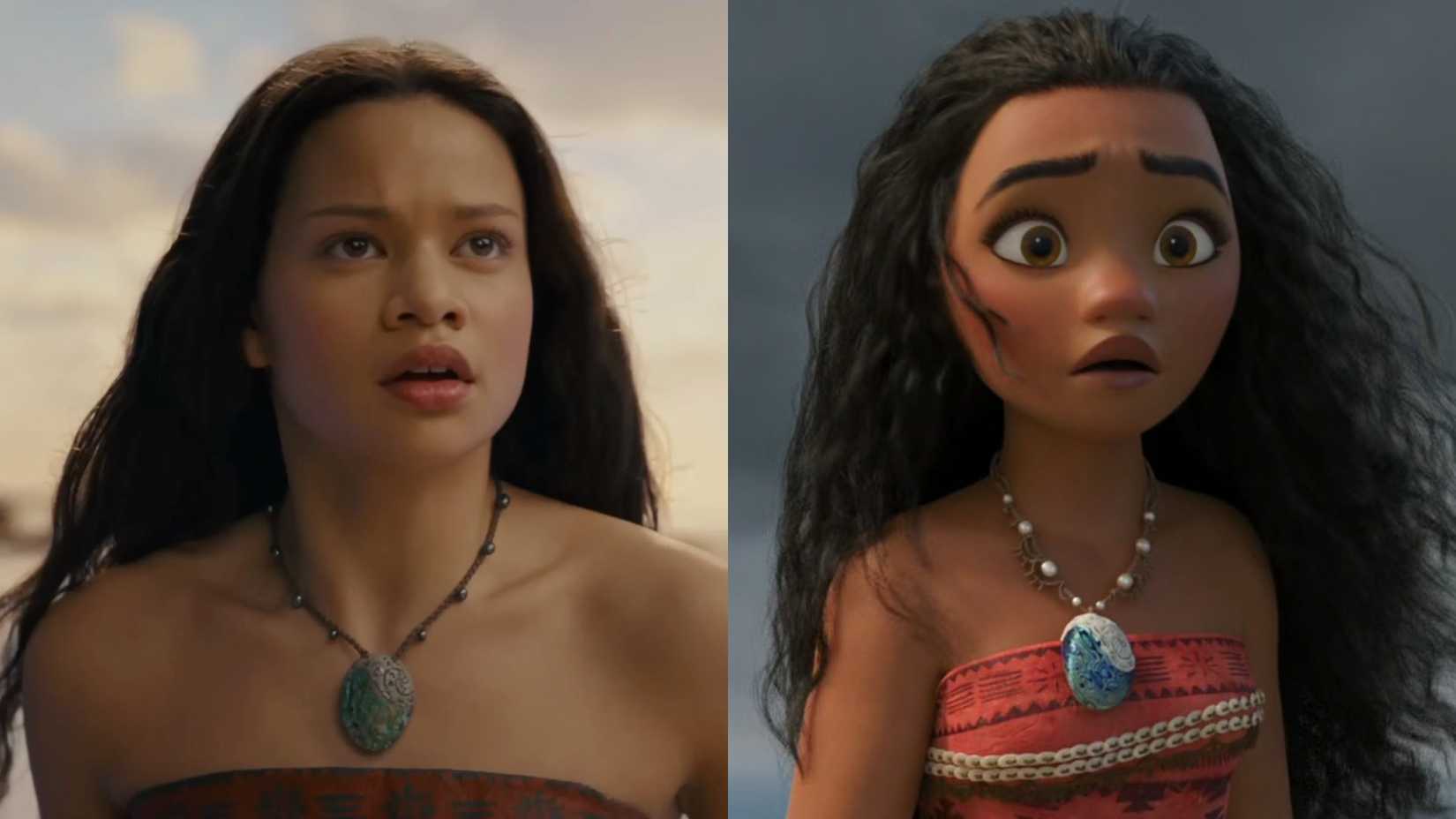
While the differences between Moana (2026) and Moana (2016), as seen in the current trailer, might seem concerning for the franchise and this upcoming film, that isn’t necessarily negative. There will always be some backlash from fans of the original when they notice which elements from the animated film have been altered or omitted in live action.
However, in the long term, these changes might actually benefit the live-action movie. If it were simply a scene-for-scene remake of the animated classic, there would be little incentive for audiences to watch it, especially once it becomes available for streaming.
While some viewers may prefer it for various reasons, if it doesn’t differentiate itself at all, it likely wouldn’t provide anything beyond what audiences can already enjoy from the animated version—especially considering that viewers now have nostalgia on their side.
It’s also important to note that loyalty to the original does not guarantee that a live-action remake will be well-received.
For instance, How to Train Your Dragon (2025) was an extremely faithful remake but faced criticism for that very reason. Although it generally resonated with audiences, it still received significant backlash for being a straightforward retelling without substantial modifications.
Knee-jerk reactions to the Moana (2026) trailer may lead some to criticize character appearances. However, over time, these differences could prove advantageous for the film. Ultimately, though, how well Moana (2026) will be received remains uncertain until its release on July 10, 2026.