
When it comes to holding up a mirror for society, few genres do it better than the crime genre. Viewers don’t watch these shows just for the “whodunnit” factor, but crime dramas are so fascinating because of the many things they explore, from the complexity of the justice system to the darkness of human society, where the thin line between the heroes (the cops and prosecutors) and the villains (the criminals) is often blurred, requiring the viewer’s full attention.
While it may seem like television is crowded with crime procedurals, there are a few that did a lot more than just pull in sky-high ratings. The following shows shattered the conventions of the typical crime drama and rebuilt the genre in their own image. Whether it’s introducing flawed cops who push the boundaries to solve cases, or season-long slow burns that lead to a shocking conclusion, these crime dramas dared to push the envelope and were successful at doing it. So, without further ado, here are the most important crime dramas that defined the genre.
‘Hill Street Blues’ (1981–1987)

Before Hill Street Blues premiered on NBC in 1981, crime dramas followed the tried-and-true staple of “case-of-the-week,” which involves a different case every week. However, Steven Bochco and Michael Kozoll, the creators of Hill Street Blues, wanted to do something different with their crime procedural. Instead of focusing on a different case every week, the series, which follows the day-to-day lives of cops at a police station on Hill Street, focused more on serialized storytelling involving complex characters.
This allowed Hill Street Blues to embark on storylines that stretched across multiple episodes, which introduced a new way to tell crime stories. Of course, this wouldn’t have worked if it wasn’t for the complicated characters and gritty nature that defined the show. Before the show premiered, crime dramas often indulged in the “Hollywood way” of police work, with the cops clearly being the good guys and the criminals being the bad guys, with the cops always coming out on top. But, with Hill Street Blues, Bochco and Kozoll, along with the show’s writers, opted for a more realistic portrayal of police work, with characters that didn’t fit into tidy narratives. This gave the show more of a documentary feel and made viewers feel like they were inside a working police department. The series was groundbreaking and it paved the way for more serious crime dramas that would take what Hill Street Blues created and make it their own.
‘NYPD Blue’ (1993–2005)
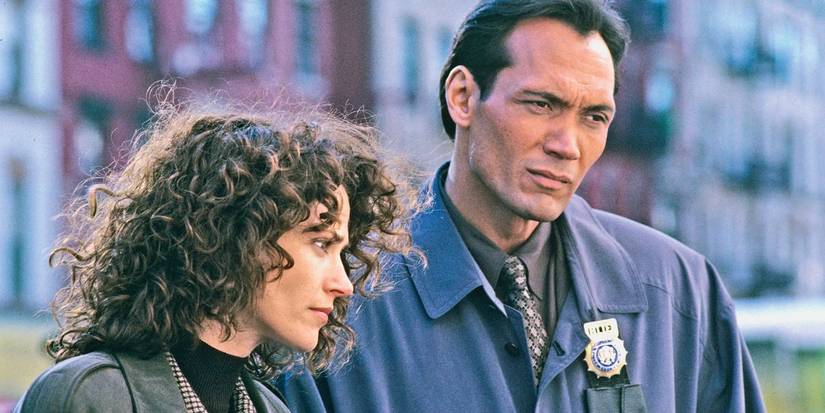
One would be hard-pressed to find a more realistic cop show like <em>NYPD Blue</em>. While Hill Street Blues stripped away the Hollywood veneer of police work, NYPD Blue, created by Steven Bochco and David Milch, stripped the mold down to its core, showing, in graphic detail, the realistic nature of a police precinct. The series completely redefined gritty television series, with its storylines pushing the boundaries of what audiences would accept on network television.
NYPD Blue was groundbreaking in unclutching the pearls of network TV. The characters cursed a lot, and the series even showed brief nudity, which was basically a sin for network television at the time. It made the series feel more “adult,” and it certainly wasn’t for the entire family. NYPD Blue paved the way for the "anti-hero,", a trope that would be used in future crime dramas like The Shield (which is basically a spiritual successor of NYPD Blue) and Breaking Bad. Here, the cops portrayed aren’t always faithful to the oath they take when becoming police officers, and the series taught viewers how to love a character even when they have glaring flaws. If it wasn’t for NYPD Blue improving on the template set by Hill Street Blues, modern crime dramas would almost certainly look a lot different than we see them now.
‘Hannibal’ (2013–2015)
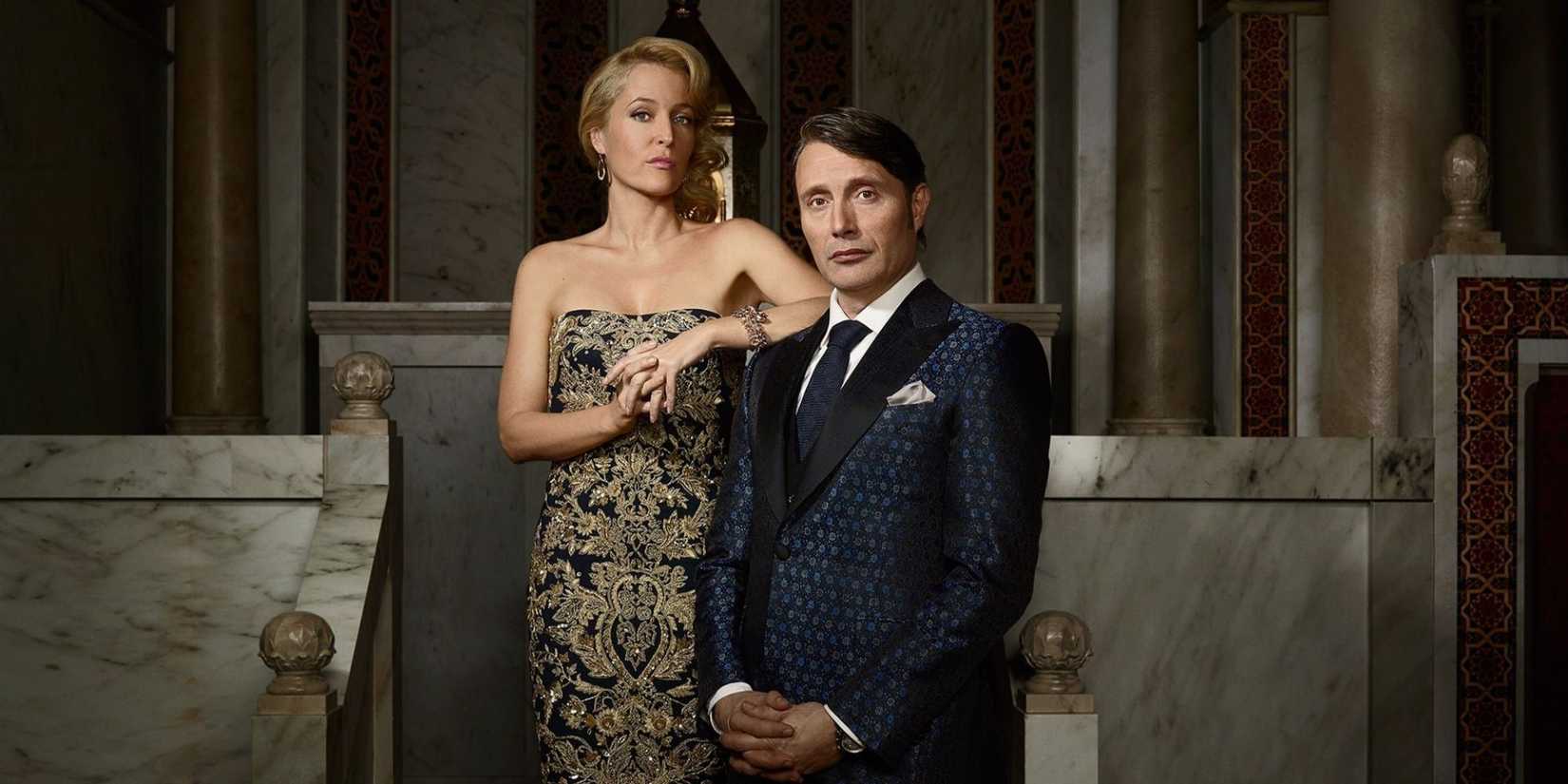
In 1991, Anthony Hopkins made movie audiences feel uneasy thanks to his portrayal of cannibalistic serial killer Hannibal Lector in the classic filmSilence of the Lambs. It wouldn’t be long until the character would be adapted as a TV series, which came in 2013 with NBC’s crime dramaHannibal. Created byBryan Fuller, adapted fromThomas Harris‘ novelRed Dragon,Hannibal is a series that wound up transcending standard crime procedural tropes that often weren’t seen in this genre.
The series was more than a traditional drama as it exploited themes such as morality and manipulation within its storyline. Thus,Hannibal went beyond simply solving crimes and used disturbing yet beautiful photography to move its plot forward. The series also introduced a “dark romance” dynamic to crime dramas. Granted, this romance withinHannibal would be considered twisted as it finds both serial killer and FBI investigator engaging in profound understanding of one another. It certainly twisted conventional wisdom typically found in crime drama and gave this genre new angles to tell truly dark stories.
‘True Detective’ (2014–Present)
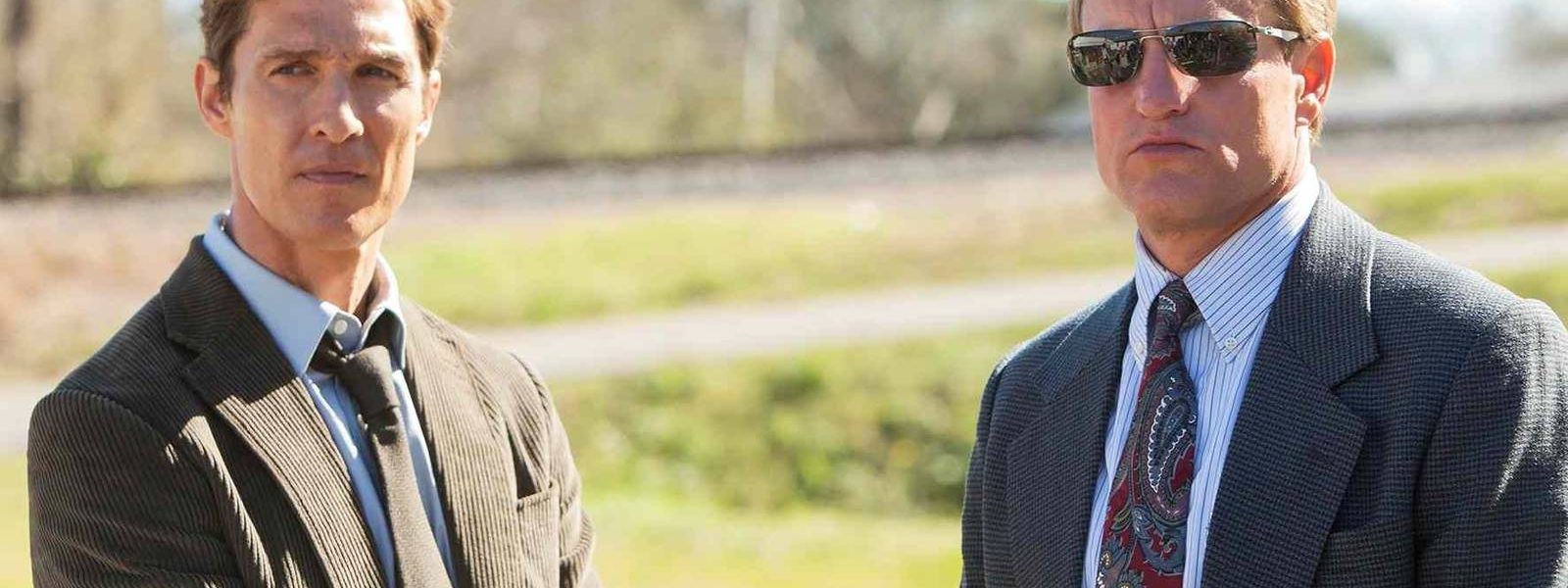
An anthology is not normally associated with crime dramas but that changed with HBO’sTrue Detective, which premiered in 2014. Instead of using basic templates that most crime dramas live or die by,True Detective, created byNic Pizzolatto, went opposite direction,merging criminal investigations with philosophical depth, which was possible thanks to its anthology format.
The series reinvented itself with each season driven by different cases,This kept True Detective from becoming stagnant like most crime dramas tend to become.
The structure uses atmospheric storytelling to create tension within each season. Few crime dramas use their setting as impactfully astrue detective does such as haunting atmosphere of Louisiana coast in Season 1 or dark snowy cold Alaska Season 4.
This stirring crime drama proves that this genre can thrive within an anthology format, This changed how crime shows were made and produced.
A
Land legacy name that’s been feared respected generations.
B
Knowing deal better than anyone else room — being willing walk away first.
C
Reputation I’ve earned hard way everyone room knows it.