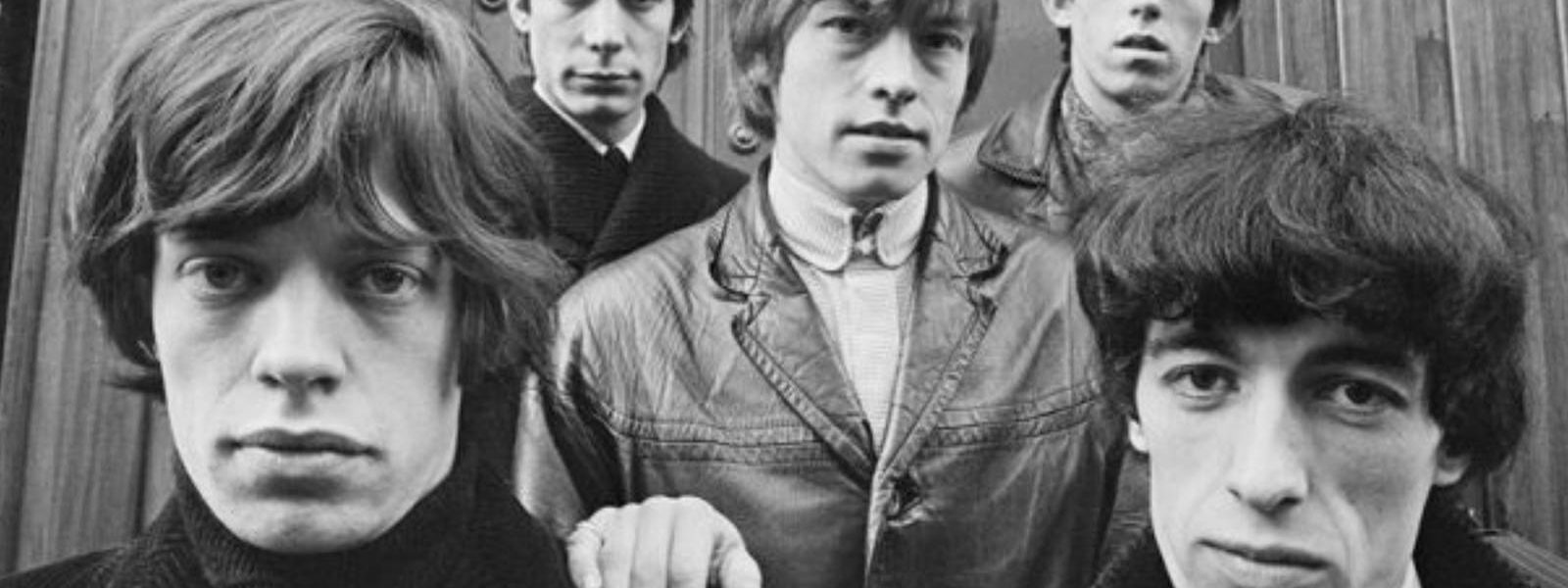
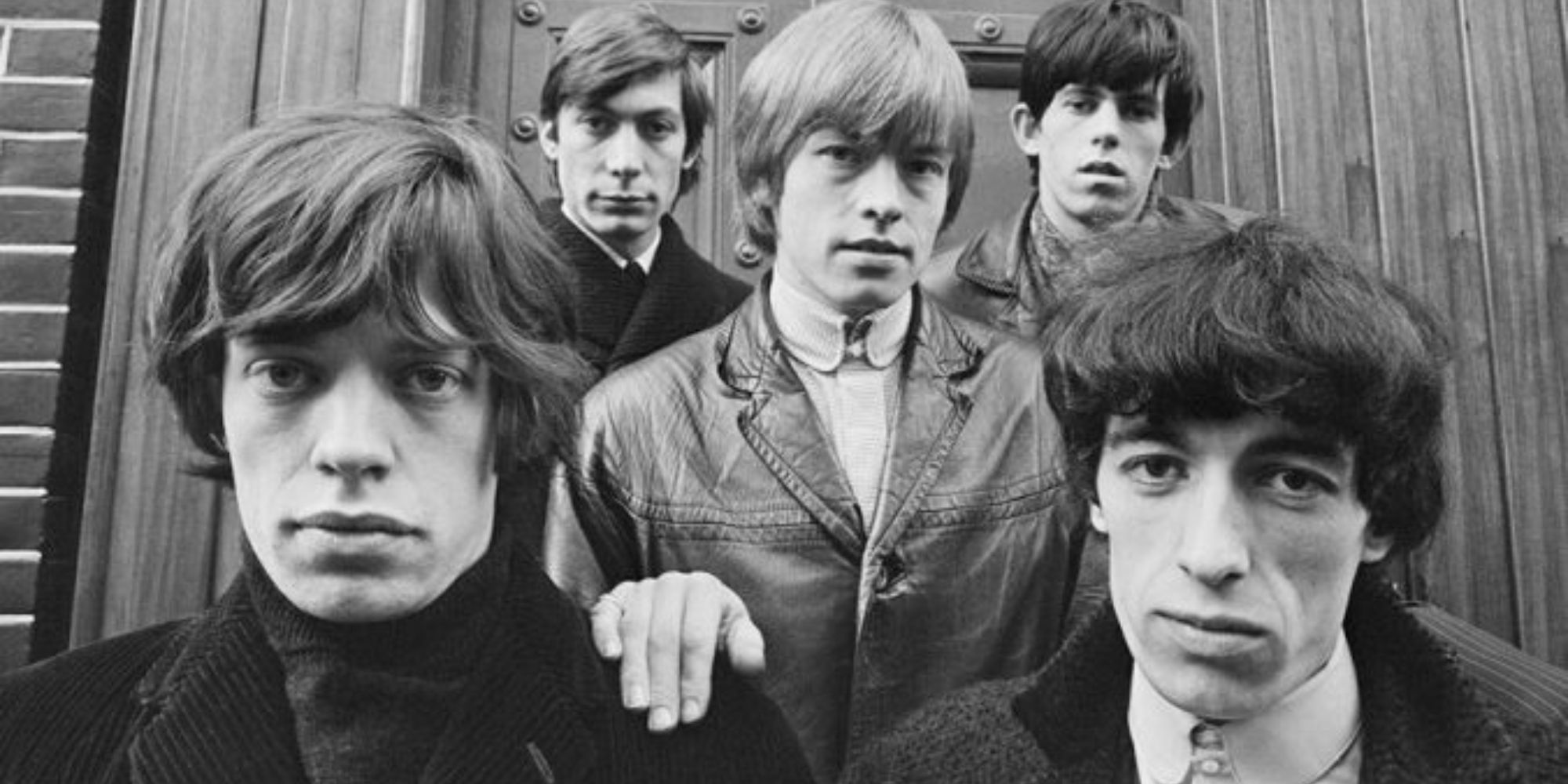
When it comes to longevity in rock and roll, look no further than The Rolling Stones. Active for over six decades, the band is one of the most popular, influential, and enduring bands of the rock era. Rooted in blues and early rock styling, their sound became distinct as they moved further and further into the mainstream. Establishing themselves at the top of the heap of classic rock, their songbook runs deep. With 31 studio albums and more than 340 songs, with eight number-one hits on the US Billboard Hot 100 charts, determining which is their best songs is a near-impossible task.
The task at hand is to select The Rolling Stones’ most perfect songs. Let’s just say it’s no easy task. As each fan of the band will likely have a different list, for the purposes of this list, a song will be considered “perfect” based on songwriting, musical construction, overall influence, and its impact on the band’s musical evolution. This list is meant to celebrate one of the greatest bands and their brilliant contribution to music history.
10
“Honky Tonk Women” (1969)
Despite being a hit track, “Honky Tonk Women” sometimes gets overlooked, but the truth is, the song proved the band’s ability to tap into even more musical styles. Inspired by a holiday Mick Jagger and Keith Richards took in Brazil, the duo drew on their experience at a ranch and turned it into a song about a dancing girl in a western bar. Originally written as a Hank Williams-esque country song, Mick Taylor transformed it into the electric, riff-based hit we became familiar with. Originally released as a non-album single, the song was issued as the B-side to “You Can’t Always Get What You Want” the day after the death of founding member Brian Jones in July 1969.
Raw and bluesy, with an invitation to groove when the cowbell begins, the song’s gin-soaked groove and gritty lyrics became an instant hook for listeners. “Honky Tonk Women” soared to the top of the UK charts for seventeen weeks, five at number one, and a four-week number one run on the Billboard Hot 100. Showcasing the band at their funky best, “Honky Tonk Women” also led to a full country version released on the 1969 album Let It Bleed. “Honky Tonk Women” may be the strongest example of ’60s rock-blues.
9
“She’s A Rainbow” (1967)
The 1960s served as a brilliant opportunity for artists to explore and spread their wings. For The Rolling Stones, an uncharacteristically unique song that Jagger and Richards wrote for the band was also one of their best. Closing out their foray into psychedelic pop rock, “She’s A Rainbow” utilized a vibrant blend of baroque pop, a cascading piano line, and a lighthearted atmosphere, crafting a whimsical, joyous, and timeless masterpiece. The crowning element of the song isn’t the lyrics; it’s the arrangement. Though the classic Stones instruments are present, it’s Nicky Hopkins‘ iconic piano melody and Jones’ hypnotic usage of the Mellotron that make the track. And that string section? It’s often credited to John Paul Jones, who would go on to join Led Zeppelin a year later. Released on Their Satanic Majesties Request, the sixth studio album, the song became the most recognizable track of the album.
Music should be transcendent — “She’s A Rainbow” is proof. For a modern audience, the song has been a recent staple in commercials. Further, it became synonymous with Kristen Wiig‘s final sketch as a cast member on Saturday Night Live. Guest host Jagger, alongside musical guest Arcade Fire, performed it alongside “Ruby Tuesday” as the comedian dances and says goodbye to her co-stars. If there is something that will make you cry from the hit sketch show, it’s this. Now, if we’re talking about how a song can influence an entire movement, Gilbert Baker, the creator of the rainbow pride flag, told the New York Blade in 2008 that it was not Judy Garland‘s “Over the Rainbow” but in fact the Stones’ “She’s A Rainbow.”
8
“Tumbling Dice” (1972)
Introduced as the lead single from the 1972 double album Exile on Main St, “Tumbling Dice” brought back the blues with boogie-woogie for a song about an unfaithful gambler. Written and recorded during the period when the band became UK tax exiles, the song had some filler lyrics and an initially different intention. Though that song, “Good Time Women,” went unreleased until 2010. The song tells the story of a gambler who simply cannot remain faithful to any woman. A dark lyrical premise; however, it ultimately led to the peppy, laid-back groove we know today. The tempo lives in a grey area that’s essentially halfway between slow and straightforward rock speed. Then turning to lyrical composition; it’s quite an irregular structure with line counts changing throughout verses and choruses. But what makes this song so beloved is its call-and-response in coda making it perfect for live performance.
An ambitious song; “Tumbling Dice” can be described as sassy with casual swagger. Dare I say it’s got “Swagger Jagger.” It’s credited to Jagger’s vocal charisma. Written after swinging ’60s and Summer of Love; this song still has lyrical essence exploring themes of sex and love. About half-decade later,
Linda Ronstadt
recorded her own version bringing different vitality to it. And not just because lyrics were adjusted to suit singer’s mission. Though it had troubled road to ultimate creation; “Tumbling Dice” remains one of band’s most iconic entries.
7
“Beast of Burden” (1978)
Oftentimes when you see title of song; you can automatically hear something from it in your head. When it comes to “Beast of Burden,” almost certainly you hear Jagger’s soulful vocals singing title. A vulnerable and raw rock anthem; “Beast of Burden” showcased evolving maturity from band. It also helped establish further sound of rock and roll in late ’70s. The second single off 1978’sSome Girls, following “Miss You,”The song wasn’t meant to be personal track; it was all about attitude hidden meaning.
Taking inspiration from domesticated animals used for human labor; Richards noted that this song was written as thank-you Jagger for “shouldering burden.”
“Beast of Burden” features masterful weave soulful understated guitar from Richards andRonnie Wood, steady groove fromCharlie Watts andBill Wyman and Jagger’s intimate controlled vocals some which were improvised.
The Rolling Stones experienced internal turmoil in ’70s but“Beast of Burden” represented moment band’s unity.One that marked newfound comeback for band.
…
…
Your Perfect Film Is…
Your answers have pointed to one Oscar Best Picture winner above all others . This is film that was made for way your mind works .
…
…
…
…