There is a certain kind of blockbuster that tries very hard to cover every possible base. It casts big names, blends multiple genres, adds franchise hooks, and softens its edges so no one feels left out. On paper, that strategy sounds smart. If a movie offers something for everyone, it should, in theory, draw everyone in.
But film does not work like a group project designed to avoid disagreement. The more a story stretches to appeal to every demographic, the more it risks losing a clear voice. The films on this list were not short on ambition or resources. Many had built-in fan bases and strong creative teams. Yet in their effort to satisfy longtime fans, casual viewers, families, and franchise planners all at once, they ended up landing in an awkward middle ground. They were made for everybody, which is often how a film ends up belonging to no one.
10
‘Cats’ (2019)
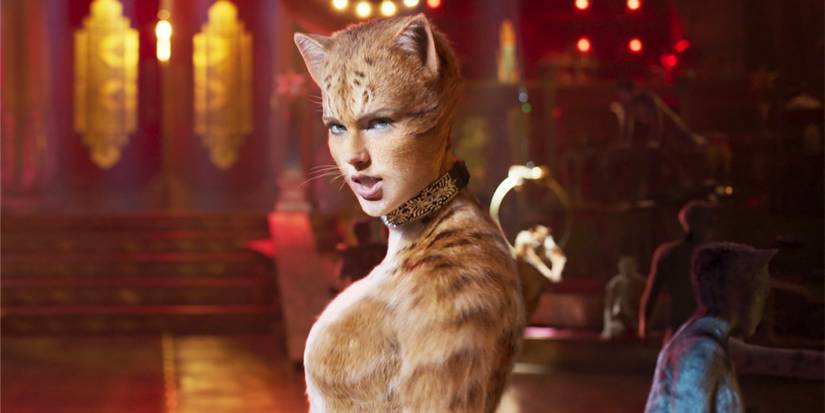
Image via Universal Pictures
<em>Cats</em> arrived with the promise of broad appeal. It leaned on the global recognition of Andrew Lloyd Webber’s stage musical and assembled a cast filled with familiar names, from Jennifer Hudson to Idris Elba and Taylor Swift. The idea seemed simple on paper. Blend spectacle, nostalgia, and pop star power into a holiday release that families and musical fans could enjoy together. Instead, the film struggled to decide who it was actually speaking to.
The visual style alienated traditional theater fans, while the loose narrative confused casual viewers unfamiliar with the source material. The digital character design became the center of discussion and overshadowed performances and music. By trying to modernize the stage experience while keeping its abstract structure intact, Cats ended up pleasing neither longtime fans nor newcomers.
9
‘The Mummy’ (2017)
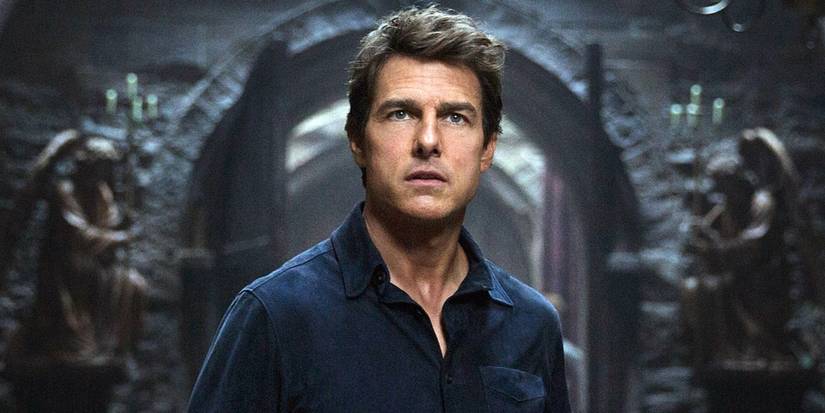
The Mummy positioned itself as the launchpad for a shared cinematic universe. Casting Tom Cruise signaled blockbuster ambition, and the studio clearly wanted to blend action spectacle, horror nostalgia, and franchise-building into one accessible package. On the surface, the ingredients were there. A recognizable monster, global scale, and a charismatic lead should have made it widely appealing.
The problem was tone. The film shifted between horror, comedy, and high-stakes mythology without fully committing to any of them. Longtime fans of the classic Universal monsters found the approach too glossy, while action audiences were left with a story that felt like a setup. Instead of standing alone as a compelling adventure, it felt engineered for future installments that never arrived. In trying to be everything at once, it struggled to become anything memorable.
8
‘Batman v Superman: Dawn of Justice’ (2016)
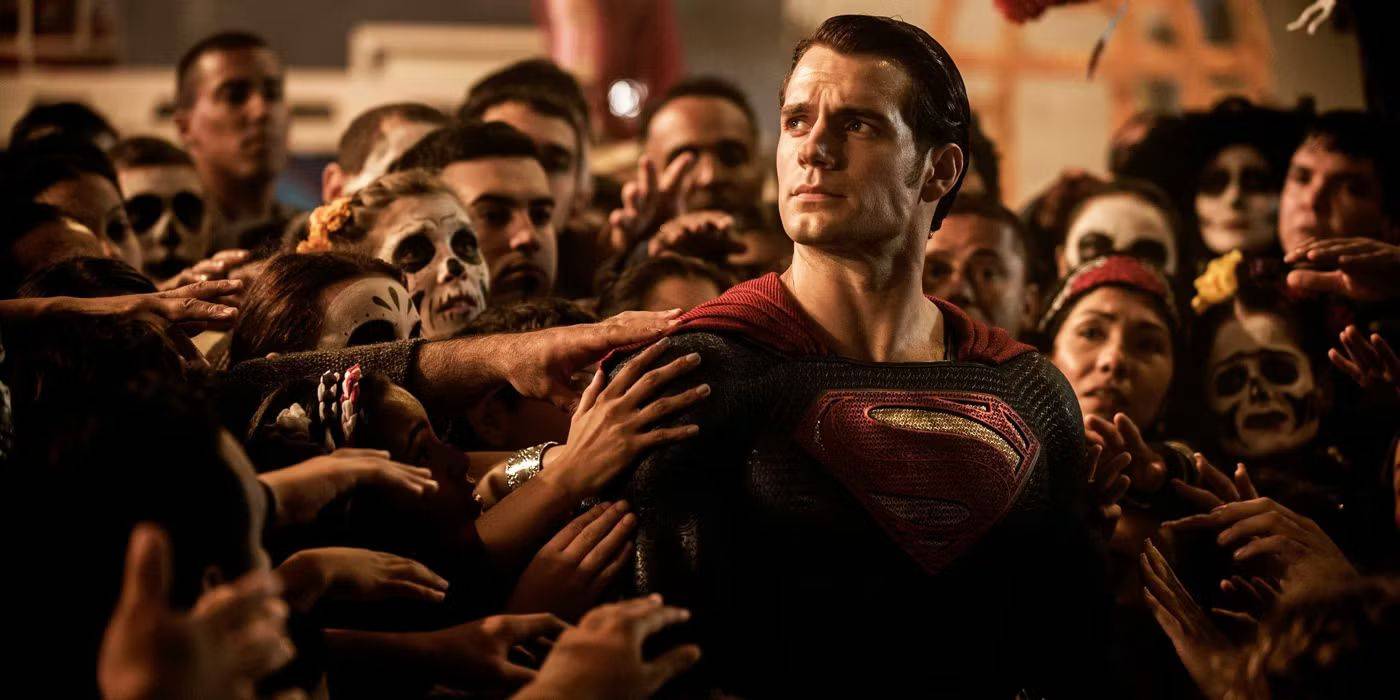
On paper, bringing Batman and Superman into the same film sounded like a guaranteed event. Two of the most recognizable comic book heroes, played by Ben Affleck and Henry Cavill, sharing the screen for the first time in a live-action feature should have pulled in every kind of viewer. The studio clearly wanted a film that comic readers, casual fans, and general audiences could all rally behind.
The problem was that the movie carried too much weight at once. It tried to tell a personal conflict, set up future characters, and lay the groundwork for a larger universe all within the same runtime. For some viewers, the tone felt heavy and humorless. For others, the emotional turns did not feel fully earned. Instead of uniting audiences, it split them. The film aimed to please everyone who had ever cared about these heroes yet many walked away feeling disconnected from both.
7
‘Tomorrowland’ (2015)

Image via Walt Disney Studios Motion Pictures
Tomorrowland arrived with an optimistic message and the backing of a major studio. Directed by<strong Brad Bird, and starring<strong George Clooney, it promised a<strong hopeful science fiction adventure that families and adults could enjoy together. The marketing leaned into mystery and big ideas about innovation, creativity, and saving the future.
The difficulty in connecting with a wide audience was its uneven focus. Younger viewers may have found the themes abstract while older audiences struggled to<strong latch onto the emotional core.. It wanted to inspire entertain and comment on modern cynicism all at once. In trying to cover so much ground it never fully grounded itself in a story that felt immediate or personal.
6
‘Valerian and the City of a Thousand Planets’ (2017)
The challenge was connection. The central pairing played by<strong Dane DeHaan,and<strong Cara Delevingne, never fully convinced as seasoned partners with romantic tension their dynamic felt stiff when the story needed warmth or wit while world-building impressed emotional center felt distant film wanted be both grand space adventure charming character-driven romance yet struggled make either side feel fully alive.
5
‘Downsizing’ (2017)
The result felt cautious story worked hard explain every familiar detail from origin last name how met Chewbacca Lando instead letting character breathe film often felt<strong busy filling blanks.
4
‘Jupiter Ascending’ (2015)
The issue was balance mythology was dense filled royal bloodlines interplanetary politics yet emotional journey at its center felt thin some viewers drawn bold imagination others found difficult invest characters who often seemed overwhelmed very world inhabited film wanted be new franchise starter appealed fantasy lovers action fans young adult audiences all once reaching many directions struggled firmly hold onto any one group.
3
‘Justice League’ (2017)
The challenge was expectation many viewers hoped emotional weight character focus defined earlier Middle-earth films instead story centered prolonged conflict sometimes overshadowed quieter arcs Bilbo Thorin film wanted satisfy fans epic warfare complete beloved literary adaptation connect directly larger cinematic legacy pushing hard toward scale lost intimacy made journey compelling first place.