The perfect film that captures the hearts of both audiences and critics should commence with a powerful opening, cultivate suspense, and ultimately reach a thrilling climax. Unfortunately, some films falter at the final hurdle, losing their momentum just as they approach the finish line. These movies often enthrall viewers with a captivating second act, typically highlighted by an exceptional set piece or an unexpected twist that elevates our expectations. However, instead of culminating in a rewarding climax, they disappoint by either shifting tone too abruptly, hastily wrapping up the resolution, or neglecting the very elements that made the middle act so engaging in the first place.
In this article, we explore films that excel in their second act. Many of these movies kick off with high-concept ideas or profound character development, only to revert to familiar clichés or awkward plot twists. While most of these cinematic endeavors are not outright failures — some remain beloved by fans even today — their near-greatness is ultimately frustrating, as they stumble just before reaching the finish line.
10
‘The Place Beyond the Pines’ (2012)
Directed by Derek Cianfrance
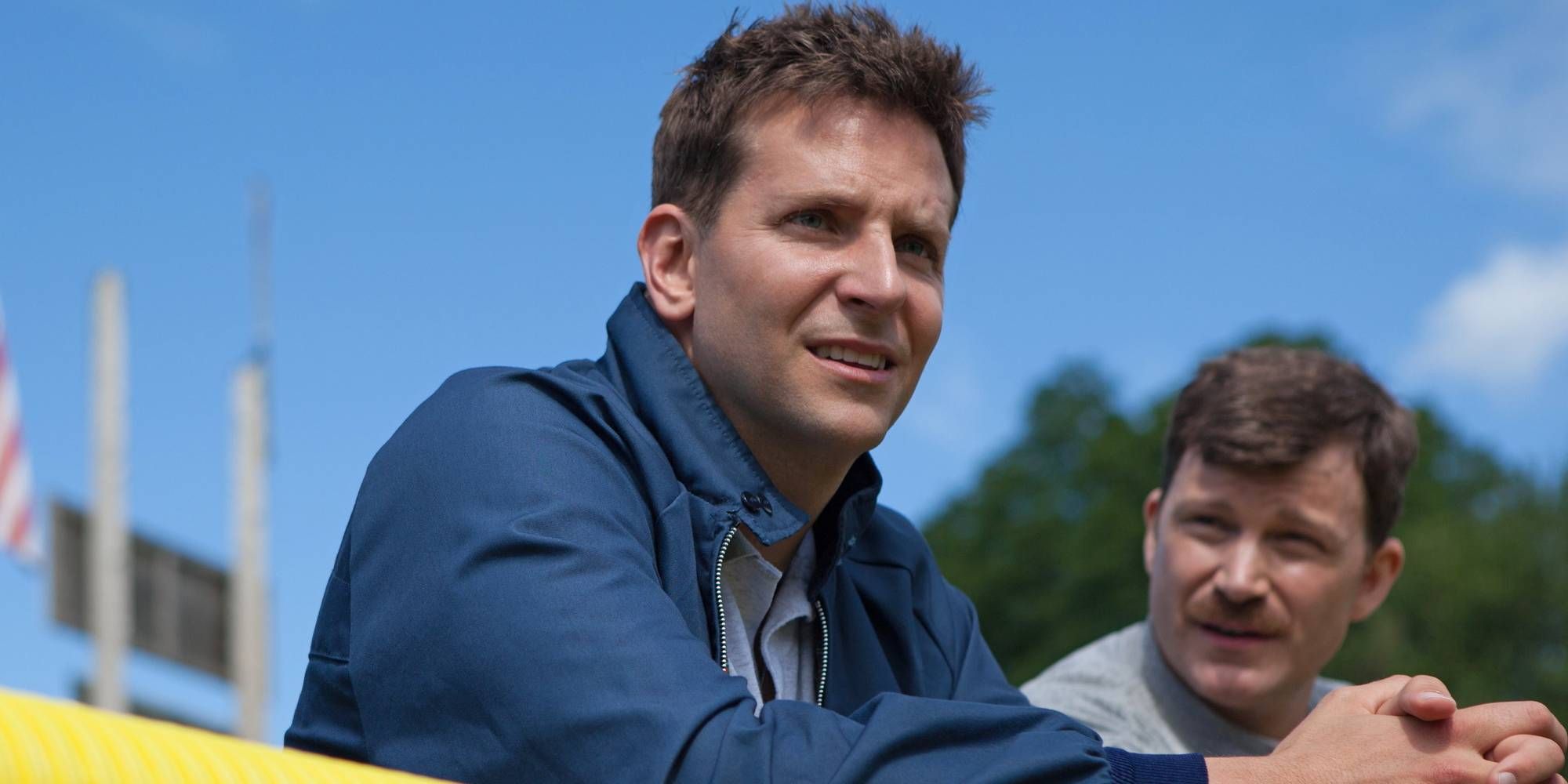
The Place Beyond the Pines opens with the character Luke (Ryan Gosling), a motorcycle stuntman who turns to bank robbery in a desperate effort to provide for a son he has only recently discovered. The narrative is intense and gripping, leading to a tragic confrontation with rookie cop Avery Cross (Bradley Cooper). Rather than concluding there, the film unexpectedly shifts perspective to follow Avery, transforming the narrative into a more intricate exploration of morality.
However, the narrative takes another dramatic turn as it jumps fifteen years into the future for the third act, shifting focus to the sons of both Luke and Avery, portrayed by Dane Dehaan and Emory Cohen. This third act delves into how the sins of their fathers influence their lives. Although thematically consistent, the new characters lack the emotional depth found in earlier segments, resulting in a significant drop in pacing, making the third act feel disjointed. Directed by Derek Cianfrance, The Place Beyond the Pines remains one of the standout crime dramas of the 2010s, but its bold and experimental approach ultimately stumbles in its third act.
9
‘The Beach’ (2000)
Directed by Danny Boyle
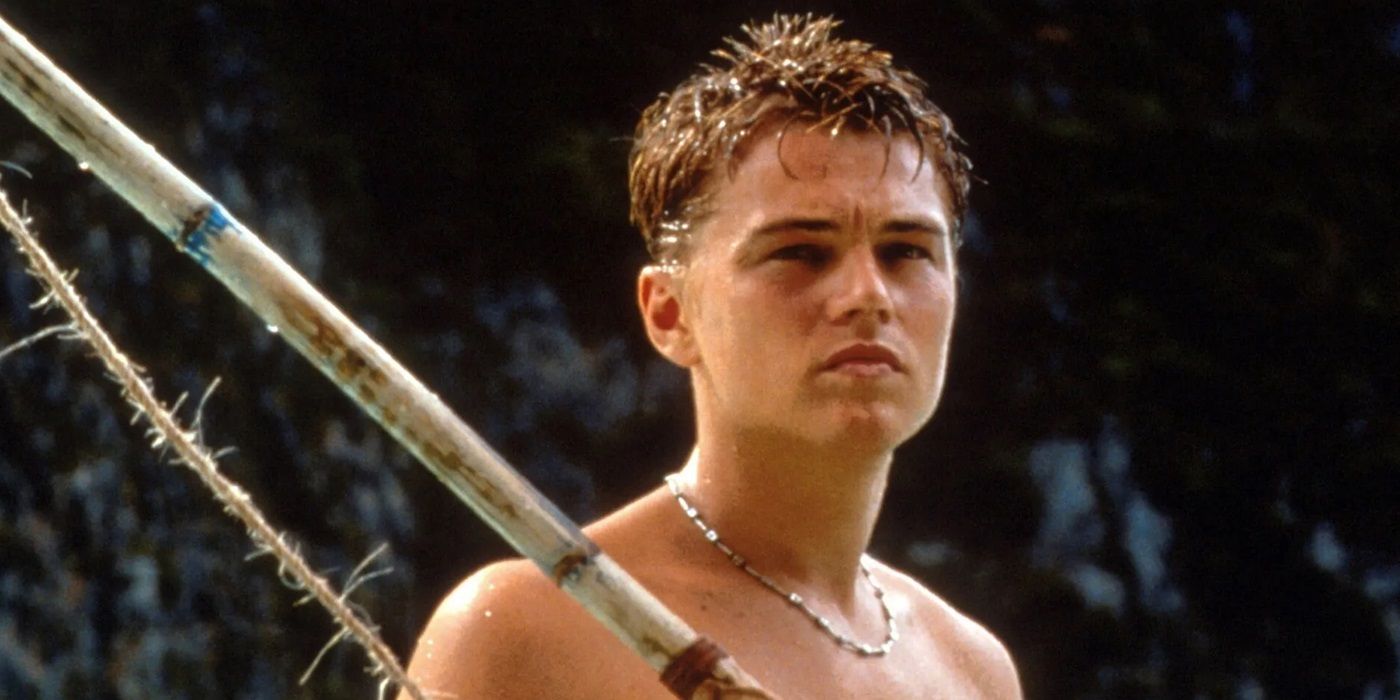
In The Beach, Richard (Leonardo DiCaprio), a restless American backpacker in Thailand, discovers a secret map that leads him to a pristine beach where a small community lives in idyllic isolation. Joining the group, led by the enigmatic Sal (Tilda Swinton), Richard quickly becomes captivated by their seemingly utopian way of life. However, the second act gradually reveals the illusion of paradise as internal tensions escalate, injuries and accidents are swept under the rug, and the group’s sense of unity begins to unravel.
This second act captivates viewers because it juxtaposes the dreamy allure of the setting with an encroaching sense of psychological dread. The beach transforms into a metaphor for escapism, transitioning from a fantasy to something reminiscent of a cult-like existence fraught with moral decay. Nonetheless, the third act disappoints by sacrificing the carefully built tension for abrupt surrealism and erratic tonal shifts. Richard’s descent into madness feels rushed and overly stylized, while the climactic fallout of the community’s collapse is merely glossed over. As evidenced by his recent project, 28 Days Later, Danny Boyle is known for his experimental approach, but in this case, the third act’s drastic change is too jarring and may alienate some viewers.

The Beach
- Release Date
-
February 3, 2000
- Runtime
-
119 Minutes
8
‘Mission: Impossible – Ghost Protocol’ (2011)
Directed by Brad Bird
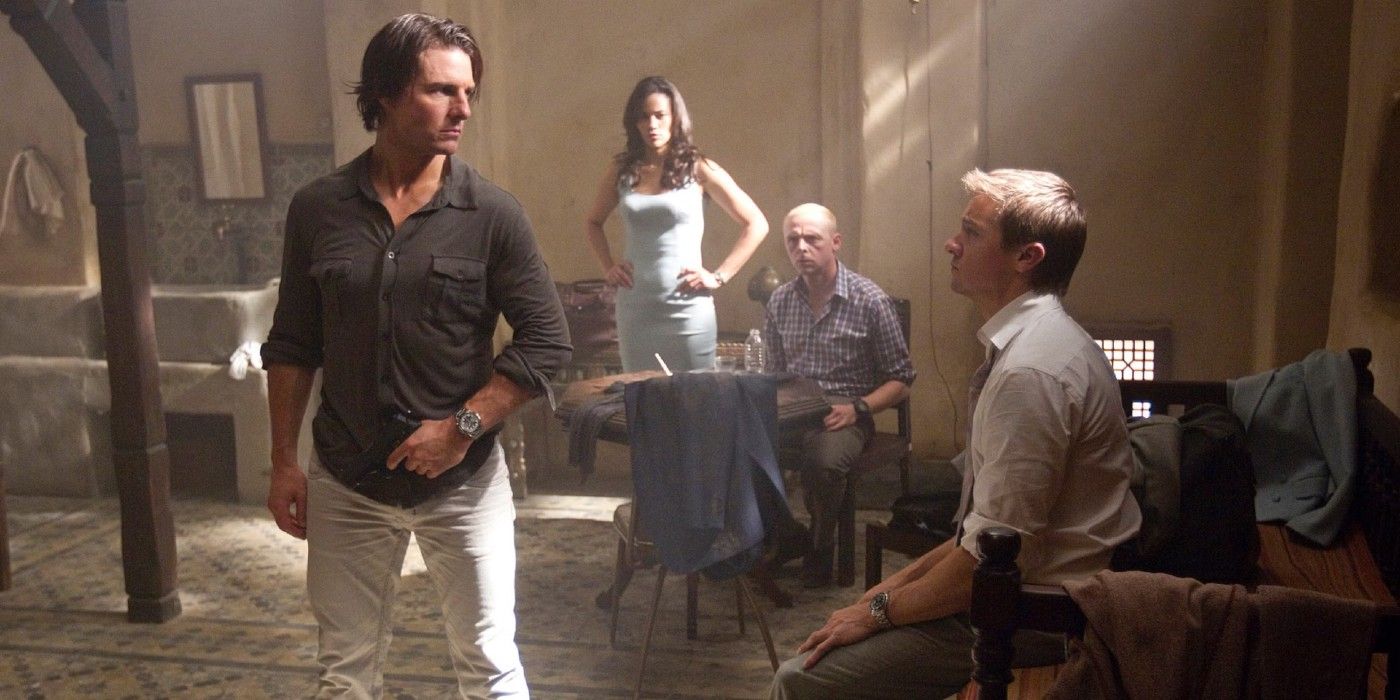
The plot of Mission: Impossible – Ghost Protocol kicks into gear when Ethan Hunt (Tom Cruise) and his IMF team are unjustly accused of a Kremlin bombing, forcing them to operate independently without any backup. Their mission is to thwart a nuclear extremist from instigating a global conflict. The second act features one of the franchise’s most memorable sequences, where Ethan climbs the Burj Khalifa in Dubai using malfunctioning magnetic gloves.
Cruise’s daring ascent remains one of the most iconic stunts in the Mission: Impossible franchise. The sequence is brilliantly shot, presenting sky-high stakes, and represents the pinnacle of the film, while the remainder feels somewhat diminished in comparison. The third act takes place in a visually stunning multi-level parking garage in Mumbai, which unfortunately feels like a substantial drop in quality. The final showdown with the antagonist, portrayed by Michael Nyqvist, is far from satisfactory. Despite the chaotic production of Ghost Protocol, with scripts being written on the fly and a tight schedule, the final version continues to uphold the tradition of thrilling Mission: Impossible films.
7
‘Hancock’ (2008)
Directed by Peter Berg

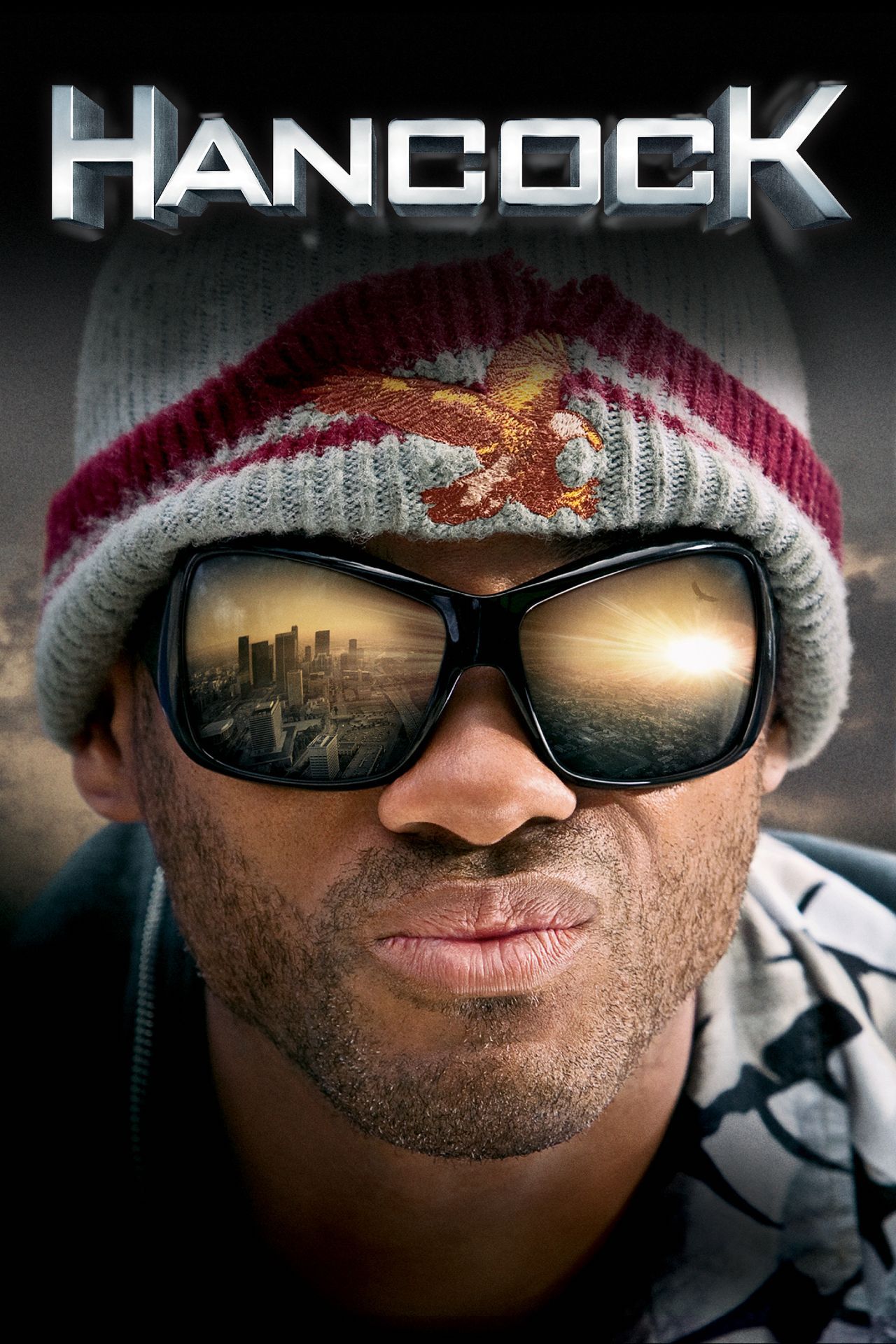
Hancock, portrayed by Will Smith, is a reckless and alcoholic superhero who finds himself reviled by the public due to the extensive collateral damage his actions cause. When PR specialist Ray (Jason Bateman) offers to help rehabilitate Hancock’s image, he embarks on a journey of self-improvement, even choosing to serve time in jail voluntarily to demonstrate his commitment to change. The second act reveals Hancock’s sincere transformation as he begins to save lives and gradually regains public trust. This evolution is compelling, and the relationship between Hancock and Ray adds a blend of warmth and humor. This section effectively anchors a larger-than-life concept in real-world consequences and character-driven storytelling.
However, the third act introduces an intriguing yet underdeveloped twist when Ray’s wife, Mary (Charlize Theron), is unveiled as an immortal being similar to Hancock, with a complicated history spanning thousands of years. In a surprising turn, a previously minor villain is reintroduced as the main antagonist, posing a threat to both Hancock and Mary. This tonal shift is jarring, but Hancock, especially when viewed through a contemporary lens, remains one of the more original entries in the superhero genre.
Hancock
- Release Date
-
July 2, 2008
- Runtime
-
102 minutes
6
‘Wonder Woman’ (2017)
Directed by Patty Jenkins
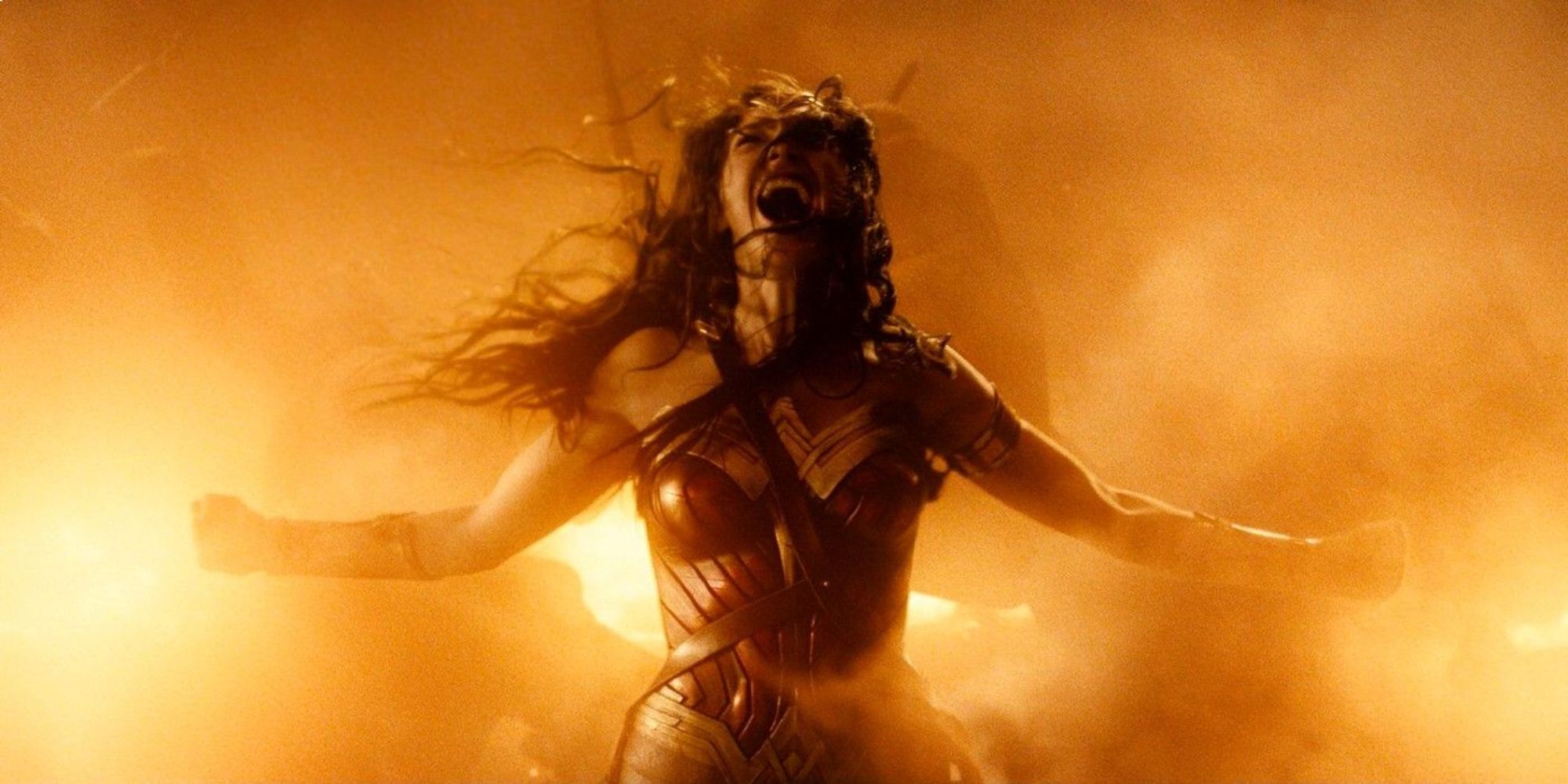
In Wonder Woman, Diana (Gal Gadot), a fierce warrior from the hidden island of Themyscira, ventures beyond her sheltered life when American spy Steve Trevor (Chris Pine) crash-lands near her shores, warning her of a global conflict—World War I. Convinced that the god Ares is the source of this war, she embarks on a mission to Europe to stop it. The second act of the film is its high point, featuring Diana’s iconic entry into the trenches of the Western Front in a sequence commonly referred to as No Man’s Land. Here, she courageously steps into battle alone, deflecting bullets and inspiring Allied soldiers to advance.
Up until this pivotal moment, Wonder Woman successfully intertwines the character’s journey with thrilling action sequences. It showcases Diana not only as a formidable warrior but also as a figure driven by compassion and strong convictions. However, the third act sacrifices this nuanced portrayal for a more conventional superhero showdown. The reveal of Ares as a bulky, armor-clad antagonist diminishes the moral complexity that the film had been building. The climactic battle becomes a CGI-laden spectacle, saved only by the sacrifice of Steve Trevor, which continues to resonate with Diana into the present-day timeline of the DCEU.
5
‘Jurassic World: Fallen Kingdom’ (2018)
Directed by J.A. Bayona
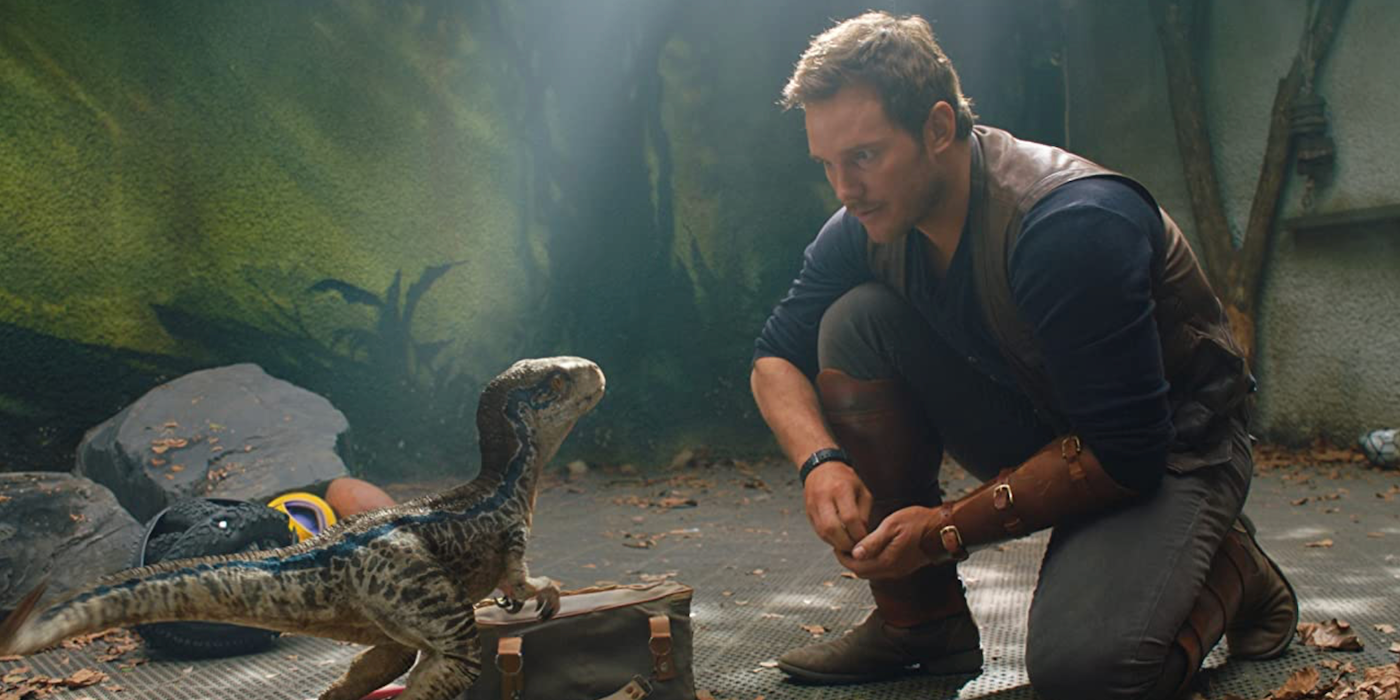
Jurassic World: Fallen Kingdom centers on Owen (Chris Pratt) and Claire (Bryce Dallas Howard) as they return to Isla Nublar to save the remaining dinosaurs from a looming volcanic eruption. The second act reaches its peak when the team arrives on the island, chaos erupts as lava rains down, terrified dinosaurs flee toward the sea, and the once-majestic park collapses into ruin. There’s a palpable sense of loss during this sequence, particularly highlighted by the haunting imagery of a Brachiosaurus left behind.
However, the third act takes a sharp turn in tone and location, transitioning to a gothic mansion where dinosaurs are auctioned to exaggerated characters. Doubling down on the hybrid dinosaur concept introduced in the first film, the narrative introduces Indoraptors, yet the confined setting and lack of believable motivation undermine the intense moments, despite being expertly directed by J.A. Bayona, who has experience in horror filmmaking. This scenario feels reminiscent of a Home Alone-inspired sequence found in Skyfall but lacks the necessary buildup. Ultimately, it feels more akin to a haunted house thriller than an epic dinosaur adventure.
4
‘World War Z’ (2013)
Directed by Marc Forster
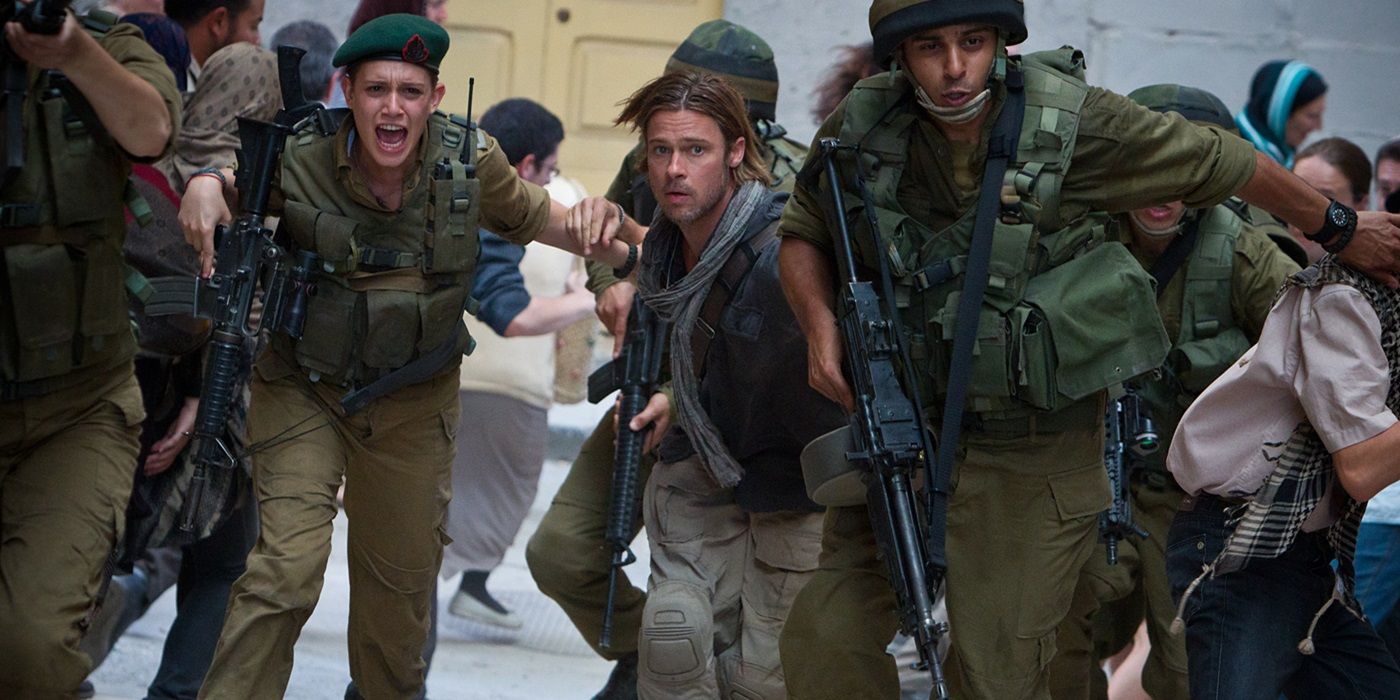
World War Z follows Gerry Lane (Brad Pitt), a former UN investigator, who is drawn back into action to combat a swiftly spreading zombie epidemic. His perilous journey spans the globe, taking him from the chaos of South Korea to the fortified city of Jerusalem and finally to a WHO facility in Wales, as he searches for clues that could lead to a cure. Up until the second act, the film maintains a relentless pace, filled with high-stakes chase sequences as Gerry and others narrowly escape the relentless zombie horde.
The success of the middle act lies in its ability to convey the magnitude and urgency of a genuine global crisis, with each new location introducing a unique form of tension. There’s an atmosphere of discovery and desperation as Gerry assembles information while continuously adapting to the chaos around him. However, the third act abruptly limits the film’s scope, confining the action to a quiet, dimly lit WHO facility. This conclusion is notorious for being a reshoot after the original, expansive Moscow-set battle sequence was scrapped. While the resolution is clever, after the adrenaline-fueled second act, the finale feels overly simplistic and anticlimactic.
3
‘Edge of Tomorrow’ (2014)
Directed by Doug Liman
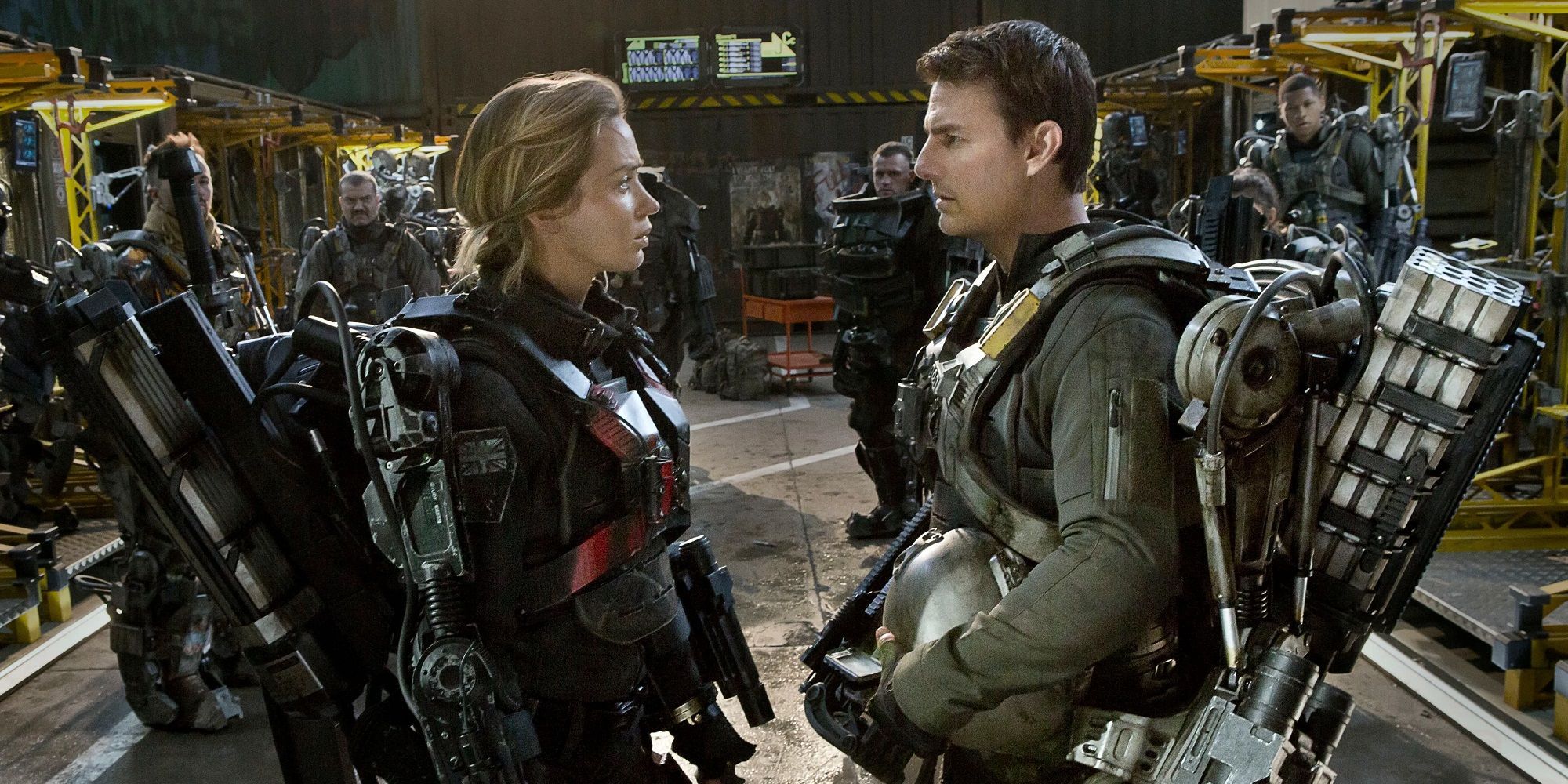
In <em>Edge of Tomorrow</em>, Earth faces an onslaught from a formidable alien species known as the Mimics, and untrained military PR officer Major William Cage (Tom Cruise) is thrust into combat. Despite his lack of preparation, he meets an untimely death, only to awaken at the beginning of the same day, caught in a time loop triggered by exposure to alien DNA. As he relives the day repeatedly, Cage trains alongside the legendary soldier Rita Vrataski (Emily Blunt) to decipher how to thwart the invasion.
The second act is the film’s highlight, showcasing Cage’s repeated deaths as he gradually transforms into a seasoned warrior. His evolving relationship with Rita adds emotional depth to the relentless cycle, while Cruise delivers one of his finest performances. However, once Cage loses the ability to reset time, the third act devolves into a more conventional action climax. The team’s attempt to infiltrate Paris and destroy the Omega is entertaining but lacks the creativity present in earlier parts of the film. It’s an enjoyable conclusion, but it fails to match the sharpness and satisfaction of what preceded it.
2
‘Pearl Harbor’ (2001)
Directed by Michael Bay
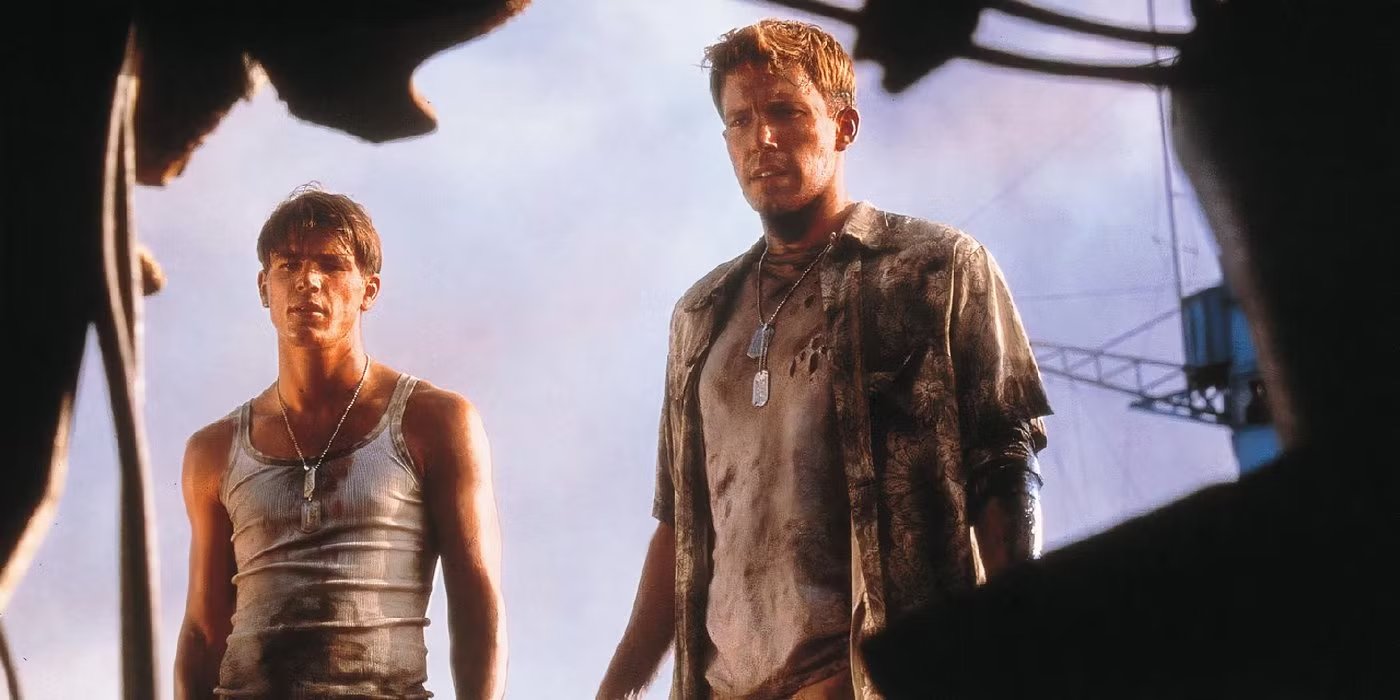
Pearl Harbor revolves around best friends Rafe (Ben Affleck) and Danny (Josh Hartnett), two American fighter pilots, and the woman they both love, Evelyn (Kate Beckinsale), a Navy nurse. Beginning as a sweeping wartime romance, the second act delivers the film’s most unforgettable moments, particularly when the Japanese launch their surprise attack on Pearl Harbor. This segment of the film plays to Michael Bay’s strengths, showcasing chaos and destruction in a manner that captivates audiences.
The attack is undeniably gripping and serves as the emotional and visual core of the film. However, the third act struggles to recapture that intensity. Instead of focusing on the aftermath of this tragedy, the narrative veers into a rushed revenge subplot, sending the characters on a bombing mission over Tokyo. This shift in tone undermines the emotional impact of the earlier devastation, and the love triangle melodrama attempts to emulate the emotional weight of Titanic, but it falls short in comparison to Jack and Rose’s story. Pearl Harbor had the potential to be a war epic from the master of explosions, but it ultimately emerges as one of the most disappointing blockbusters of the century.
1
‘War of the Worlds’ (2005)
Directed by Steven Spielberg
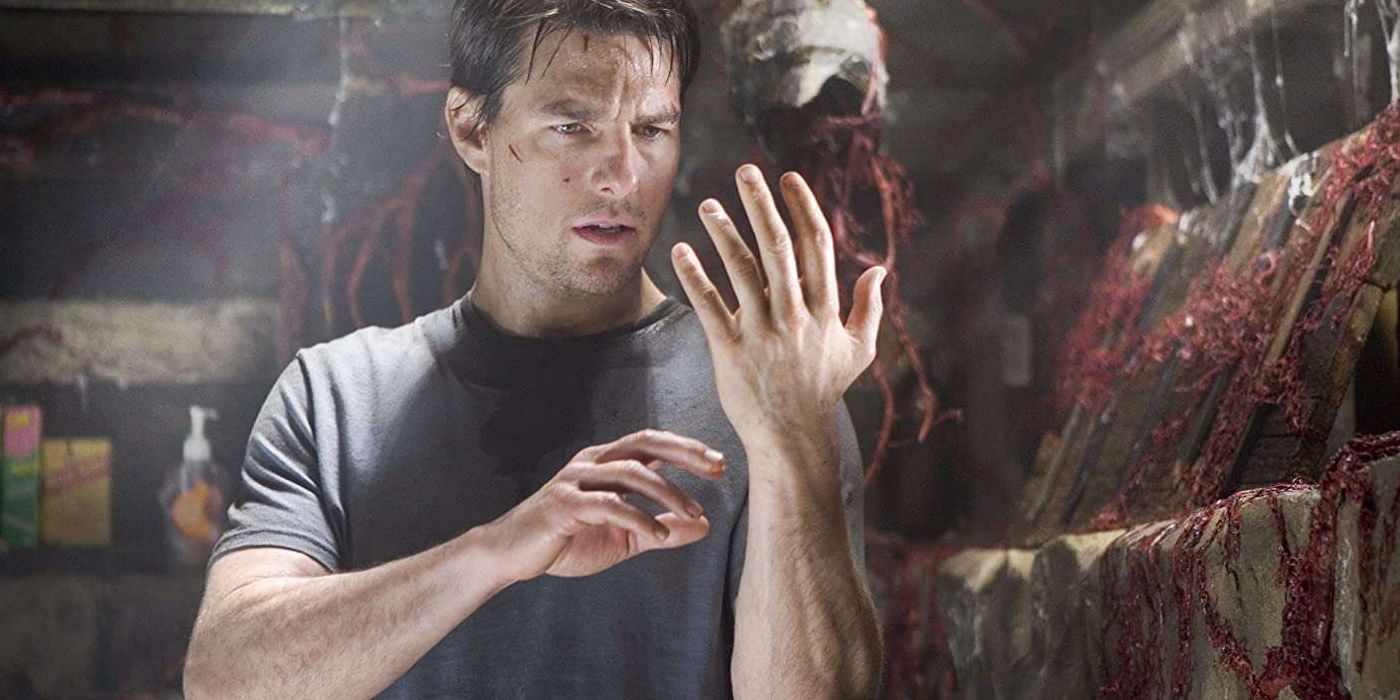
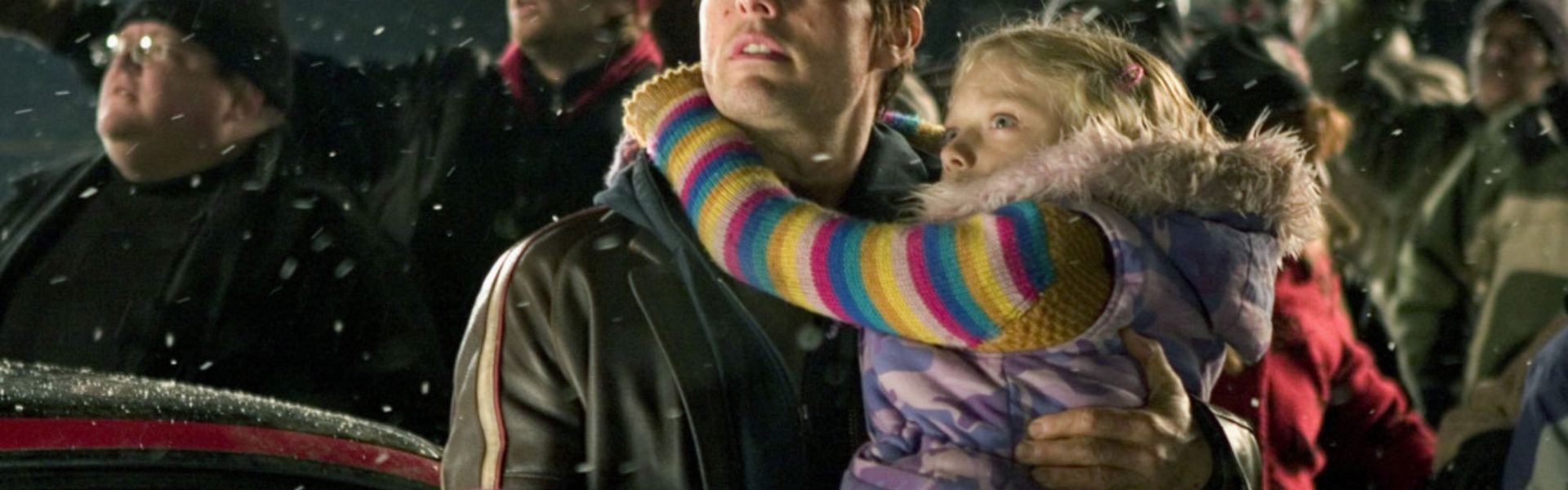
In War of the Worlds, Ray Ferrier (Tom Cruise) must flee with his children across a war-torn America when alien machines emerge from the ground and begin destroying cities. As Ray escapes with his daughter and estranged son, the second act immerses the family in the horrific realities of the invasion. The harrowing escape from a panicked crowd at a ferry terminal, the jaw-dropping destruction caused by the tripods, and the intense standoff in a basement highlight Steven Spielberg’s ability to create suspense and dread.
However, following such a masterful buildup, the third act falters with a hurried and overly convenient resolution. The aliens are swiftly defeated by Earth’s bacteria, which is a clever callback to the original H.G. Wells novel, but this abrupt resolution feels anticlimactic after the tension that preceded it. Ray’s sudden reunion with his unharmed son also strains believability and undermines the emotional weight of their journey. Influenced by the post-9/11 environment, War of the Worlds concludes on an oddly optimistic note that feels at odds with the bleak narrative that unfolded.