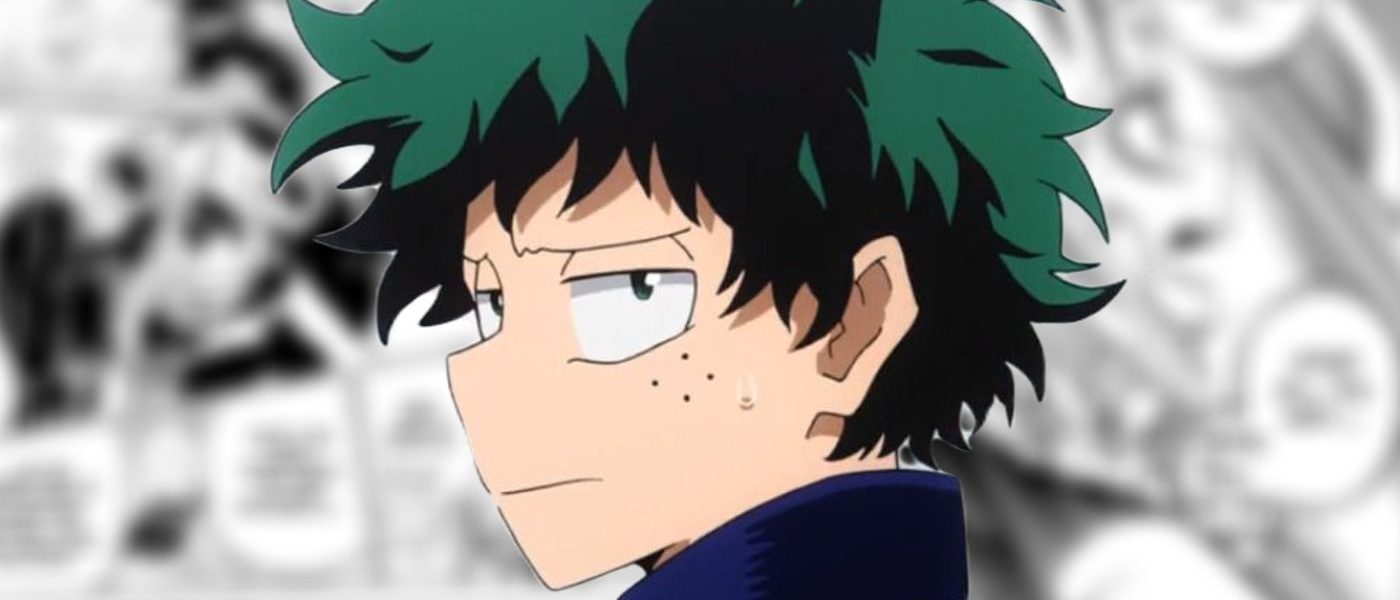

As My Hero Academia approaches its final season, fans are taking the opportunity to reflect on the series’ journey, celebrating its achievements while also acknowledging its challenges. Not every chapter of this beloved franchise garnered universal acclaim, but a prominent figure from the production team has stepped forward to champion the series’ most debated arc, the Cultural Festival.
The Cultural Festival represented a notable change in tone and pacing, particularly for those unfamiliar with the source material’s narrative flow. Following the intense and emotionally charged conclusion of the Shie Hassaikai Arc, where the students faced off against the formidable villain Kai Chisaki and his nefarious organization, My Hero Academia transitioned to a lighter atmosphere centered around the students preparing for routine school events.
Deku’s Japanese Voice Actor Defends the Cultural Festival as a Pivotal Moment in My Hero Academia
The Cultural Festival: A Controversial Arc That Divided My Hero Academia Fans
The Cultural Festival arc initially felt disjointed to many fans, especially after the high-octane events of Deku’s clash with Chisaki. In a revealing interview with ScreenRant during Anime Expo 2025, Daiki Yamashita, the Japanese voice actor for Izuku Midoriya, articulated the significance of the festival within the My Hero Academia narrative. He emphasized that this arc was crucial for character development and emotional relief.
“The Cultural Festival allowed the students to reclaim their youth after the intense Shie Hassaikai arc. The essence of My Hero Academia revolves around school life. Following this arc, it seemed that their academic experiences were overshadowed by the overwhelming global crises. I believe this festival arc served as a vital juncture for the manga.”
In light of the severe circumstances surrounding Eri’s perilous situation and her exploitation by Chisaki’s criminal organization, the abrupt pivot to mundane school activities can indeed feel disconcerting. This sentiment is echoed by the students themselves as they grapple with their identities as high schoolers, expressing shock at the sudden normalcy of their circumstances.
The Cultural Festival in My Hero Academia: A Vital Component for Character Growth
The Festival Provided Essential Breathing Space While Acknowledging Previous Events
Although the Cultural Festival arc is not laden with intense battles or shocking plot developments, it represented a crucial turning point for My Hero Academia. Kohei Horikoshi’s narrative shift allowed the characters the necessary time to process their grief, reassess their situations, and recognize that life can indeed hold moments of lightness amidst the darkness.
Related
Did You Think My Hero Academia’s Ending Was Controversial? The Original Ending Was Even More Divisive!
In a recent interview with its creator, Kohei Horikoshi, it was revealed that the original ending of My Hero Academia could have faced even greater backlash from fans.
As time progresses, it consistently serves as a reminder that moments of joy can coexist with the weight of sorrow. As Yamashita astutely noted, My Hero Academia fundamentally revolves around school life, and the heroes that audiences have come to love are merely students who deserve the chance to experience normalcy amidst their extraordinary challenges.
- Movie(s)
-
My Hero Academia: Two Heroes (2018), My Hero Academia: Heroes Rising (2019), My Hero Academia: World Heroes’ Mission (2021)
- First Film
-
My Hero Academia: Two Heroes (2018)
- Cast
-
Daiki Yamashita, Kenta Miyake, Nobuhiko Okamoto, Ayane Sakura, Yûki Kaji, Aoi Yuki, Kaito Ishikawa, Toshiki Masuda, Marina Inoue, Yoshimasa Hosoya
- TV Show(s)
-
- Character(s)
-
Izuku Midoriya, All Might, Katsuki Bakugo, Ochaco Uraraka, Shoto Todoroki, Tsuyu Asui, Tenya Iida, Eijiro Kirishima, Momo Yaoyorozu, Fumikage Tokoyami
- Video Game(s)
-
My Hero Academia: Battle for All, My Hero One’s Justice, My Hero One’s Justice 2
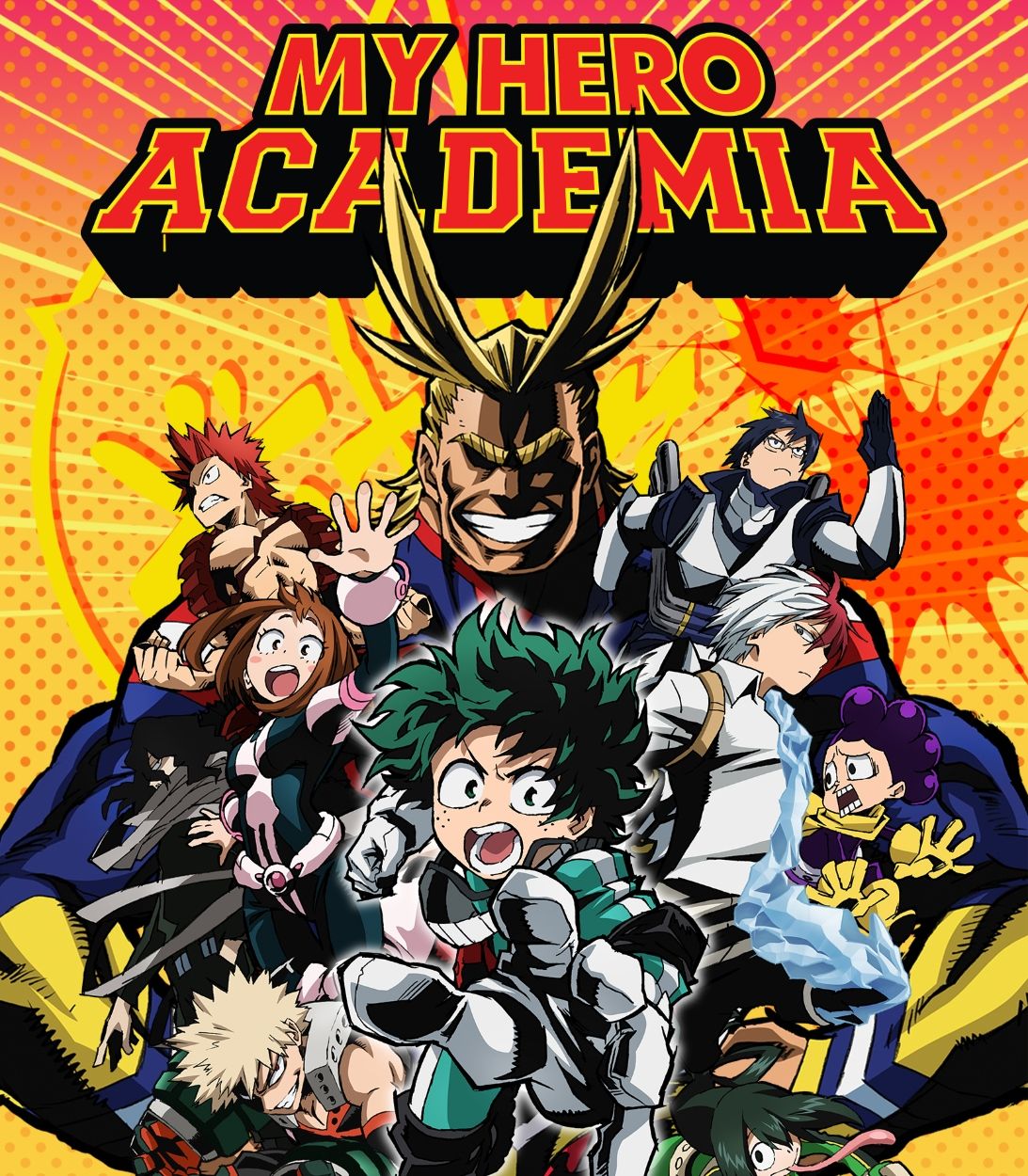
My Hero Academia is a multifaceted franchise that chronicles the adventures of a young boy named Izuku Midoriya, who aspires to become a hero despite being born without superpowers. These abilities, known as “Quirks,” are prevalent among most individuals after birth, leaving Izuku at a disadvantage until a fateful encounter with All Might, Japan’s most revered hero, grants him the opportunity to inherit a Quirk. This pivotal moment leads Izuku to enroll in U.A. High School, where he embarks on a transformative journey to understand the true essence of heroism. Alongside his classmates, each possessing unique abilities, Izuku faces rigorous training and formidable threats posed by villainous forces.