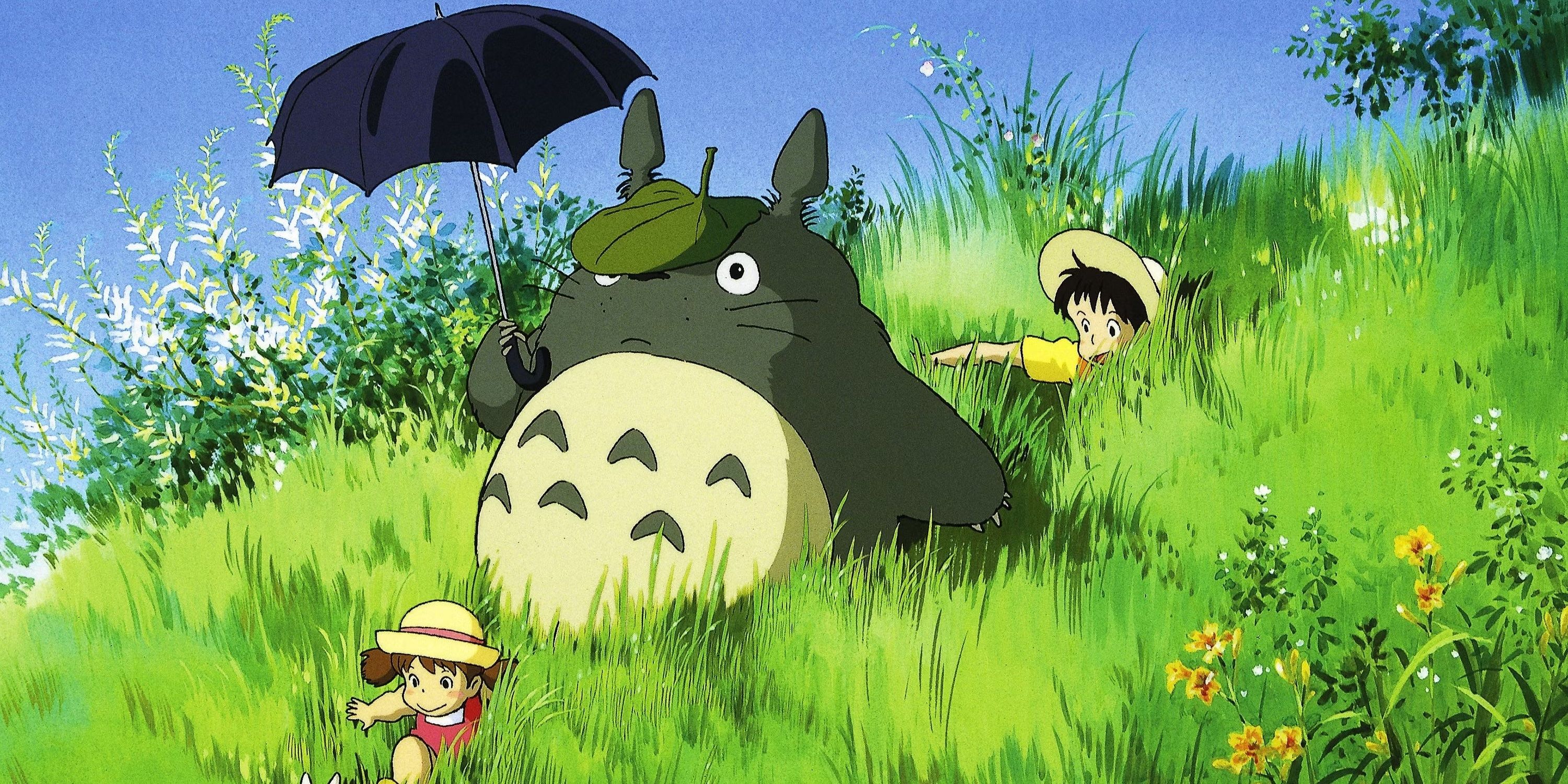
<em>My Neighbor Totoro</em> is widely regarded as a pivotal anime film of the 20th century, playing a crucial role in establishing Studio Ghibli as a powerhouse in the animation industry. Surprisingly, the production of Totoro was executed with an exceptionally small team, raising questions about how such a remarkable film was completed under such constraints.
My Neighbor Totoro, released in 1988, tells the enchanting story of two young sisters navigating a challenging period in their lives as they encounter the whimsical forest spirit known as Totoro. The film has become synonymous with warmth and comfort, offering viewers an escape into a magical world that they can revisit anytime they desire, simply by watching the movie.
Discover the Surprisingly Small Team Behind My Neighbor Totoro’s Animation
How a Small Group of Animators Brought My Neighbor Totoro to Life
According to Studio Ghibli producer Toshio Suzuki, My Neighbor Totoro was brought to life by a mere team of eight talented individuals, which is remarkably small even by the standards of that era in animation. What is even more astonishing is that this dedicated group managed to complete the entire animation process within just eight months, showcasing an extraordinary pace that is rarely seen in the animation industry.
Creating an animated feature with such a minimal team is almost unimaginable in today’s standards. The animators working on Totoro likely endured extensive overtime to ensure the film was completed in such a compressed timeline. If even one animator had encountered an emergency and been unable to work, the film’s completion could have been jeopardized.
Today, there are numerous factors that would prevent the use of such a small team for an animated film. Primarily, the goal is to alleviate the immense pressure placed on animators. Additionally, modern anime films typically require a higher frame rate than those of the past, which means that animators must produce more drawings per minute. This increased demand would surpass what a small team could realistically handle.
For instance, The Boy and the Heron reportedly took an entire month to create just a single minute of completed animation. That film was in production for over six years, involving a team of 60 animators who were each responsible for creating just one minute of footage each month.
The Hasty Production Process of My Neighbor Totoro
Why My Neighbor Totoro Was Not Studio Ghibli’s Sole Focus
During the animation process of My Neighbor Totoro, Studio Ghibli was also engaged in the production of another film: the somber yet visually stunning Grave of the Fireflies. With the studio’s focus divided between these two projects, resources were limited, resulting in the small team of animators dedicated to Totoro.
However, the story of Totoro extends far beyond its animation. Although it premiered in 1988, the film’s journey began many years prior. As early as 1970, Hayao Miyazaki had sketched the character of Totoro and a prototype version of Mei, investing years into developing this idea into a project that would ultimately receive approval for production.
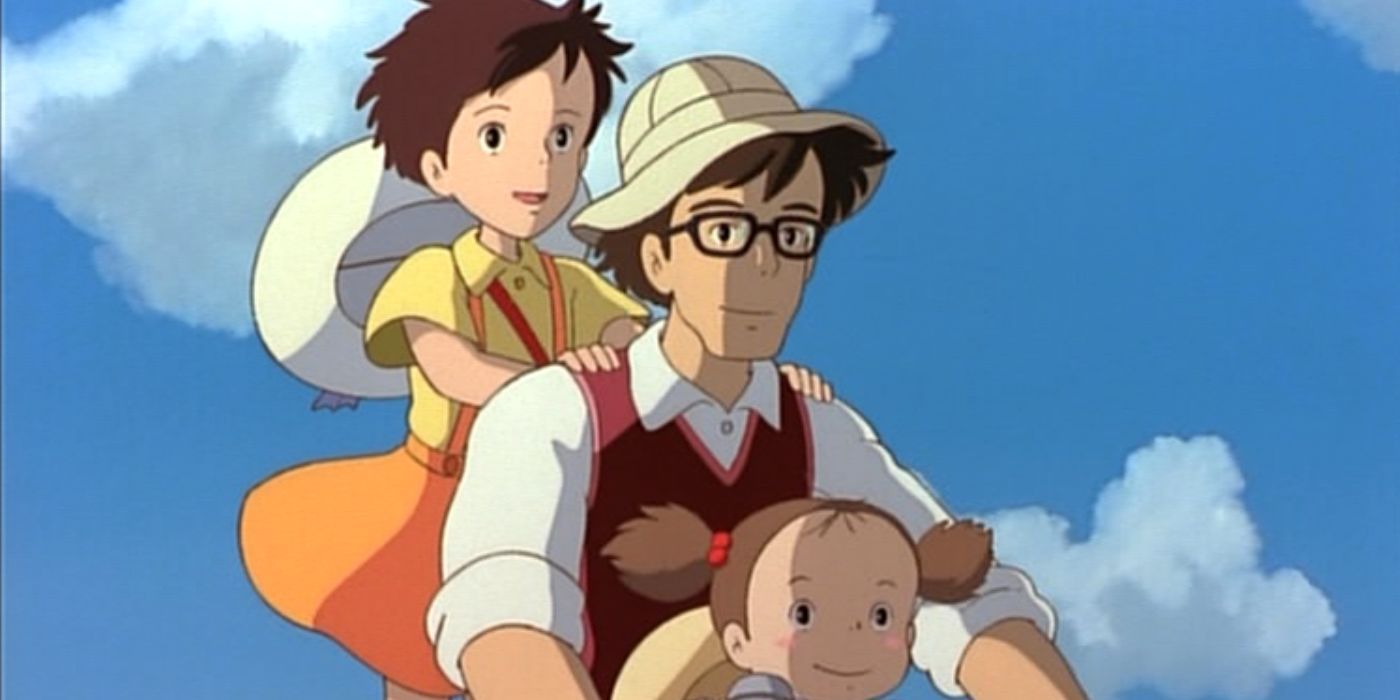
In 1986, Miyazaki commenced serious work on what would become My Neighbor Totoro, conceptualizing the two sisters, Mei and Satsuki, who serve as the film’s primary protagonists. The evolution of Totoro involved several intriguing twists, including an early version where the backdrop featured a conflict between Totoro and humans.
Ultimately, My Neighbor Totoro may not have reached completion in its final form if it weren’t for the simultaneous focus on Grave of the Fireflies. The two films were eventually presented as a double feature, aimed at appealing to schools interested in showing Grave of the Fireflies for educational purposes.
How My Neighbor Totoro’s Brief Production Timeline Led to Its Success
Evaluating the Reception of My Neighbor Totoro
The decision to screen Grave of the Fireflies alongside My Neighbor Totoro as a double feature proved to be a double-edged sword. The somber themes of Grave of the Fireflies dissuaded many families from attending showings of Totoro, despite the fact that merchandise featuring Totoro and the Catbus reportedly sold exceptionally well.
While My Neighbor Totoro did not achieve monumental box office success at first, the revenue generated from merchandise sales was pivotal in helping Studio Ghibli recover after the ambitious undertaking of producing two films concurrently. Although both films would later be celebrated as cinematic masterpieces, the critical reception at the time was surprisingly subdued.
My Neighbor Totoro‘s lack of conflict, stunning visuals, and imaginative storytelling made it an incredibly soothing experience for young audiences, quickly elevating Totoro to a beloved character among fans.
Over the years, My Neighbor Totoro has consistently been recognized among the greatest films of all time, often hailed as a near-perfect movie for children. Its absence of conflict, coupled with its breathtaking artistry and whimsical narrative, creates a calming viewing experience for young viewers, further solidifying Totoro’s status as a cherished character.
Not only has Totoro achieved classic status, but his popularity has soared to the point where he has become the official mascot of Studio Ghibli. In present times, Totoro stands as one of the most recognizable Japanese mascots, rivaled only by iconic characters such as Mario.
How My Neighbor Totoro Paved the Way for Future Ghibli Productions
The Lasting Influence of Totoro on Studio Ghibli’s Future Films
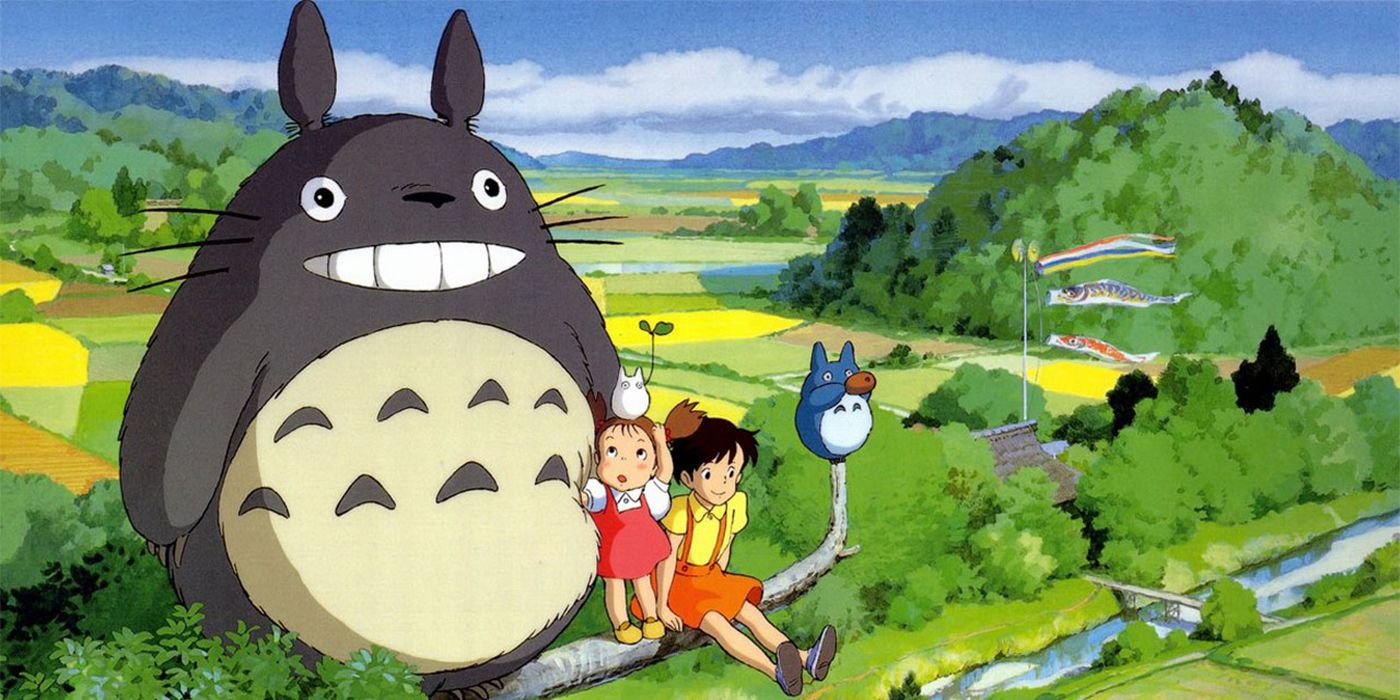
In many respects, My Neighbor Totoro established the blueprint for what constitutes a Studio Ghibli film, and it served as a defining work for the studio’s identity. Subsequent films such as Spirited Away, Ponyo, and Kiki’s Delivery Service took the serene essence of Totoro and further enhanced it, incorporating additional fantastical elements that captivated audiences.
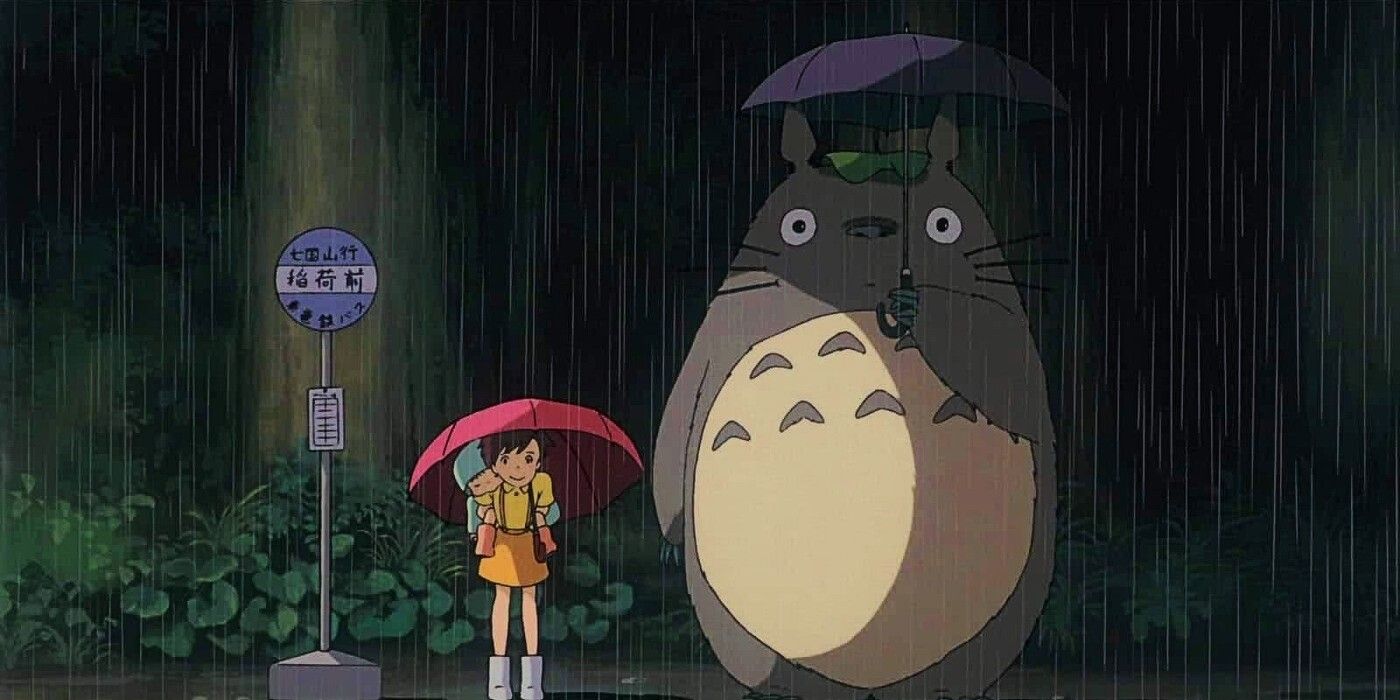
Totoro continues to be a central figure in various Ghibli projects, including the upcoming theme park in Japan. Fans from around the globe flock to the “Totoro Bus Stop” located in Oita prefecture, and even after more than 35 years, the demand for Totoro merchandise remains robust among both children and adult enthusiasts.
Ultimately, the production of My Neighbor Totoro stands as a testament to the resilience and creativity of its creators, who navigated through numerous challenges that began as early as the 1970s to bring this beloved story to life. Without the simultaneous production of Grave of the Fireflies, it’s possible that Totoro would not have materialized in the form that fans cherish today. The long-term success of My Neighbor Totoro played a significant role in shaping Studio Ghibli into the iconic studio it is now, showcasing a true miracle in animation history.
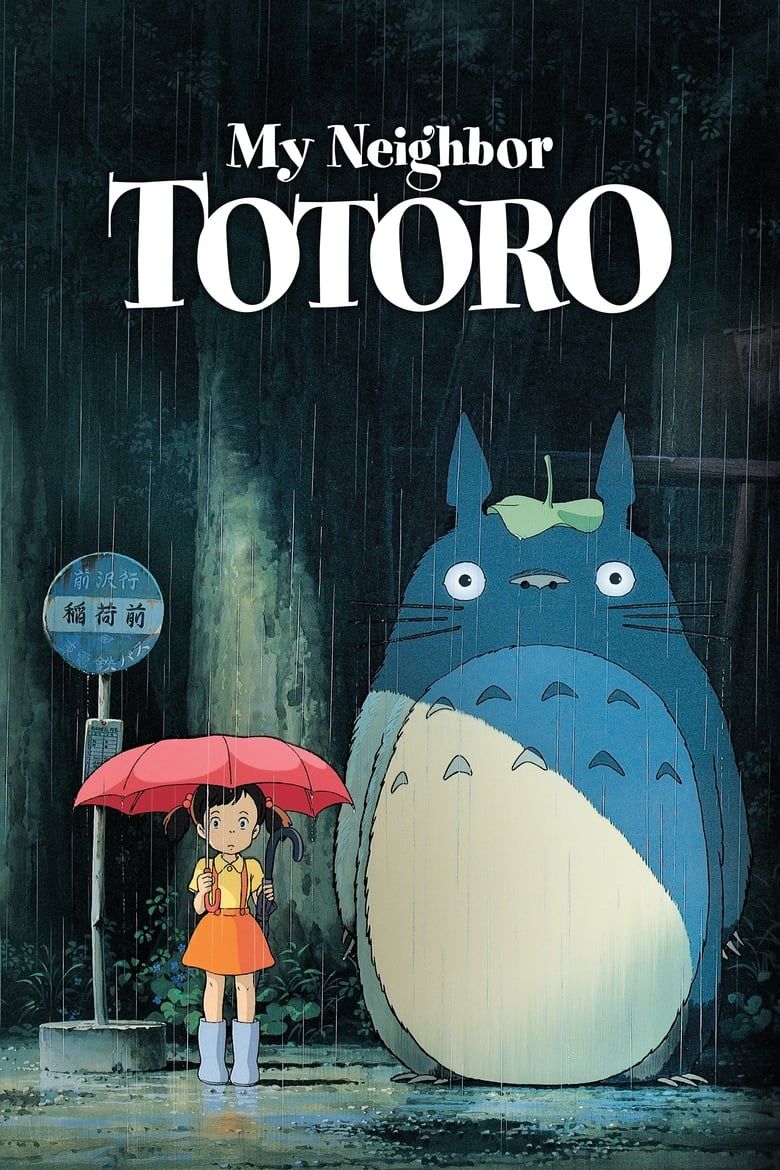
Experience My Neighbor Totoro

9/10
- Release Date
-
April 16, 1988
- Runtime
-
86 minutes
- Producers
-
Tooru Hara, Toshio Suzuki
-

Noriko Hidaka
Satsuki Kusakabe (voice)
-
Chika Sakamoto
Mei Kusakabe (voice)