In April, Colossal Biosciences captured headlines around the world with the reveal of its first cloned dire wolves. The announcement, and proof that de-extinction efforts are making significant progress, ignited global fascination and the obvious fantasy-themed connections, but buried within the same announcement was another milestone that largely went unnoticed: the first successful cloning of a critically endangered red wolf.
As the dire wolves dominated the spotlight, the significance of that red wolf breakthrough and Colossal’s broader conservation mission was easy to miss, but it’s the more timely and arguably more important work also happening at the moment.
COLOSSAL UPDATE
Colossal’s Dire Wolves Surpass Yellowstone Wolves in Size With Plans to Expand the Pack
From birthday milestones to future expansion, I have the latest dire wolf details from touring Colossal Biosciences HQ.
Now, six months later, I wanted to return to this story as that world’s first cloned red wolf, Neka Kayda, celebrates her first birthday today. For Colossal Biosciences, Neka is not just a scientific achievement. She is a symbol of how de-extinction and conservation go hand in hand, and how technologies developed for resurrecting lost species are already being applied to save those still clinging to survival.
“She’s now one year old, and she’s now moving into adolescence and adulthood, and she’s at this stage where she’s completely healthy.”
Yesterday I spoke with Colossal CEO Ben Lamm about Neka’s birthday, and he admits the milestone feels surreal. “Watching them grow and evolve over the last year has been amazing. And it’s also got this extra layer, because not only is it hope for conservation, and the technologies could be applied to conservation, but then separately, even though she’s not the first of her kind, she’s the first of her cloned kind, which is pretty interesting.”
Why The Red Wolf Matters
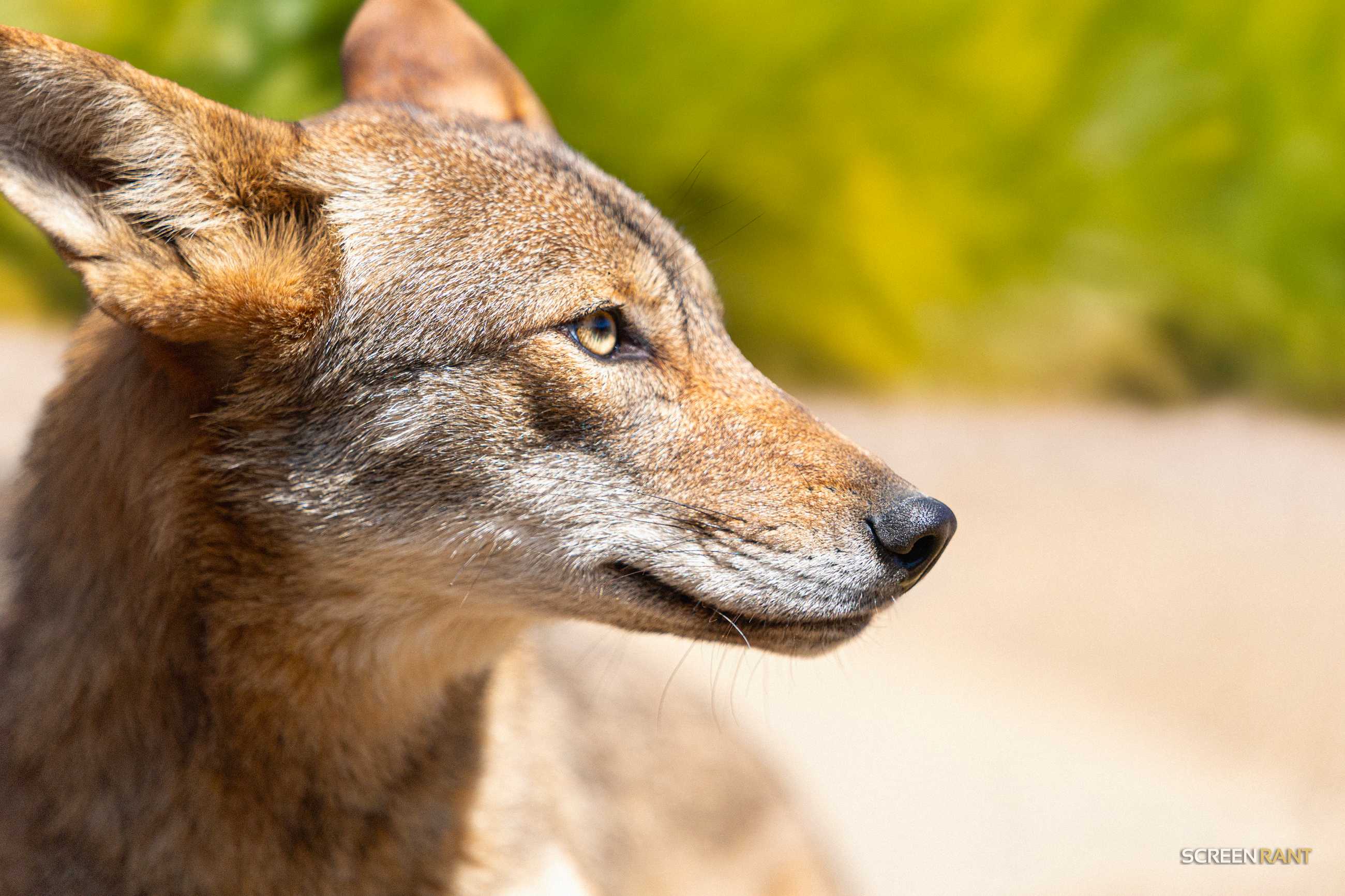
The red wolf is the only wolf species endemic to the United States, and today fewer than 20 survive in the wild. That staggering reality made the species an urgent candidate for Colossal’s cutting-edge technologies, and it aligned well with their de-extinction efforts which helped make it happen.
“The red wolf is only endemic to the United States, and it’s the most endangered wolf in the world? That’s crazy to me. We look at all of this infrastructure, all these technologies, and we can’t save an American icon? What’s wrong with us? And so it was a no-brainer for us to want this be our conservation application of the dire wolf technologies.”
Let’s talk science! Lamm explains that Neka’s birth was made possible by a new approach using endothelial progenitor cells, or EPCs. These cells come from the inner lining of blood vessels and can be collected through a simple blood draw, he explains. Unlike traditional cloning methods that require tissue samples or biopsies, EPCs can be non-invasive and easier to work with.
While they don’t have quite the flexibility of some other stem cells, EPCs are ideal for both biobanking and genetic engineering, making them a powerful tool for conservation and Colossal’s plans. “This EPC cloning and biobanking technology that we developed for this is a pretty monumental step for conservation, way beyond just red wolves,” Lamm says.
“We look at all of this infrastructure, all this technologies, and we can’t save an American icon? What’s wrong with us?”
By pairing the urgency of red wolf conservation with new advances like EPC cloning, Colossal sees an opportunity to expand the genetic base of the species and demonstrate how biotechnology can help by accelerating recovery of endangered species. The red wolf is just one of the notable species visualized on one of the halls within their new HQ.
Conservation Challenges, Opportunities and Data Sharing
…
The existing red wolf population faces a dangerous genetic bottleneck, with only a few founder lines represented. By cloning additional wolves from preserved samples and ghost populations, Colossal hopes to more than double that number. Neka Kayda is just one of four red wolves that Colossal has successfully cloned, and they live together on an ecological preserve.
“We have four red wolves today that all could be entered back into the captive breeding program,” Lamm said.
“It would more than double the founder lines, which would be amazing.”
…
…
According to the U.S. Fish and Wildlife Service’s most recent release strategy, there are only 17 to 19 red wolves left in the wild in eastern North Carolina, with just two known family groups remaining. They were even declared extinct in the wild in 1980 until the agency stepped in with a breeding program. They’re now working to create up to five new breeding pairs by mid-2025 through pup fostering, pairing unpaired wild wolves, and releasing animals from the captive SAFE program. Colossal’s work with Neka and her cloned siblings aims to complement those efforts by adding new founder lines and genetic diversity that can strengthen both captive and wild populations over time.
…
Colossal also sees genetic rescue as a critical tool alongside cloning. When I asked Chief Animal Officer Matt James how realistic it is that red wolves can be saved…
…
Together these partnerships reveal how Colossal aims to complement traditional conservation efforts…
Dire Wolf vs. Red Wolf: Timing and Public Perception
The imbalance highlights a central tension for Colossal…
The Future of Red Wolf Recovery
…
…
Lamm envisions Neka as a spark for recovery…