Key Takeaways
- James Cameron opposes Netflix’s potential acquisition of Warner Bros. Discovery, citing concerns for the theatrical film industry.
- Cameron believes that a Netflix takeover could lead to significant job losses in the film sector.
- The director emphasizes the importance of theatrical releases for maintaining the cinematic experience.
- Cameron questions Netflix’s commitment to theatrical windows despite previous assurances from its co-CEO.
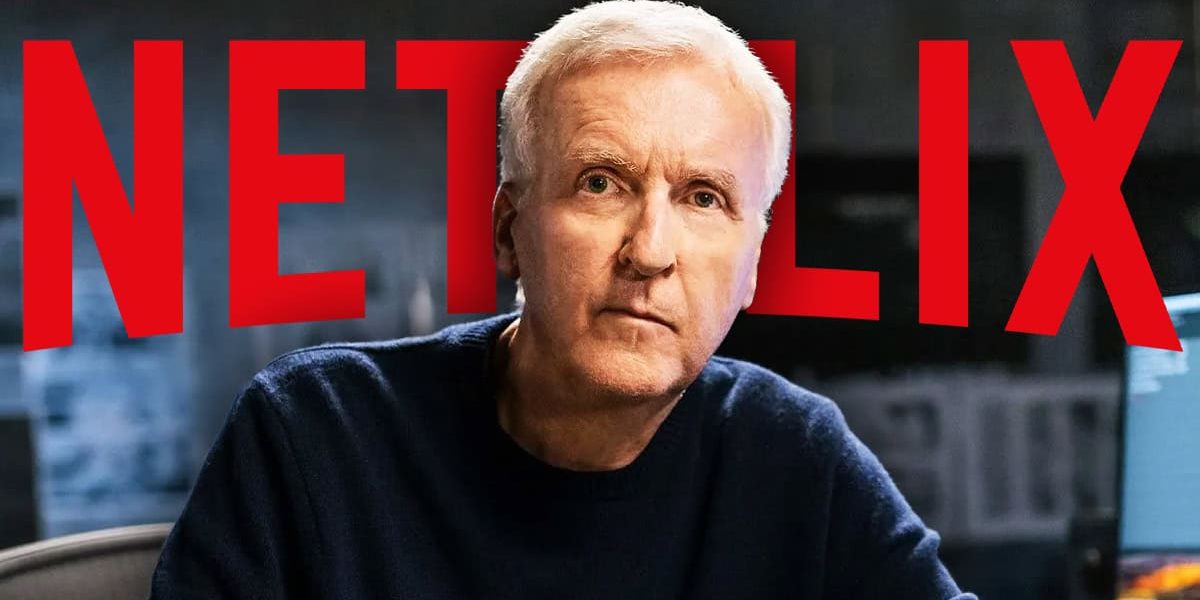
Who will emerge victorious in the bidding war for Warner Bros. Discovery? Netflix or Paramount? Although Warner Bros. has seemingly been keen on Netflix, recent events have seen the studio more seriously consider Paramount’s offer. One person who would prefer to see Warner Bros. join forces with Paramount is James Cameron, who called the idea of Netflix controlling the centuries-old studio “disastrous.“
Cameron Wrote a Letter to Sen. Mike Lee
Cameron made his feelings known (again) in a letter written to Sen. Mike Lee, who chairs the Senate subcommittee on antitrust, competition policy, and consumer rights.
“I believe strongly that the proposed sale of Warner Bros Discovery to Netflix will be disastrous for the theatrical motion picture business that I have dedicated my life’s work to,” Cameron wrote. “Of course, my films all play in the downstream video markets as well, but my first love is the cinema. I have been among the pioneers in enhancing the theatrical experience, through the creation of digital 3D production systems, advanced visual effects technologies, and pioneering high frame rate display. Theatrical exhibition is a critical part of my creative vision. I believe in the big screen.“
A Netflix Takeover Could Mean Massive Job Losses
Cameron believes that Netflix’s business model is directly at odds with the theatrical business and will ultimately result in substantial job losses.
“Netflix co-CEO Ted Sarandos has called movie theaters ‘an outdated concept’ and an ‘outmoded idea.’ He has also said, at a recent earnings call, ‘Driving folks to a theater is just not our business.’ The business model of Netflix is directly at odds with the theatrical film production and exhibition business, which employs hundreds of thousands of Americans,” Cameron wrote. “It is therefore directly at odds with the business model of the Warner Brothers movie division, one of the few remaining major movie studios. Warner Bros. releases approximately 15 theatrical movies a year, and the beleaguered motion picture exhibition community desperately depends on that output.“
When Sarandos testified before the Senate subcommittee, he committed to a 45-day theatrical window, but Cameron isn’t convinced they will hold to that. “What are the teeth in the deal?” he questioned. “What administrative body will hold them to task if they slowly sunset their so-called commitment to theatrical releases? But once they own a major movie studio, that is irrevocable. That ship has sailed.“
“I am but a humble movie farmer,” Cameron concluded. “And I see my future creativity and productivity directly threatened by this proposed sale.“

Subscribe to our weekly newsletter