Johnny Ma’s The Mother and the Bear ushers in the 2026 cinema slate — and the upcoming Lunar New Year, in February — with a gentle kick of the heart in the vein of While You Were Sleeping. It’s been a long road for Ma’s film, which premiered at the Toronto International Film Festival in 2024, but perhaps that’s just as well: its sweet and simple depiction of a Chinese mother and her Canadian immigrant daughter feels like the right, earnest opening salvo for a hopeful new beginning.
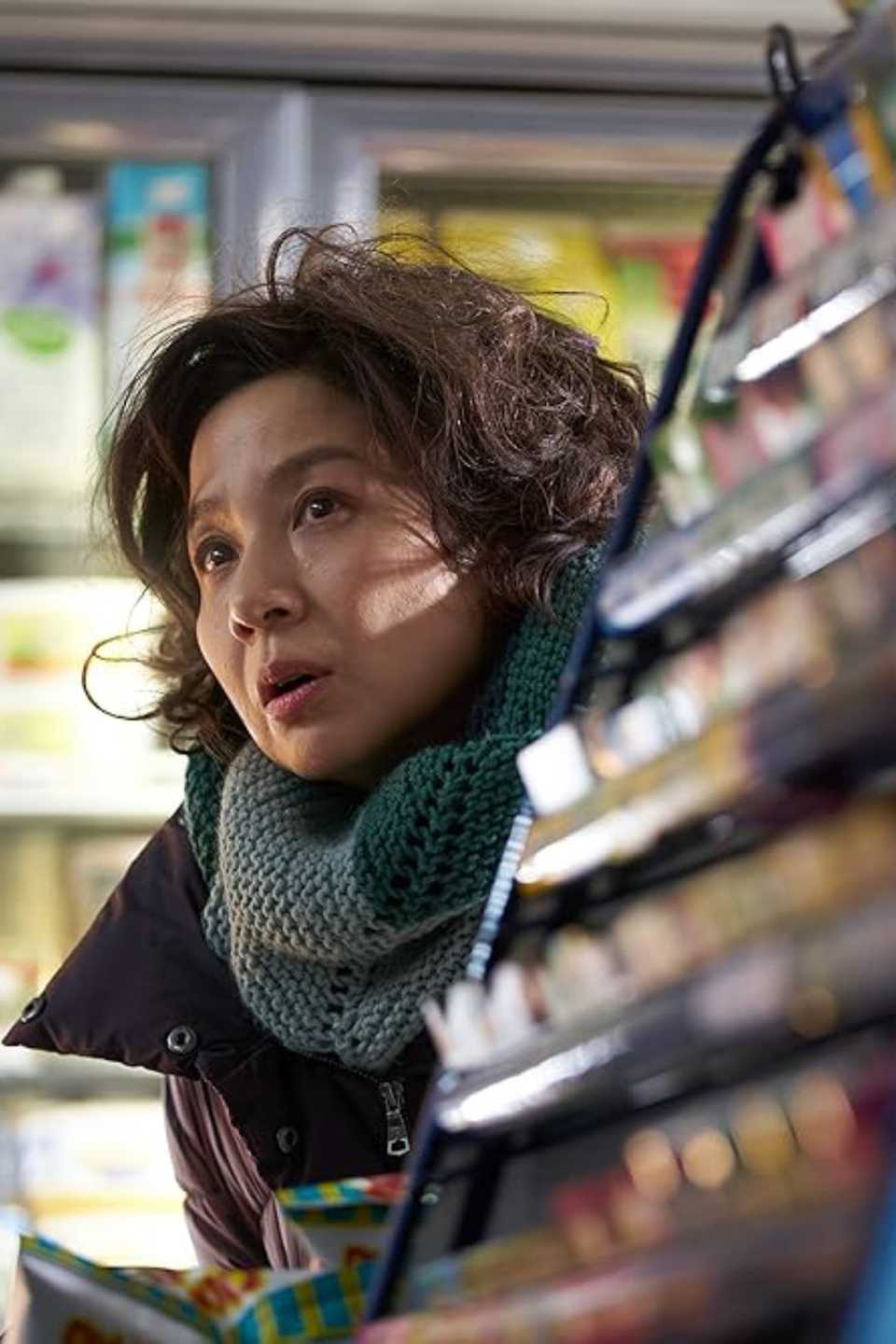
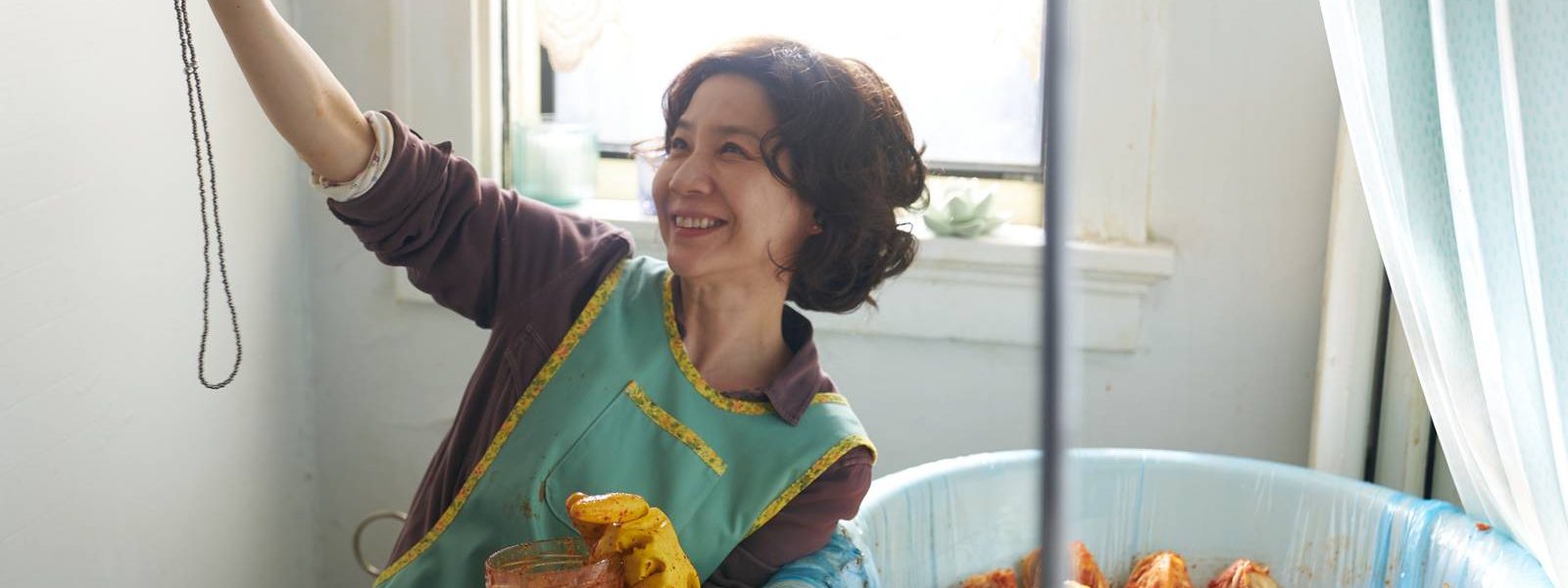
The Mother and the Bear is anchored by Kim Ho-jung’s performance as an overbearing parent whose matriarchal devotion borders on dangerously obsessive. As single mother Sara, Ho-jung demonstrates a charming childishness borne out of an over-reliance on her daughter’s love, combined with unresolved grief over the loss of her husband. Alone in China, Sara sacrifices a deeper understanding of herself out of unconditional – if paranoid – love for her kin.
The Mother and the Bear Goes Down Easy — Even With Its Handful of Trite Tropes
To her absolute confusion, Sara’s daughter, Sumi (Leere Park), has moved to Winnipeg, where she braves the cruel winters and works as a piano teacher at a local performing arts center for children. For whatever reason, their relationship is strained. Sara incessantly leaves voicemails for Sumi, who seemingly refuses to answer the phone. After leaving work one day, Sumi follows a rat into a darkened alleyway, where she subsequently is startled by what sounds like a bear.
The noise is so sudden that Sumi trips and falls on her head, and, by the time Sara has arrived in Winnipeg to help, Dr. Jennie (Samantha Kendrick) has put her in a medically-induced coma in an abundance of caution. As it would be for any parent, the revelation is terrifying for Sara — even though she is told repeatedly that there is essentially no danger of Sumi dying — and the whole thing just confirms Sara’s most ardently held belief: Sumi needs a man to take care of her. This would never have happened if she had a husband.
As Sara putzes around her daughter’s newly moved-in apartment, she slowly begins to understand who her daughter is, ironically without Sumi’s input. She meets her close friend and coworker, Amaya (Amara Pedroso), wanders around the surrounding parks, and witnesses her daughter’s impact on the young kids she mentors. But so distraught is she by Sumi’s accident that she also makes a certain drastic, and morally dubious, choice: she creates an online dating profile for her and begins to catfish a handsome Korean man.
At the same time that she tries to make someone fall in love with her daughter, Sara begins her own flirtation with the owner and proprietor of a nearby Korean restaurant, Seoul Kitchen. Sam (Lee Won-jae), is just as devoted to perfecting kimchi as she is, is also single, and also has a child that stubbornly refuses to date the “right” (aka Korean) person. In fact, that son is a man that Sara runs into at a mini-mart, who happens to be dating Sumi’s doctor.
The chain of personal dynamics defies rational belief. It may be that Ma is implicitly demonstrating the tightness of a diasporic community in an unlikely place — and how it’s sometimes easier to find a home away from home than where you came from in the first place — but logically, it’s all a little silly. It’d be one thing if the film played in the realm of magical realism, but it doesn’t (save for one, decidedly odd moment near the end), so the auspicious way that this woman finds herself in a spider-web of complicated relationships threatens the film’s good time.
But, mostly, The Mother and the Bear is a tender movie about self-discovery for a character who has all but assumed the time for such a thing has passed. Ho-jung sets an early, sky-high bar for acting in 2026, and for the most part, her charm is enough to carry the movie to its overly tidy end. This is the kind of film whose well-telegraphed revelations hardly matter since, in a way, you’re here for the comfort of predictability. Less successful in this regard is the cluelessness of Sara as she discovers the world of young people, as in the extremely trite, well-trodden joke of assuming Sumi’s vibrator is actually a toy for back massaging.
When Ma focuses on the grounded journey of Sara’s fish-out-of-water story and the genuine chemistry between her and Sam, the film sings. Composer Marie-Hélène Leclerc-Delorme’s off-kilter score emphasizes the alien-like tactility of trying to exist in a place you didn’t want to be in, and watching Ho-jung operate in these circumstances makes the film an endlessly breezy, uplifting ride. As Sara continues down the long, snow-covered road of her own journey, here’s hoping our new year, lunar or otherwise, is as fruitful as hers.
The Mother and the Bear opens in select American cities on January 2nd, and in Canada on January 9th.