
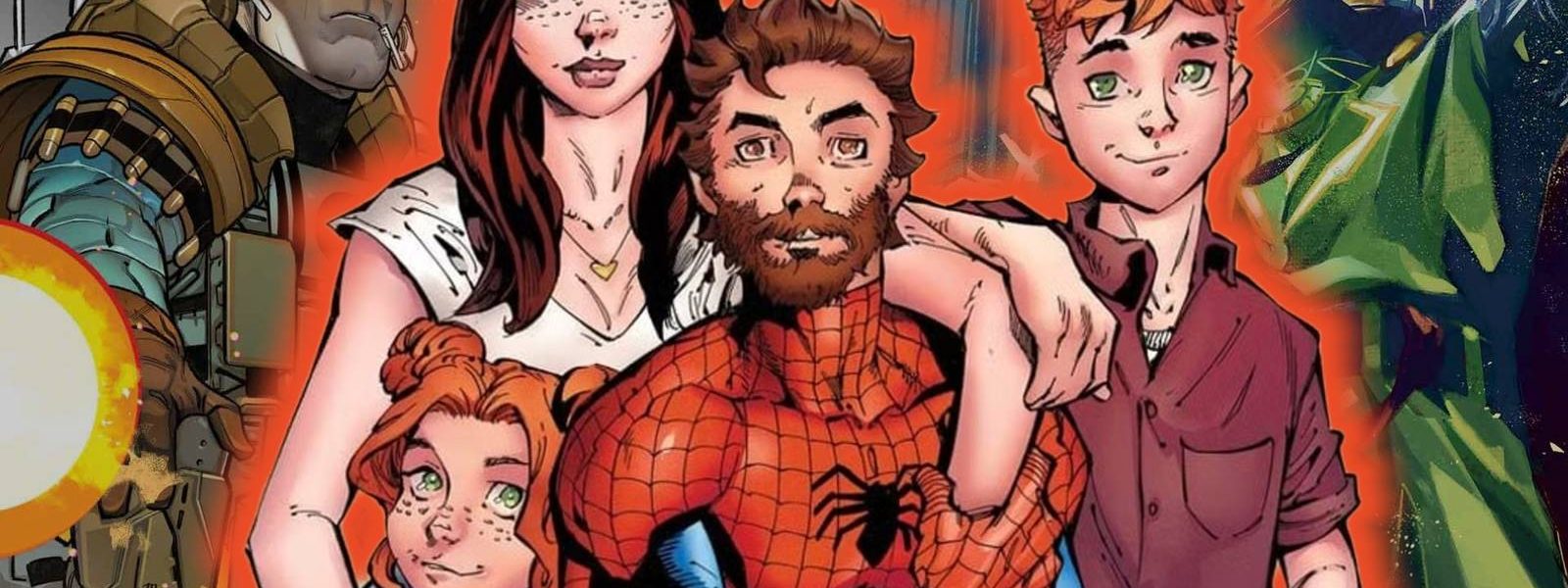
As the calendar transitions from 2025 to 2026, it presents an opportunity for Marvel Comics to reflect on their practices and enhance the experience for readers. Comics are an art form, and it’s crucial that the visions of writers and artists are accurately portrayed; however, this becomes increasingly challenging as readership declines.
These New Year’s resolutions stem from a place of affection and are not intended to undermine anyone’s efforts. Readers have a deep connection to these characters, and we desire the best for them. The same sentiment applies to those who create these titles. Since we all share the same goal, understanding both sides of the comics industry can be beneficial. The hope is that regardless of what the upcoming year brings, we all continue to cherish the comics we read.
Reduce the Number of Mutant and Spider Books
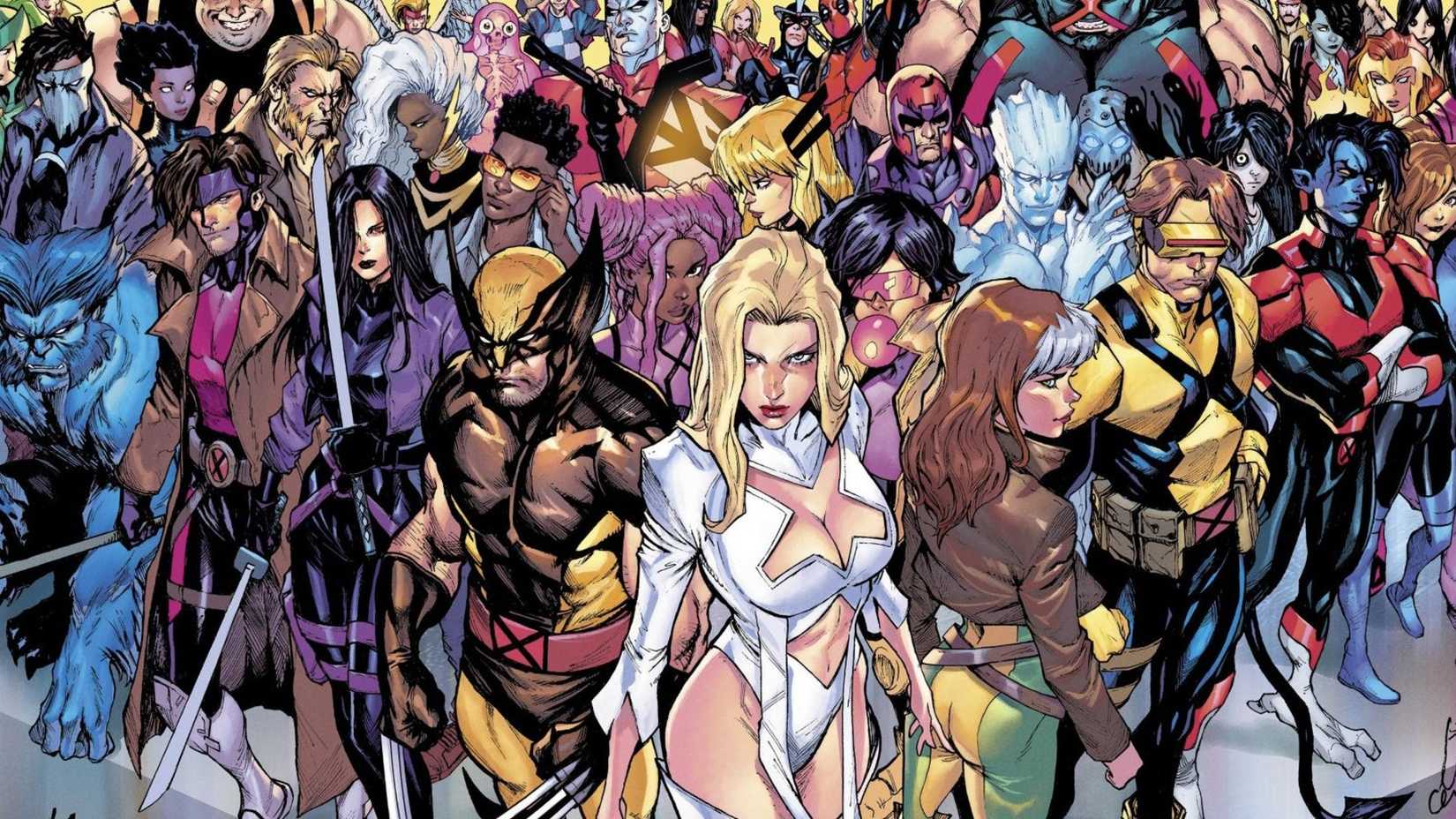
The January 2026 solicitations feature nearly two dozen titles from the X-Men and Spider-Man families, including those from the Ultimate Universe. Excluding Star Wars and a few non-MCU titles, this represents over half of the releases for that month. It’s simply too many for any reader to keep up with.
While not every reader will engage with every title, how can one expect to follow the lives of Marvel’s Merry Mutants when it would cost approximately $50 a month just for X-Family titles? By launching so many titles at once, there is a high likelihood that many will experience poor sales—not due to a lack of quality in stories or art, but because readers cannot afford them.
Spider-Man and Mary Jane Should Reunite
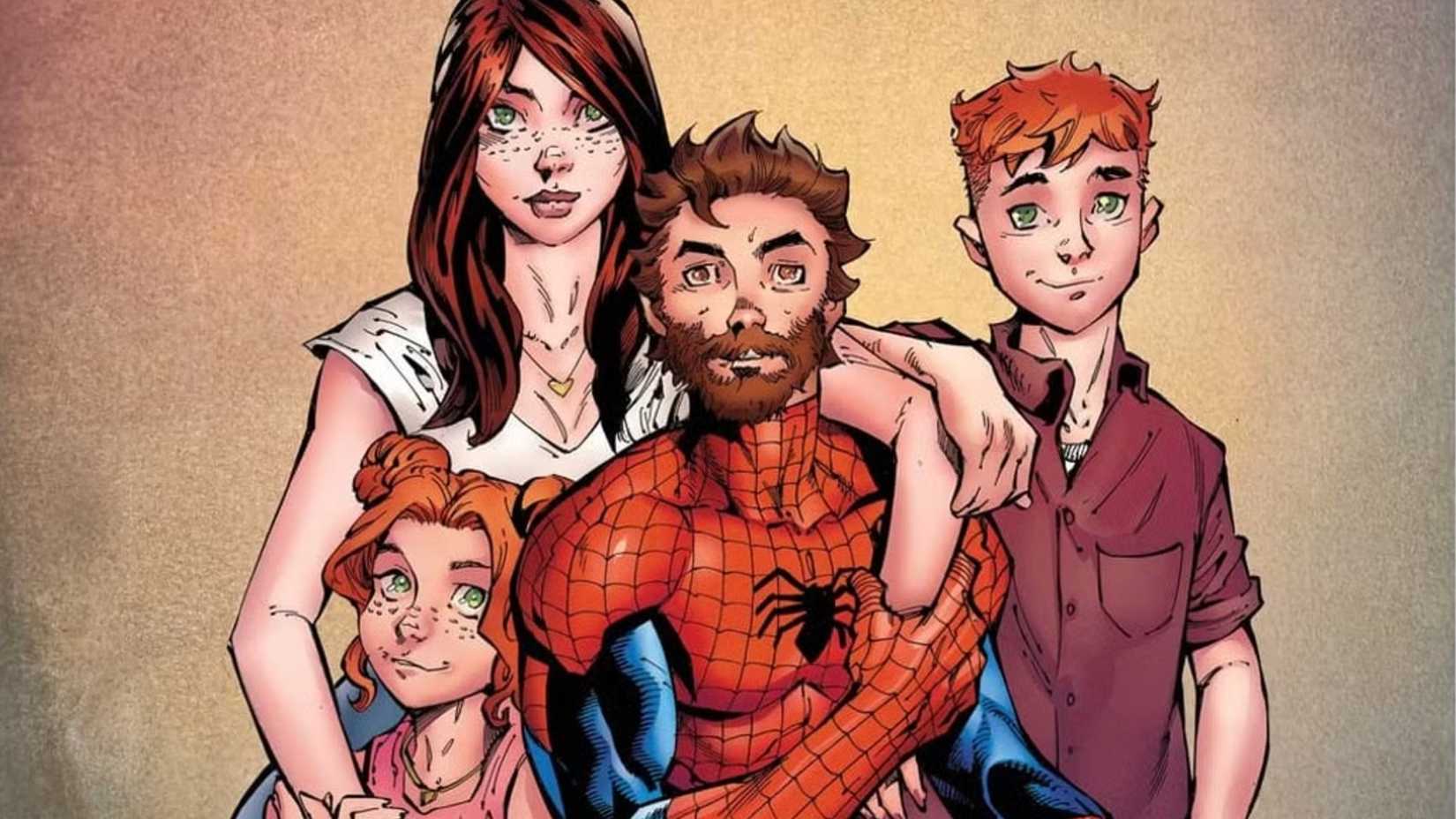
In 2026, it will be 19 years since Spider-Man: One More Day ended Peter and Mary Jane’s marriage. Fans disapproved then, and that sentiment remains unchanged. It was a poor decision at the time, and now is the moment to rectify it. After all, Ultimate Spider-Man illustrates how much readers appreciate seeing Peter and MJ married with children.
While some believe Spider-Man functions best when he is single and sorrowful, the truth is that we want to see Peter navigate challenges both as a hero and as an individual. This duality has always been what made Spider-Man unique. Any parent can attest that raising children complicates life significantly. A story where Spider-Man races against time to defeat Rhino before his child’s little league game is one waiting to be told.
Move Away From Legacy Characters
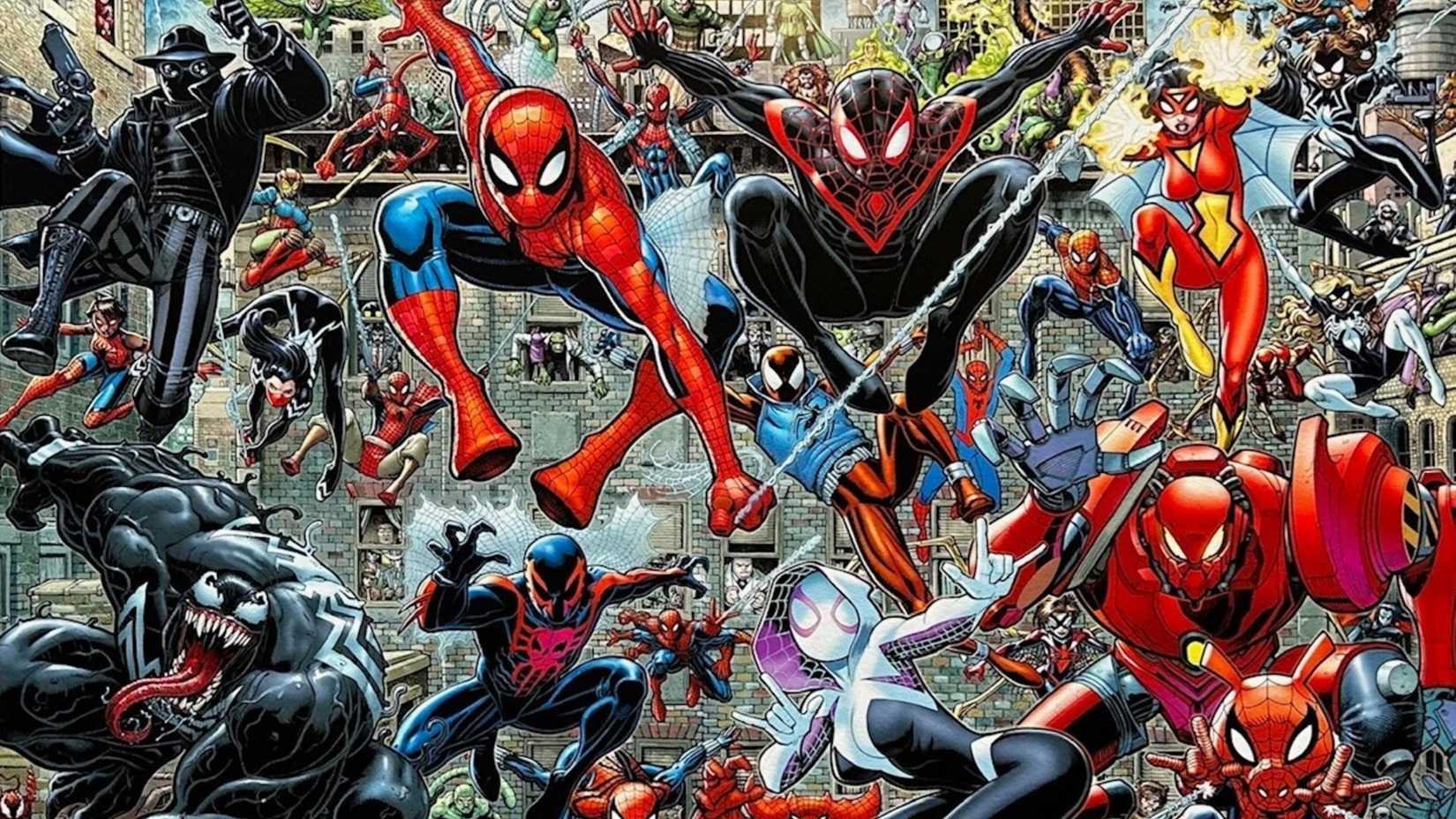
Publishers often favor legacy characters because readers feel an immediate connection with them, and names linked to well-known figures tend to sell better than entirely new concepts. However, this approach can also make everything seem smaller in scope. When it appears that half of the heroes in the MCU have “Spider” in their name, the diversity and excitement of encountering various characters diminishes.
While innovating can be daunting, successful new characters can yield significant rewards over time. Characters like Rocket Raccoon or Deadpool emerged from taking risks. Certainly, some characters may never gain traction (looking at you, Hypno-Hustler), but as every superhero knows, resilience is key—when knocked down, one must rise again and try anew.
Allow Big Events to Rest
Yearly events are a staple in comics, but we’ve reached a point where each event seamlessly transitions into the next. Each event claims to permanently alter the status quo. However, what status quo can truly change if immediately following one event another begins?
This does not imply that yearly events connecting all heroes should be eliminated entirely, but perhaps it’s time to take a breather and lower expectations. Instead of an extensive nine-month event comprising numerous comics like One World Under Doom, consider revisiting formats like Acts of Vengeance or Atlantis Attacks. These events involve everyone but do not aim to completely redefine our understanding of these heroes.
Avoid Restarting Series
There was a time when a major character receiving a new #1 was significant news—it indicated substantial changes in that character’s life. Now it seems almost routine. This January marks yet another all-new Iron Man #1 release—the fifth time this decade Iron Man has reverted back to #1. That’s an excessive number of restarts within just half a decade. And it’s hard to count how many times this has occurred over the past quarter-century.
We all recognize that launching a new #1 generates a sales spike. However, this boost tends to diminish with each subsequent restart of a title. While we understand the desire for increased sales, for readers, this leads only to confusion. It used to be straightforward to engage with a character and collect every issue of their series—now it feels like obtaining a Master’s Degree just to navigate through what seems like endless volumes continuing the same episodic narrative.