
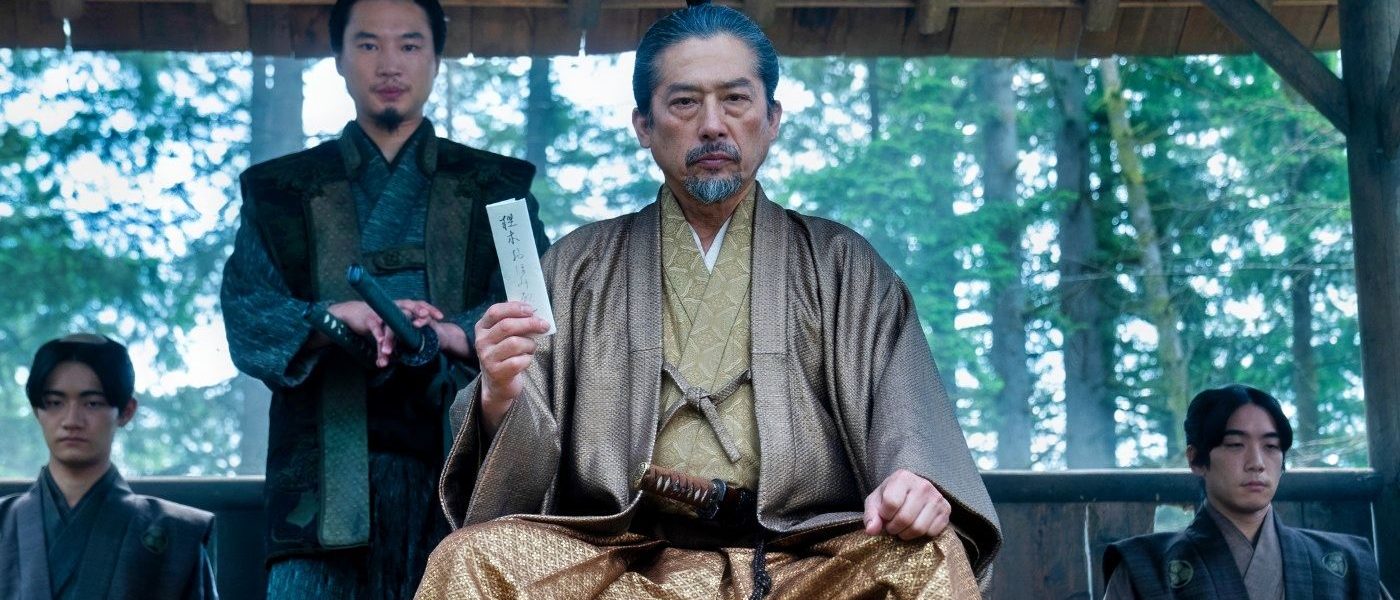

Shōgun has rapidly become a sensation on Hulu and FX, captivating audiences since its debut in 2024, with critics showering it with praise. The miniseries is adapted from the novel by James Clavell, and is set during the historically rich Edo Period of Japan. While the narrative and its characters are fictional, they draw inspiration from real historical figures, positioning the series as a unique alternate history television drama. Initially conceived as a single-season show with a limited run of eight episodes, the overwhelming success has inspired the creators to embark on a second season, which is anticipated to premiere later this year.
In the meantime, if you’re eager for more content, you might be interested in exploring the intricate politics of Feudal Japan or delving into the profound principles of the samurai code. Alternatively, you might simply wish to immerse yourself in a captivating new samurai narrative. Regardless of your inclination, there are numerous books that you absolutely must explore while you await the release of the upcoming season of Shōgun .
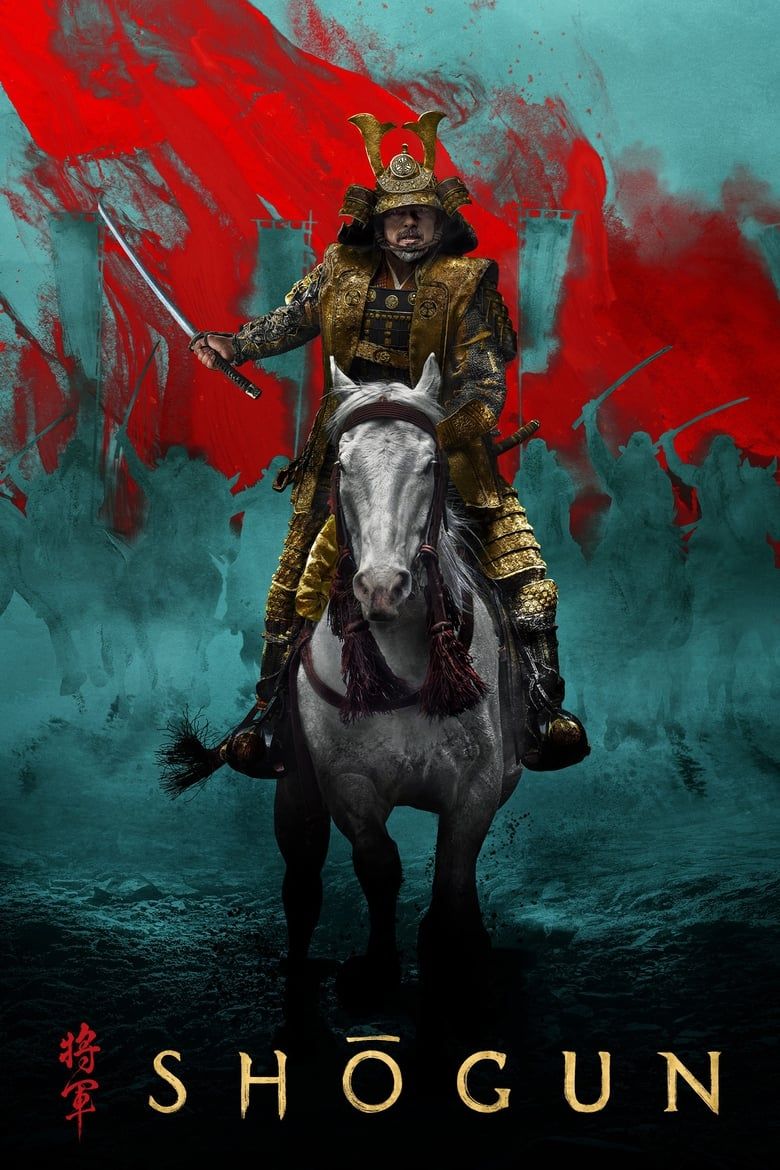
Shogun
- Release Date
-
2024 – 2025
- Directors
-
Fred Toye, Jonathan van Tulleken, Charlotte Brändström, Takeshi Fukunaga, Hiromi Kamata
- Writers
-
Rachel Kondo
10
Discover ‘Tai-Pan’ (1966) by James Clavell
Written by James Clavell

Tai-Pan is another captivating novel penned by the talented James Clavell, the creative mind behind the iconic Shōgun narrative. Clavell is renowned for his diverse historical fiction works, many of which are set in East Asia, forming a loosely interconnected literary collection affectionately known as the “Asian Saga.” Each of these novels, including Shōgun, revolves around European adventurers navigating the complexities of historical East Asia, with Tai-Pan offering a fresh perspective.
Unlike its predecessor, which immerses readers in the world of Feudal Japan, Tai-Pan transports audiences to British-controlled Hong Kong in the aftermath of the First Opium War during the mid-19th Century. While it shifts focus from Japan to China, Tai-Pan serves as an essential companion piece to Clavell’s other works, sharing similar themes of power dynamics and political intrigue that echo those in Shōgun. For fans of Clavell’s distinctive storytelling style, this novel is a must-read.
9
Explore ‘The Samurai’ (1980) by Shūsaku Endō
Written by Shūsaku Endō
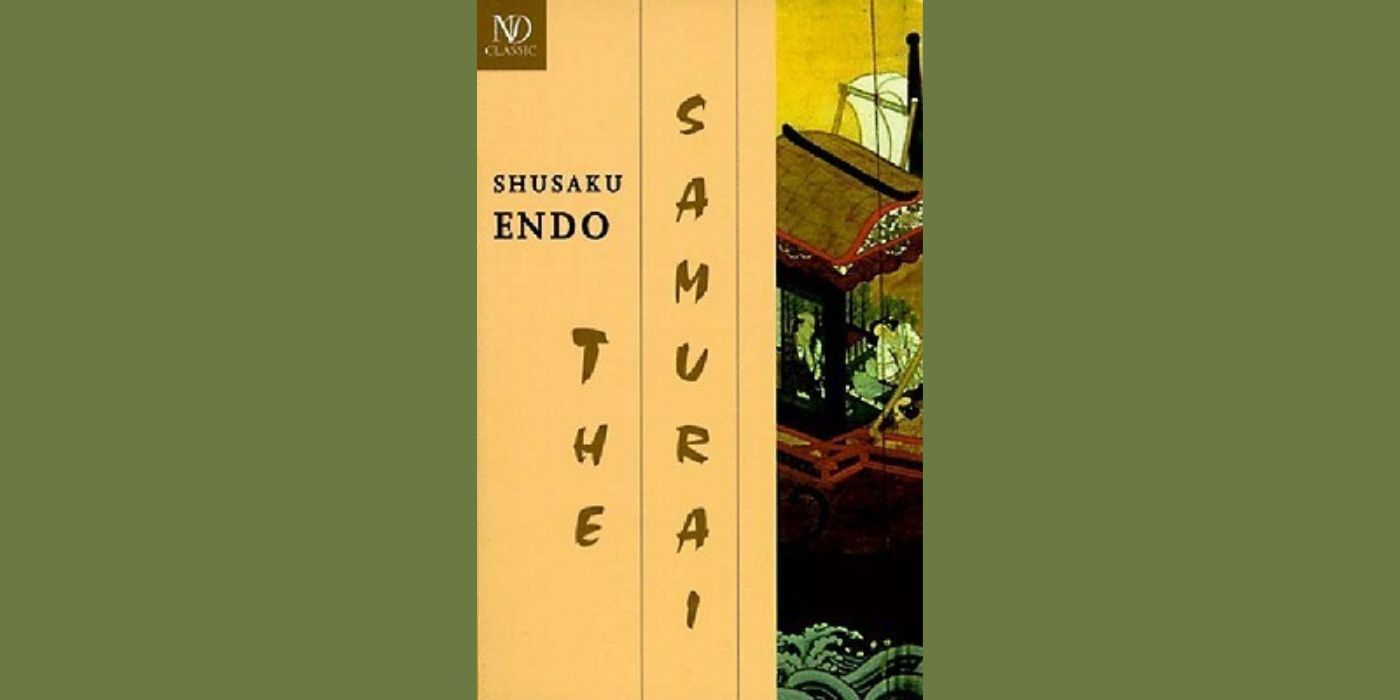
Who can resist a captivating samurai story? Shūsaku Endō‘s The Samurai was first published in 1980, but it wasn’t translated into English until 17 years later. This novel presents a fascinating twist on the narrative of Shōgun—whereas the latter primarily showcases European travelers navigating Japanese landscapes, The Samurai focuses on Japanese characters embarking on a journey to Europe, set in the same historical timeframe.
Inspired by true events, the plot revolves around a diplomatic mission led by the historical figure Hasekura Rokuemon, a samurai who undertook an important mission to Mexico during the 17th Century. As he arrives, he becomes embroiled in a profound cultural clash. Thematically, the novel draws intriguing parallels to Shōgun, particularly in its exploration of foreign intervention and the essence of samurai culture, making it a compelling read for those who enjoyed the series.
8
Uncover ‘Taiko’ (1937) by Eiji Yoshikawa
Written by Eiji Yoshikawa
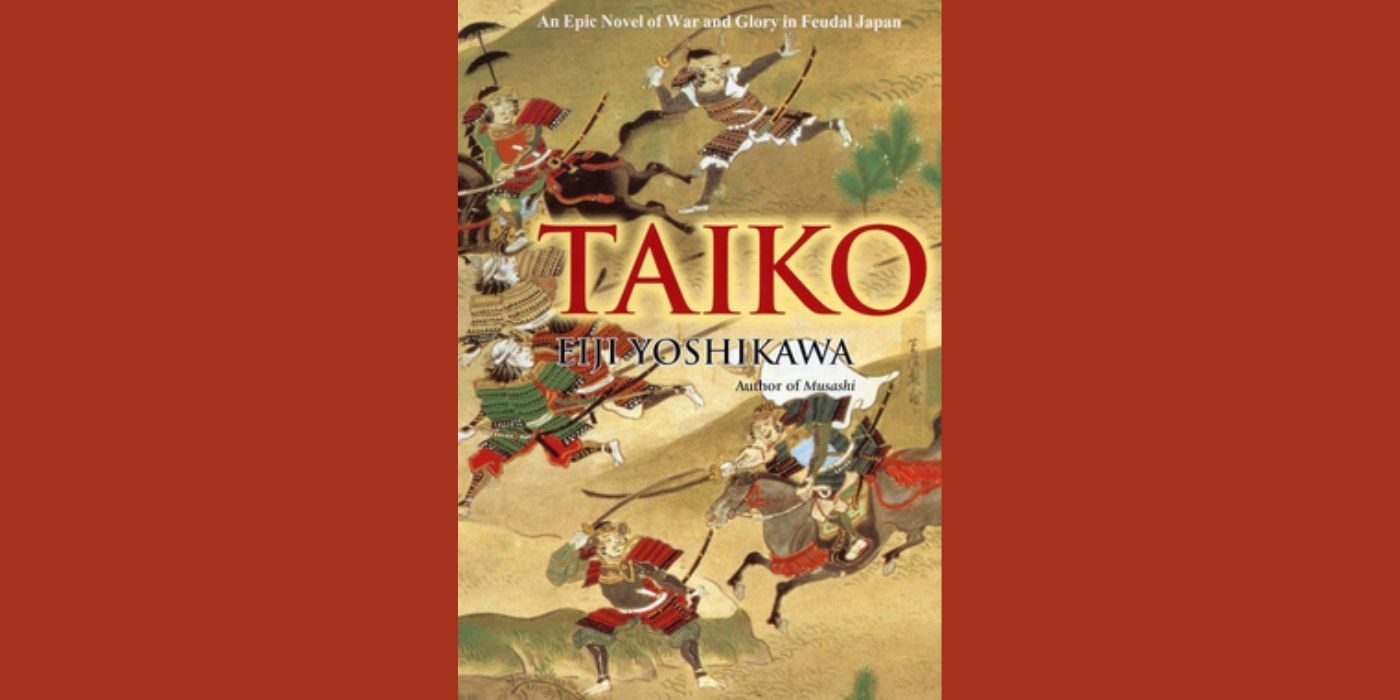
Taiko is an expansive historical novel, spanning over 900 pages, offering both historical fiction and semi-biographical elements. The narrative prominently features Toyotomi Hideyoshi, a pivotal figure known as “The Great Unifier.” Hideyoshi’s life unfolds toward the end of the 16th Century and serves as the inspiration for one of the characters in Shōgun, specifically Nakamura Hidetoshi (played by Yukijirō Hotaru), who is often referred to as “The Taiko” within the series.
This novel can be viewed as a pseudo-prequel to the events depicted in Shōgun, revealing Hideyoshi’s childhood, political ascent, and eventual demise in 1598. Originally serialized in newspapers in 1937, the complete book was not available in English until 1992. For those captivated by Shōgun, this book provides invaluable context, exploring the historical events that shaped the narrative and enriching the understanding of the show.
7
Discover ‘The African Samurai’ (2023) by Craig Shreve
Written by Craig Shreve
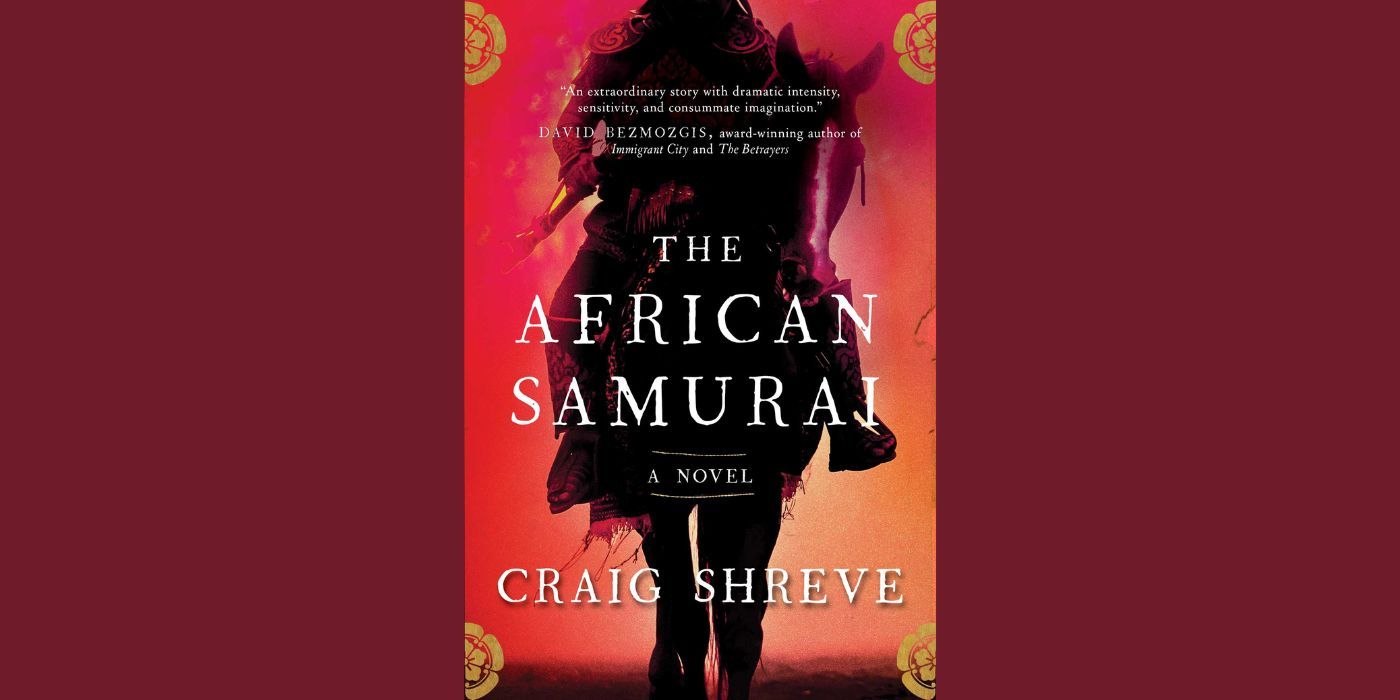
The African Samurai is a remarkable novel that tells the story of a historically significant figure who has recently gained considerable recognition. This individual is Yasuke, a slave originally from present-day Mozambique, who was sold to the Japanese by Portuguese traders. Yasuke’s journey led him to become a highly esteemed bodyguard to Lord Nobunaga. Historical accounts suggest that Yasuke may have been granted the prestigious title of samurai after saving his lord’s life on multiple occasions, making him the first and only Black man to achieve this honor.
This captivating narrative is of particular interest to fans of Shōgun because the real-life Lord Nobunaga inspired a character in the series, Lord Kuroda (Eijiro Ozaki). The novel shares notable themes of a foreigner navigating the intricate world of Japanese samurai politics and the intense clan blood feuds, particularly since Lord Nobunaga had a fascination with foreign cultures. The African Samurai offers a compelling view of a historical figure who has often been overlooked, yet remains incredibly intriguing. This makes it an excellent read for Shōgun enthusiasts, as it features real-life characters that influenced Clavell’s narrative.
6
Discover ‘Cloud of Sparrows’ (2002) by Takashi Matsuoka
Written by Takashi Matsuoka
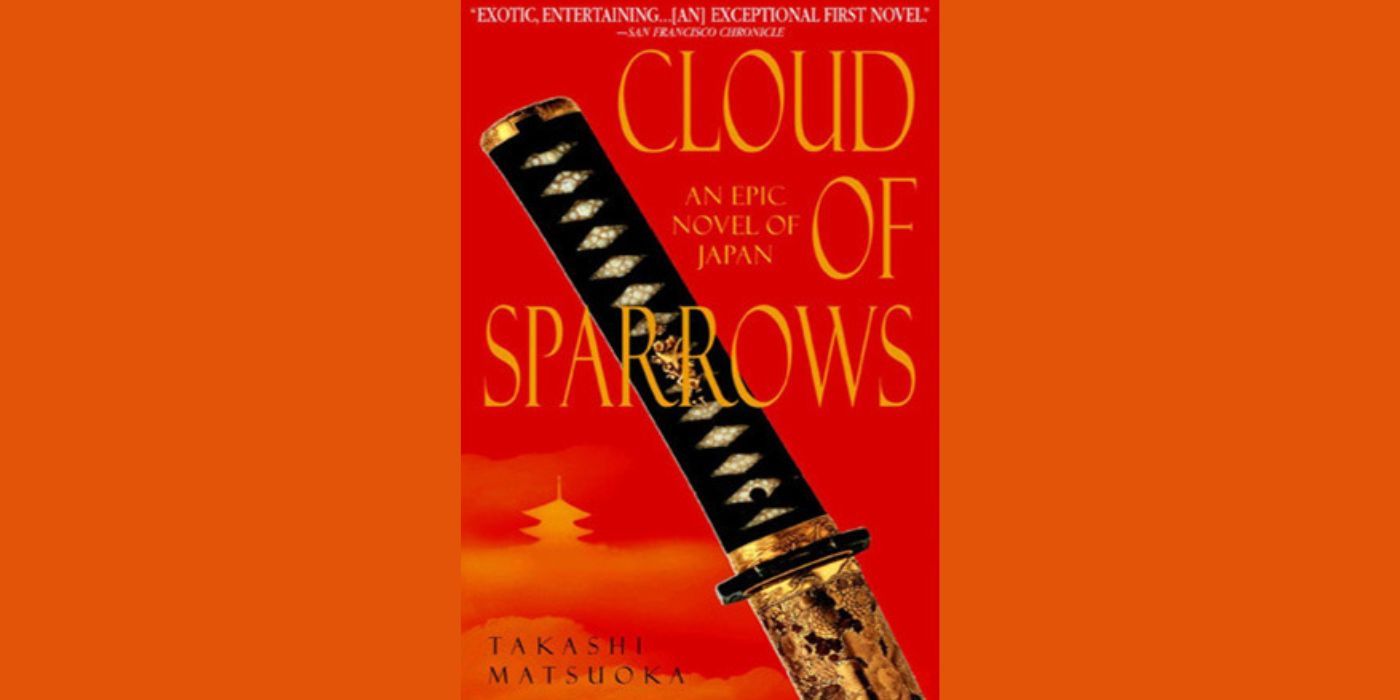
Cloud of Sparrows is the inaugural title in a captivating duology by Takashi Matsuoka, set during the concluding years of the Edo Period in the mid-19th Century. As the year 1861 approaches, Japan is on the brink of transformation, slowly emerging from centuries of self-imposed isolation and opening its doors to foreign influences, which creates a myriad of cultural conflicts. The story follows Lord Genji, a feudal lord endowed with prophetic abilities, who dreams that his life will be saved by a foreigner. This prophetic vision comes to fruition when his path intertwines with that of an American missionary sent to Japan to spread the message of Christianity.
Now, Genji and his newfound allies must navigate attempts on his life while striving to gain respect among rival factions. Cloud of Sparrows has garnered critical acclaim from both reviewers and fans of James Clavell’s works, which is hardly surprising given its thematic connections. The novel explores the interactions between Christian missionaries in Japan and the unexpected friendships formed between foreign influences and local traditions, making it a perfect choice for Shōgun enthusiasts.
5
Delve into ‘The Samurai’s Tale’ (1984) by Erik Christian Haugaard
Written by Erik Christian Haugaard
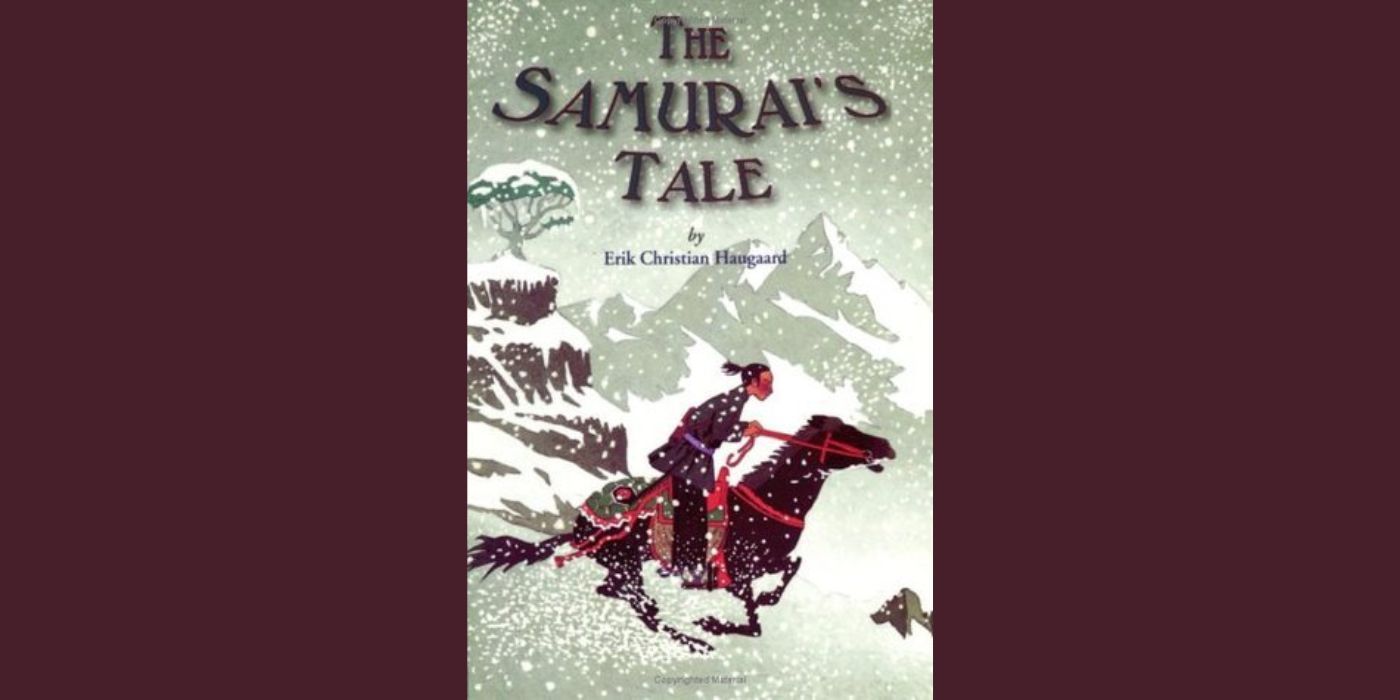
The Samurai’s Tale is a novel that, while not without its flaws, resonates deeply with fans of historical fiction due to its concise narrative and straightforward storytelling. It eschews complex political dynamics, wars, and conspiracies, focusing instead on a simple yet compelling journey of a young boy who aspires to become a samurai. The protagonist, Taro, survives the devastation of his village, which is caught in the chaos of Feudal Japan. Subsequently, he is taken in by the very clan responsible for his village’s destruction, living as a servant while nurturing dreams of attaining the samurai status of his ancestors.
For readers who find some of the other titles on this list overwhelming due to their length or intricate plots, The Samurai’s Tale offers a more accessible option, consisting of approximately 250 pages without unnecessary embellishments. Although it may not cater to every reader’s preferences, for fans of Shōgun seeking a straightforward yet engaging narrative, this book is a fantastic choice.
4
Explore ‘Musashi’ (1935) by Eiji Yoshikawa
Written by Eiji Yoshikawa
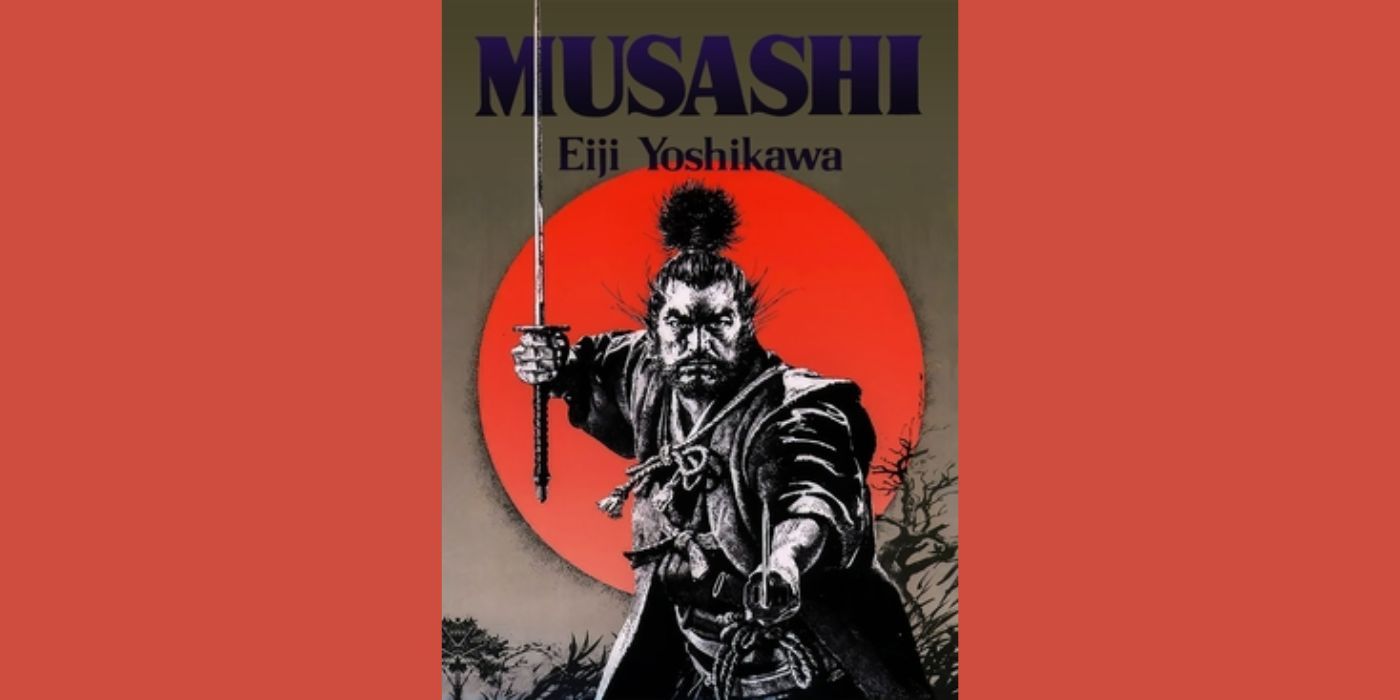
Musashi is another masterful work by Eiji Yoshikawa, the same author who brought readers Taiko. Surprisingly, this novel surpasses Taiko in length, approaching nearly 1000 pages. Despite its daunting size, the narrative remains both informative and exhilarating, closely mirroring the tone of Taiko. Unlike Taiko, which centers around The Great Unifier, Musashi serves as a fictionalized biography of the legendary Miyamoto Musashi, who is not only celebrated as one of Japan’s most renowned swordsmen but is also the author of The Book of Five Rings, a foundational text on Japanese martial arts.
Like Taiko, Musashi was initially serialized in Japanese newspapers before being compiled and published in English much later. This volume is an outstanding choice for Shōgun fans, as it delves into the life of a significant historical figure and provides rich insights into the art of swordsmanship and the cultural practices during Feudal Japan, enhancing the viewer’s understanding of the series’ world.
3
Explore ‘The Blade of the Courtesans’ (1986) by Keiichiro Ryu
Written by Keiichiro Ryu
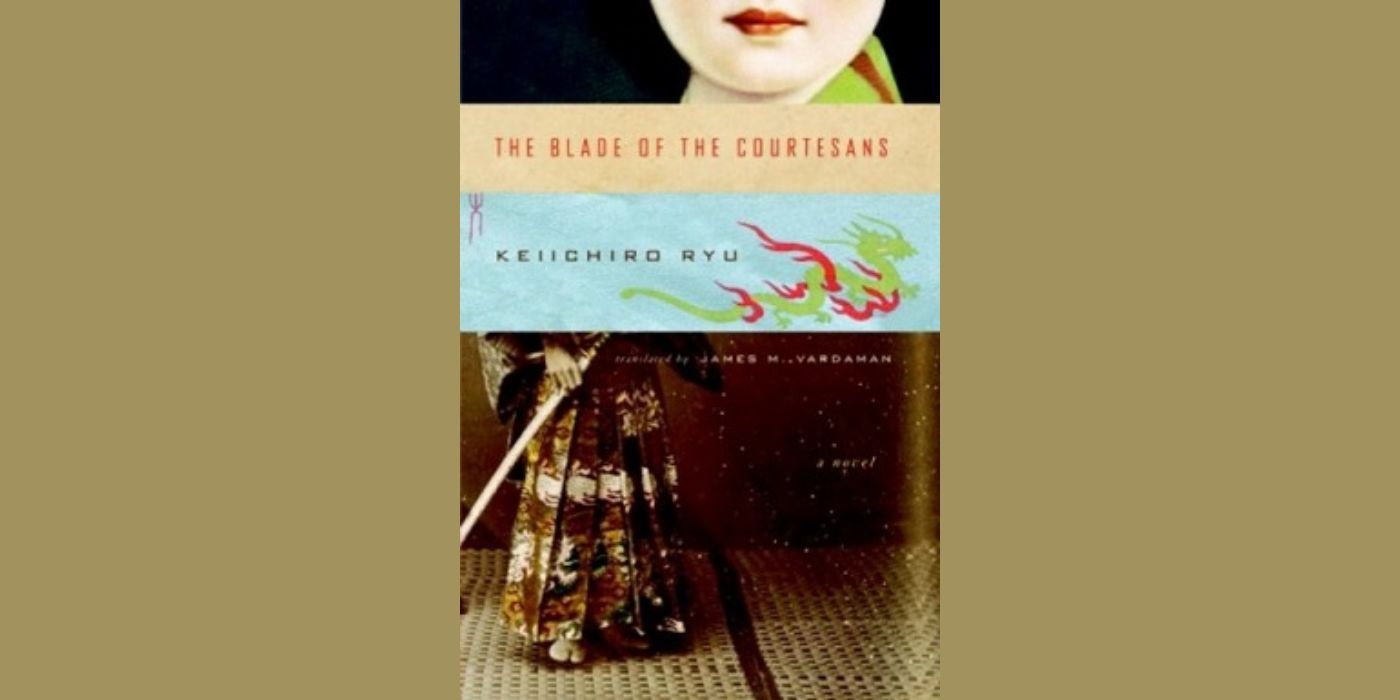
The Blade of the Courtesans is a gripping tale set during the early Edo Period, centering around the fictional samurai Matsunaga Seiichiro. Seiichiro is the adoptive son of the legendary swordsman Musashi, who trains him in the art of swordsmanship. However, Seiichiro harbors a secret: he is the son of the deposed Emperor Go-Mizunoo, saved from the Tokugawa clan’s purge by Musashi himself.
This novel has received widespread acclaim for its vibrant prose and exhilarating action sequences, which read like contemporary martial arts cinema. Critics and historians alike commend the depth of research reflected in the narrative, capturing subtle nuances of samurai culture. For fans of Shōgun, The Blade of the Courtesans offers a thrilling historical perspective on one of Japan’s most tumultuous eras, filled with political intrigue and blood feuds.
2
Explore ‘The Forty-Seven Ronin Story’ (1970) by John Allyn
Written by John Allyn
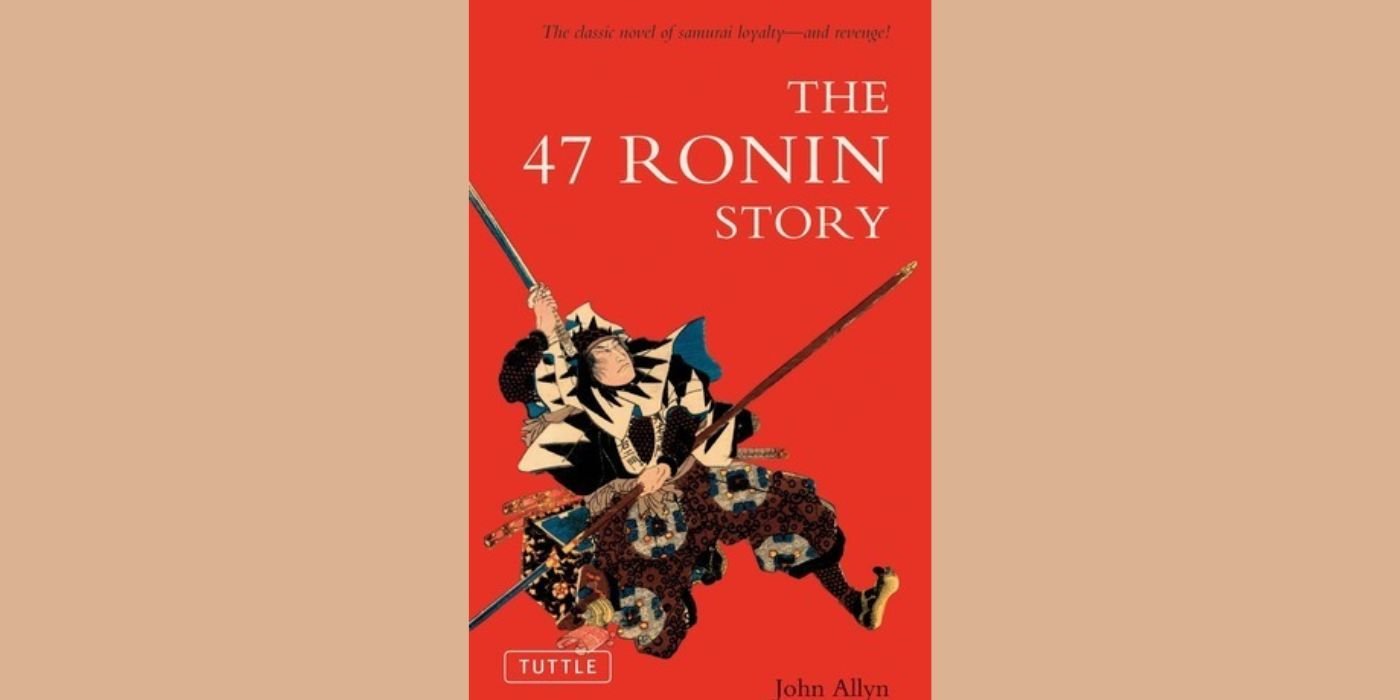
John Allyn‘s The Forty-Seven Ronin Story presents a fictionalized retelling of a true historical event. Set in the Edo Period, it chronicles the tragic fate of Lord Asano, who falls victim to a rival clan’s plot, leading to his forced seppuku and subsequent loss of honor. This act transforms the 47 samurai loyal to him into rōnin—samurai without a master, stripped of their rank. Fueled by anger and dishonor, these rōnin embark on a gripping quest for vengeance against their adversaries.
This story is a staple in Japanese history, inspiring two film adaptations: a masterpiece released in 1941 and a less favorable remake in the 21st century featuring Keanu Reeves. Allyn’s book offers a fresh perspective on this well-known tale, presenting the events through engaging prose rather than film. For fans of Shōgun, this novel is a must-read, as it delves into samurai politics and introduces readers to one of Japan’s most iconic historical narratives.
1
Experience ‘The Samurai’s Garden’ (1995) by Gail Tsukiyama
Written by Gail Tsukiyama
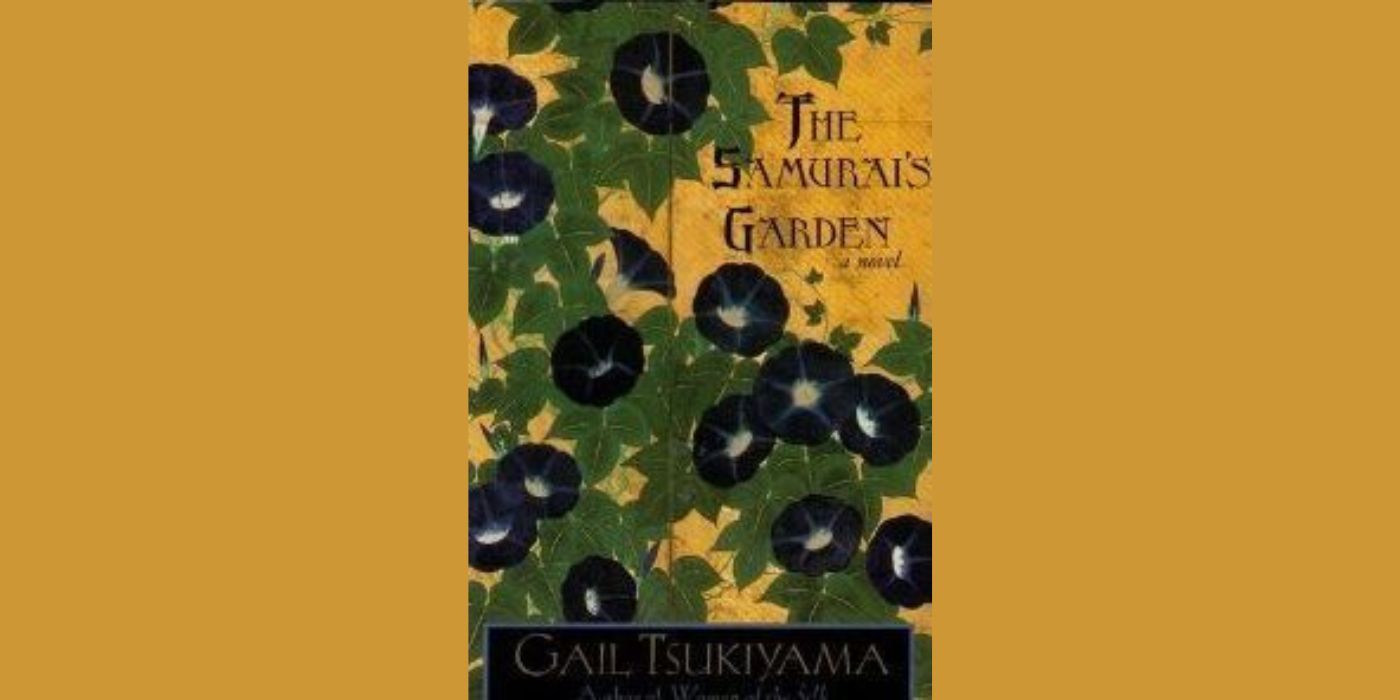
The Samurai’s Garden is a poignant novel authored by Gail Tsukiyama, an American writer of Japanese descent. The story follows Stephen, a young Chinese painter who contracts tuberculosis and is sent to a serene coastal village in Japan for recovery. Here, he encounters Matsu, a spiritual guide who mentors him during his healing process. Matsu reveals that he considers himself a “samurai of the soul,” dedicated to appreciating life’s beauty and nurturing the natural world.
While the novel’s characters and setting differ significantly from those in the TV adaptation, there are notable parallels between the two. The narrative features a foreigner learning from a samurai figure, providing insights into a unique way of life. Readers who were captivated by the emotional depth and dramatic storytelling of Shōgun will likely find The Samurai’s Garden equally compelling, despite the contrasting environments.