Key Takeaways
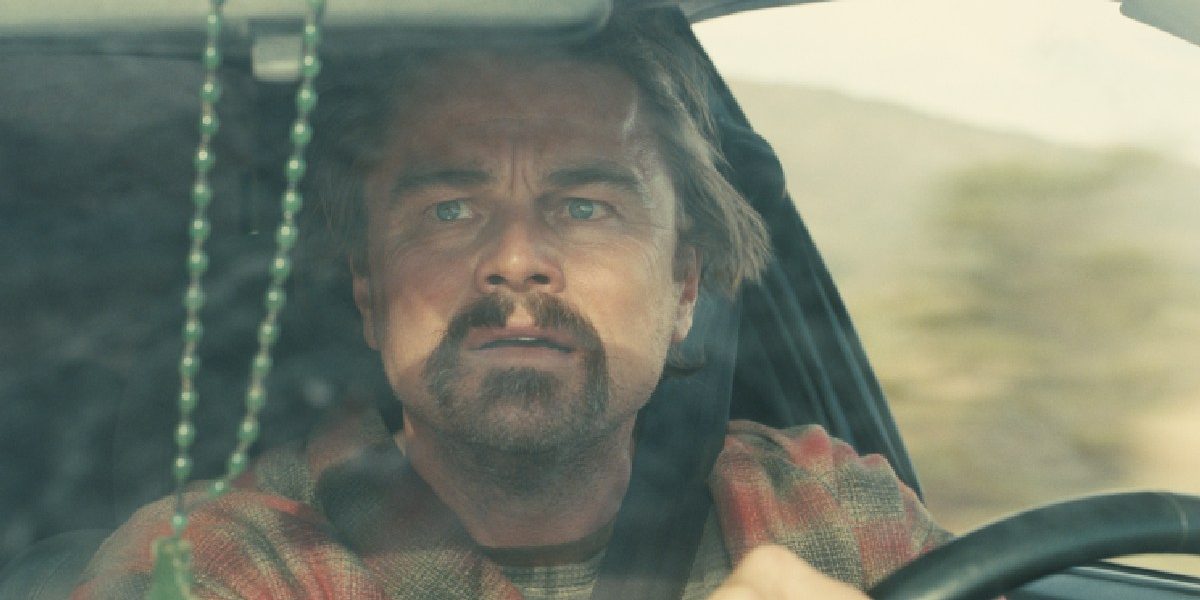
- Film Overview: “One Battle After Another” features Leonardo DiCaprio as a paranoid father navigating a tense situation with his daughter.
- Editing Insights: Editor Andy Jurgensen utilized innovative techniques to enhance the film’s intense car chase sequence.
- Production Challenges: The film was shot using VistaVision, presenting unique challenges in editing and sound design.
- Streaming Availability: The movie is currently available for purchase on 4K UHD and streaming on HBO Max.
ComingSoon Senior Editor Brandon Schreur spoke to One Battle After Another editor Andy Jurgensen about the Paul Thomas Anderson movie starring Leonardo DiCaprio. Jurgensen discussed shooting the movie on VistaVision, editing the intense car chase sequence featured in the third act, and more.
“Washed-up stoner dad, Bob (DiCaprio), exists in a state of paranoia, surviving off-grid with his spirited, self-reliant daughter, Willa (Chase Infiniti),” the synopsis reads. “When his evil nemesis (Sean Penn) resurfaces after 16 years, and she goes missing, the former radical scrambles to find her, father and daughter both battling the consequences of his past.”
One Battle After Another is now available to purchase on 4K UHD. It is also currently streaming on HBO Max.
Brandon Schreur: I’d love to ask you just a little bit about how you got involved with this project. You’ve obviously worked with Paul Thomas Anderson before on Licorice Pizza, but at what point did you get involved with One Battle After Another as an editor? What made you the most excited to get involved with this project?
Andy Jurgensen: Well, I guess I probably read the script, I think, in like 2023. It’s something that has been percolating for a while — I didn’t really know about it, but it’s something that he’s kind of been trying to write for a while. I’ve now worked with him for 12 years. I started as an assistant editor on Inherent Vice, and I’ve worked on a bunch of stuff. He’s been really great in asking me to cut music videos and little documentaries for him. I was thrilled when he asked me to do Licorice Pizza. So, I just got lucky, and he asked me to do this one.
I was involved when we started doing screen tests, both to test the VistaVision cameras — he always wanted to do this movie in VistaVision, and frame it so we could do IMAX. But we were also doing screen tests for Willa. I think there were like three different actresses that we auditioned with Leo. And I was starting to get involved at that point. Obviously, Chase was great, and she ended up being perfect for the role.
We were needing to figure out the workflow with how this was going to work with VistaVision. Paul is very much a fan of photochemical finishing, cutting negative, and the whole theatrical experience being on film. Because we were shooting VistaVision, we had to figure out how we were going to do that because it hasn’t been done in 65 years. The labs and everything. That’s when I started getting involved.
Then we started shooting in January two years ago — 2024, I guess. And I was traveling with them in production. We were having daily screenings and watching footage. I was there just starting to piece the movie together.
Totally, that’s awesome. There are so many moments in One Battle After Another that I love. One of them is a bit obvious; we all love it, but it’s the whole car chase in the third act of the movie. I mean, it’s just so intense and so exciting to watch. And I do think a lot of that is because of the editing and the work you did on it, just because of the hills and how it cuts back and forth and all of that. Can you tell me a little about working on that moment? There are so many incredible things in here; how did you go about tackling it in the editing room?
We had a lot of footage, I’ll say. What I started doing is piecing together the different perspectives — in front of each of the cars and behind. And I kind of made string outs — rearview mirror shots — of everything that we had. We had an opportunity later in the schedule to go back to the location and pick up shots that we had missed. Or, I was telling someone earlier, you kind of can plan it somewhat but you kind of just have to see what you get. There are so many elements involved with the way the cars move up and down, the hills which hills it is, and the lighting. You kind of just have to see what happy accidents occur and then pull those bits out and say, ‘Okay, these are the little sections that we’re using.’ And then figure out what few things we still need.
That kind of is what we were doing. It started out really long with the best bits, and then you start whittling it down. We sent it to the sound department kind of early so that we could get a sense of how they could augment the sound for the different cars and the ups and downs. I could only do so much in Avid — they have their arsenal and they have so much stuff. But from there, I’m able to whittle it down but still use their sound effects to get a better idea. Then we added Johny’s music so there was that we were playing with as well. Johnny was sending additional stems or layers of music with up-and-down strings so that we could figure out where we were going to put those.
It was an evolution that went through hundreds of versions probably. We were trying anything — even at the final mix — to create these peaks and valleys. If it’s going just 100 miles per hour the whole time it’s not going to be as effective. You have to have moments where the sound and music goes down and then you heighten it up again. That was the dance of the final sequence.
And it just turned out so amazing. I’ll never forget sitting in the theater watching that for the first time and being like, ‘I am on a roller coaster, and this is wild.’
Well, thank you. Good. Mission accomplished.
Another sequence in this movie that I’m dying to ask you about is everything that takes place in Sensei’s apartment. There’s so much happening during all of the scenes; I mean there are all the cuts of Leo and Benicio leaving the building, the soldiers coming in, and then everything that happens on the roof. It’s a long sequence but it moves so quickly and it’s so exciting. Was that a particularly challenging moment to cut together as an editor? What was the process of working on that one like?
Gosh, we just had such good footage there. That set — we kind of were able to take control of downtown El Paso. What was so great about that was that downstairs where the perfume shop is really connected to upstairs where Sensei’s apartment is and where all the stairs are. Sometimes it’s hard when you’re piecing together different locations because you have to be aware of ‘Oh that’s a fake wall’ or whatever it is. But the camera was able to move around so much in the set.
So that was fun; you’re able to use momentum and energy from actors and camera to keep things moving. The challenge and fun of that was figuring out spots where we were going to cross-cut from soldiers to them upstairs rushing to get out gathering all immigrants. It’s sort of a triangle of different locations — how do we time it all out so that he goes down hatch right as soldiers are coming around corner? You’re trying to move little pieces around to make it most exciting climax as possible; it seems like they just miss each other you know?
And then just energy from music; even just sounds captured on sets; all running around doors; all adds really nice texture sequence; cars skateboarders all helps energy scene.
Thanks to Andy Jurgensen for taking the time to discuss One Battle After Another.