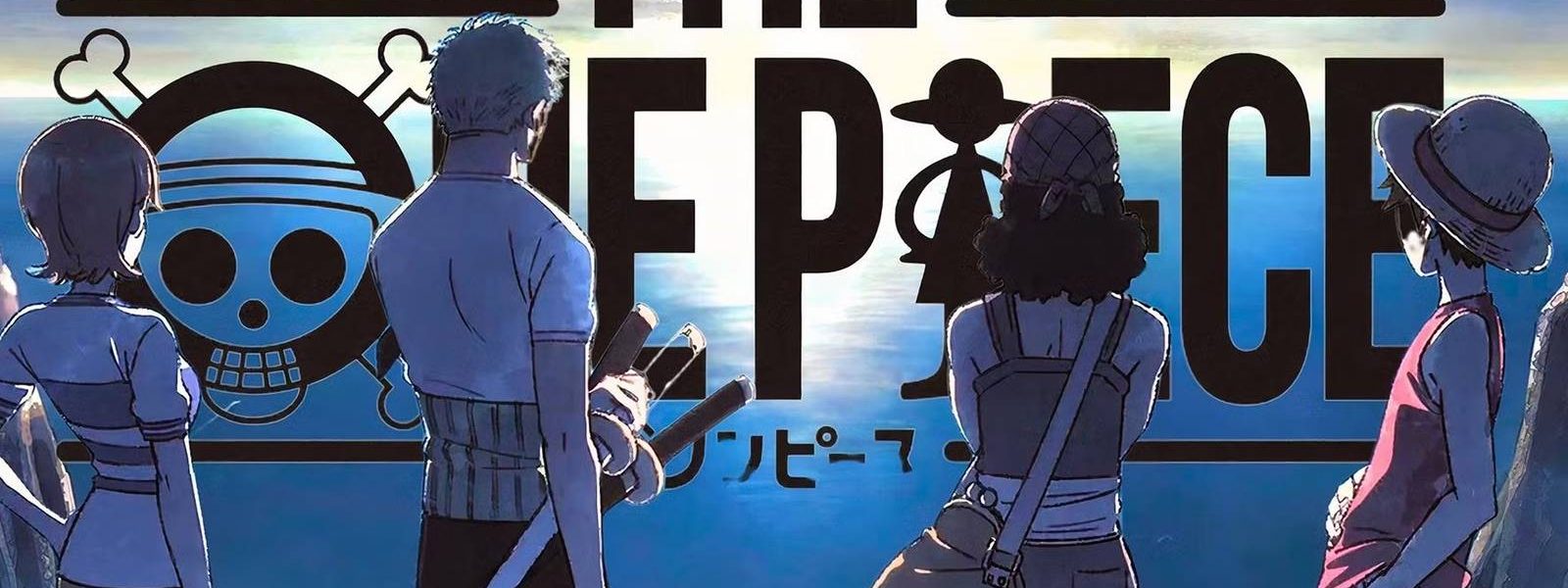
It has been a few years since the world learned a One Piece anime remake was in the works, and since then, fans have been eager for updates on the series. Behind the scenes, the team at WIT Studio has been working hard on the project as Eiichiro Oda’s legendary series grows more popular by the day. As time has passed, netizens have become all the more desperate for news from WIT Studio regarding the remake, but now that desire has died down. After all, the studio is now facing a major AI scandal, and WIT took time to apologize for the situation early today.
The comment comes straight from WIT Studio as Comic Natalie brought the apology to light. In an official statement overseas, the studio behind The One Piece confirmed one of its ongoing anime titles did feature generative AI, and a thorough investigation is being done on how this situation occurred.
WIT Studio Plans to Fix Its Embarrassing AI Blunder
According to the statement, WIT Studio’s Ascendance of a Bookworm Part 3: Adopted Daughter of an Archduke featured generative AI when its first episode hit the air. The company said it received anonymous feedback on the episode’s animation, and a brief investigation revealed the show used generative AI in several cuts of its opening sequence.
The comment goes on to apologize for the scandal, and WIT Studio even confirmed its plans to remove the AI-generated cuts ASAP. The company has tasked artists with replacing the background art done using AI, so Ascendance of a Bookworm Part 3 will unveil its official “completed” opening before long. At this point, no word has been given on when the opening will debut, but fans are eager to see the AI cuts be banished.
As for how this situation came to be, WIT Studio admitted it is not clear on the production issue. The company noted it is interested in how new technologies will advance anime production in the future, but it doesn’t approve of using generative AI in any way. Taking full responsibility for the blip, WIT Studio noted the AI-generated cuts were included given its inadequate communication with the show’s production teams. The studio went on to assure fans no other part of Ascendance of a Bookworm Part 3 is using the controversial technology, and its internal investigation into the situation is ongoing.
AI in Anime Is Becoming a Controversial Issue
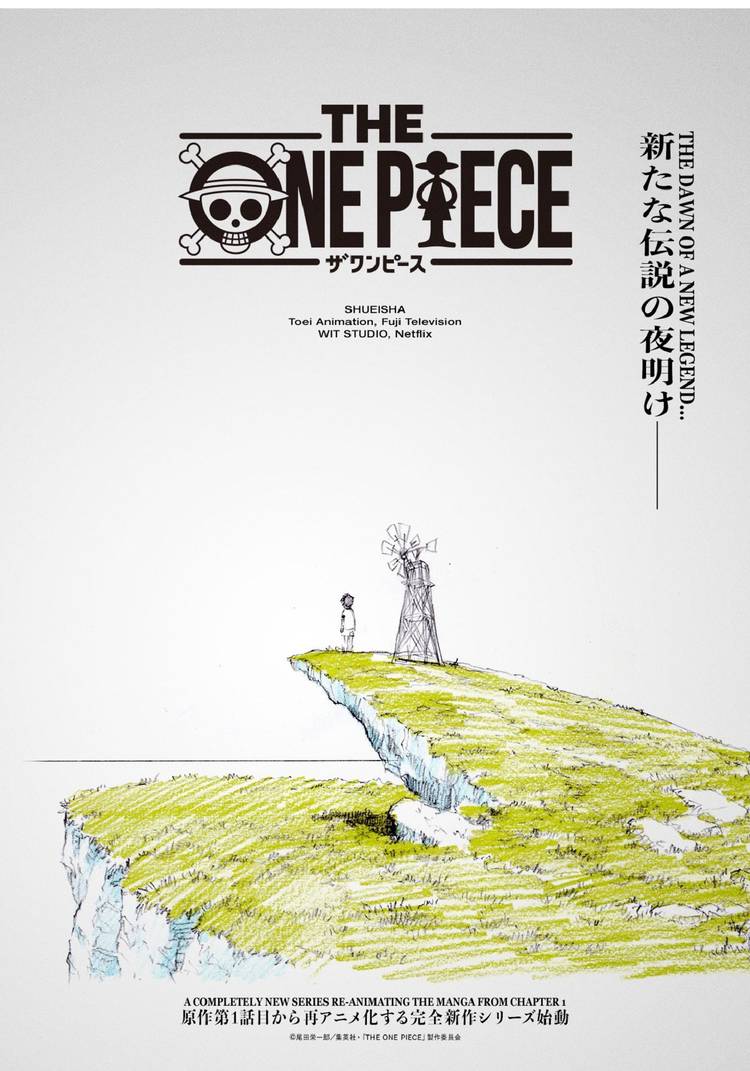
With WIT Studio in the hot seat over its AI usage, this scandal is just the latest between the tech and the anime industry. Like many industries, anime creators have been vocal about their disapproval of AI. The technology not only comes with copyright concerns, but it risks consolidating an already strapped industry.
The anime industry has been plagued by low pay and impossible production schedules for years now, and the situation is only getting worse with its global expansion. Animators fear the rise of AI will be used as a way to address staffing concerns, and this latest snafu at WIT Studio is not easing those concerns. The company’s quick apology is a step in the right direction for worried fans, but until more studios commit to human-led productions, the fandom’s AI fears aren’t going anywhere anytime soon. If studios are smart, they will avoid the controversial issue at all costs, and there’s little doubt WIT Studio will do as such with its <em>One Piece</em> remake.