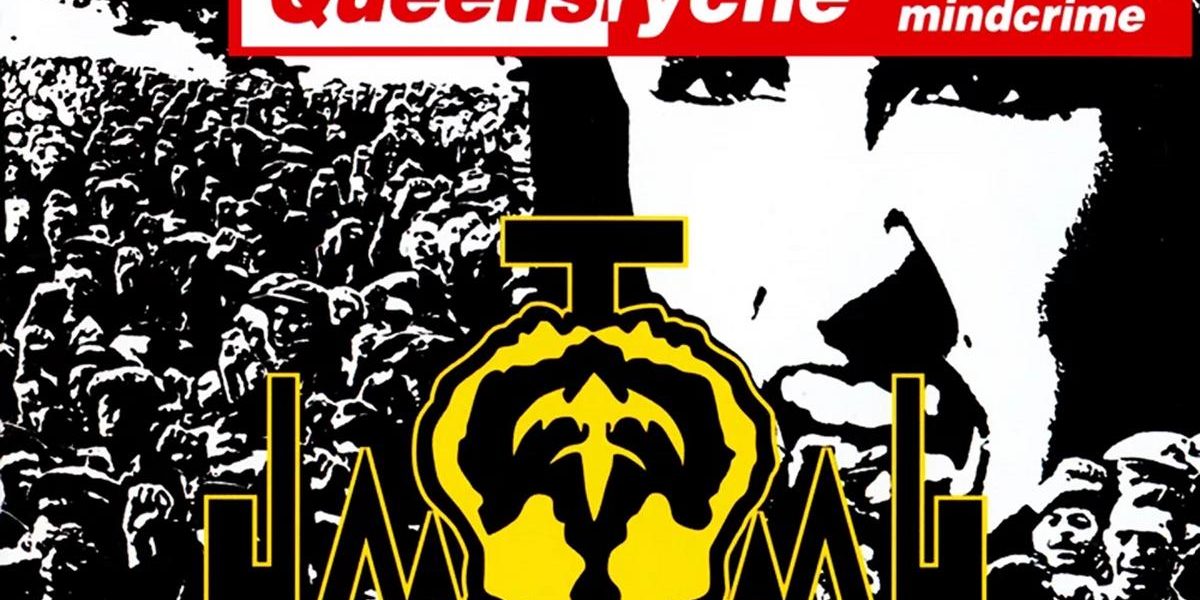
Former Queensryche vocalist Geoff Tate is set to release a new chapter of the band’s popular Operation: Mindcrime series for the first time in nearly 20 years.
Operation: Mindcrime III arrives May 3 and as the frontman told UCR in a recent interview, the project has been taking shape in his mind for a number of years now. “I think it was 2020, actually, when the inspiration really started happening with that and I started thinking in terms of making another [Mindcrime] record.”
The newest installment is the first one outside of the Queensryche name, with Tate working instead with his solo band members, including guitarist Kieran Robertson, who wrote many of the songs on the upcoming album with the singer.
“Power,” the first single from Operation: Mindcrime III, made its debut on streaming services earlier this week. During our conversation with Tate, he told us about how the new album came together and as you’ll read below, he also shared some of his memories behind the original Mindcrime album.
Here are some excerpts from that discussion. You can also hear our entire interview with Geoff below.
How did storytelling influence albums like Operation: Mindcrime?
Well, I think when Chris DeGarmo was in the band and we were working together, we talked a lot about writing and what we wanted to do with the music. Our motto at the time was really no limits. We didn’t want to give into public opinion, tastes, genres, and that kind of thing.
We really wanted to pursue our musical vision and were very dedicated to that idea for years. We were both influenced by music from the ’60s and ’70s, especially storytelling records like Sgt. Pepper by The Beatles and Genesis’s Lamb Lies Down on Broadway.
Albums like that shaped our musical vocabulary. When we got together and started working together, we shared those records and found common ground in our beliefs about writing. I think the [Queensryche] Rage for Order album was when we really started taking it seriously and following theme-oriented sections of the album.
Listen to Queensryche’s ‘I Dream in Infrared’
Then we put the pedal to the metal with Operation: Mindcrime. We had serious discussions about wanting to create a full-blown concept record but didn’t have a storyline at that time. Finally, when that happened, I brought in the story, Chris liked it, and we started working on Mindcrime.
It involved a lot of communication and enthusiasm from young men writing music for the first time while traveling the world and being influenced by everything around us. This experience proved to be our further education.
Did you ever feel overwhelmed while working on Mindcrime?
Yes, there were many factors involved, but we were in an ideal situation. We had a wonderful idea and talented musicians playing with us. Peter Collins was producing us, which was an amazing experience.
[Peter] He helped corral our ideas into a focused point. We also had a powerhouse management company with Q Prime who said, ‘What do you want to do with your record?’ We told them our vision, and they gave us carte blanche to follow our dream.
We entered this project feeling fully prepared. We had most of the record written before working with Peter. When he came in, he fine-tuned our ideas and within four months, we had a complete record.
Watch Queensryche’s ‘I Don’t Believe in Love’ Video
How did Peter influence classic songs like “Eyes of a Stranger” and “I Don’t Believe in Love?”
Peter significantly influenced song arrangements. For instance, in “I Don’t Believe in Love,” we initially lacked many breaks that you hear now; he suggested adding simple bass guitar and drum segments after verses.
He recognized effective elements from previous verses and encouraged us to incorporate them throughout. He was adept at identifying good ideas and pushing us to repeat them.
I had this story I wanted to convey; Peter would guide me without giving direct answers but pointing me toward solutions. He was excellent to work with.
READ MORE: How Queensryche Created Their Future With ‘Operation: Mindcrime’
How did he assist in shaping the album’s progression?
Peter emphasized quality when it came to dialogue and scenes between songs. He advised us to outline what would happen in each scene—who was involved and where it took place—similar to writing a movie script.
This attention to detail extended even to how many steps a character would take or what reverb would be heard based on room size.
Watch Queensryche’s ‘Revolution Calling’ Video
We needed a professional actor for Dr X’s voice saying “Kill her.” Peter arranged auditions for actors to find the right fit for this role.
A Shakespearean actor auditioned but wasn’t suitable; after several tries, Anthony Valentine nailed it perfectly. This meticulous work added depth to our record at a time when such elements were uncommon.
The incorporation of voices, rain sounds, and other effects created an immersive headphone experience that we aimed for since both Chris and I loved headphone music.
Watch Queensryche’s ‘Eyes of a Stranger’ Video
Are you still in touch with Chris DeGarmo?
No, I haven’t spoken with him in about a decade. While we shared much during our early writing days, over time we drifted apart as our commonalities outside music diminished.
What did you appreciate about Chris as a writer?
I valued his openness to ideas; he was clever with writing and pushed his musicality continually surprising me with his creativity.
Together with Michael Wilton, they innovated guitar techniques that defined Queensryche’s unique sound—creating inversions rather than playing identical parts—which added depth to their music.
Listen to Geoff Tate and Kieran Robinson on the ‘UCR Podcast’
Their innovative approach contributed significantly to what fans love about Queensryche’s sound today.
Geoff Tate’s Operation: Mindcrime III arrives May 3. The album is available for preorder now at his official website.
Listen to Geoff Tate’s ‘Power’
10 Underrated Hair Metal Bands That Deserved to Be Way Bigger
Even as the genre hurtled toward irrelevance, several bands eked out terrific underappreciated music.
Gallery Credit: Bryan Rolli