
Since <em>Doctor Who</em> reimagined itself in 2005, the series has weathered every possible transformation from shifting budgets, the jump from SD to HD, and even entire network overhauls. It’s a show that defined what fandom meant in the 2000s and early 2010s, constantly reinventing itself with new faces, tones, and ambitions.
So to call any episode “overrated” almost feels like blasphemy against a series built on change and experimentation. After all, every era of Doctor Who has its own devoted following, and one fan’s list of best Doctor Who episodes might be entirely dismissed by another’s.
But in the spirit of good fun, this is a re-examination of great Doctor Who episodes, not a tearing down of them. These stories remain among my personal favorites, yet over time, they’ve been elevated by the fandom, perhaps beyond what they truly deserve. Consider this a chance to revisit some of the best episodes that capture the real essence of Doctor Who with fresh eyes and a little healthy skepticism.
The Impossible Planet / The Satan Pit
Season 2, Episodes 8 and 9
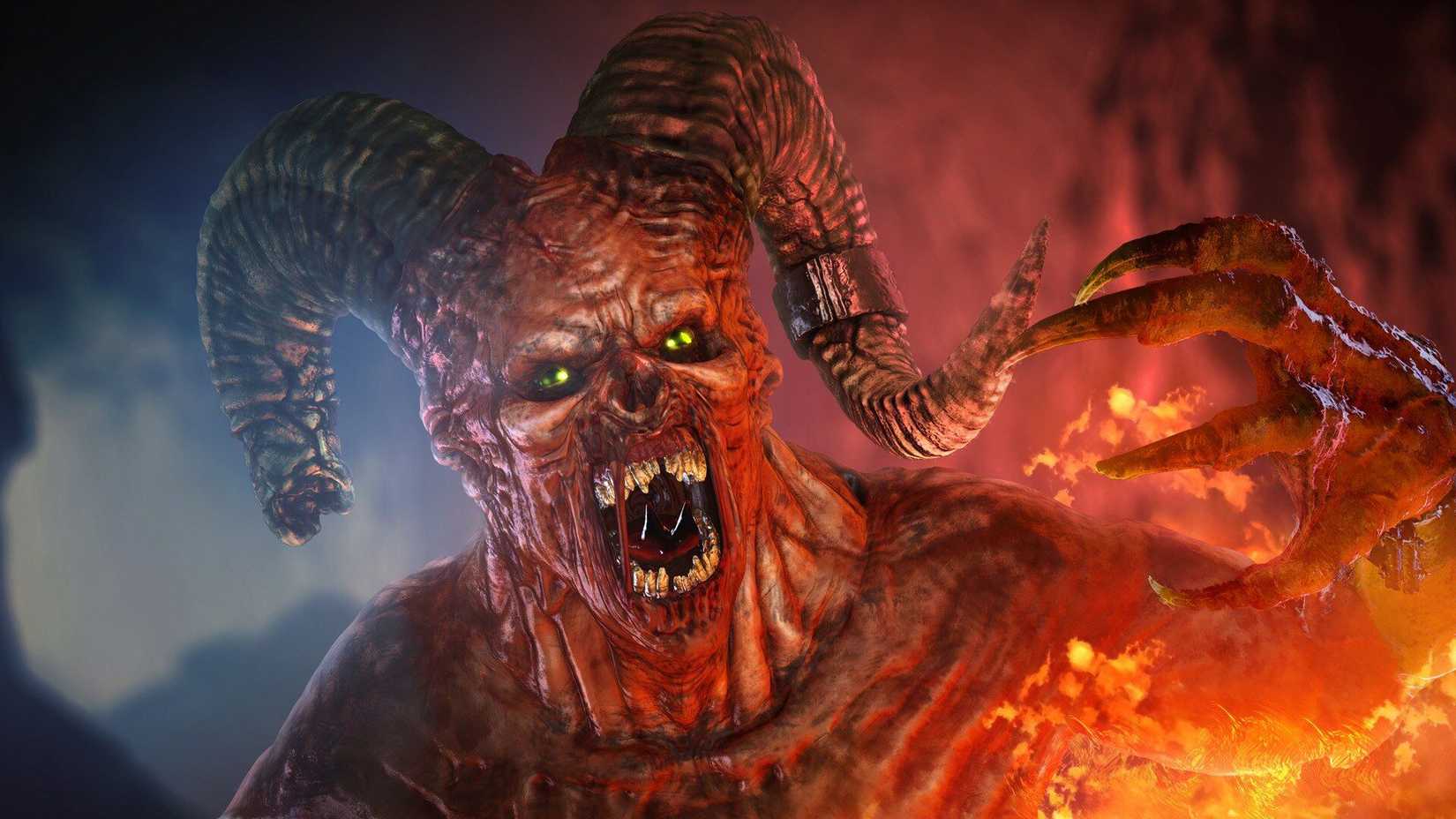
Two-part stories in Doctor Who have always been tricky. They often start strong before losing steam in the conclusion, and “The Impossible Planet / The Satan Pit” falls squarely into that pattern. The setup of an eerie base orbiting a black hole and the introduction of the Ood—one of the series’ best modern aliens—is phenomenal.
The first half captures everything Doctor Who does best: mystery, horror, and awe in the face of the unknown. But once The Satan Pit begins, the tension starts to unravel. The story slows under the boring weight of exposition, giving way to a disappointingly straightforward resolution.
Even judged by the lenient standards of early revival-era effects, the Beast’s design is cartoonish, not terrifying, and the final confrontation ends so abruptly that it feels like a missed opportunity to explore the episode’s most interesting ideas.
Father’s Day
Season 1, Episode 8
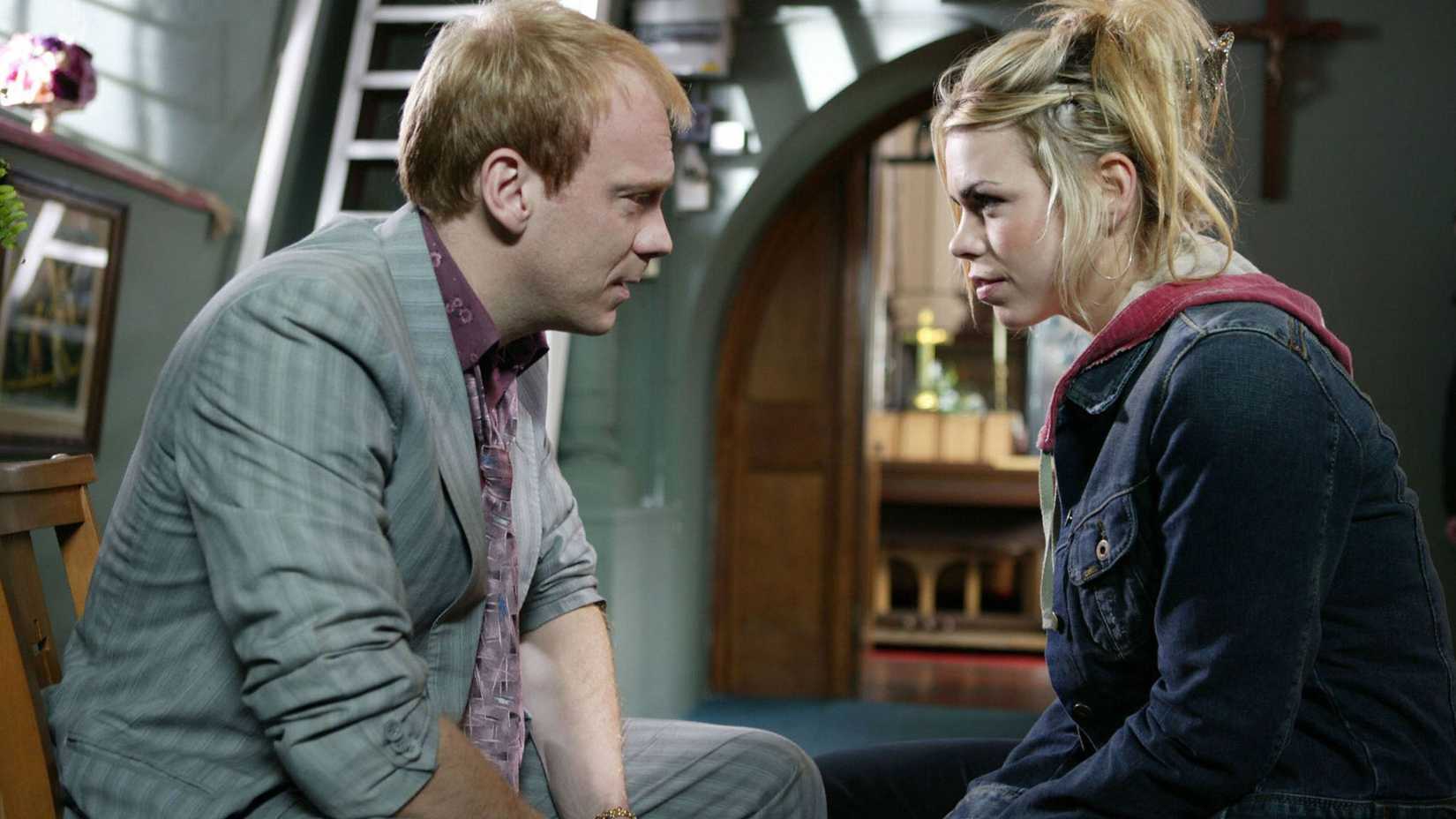
MovieStillsDB
At its core, “Father’s Day” was once one of Doctor Who’s most heartfelt episodes as a tragic morality tale about Rose learning the painful limits of time travel. Her simple wish to meet her father spirals into a catastrophic paradox, forcing her to confront the idea that some moments are fixed points in time that cannot be changed, no matter how much we wish otherwise.
But as the show evolved, Doctor Who itself began bending and breaking that rule. One of the most notable examples comes in “The Fires of Pompeii”, where the Doctor actively interferes with a fixed point by deciding who lives and dies during the eruption of Mount Vesuvius. What once felt absolute proved dependent on the story’s emotional needs.
While “Father’s Day” still works beautifully as a standalone tragedy, it remains a harsh reality of watching the Christopher Eccleston Doctor Who era, of how the show ultimately abandoned its own rulebook.
School Reunion
Season 2, Episode 3
MovieStillsDB
“School Reunion” was one of the first revival-era Doctor Who episodes to look back fondly on its own history by reintroducing beloved classics like Sarah Jane Smith and K–9 to a new generation. Their return was emotional and well-earned, and the episode’s attempt to reconcile the Doctor’s past with his present companions gave it an added layer of poignancy.
However, beneath the warm nostalgia, the story itself is fairly middling. The Krillitanes never feel like a genuine threat, and the episode struggles to juggle its competing ideas about companionship, aging, and legacy within a single 45-minute runtime. In hindsight, “School Reunion” also feels like a backdoor pilot for The Sarah Jane Adventures rather than a fully realized story in its own right.
Still, “School Reunion” deserves credit for pioneering the kind of emotional legacy storytelling that modern franchises now chase constantly. Long before Hollywood’s obsession with reboots and legacy sequels, Doctor Who had already begun experimenting with the art of looking back, even if this time the story underneath didn’t quite live up to its sentimentality.
The Time of Angels / Flesh and Stone
Season Five , Episodes Four and Five
“The Time of Angels” and “Flesh and Stone” are another case of Doctor Who‘s two-parters losing steam between setup and payoff. What should have gone down as a triumphant return for one of Doctor Who‘s best monsters instead gets tangled in its own mythology.
The Weeping Angels were once terrifying because of their simplicity: they moved when you blinked, and that was enough. But here their rules multiply to the point of confusion: they can possess minds, project through images, and are shown moving outright which stunk undercutting psychological terror that made them iconic in “Blink.”
And then there’s Amy Pond’s bizarre moment at the end of “Flesh and Stone”, when she suddenly kisses the Doctor—an out-of-character decision that confused me as a teenager and still feels inexplicable now. For a companion whose love story with Rory is one of the series’ emotional cornerstones, this scene is jarring and unnecessary—never addressed again—and seemingly forgotten by the show itself. It’s a small moment but it speaks to larger imbalance tone character.
The Power of the Doctor
Season Thirteen , Special Three
…
…
…
…
The Power of The Doctor is an emotional farewell for Jodie Whittaker’s character while also being divisive among fans due to its narrative choices that some view as undermining her tenure as The Doctor.

Here you can find original article photos/images used solely for informational purposes with proper attribution.[nospin]