

Key Insights
- Franchise Longevity: The Planet Of The Apes franchise has demonstrated remarkable endurance in the sci-fi genre.
- Creative Adaptability: The trilogy showcases a balance of nostalgia and modern storytelling, making it relevant today.
- Emotional Depth: Andy Serkis’ portrayal of Caesar adds emotional complexity to the narrative.
- Thematic Exploration: The films address significant themes such as morality, power, and identity.
Longevity is rare in science-fiction, but one of the greatest sci-fi franchises of all time just keeps getting better year after year. While the sci-fi genre is often one of the most ambitious, only a handful of franchises manage to remain relevant across decades without a sense of creative stagnation. The sci-fi properties that endure evolve with the times, honoring core themes with forward momentum.
When the right balance is found, audiences continue to show up, which is how franchises like Star Wars and Star Trek have proven that sci-fi can be endlessly renewable. When creators are willing to experiment with tone, format, and perspective, sci-fi can feel endlessly renewable rather than frozen in their original era. The most successful franchises understand how to move between continuity and emotional investment.
Few sci-fi franchises have demonstrated this type of creative adaptability as impressively as <em>Planet Of The Apes</em>, which was rebooted in the 2010s. A bold, cinematic refresh has quietly grown into one of the most consistently strong franchises in the sci-fi genre, as it relies on more than nostalgia to bring its viewers into a more modern era.
Andy Serkis’ Planet Of The Apes Trilogy Is A Masterpiece
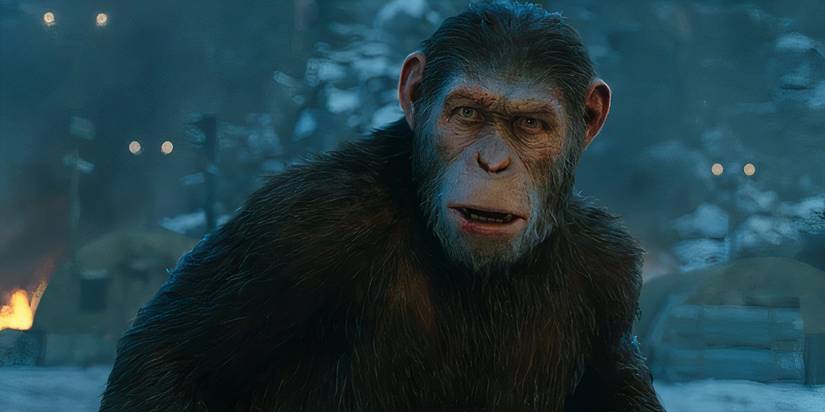
The modern Planet Of The Apes franchise has been able to find its footing with Andy Serkis’ portrayal of Caesar in the most recent trilogy of films. Rise Of The Planet Of The Apes, Dawn Of The Planet Of The Apes, and War For The Planet Of The Apes each develop an entirely new branch of the franchise, revitalizing something that seemed like it had long ago folded.
Serkis delivered one of the most emotionally complex performances in sci-fi history thanks to the use of groundbreaking motion-capture technology, which seamlessly helped him to bring Caesar to life. His journey from intelligent experiment to revolutionary leader anchors the trilogy, while the films are able to shift their larger thematic focus, moving from morality to political conflict and the cost of survival.
Rise, Dawn, & War Will Age As Some Of The Best Sci-Fi Movies Of All Time

Each of the Planet Of The Apes films in the recent trilogy has continued to find new audiences after their release. Continuing to stand out for its intelligent storytelling, the trilogy shows just how intertwined the films were without being overt about it. While Rise begins the trilogy’s questions of scientific ethics, Dawn expands the focus of the story, and War delivers a somber, operatic conclusion.
The films were able to blend emotional storytelling with philosophical questions, probing about power, coexistence, and identity through the lends of a deeply relatable story. The trilogy has managed to become one of the best sci-fi series of all time as they’ve aged, gaining more significance as time goes by.
Kingdom Of The Planet Of The Apes Was A Worthy Sequel
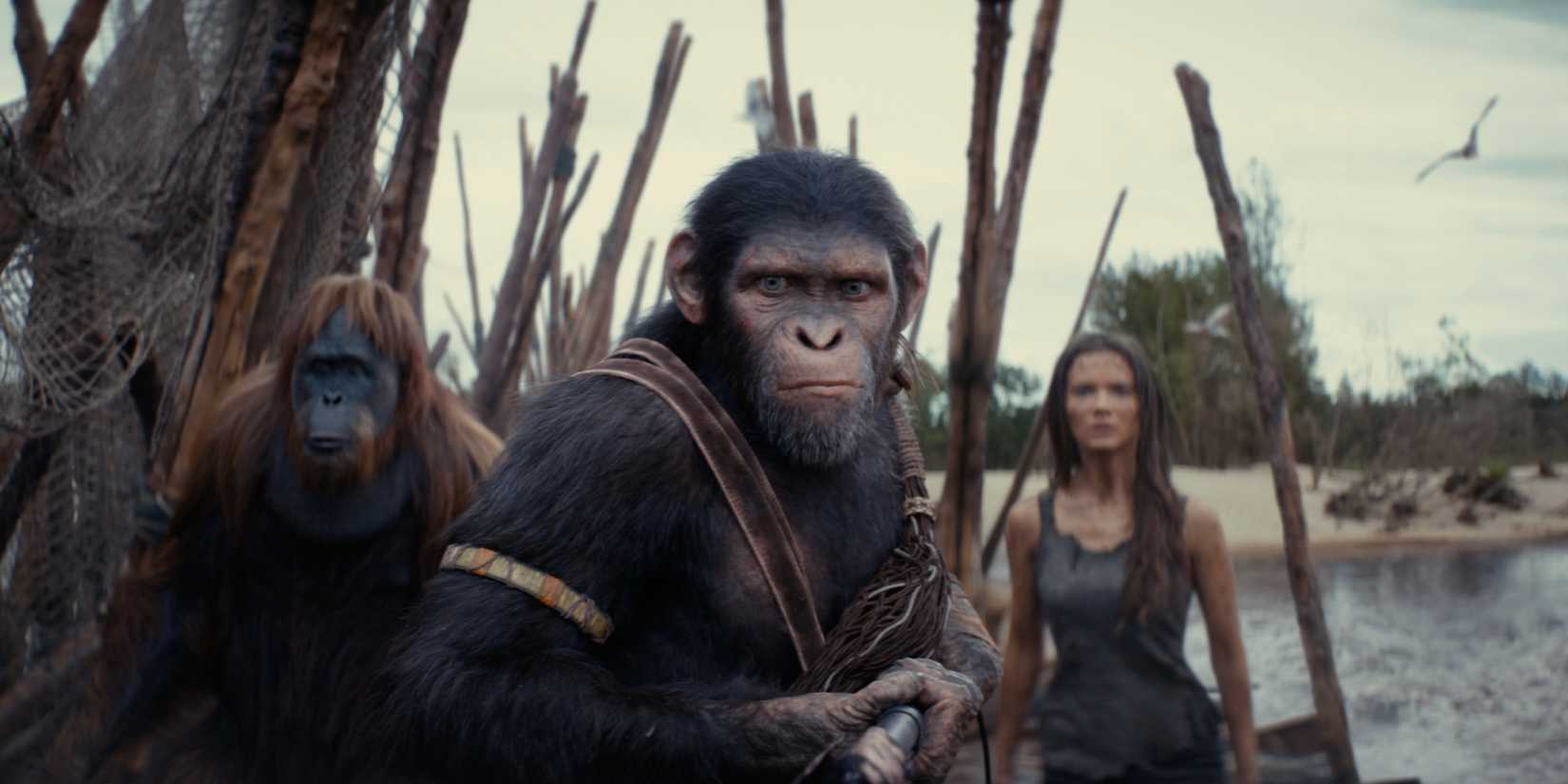
Although Kingdom Of The Planet Of The Apes may not have been able to fully capture the original magic of the trilogy, the sequel faced a daunting task as it attempted to continue to franchise without Caesar. In hopes that it could honor the legacy of the Planet Of The Apes films, Kingdom was able to recapture some of the essence of the original.
While Kingdom was able to expand the mythology of the universe and reinforce the trilogy’s long-standing themes, the Planet Of The Apes franchise will never be the same after its original trio of films.