Why do plus size brands stop at size 24? This question has haunted our community for years, and while the landscape has shifted since we first published this piece, the core problem remains. More brands are finally extending beyond a size 24 (thank goodness), but the question still needs asking: why did so many plus size brands stop at size 24 in the first place? And why does this exclusion still happen?
Here’s the thing, this isn’t just about fashion. It’s about access, representation, and the systemic barriers that keep plus size women from fully participating in style culture. Let’s dig into the why, the how, and what’s actually changing. Because y’all deserve answers.
Why Do Plus Size Brands Stop at Size 24? The Problem That Refuses to Disappear
Even with brands like Lane Bryant extending their sizing beyond size 24 (especially after Catherine’s sale), and more indie brands launching with extended size ranges, the disconnect between sizes 10-24 and sizes 26+ remains real. And it’s frustrating as hell.
Plus size photographer and blogger Suma Jane Dark shared her experience, and honestly? It hit different: “It’s really frustrating because I grew up pouring over every page of Vogue, but I couldn’t find stylish clothes in my size. Honestly, anything larger than a size 24 was non-existent. It’s gotten better the last few years, but it really sucks to find ‘plus size’ brands I love that don’t include me.”
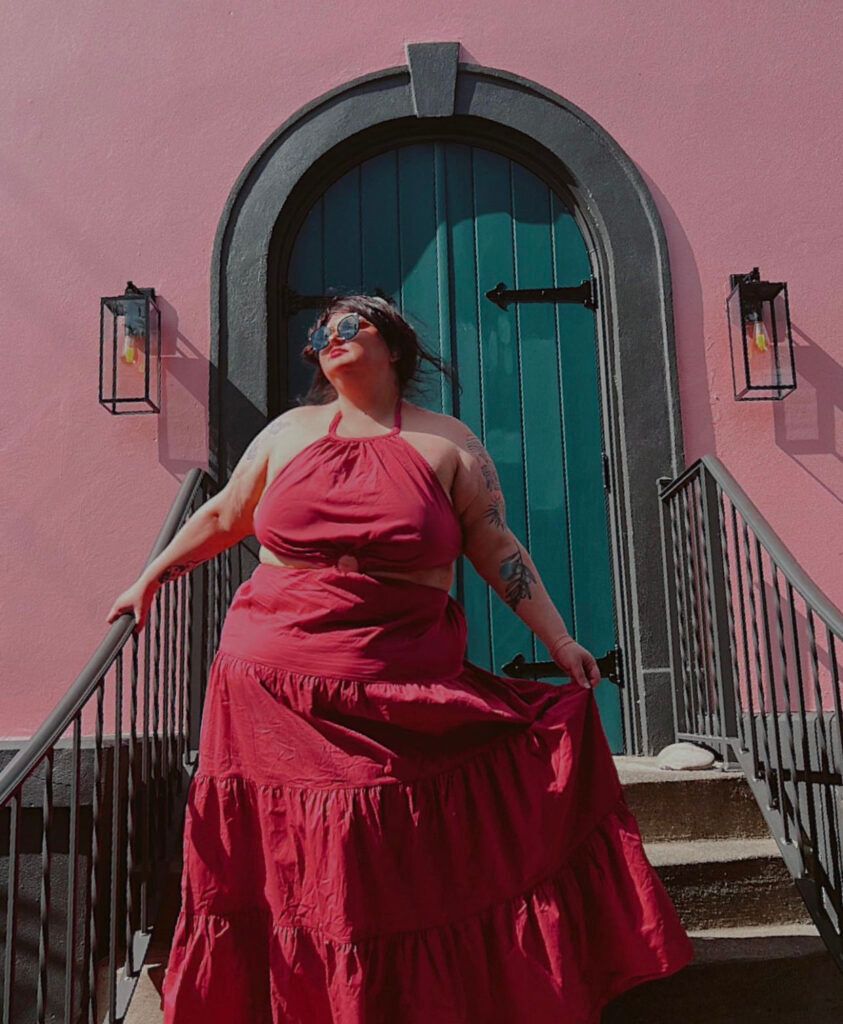
And here’s the thing: this isn’t just about individual frustration. It’s about an entire industry that has systematically excluded a significant portion of the market. When we ask why do plus size brands stop at size 24, we’re uncovering systemic issues that go far deeper than simple business decisions. This is about who gets to participate in fashion culture and who gets left behind.
Problem #1: Manufacturing and Patternmaking Challenges
Before we get into the social or economic reasoning behind why do plus size brands stop at size 24, we need to start where the clothes do. Namely, the design and manufacturing process. Because this is where the exclusion starts.
A lot of designers just don’t know how to design for plus size bodies because they aren’t taught how to do so. Fashion education has historically focused on sample sizes, leaving plus size patternmaking as an afterthought or completely ignored. It’s like they’re teaching you to build a house but only showing you how to frame one type of foundation.
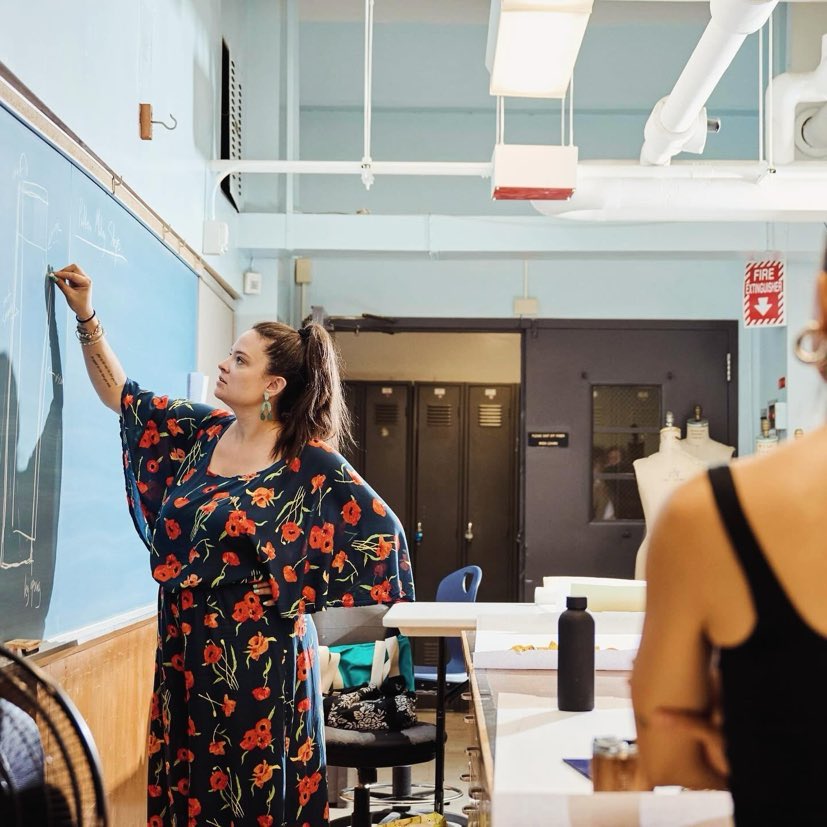
Plus size designer and patternmaker Rachel Kacenjar explains the complexity: “Plus size fit is hard. There I said it. We all hold our weight differently, and where there might be one to three body types that will wear a size 14, there are more like four to six body types that will wear a size 30. Our bodies are beautifully complex.”
This complexity requires specialized knowledge that many designers and manufacturers simply don’t have. When brands do want to be inclusive, they often face manufacturing barriers. Alexis Krase, owner of Plus Bklyn noted the challenge: “Finding a manufacturer who is willing to work with us to make extended sizes has been so hard. Oftentimes I don’t get a direct ‘No we can’t do that’ but am told so many excuses that it may as well be a no.”
This manufacturing barrier is one of the key reasons why do plus size brands stop at size 24. It’s easier to stick with what manufacturers already know how to produce rather than invest in the specialized knowledge needed for extended sizing. But “easier” doesn’t mean “right,” and it definitely doesn’t mean “inclusive.”
Manufacturing resource websites like MakersRow should include information on whether a manufacturer has the capability and/or will produce plus size clothing and include a resource list on plus size patternmakers. Because transparency matters and brands shouldn’t have to guess whether a manufacturer can actually serve their customers.
Problem #2: The Dangerous Myth About Disposable Income
Here’s where it gets ugly; there’s a persistent assumption in the fashion industry that people over a size 24 don’t have disposable income or don’t buy clothes. This extrapolation is dangerous and discriminatory; it’s another reason why do plus size brands stop at size 24.
If sixty-seven percent of women in the United States are over a size fourteen then a significant percentage of women are over a size twenty-four. The Centers for Disease Control and Prevention tracks body size data; reality is that plus-size women represent a massive underserved market. We’re talking about millions of people who want to shop who have money to spend and who are being systematically ignored.
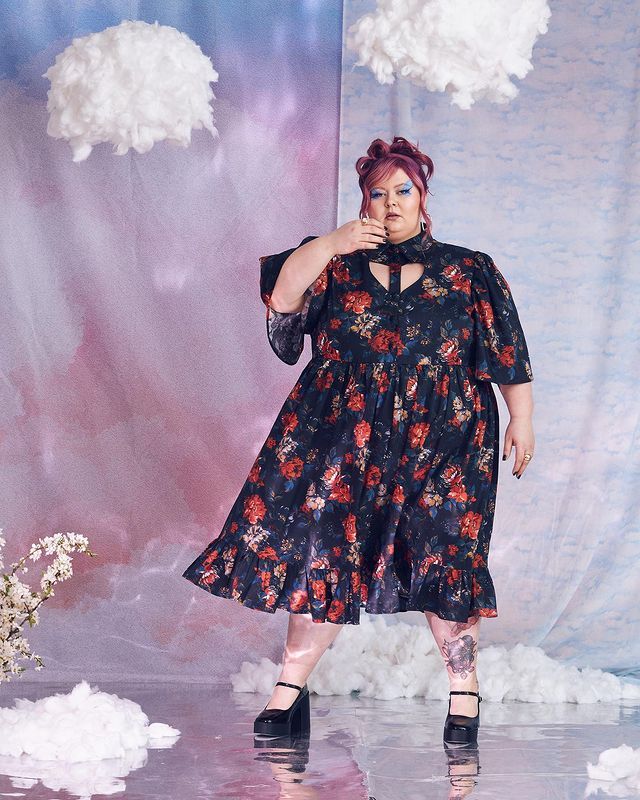
But here’s the catch: when brands don’t make clothes in extended sizes they create a self fulfilling prophecy. If you don’t stock sizes twenty-six to thirty of course they won’t sell. But that doesn’t mean the demand isn’t there; it means you’re not meeting it.
Blogger Marcy Cruz shared her experience; it’s a perfect example of this cycle: “In my personal experience I have been told by brands that larger sizes don’t sell which makes other brands afraid to expand their range.”
This creates a cycle of exclusion; brands assume extended sizes won’t sell so they don’t produce them. Customers can’t find their sizes so they stop looking. Brands see low sales in extended sizes (because they barely made any) and use that as proof they shouldn’t expand. It’s circular logic that hurts everyone; it’s a major factor in why do plus-size brands stop at twenty-four.
Corissa Enneking blogger behind Fat Girl Flow who is a size twenty-six/twenty-eight explained: “I get questions on a daily basis from people over a size twenty-four who are looking for clothing stores that carry their sizes. People in this range are used to having zero options so why look at new product drops? Brands have to do a lot of outreach so these customers know they can shop there.”
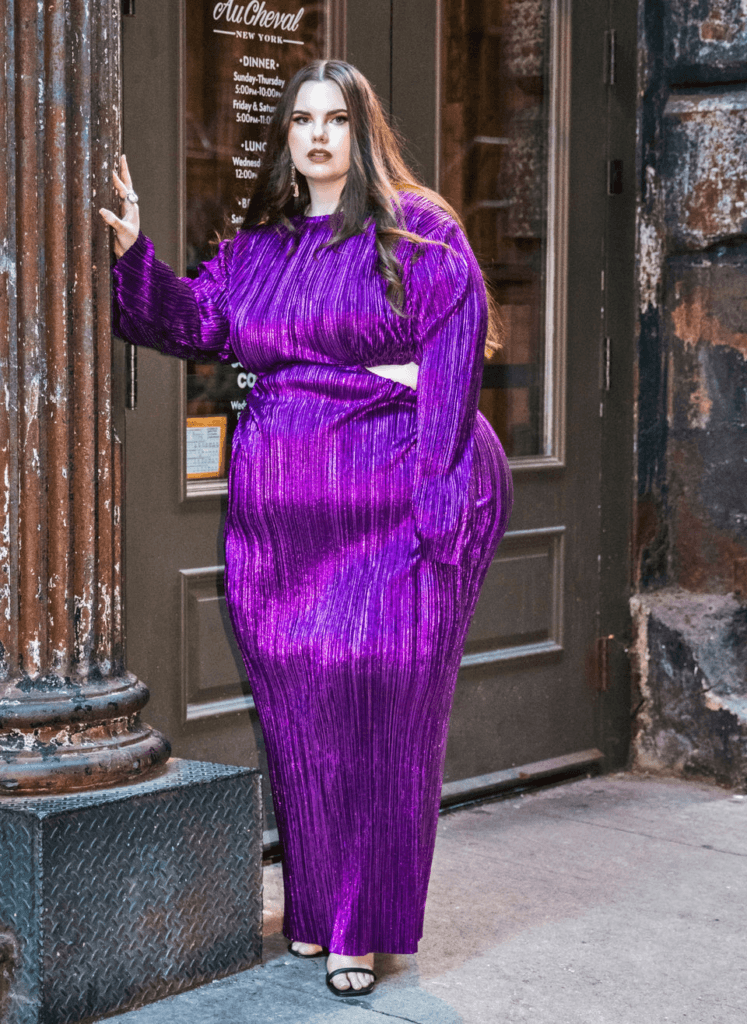
See what she’s saying? The customers exist; they’re asking; they’re looking. But when brands don’t show up for them consistently they stop checking; then brands use that as an excuse not to expand. It’s backwards; it needs to stop.
Limited Size Runs Create the Problem
Part of the problem is limited runs that brands do; it’s hard to sell clothes above twenty-four if you don’t have them in stock. This limited production is another answer to why do plus-size brands stop at twenty-four.
Lisa of MustangSallly2 shared: “I personally am shocked to hear larger sizes don’t sell online because everything I want is gone fast. If I want a twenty-eight jean from Penningtons I need to be on it right away as soon as they are released in August for example.”
This isn’t about lack of demand; it’s about lack of supply. When extended sizes sell out immediately that proves the market exists; brands just need to produce enough inventory to meet it.
Problem #3: Representation and Model Casting
Even when brands extend their sizing representation often doesn’t follow; that’s another problem entirely. “Seeing a model who is probably like a US twelve isn’t helpful,” says Bea Alexandra who is an activist model and plus-size blogger. “Why would I buy something if I don’t know what it looks like on my body?”

This is a real barrier; when brands extend to thirty but only show fourteen models they’re not actually being inclusive—they’re checking off boxes without doing the work.
Plus-size staple brands like Lane Bryant and Torrid have made progress but there is still work to be done; Lane Bryant has extended their sizing beyond twenty-four especially after Catherine’s closure which shows when brands commit to serving their full customer base they can make it happen.
Alexis Krase of Plus Bklyn shared their approach: “I find many Plus Bklyn models through social media; I get so much positive feedback from customers excited to see someone modeling who looks like them.”
This is how it should be done—if agencies won’t sign models over fourteen find them yourself! Cast people who reflect your actual customers—it’s not hard and the impact is huge.
What’s Actually Changing (And What Still Needs Work)
The good news? More brands are finally extending beyond twenty-four! Lane Bryant’s expansion after Catherine’s closure shows legacy brands can evolve while indie ones continue launching with extended sizing from day one! But work isn’t done—not even close!
When we ask why do plus-size brands stop at twenty-four we’re really asking about systemic change! Brands need:
- Actually produce extended sizes in meaningful quantities (not just few pieces here and there)
- Cast models who represent full range offered (not just smallest sizes)
- Stock extended sizes in stores not just online (because access matters)
- Market extended-size customers not just hope they find brand (outreach key)
- Invest patternmaking manufacturing supporting extended sizing (foundational work)

Large retailers like Eloquii Lane Bryant Torrid can lead way by requesting plus-size models larger than sixteen! This will then lead smaller startup indie ones being able hire these models! In meantime though shouldn’t hide behind excuse “there are no models cast!” Because there are—you just have look for them!
Follow Plus Bklyn other inclusive brand lead cast people reflective your customer—it isn’t optional—it necessary!
So Why Do Plus Size Brands Stop At Size Twenty-Four?
Stopping at twenty-four was never about what customers wanted—it was about what convenient for brand easy manufacturers fit existing systems! But those systems built exclude—it past time rebuild them!
When we ask why do plus-size brand stop twenty-four answers reveal manufacturing barriers assumptions representation gaps! But also reveal opportunity! Extended sizing isn’t niche market—it significant portion population deserves access fashion style self-expression! When brand commit serving market find not just right thing good business!
What think? Want hear from you! If friend vocal about share with them too! And if you’re brand reading this know your extended-size customers waiting—they just waiting actually show up them! Question is—will you?