Key Insights on Bridal Inclusivity
- Inclusion is growing, but representation remains inconsistent across campaigns.
- Sample sizes for plus-size gowns are often unavailable, limiting brides’ fitting options.
- Designers are increasingly focusing on intentional inclusivity in their collections.
- Pricing disparities, often referred to as the “bridal tax,” continue to affect plus-size wedding dresses.
Inclusion Is Increasing, But Still Uneven
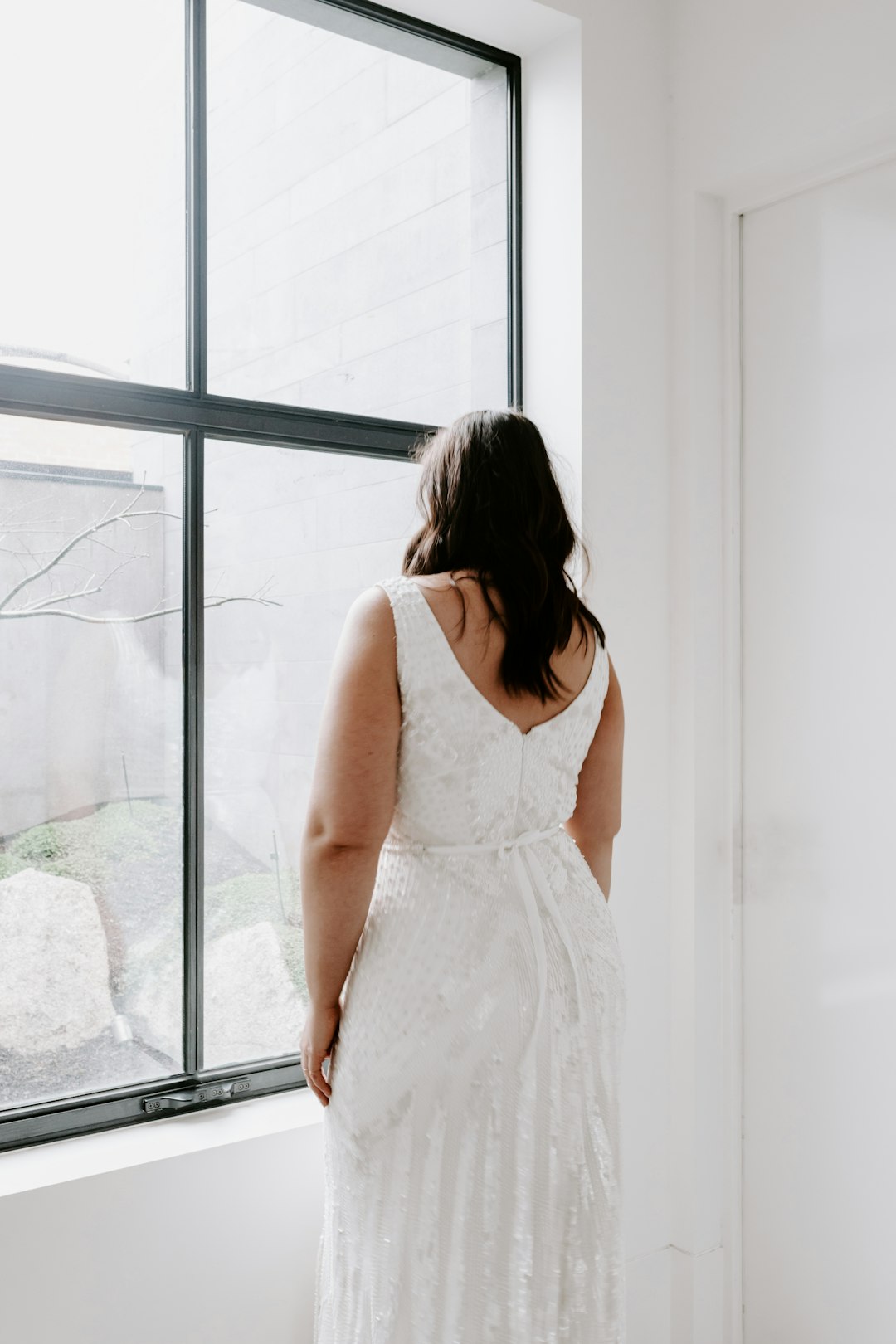
More brands are featuring plus-size brides in their campaigns and lookbooks, but representation is patchy. Many bridal lines now include extended sizes, yet key campaign visuals and runway shows still default to straight-size models.
Why it matters: Visibility helps curvy brides feel seen; inconsistencies perpetuate exclusion and can frustrate those seeking representation.
Sample Sizes Remain a Barrier
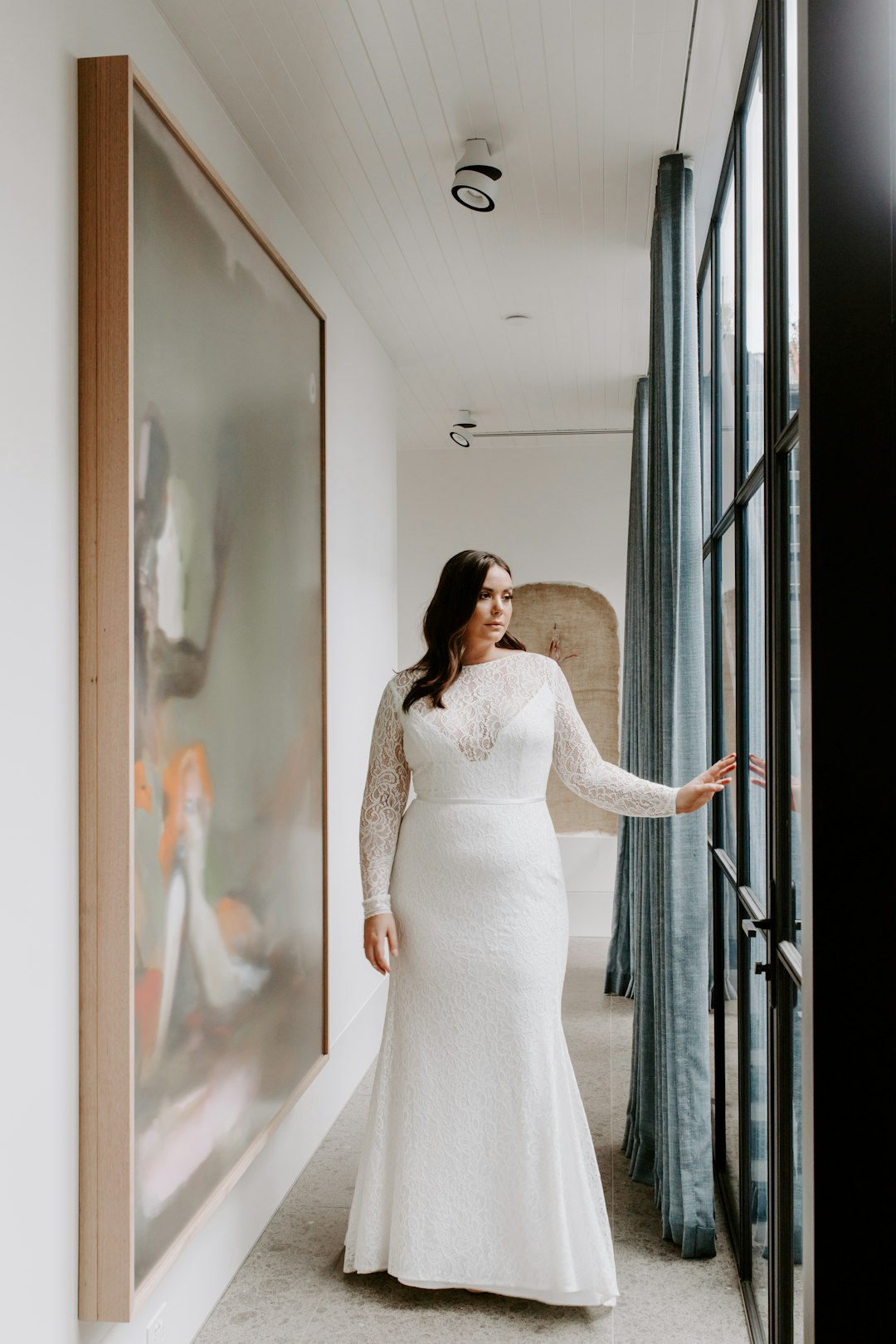
Boutiques often don’t carry plus-size samples – even for styles technically offered in larger sizes. Brides may see a gown online but can’t try it on in size 16+ in person.
Why it matters: Trying on is essential for fit, comfort, and emotional validation; lack of samples reduces confidence and increases alteration costs.
Designers Stepping Up Intentional Inclusivity
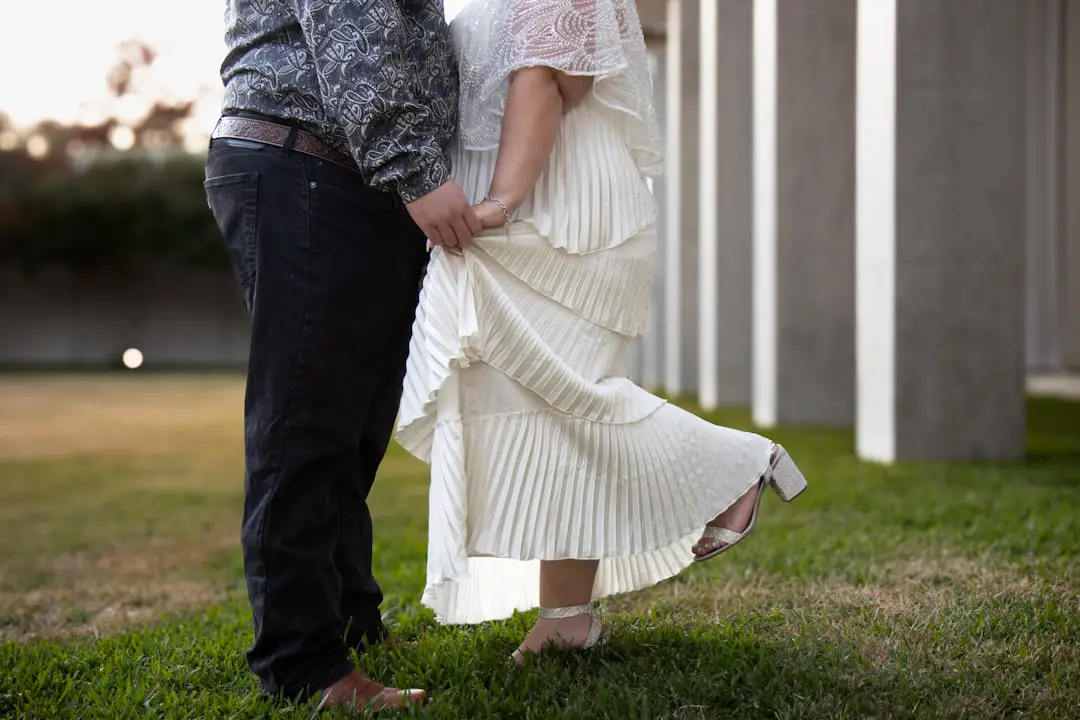
Certain designers are changing their approach: building gowns specifically for fuller figures, offering plus-size showrooms, incorporating fit models of diverse size in design and manufacturing.
Why it matters: Thoughtful design (boning, support, silhouette) tailored for curves makes dresses that fit better, look better, and make brides feel more empowered.
Pricing Disparities Persist (“Bridal Tax”)
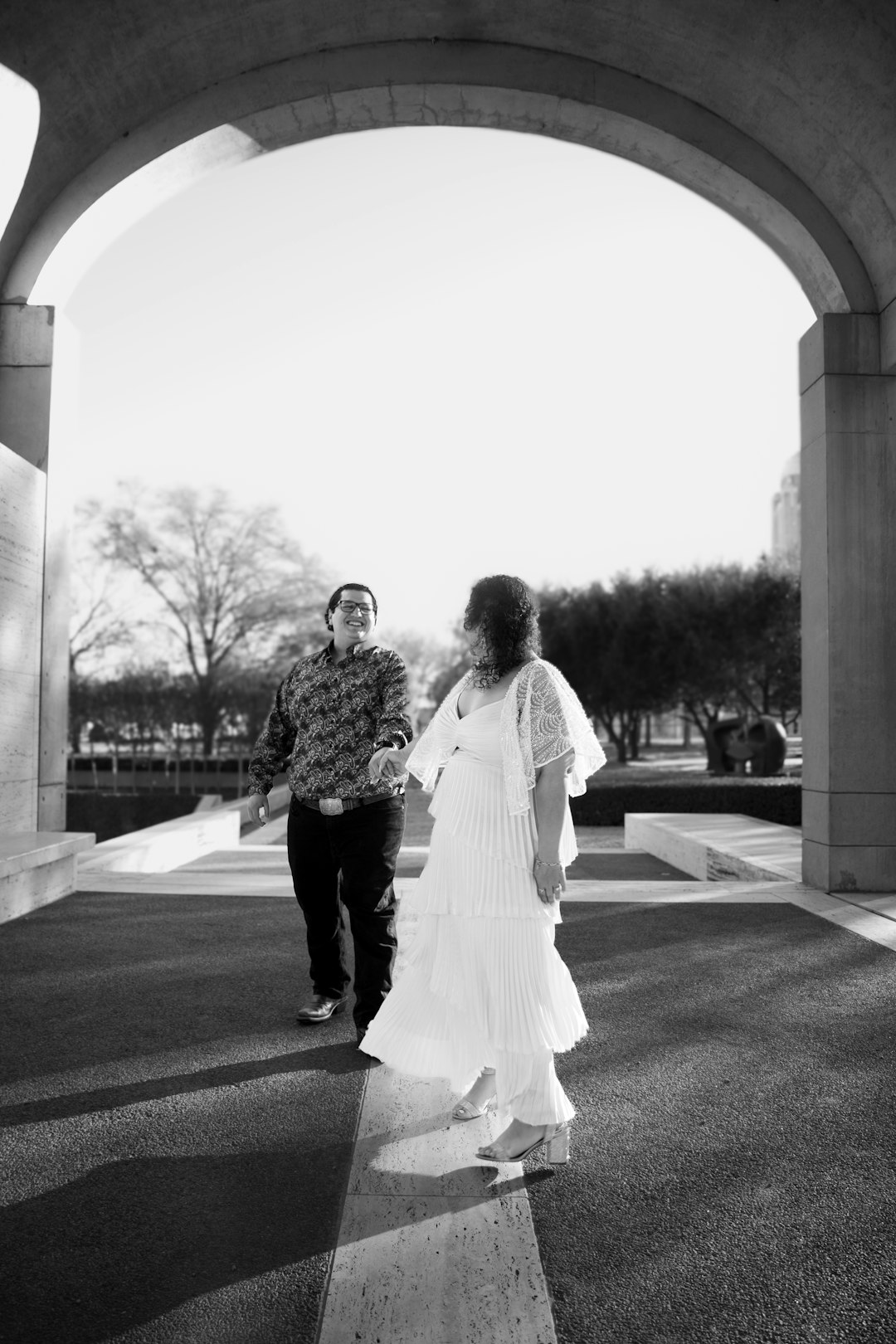
Some brands still impose extra costs for plus-size wedding dresses (alterations, fabric surcharges, etc.). Brides often pay more for the same style just because larger sizes sometimes use more material or require more labor.
Why it matters: Extra cost adds financial burden and can feel unfair; price equity helps normalize size inclusion as standard, not premium.
Campaigns Are Becoming More Representative
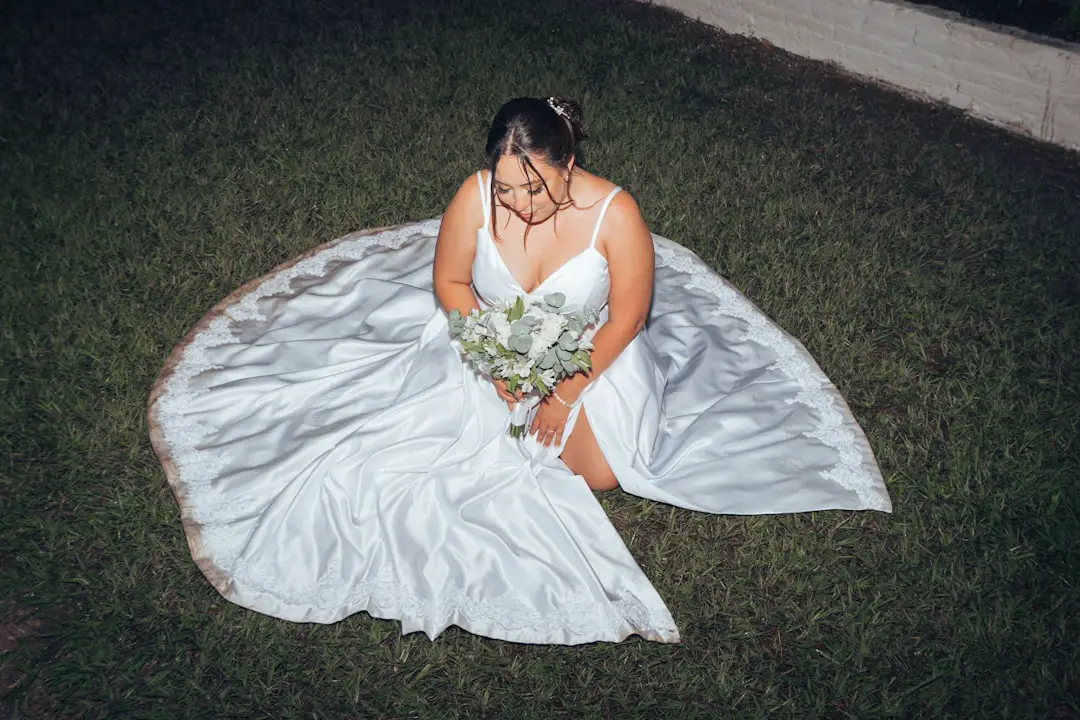
Magazines, wedding blogs, and social media campaigns are increasingly showcasing real brides of diverse sizes. Photography, styling, and inclusive editorial content are beginning to reflect a broader customer base.
Why it matters: Seeing people who look like you in campaigns builds confidence, shapes expectations, and pushes industry norms toward real inclusivity.
Trends Lean Toward Curves with Structure and Comfort
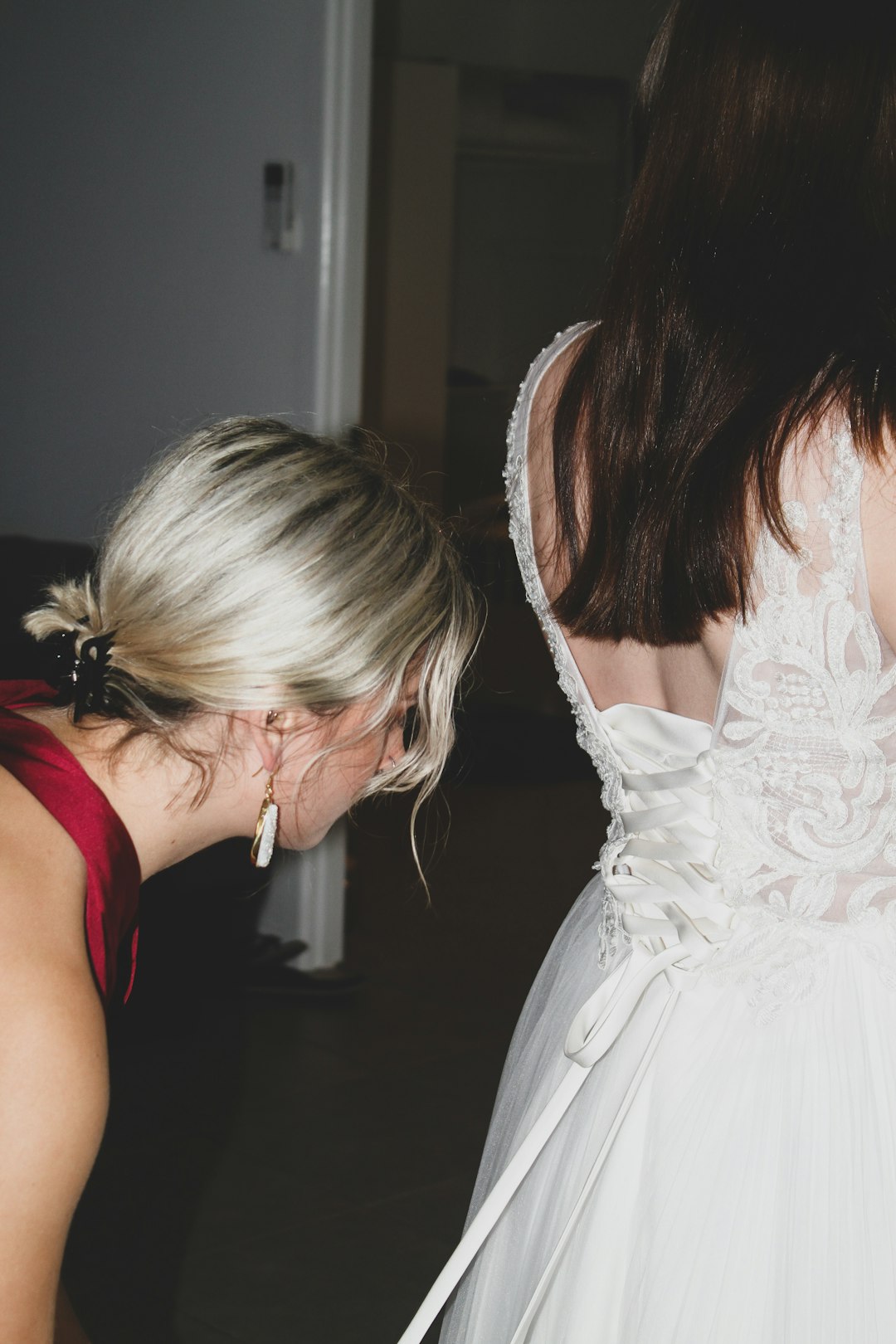
Wedding dress trends for 2025 show corsetry, luxurious supportive structures, statement sleeves, and silhouettes designed to flatter curves without sacrificing comfort.
Why it matters: A bride who feels both beautiful and comfortable will enjoy her day more; plus-size trend design shows fashion is listening.
Social Media & Advocacy Driving Change
Advocates, bloggers, real brides sharing their experiences and unmet needs are pressuring brands to do better. Hashtags, real wedding features, plus size bridal magazines are amplifying voices.
Why it matters: Consumer pressure often speeds change; when brides demand visibility and fair options, brands respond or risk losing relevance.
Still A Way To Go For Truly Equal Representation
Despite progress, many campaigns still treat plus-size as novelty or afterthought. Runway inclusivity is limited; many ads still exclude curves, and many brides still experience “invisible” or token inclusion rather than meaningful representation.
Why it matters: True equality in representation changes expectations across the industry – design, marketing, shopping experience – making bridal culture inclusive rather than conditional.