

Key Insights on the Plus-Size Market
- Market Value: The global plus-size clothing market exceeds $100 billion.
- Retail Gaps: Many retailers are reducing their plus-size offerings despite high demand.
- Production Costs: Higher costs in manufacturing plus-size clothing lead to increased retail prices.
- Success Stories: Some brands are successfully expanding their physical presence in the plus-size market.
The Growing Market That Retailers Continue to Ignore
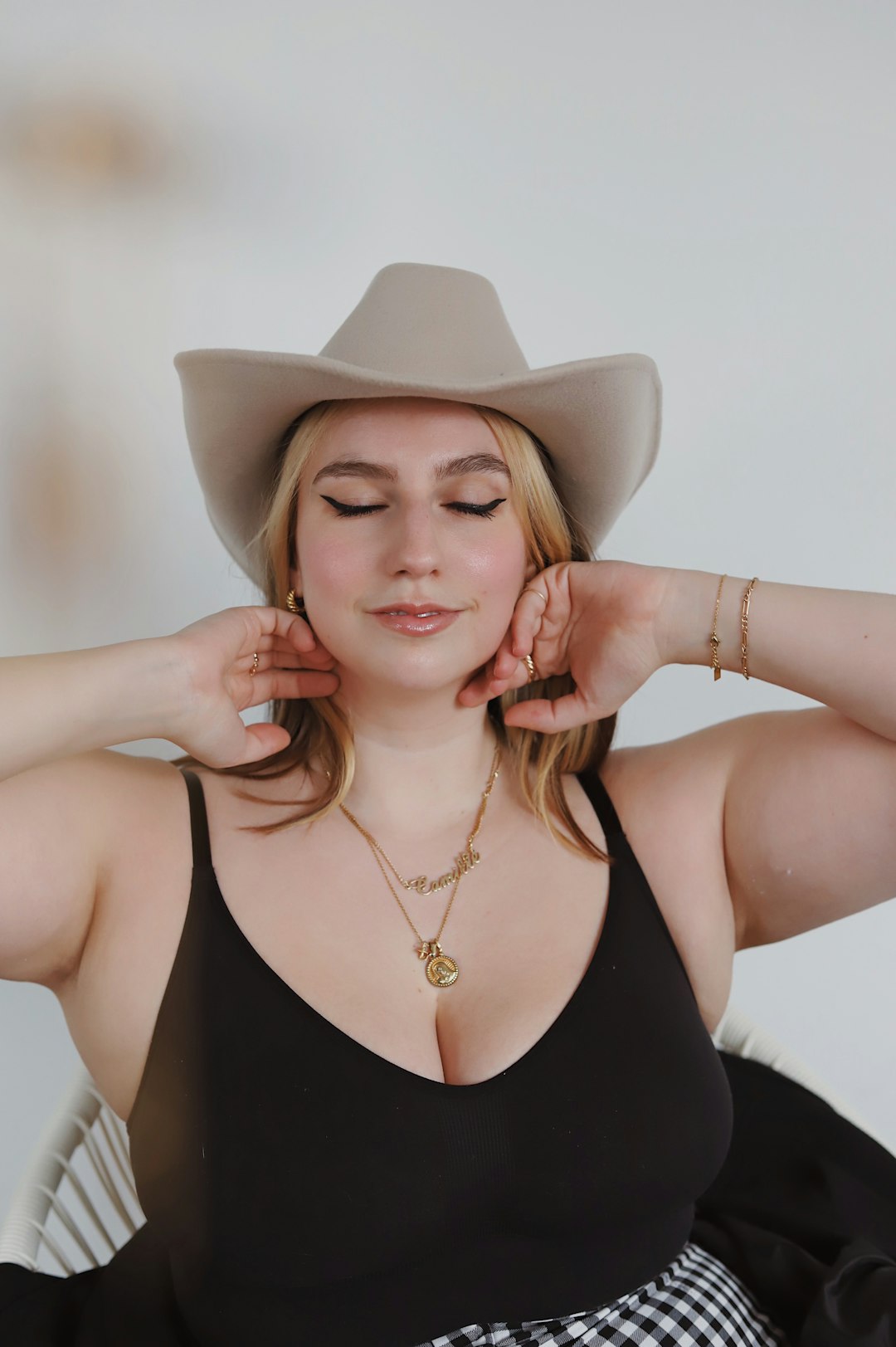
The plus size clothing market is valued at over $100 billion globally and shows no signs of slowing down. Studies suggest that over half of US women wear size 14 or above, yet walk into any department store and you’ll find plus-size sections relegated to dusty corners or completely absent from floor space. Retailers have been quietly sidelining plus-size clothing and reducing in-store quantities, even though most US women wear larger sizes.
This disconnect creates a massive opportunity that many plus-size entrepreneurs are desperately trying to capture, only to hit wall after wall when it comes to securing retail shelf space. The numbers don’t lie about demand, but getting traditional retailers to acknowledge this reality remains frustratingly difficult.
Physical Stores Are Shrinking Their Plus-Size Footprint
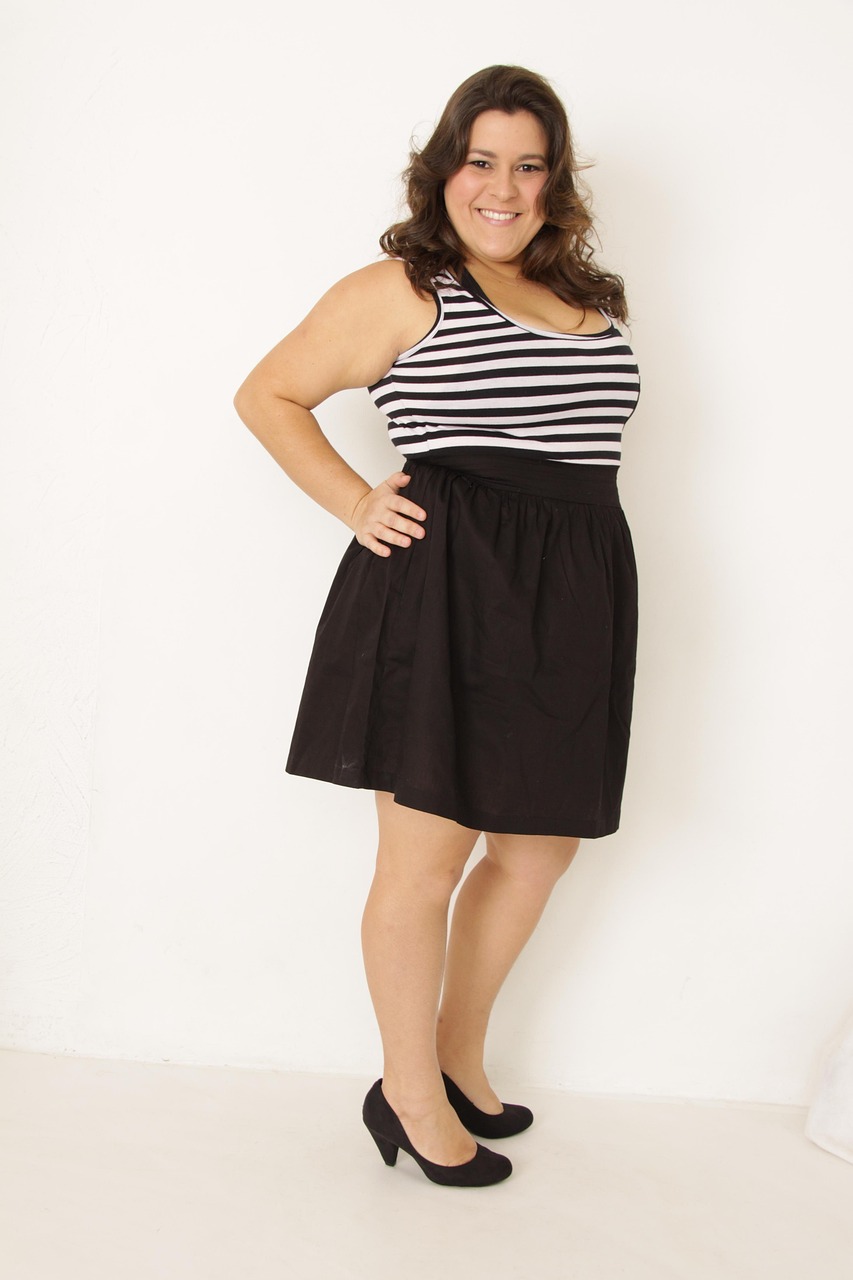
Retailers have been quietly sidelining plus-size clothing and reducing in-store quantities, even though most US women wear larger sizes. Many retailers expanded their in-store size options as part of a broader effort to support body diversity. But economic headwinds in recent years have led to store closures and scaled-back assortments in-store. Torrid announced plans to close a significant number of its stores this year to focus on expanding its digital presence. The company noted that 70% of its customers shop on its website.
Even major retailers like Old Navy are backtracking on their commitments. Gap announced in 2023 that its Old Navy brand would remove extended sizes from many stores, keeping them online. This trend shows how established retailers are pulling back from physical plus-size offerings just when entrepreneurs need those shelf spaces most.
The Hidden Economics of Shelf Space Allocation
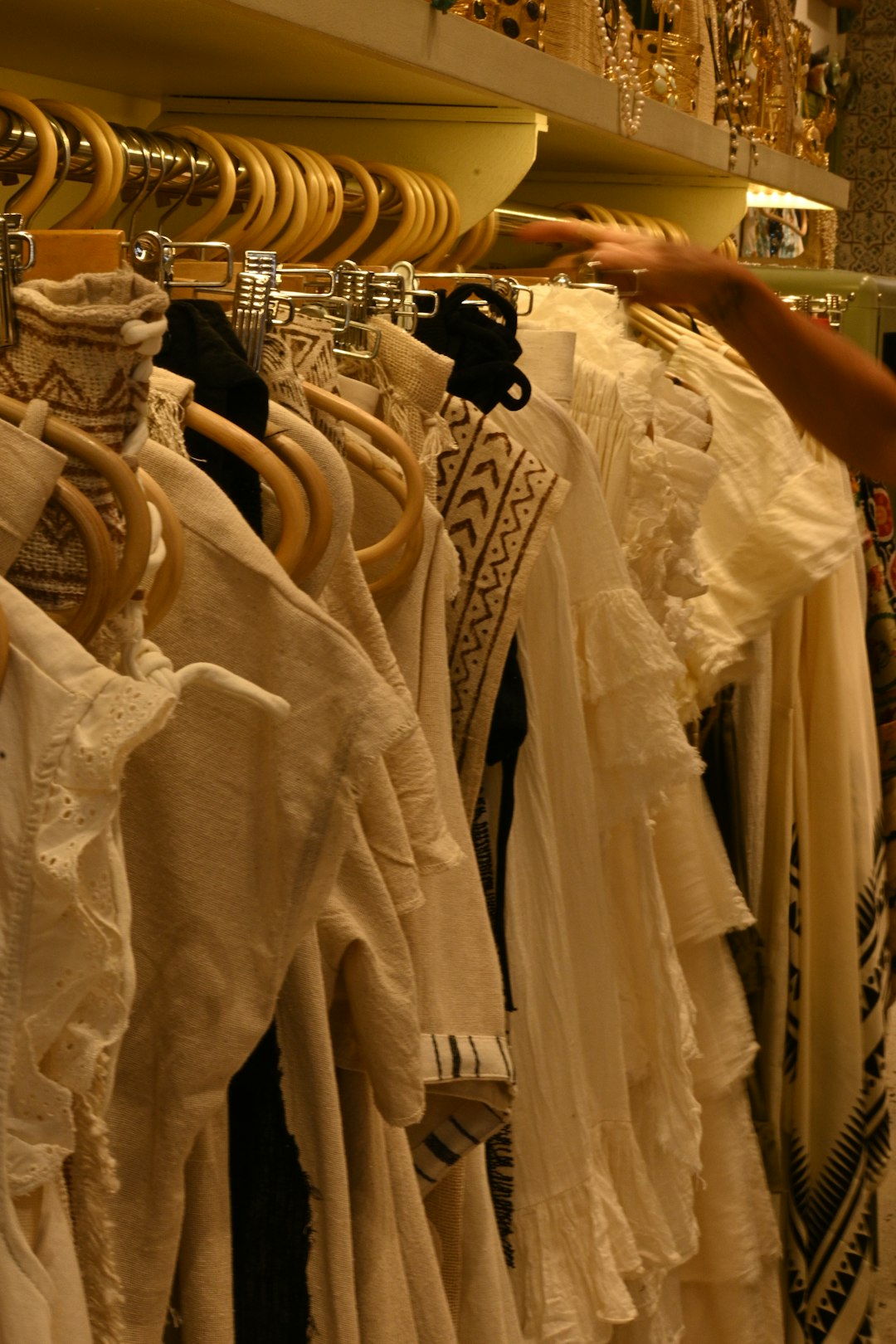
Many brick-and-mortar stores do not allocate adequate shelf space for plus-size collections, leading to reduced consumer accessibility. Additionally, some retailers prioritize standard sizing due to traditional industry norms, creating a supply gap in underserved markets. The problem runs deeper than simple bias – it’s about how retailers calculate profit per square foot. Despite all the growth, there are barriers ahead of higher manufacturing cost due to higher fabric demand and not having retail shelf space for plus clothing. Additional product is needed to produce plus-size clothing, thereby adding cost of production. Plus-size lines occupy shelf space within the stores, taking away shopper visibility.
Retailers often view plus-size clothing as requiring more physical space while potentially generating lower turnover rates. This creates a mathematical challenge for plus-size entrepreneurs trying to convince retailers that their products deserve valuable floor space.
Production Costs Create Price Barriers
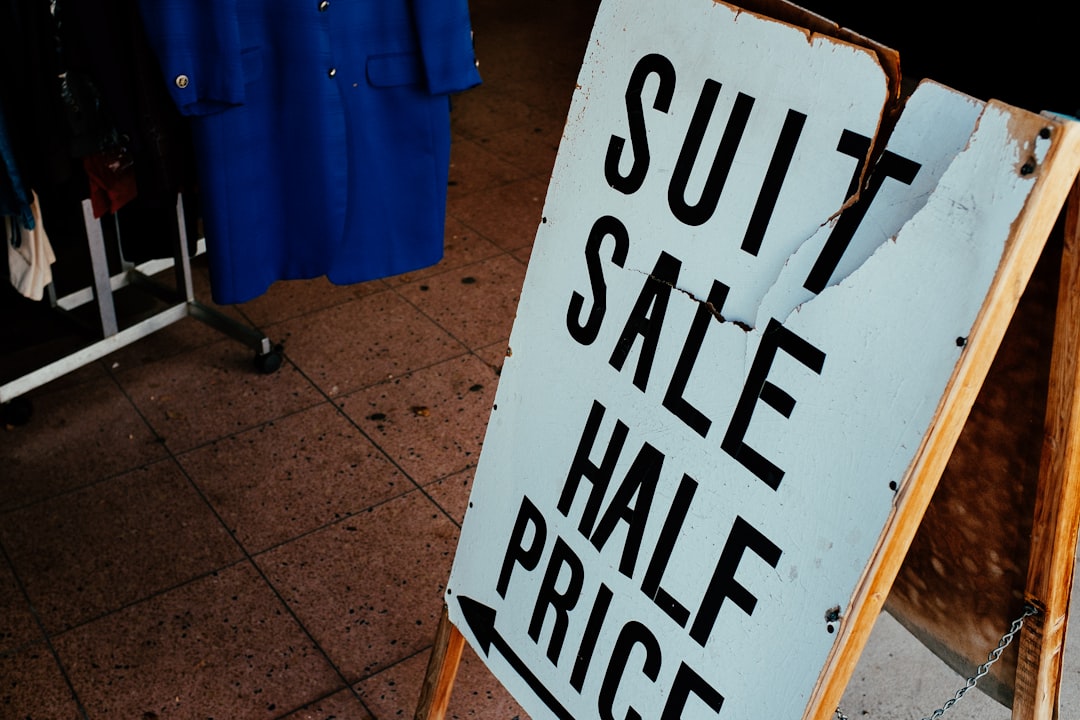
The cost of producing plus-size clothing can be higher than standard sizes due to the additional fabric and unique design considerations required to ensure comfort and fit. These increased production costs are often passed on to consumers, resulting in higher price points for plus-size apparel. For price-sensitive consumers, this can be a significant barrier to purchase. Due to challenges faced in manufacturing plus-size women’s clothing, brands often mark up the prices by as much as 15% to 20%. They don’t realize that the target audience of the plus-size fashion market has grown up in fast fashion and hence are quite sensitive to price points on offer.
This pricing challenge puts plus-size entrepreneurs in a tough spot when pitching to retailers who are looking for products that can compete with fast fashion price points. Higher production costs mean lower margins for retailers, making shelf space allocation decisions even more challenging.
The Inventory Distribution Nightmare
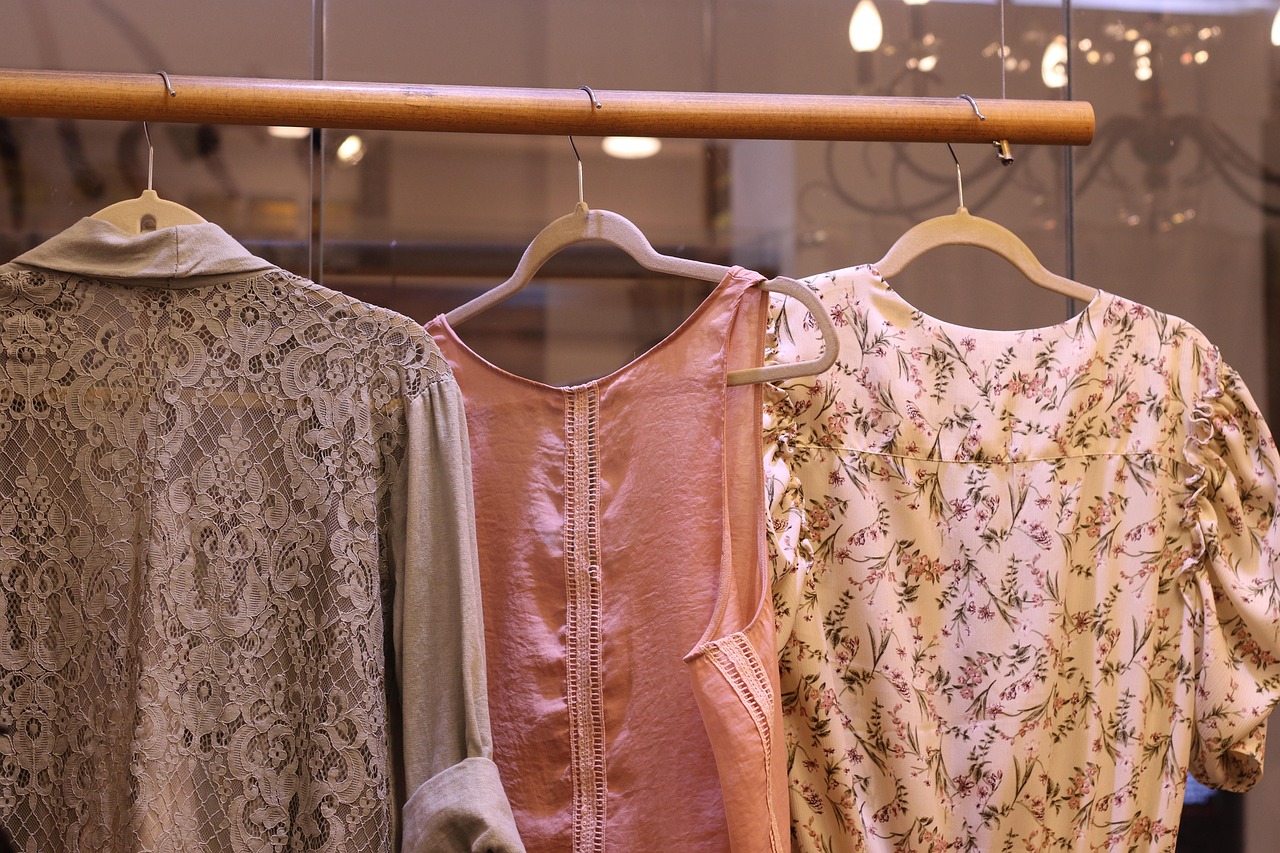
It’s an issue of inventory allocation and distribution. While this begs the question of why don’t brands just make more clothing to distribute, the initial decision to carry plus sizes in-store is often not a one-and-done, but rather, a first step in the journey toward establishing a customer base that will let plus thrive in all markets nationally. Fast Fashion brands’ reasoning for not having enough garments is that there is a big issue with inventory allocation and distribution. When brands commence their size expansion journey the demand does not directly influence the amount of inventory they actually have. It is a complicated logistics issue that often gets lost when big-picture decisions are being made.
The stores do not provide enough space for the display of large-size outfits. And more often than not, these displays are not backed up by sufficient inventory. There are complaints that stores are depriving a sizeable chunk of customers of a good shopping experience.
Limited Fashion Week Representation Hurts Industry Credibility
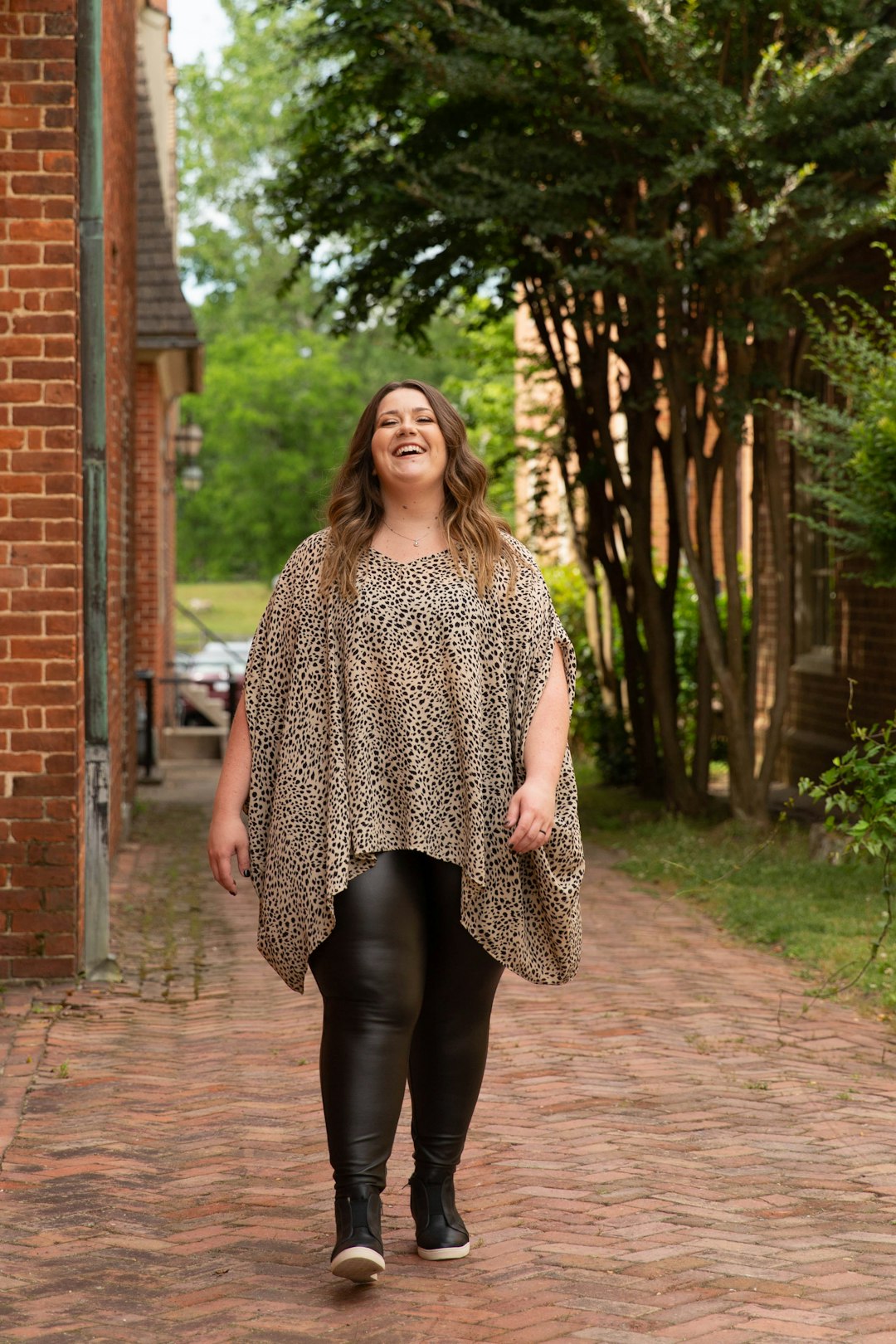
The fashion industry’s own showcase events reveal a troubling disconnect from market reality. The representation of models size 14 or larger at the major Autumn/Winter 2025 fashion shows in New York, London, Milan, and Paris fell to 0.3% of 8,703 looks from 0.8% last season, per Vogue Business’ size inclusivity report. US sizes 0 to 4 accounted for 97.7% of catwalk looks at the fall/winter 2025 shows, while midsize (6 to 12) made up just 2%, down from 4.3% last season. Only 30 out of 327 brands shown at Fashion Weeks offered sizes 20 and above, indicating room for further growth in inclusive fashion offerings.
This lack of representation at industry events makes it harder for plus-size entrepreneurs to establish credibility with mainstream retailers who look to fashion weeks for trend validation.
Online Success Doesn’t Translate to Retail Credibility
So, why do less than half of online retailers provide inclusive sizing options? Fast Simon recently analyzed 40 mainstream online retailers that don’t sell exclusively to plus-size shoppers. 85% of the retailers had search results for “plus-size,” but only 43% of those items were actually plus-size. Even when plus-size entrepreneurs succeed online, traditional retailers remain skeptical about translating that success to physical stores.
Of the brands that have inclusive sizes, two-thirds use an alternative term, such as “curve,” or offer extended sizes, which is not the same as plus-size. 25% of online stores limit their plus-size sections to denim. The inconsistent use of terms and limited options make it difficult for shoppers to find what they’re looking for and create frustrating shopping experiences.
The Fitting Room Challenge
The physical retail presents unique challenges that plus-size entrepreneurs must address to convince retailers of their viability. The plus customer has historically been sent to the back of the store or the basement – just in the most hideous and inaccessible places. We were pleasantly surprised with how easy it was to get front and center placement in [Nordstrom’s] New York flagship store. Johnny Bigg, an international brand for big and tall men, has taken this further within the New Zealand and Australia stores, now bringing that knowledge to their expansion into the U.S. market. Not only has the brand been able to carry its full-size range, but it has tailored its in-store experience to be more plus-friendly, with dress rooms that are more spacious than the ones found at traditional retailers.
Smart plus-size entrepreneurs understand that securing shelf space isn’t just about the products – it’s about proving they can create a superior in-store experience that drives customer loyalty.
Technology Solutions Aren’t Reaching Retail Floors
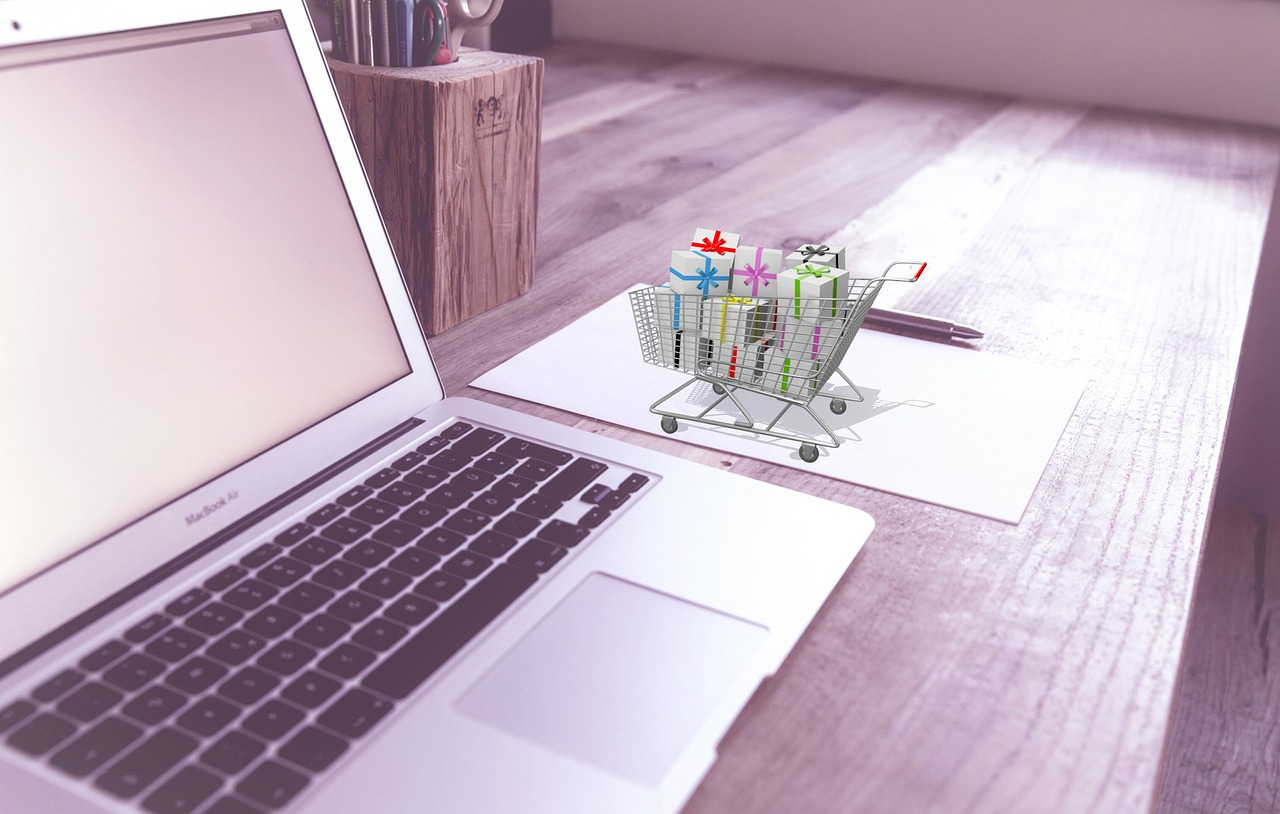
In this landscape, technology adoption is becoming a key competitive differentiator. Given the persistent fit challenges in plus-size fashion, brands are leveraging AI and 3D scanning tools to enhance accuracy and minimize returns. B2B tech firms like True Fit and Size Stream are providing retailers with cutting-edge virtual fitting tools and tailored size suggestions based on individual body metrics and shopping history. However, these innovations remain largely confined to online spaces.
Plus-size entrepreneurs who’ve invested in technology solutions find that traditional retailers are slow to adopt these tools for in-store experiences, creating another barrier to securing physical retail space.
Economic Headwinds Make Retailers Risk-Averse
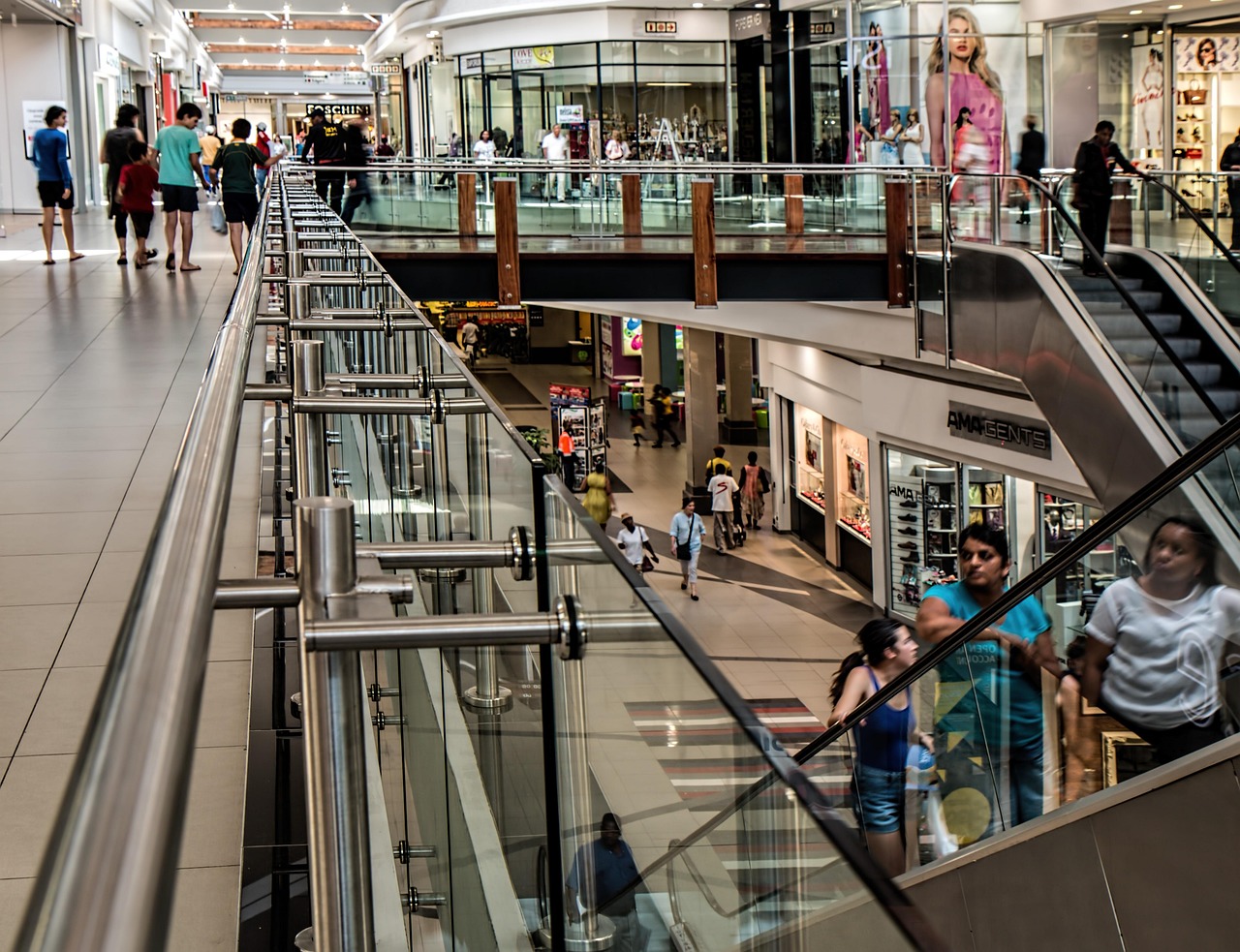
The global fashion industry faces economic uncertainty, a dynamic market, and consumer behavior shifts. A long-feared cyclical slowdown has arrived. Consumers, affected by the recent period of high inflation, are increasingly price sensitive. In the fast-paced world of fashion and consumer goods, businesses are facing challenges such as cost control, economic and political uncertainties, sustainability and labor and inventory management in 2024. The biggest concern in 2024 is uncertainty, with economic and political unpredictability expected to be a major supply chain challenge. Price/margin pressure has become the number one challenge, with reducing costs being seen as the most critical improvement priority for the year.
This economic uncertainty makes retailers even more conservative about shelf space allocation, preferring to stick with established brands rather than taking chances on new plus-size entrepreneurs, regardless of market demand.
The Success Stories That Break Through
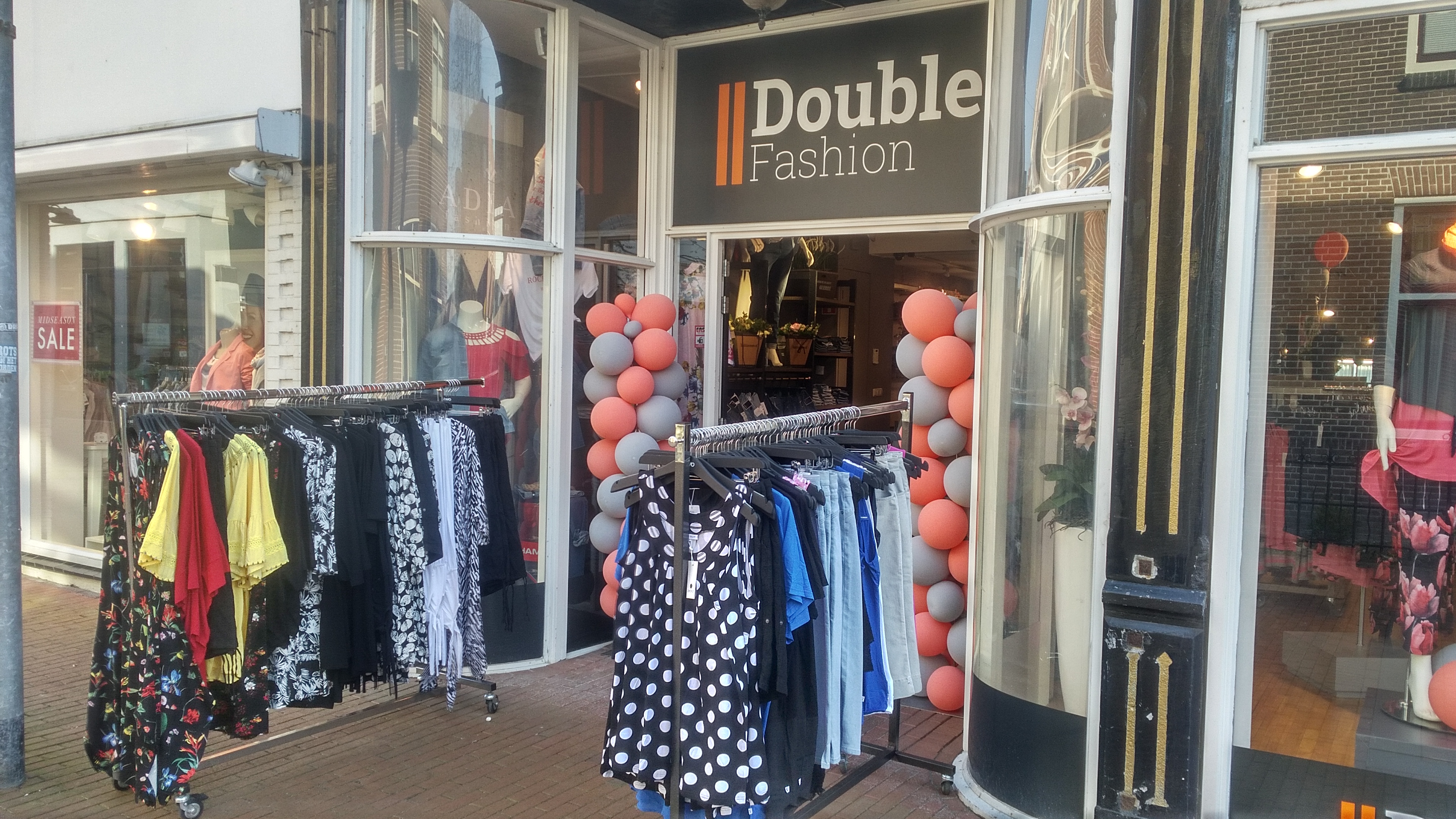
Consider Old Navy, which made a splash in August 2021 when it announced Bodequality, an initiative that would bring sizes 0 to 28 into all stores (among other equality-driven rollouts). But Old Navy and rue21 – which began last year carrying plus sizes in 454 stores – are just a few examples among fashion spaces committed to offering inclusive sizing both online and offline. In May 2024, Big Hello , an Indian niche fashion house catering specifically for plus sizes will open four new stores across Hyderabad including Kukatpally and Upperpally among others; this move signifies growing confidence towards direct-to-consumer channels within niche markets.
This success stories prove that retail shelf space is attainable for plus-size entrepreneurs but require significant capital investment along with strategic partnerships over time before breaking through traditional retail barriers.
The Path Forward for Determined Entrepreneurs

To navigate these challenges successfully brands must turn towards vertical integration while forging strategic supplier partnerships along with capitalizing on direct-to-consumer models effectively; examples include Universal Standard & Wray NYC managing production/distribution either independently or through exclusive partnerships maintaining high-quality standards enabling competitive pricing strategies simultaneously!
The offline retail captured 72.63%% revenues while online platforms forecasted at 9.37% CAGR to 2030! Smart Plus-Size Entrepreneurs build robust online presences catering towards customer preferences knowing breaking into retail requires undeniable online success first leveraging it towards conversations regarding shelf-space allocation!
Conclusion

The struggle faced by Plus-Size Entrepreneurs securing retail shelf-space reflects deeper systemic issues within fashion retail transcending mere discrimination; economic pressures ,inventory challenges ,outdated representations ,and technology gaps present multifaceted barriers . However ,the immense market opportunity represented by billions worth consumer spending power indicates determined entrepreneurs who establish strong foundations online ,develop innovative fitting solutions ,and cultivate undeniable customer loyalty will ultimately compel traditional retail sectors into recognizing this demand . The question isn’t whether this market deserves shelf-space but rather how long can retailers afford ignoring such evident demands?