
Imagine this. You are at your desk, keyboard clacking, Slack messages pinging, coffee in hand, but all you can think about is your lower back screaming like it’s at a rock concert due to the uncomfortable chair you sit in.
Your office chair seems designed for someone who barely registers on the scale. Every hour is a test of endurance. You squirm, shift, and fantasize about a chair upgrade that actually loves your body. Is this what adulthood feels like?
Maybe. But you are not alone. Millions of workers survive the same torture in silence. Needing proper support is not high-maintenance. It’s a basic survival need.
Key Insights
- Discomfort is common; many workers endure poor seating daily.
- Requesting ergonomic chairs is a right protected under the law.
- Documenting discomfort can strengthen your case for a chair upgrade.
- Creating a supportive workplace culture benefits everyone.
Why We Feel Embarrassed About Chair Requests

Office culture loves to whisper that you should tough it out. And for plus-size professionals, asking for a chair upgrade can feel like declaring war. But here is the truth: discomfort is not a badge of honor. It is a productivity killer. Poor seating contributes to chronic back pain, and yet most of us sit there pretending we are fine because we fear being labeled too demanding. Advocating for yourself is not demanding. It is smart business.
Understanding Your Legal Rights
Let’s be real about something important: in many cases, requesting ergonomic accommodations isn’t just reasonable, it’s actually protected. Under the Americans with Disabilities Act, employers must provide reasonable accommodations if you have a medical condition that affects your work.
This doesn’t mean you need to have a diagnosed disability to ask for a better chair. Preventive ergonomics are smart business practice. Companies that invest in proper seating see fewer workers’ compensation claims and higher productivity. You’re actually doing them a favor by speaking up early.
Know your workplace policies too. Many companies have existing procedures for ergonomic assessments that employees simply don’t know about. Check your employee handbook or talk to HR about what options are already available.
Gathering Your Evidence Before the Ask
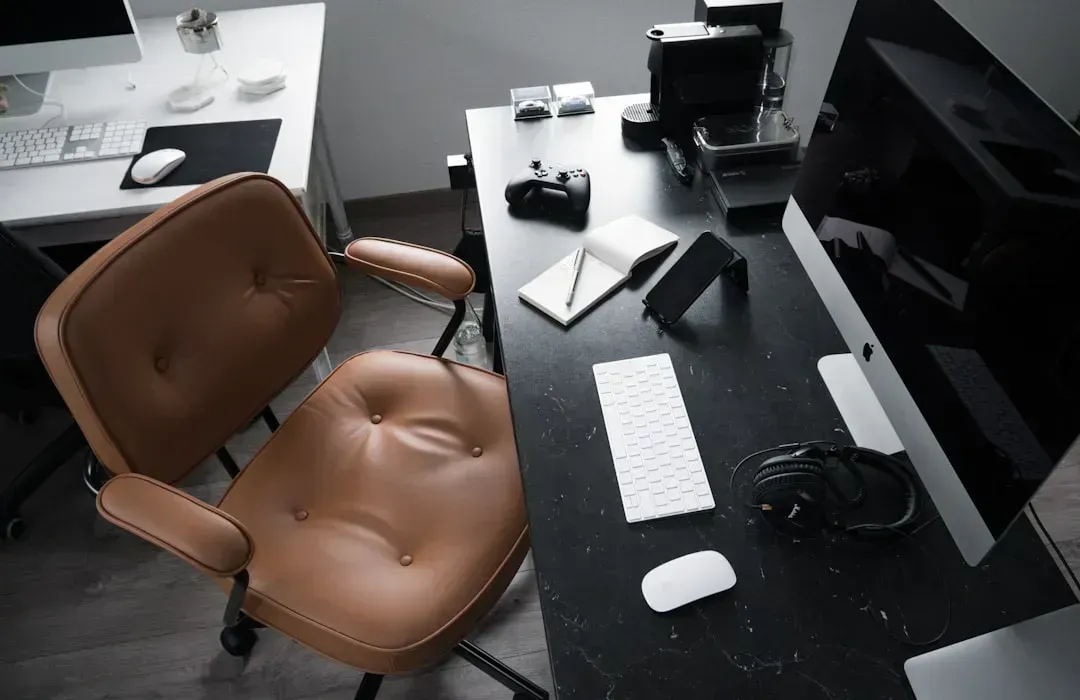
Walking into a request with preparation makes everything easier. Start documenting how your current chair affects your work. Are you taking more breaks because of discomfort? Does pain distract you during important tasks? Keep notes for a week or two.
Research chairs that would work better for your body. Look for options with higher weight capacities, wider seats, better lumbar support, or whatever features you need. Having specific examples shows you’ve done your homework and aren’t just complaining aimlessly.
If you’ve already tried adjusting your current chair or using cushions without success, mention that too. It demonstrates you’ve attempted solutions before asking for investment from the company.
Choosing the Right Person to Approach

Who you talk to matters almost as much as what you say. Your direct supervisor might be the first stop, but they’re not always the best choice. Some managers just don’t have the authority or budget to approve equipment purchases.
HR departments typically handle accommodation requests and understand the legal landscape better. They’re usually your safest bet for a professional, by-the-book conversation. Plus, they’re trained to handle these discussions without judgment.
Does your company have an occupational health team or facilities manager? These folks exist specifically to handle workplace comfort and safety issues. They might be thrilled someone’s actually asking for ergonomic improvements rather than suffering in silence then filing an injury claim later.
Crafting Your Request Email

Sometimes the keyboard is your secret weapon. A clear subject line like “Workspace Accommodation Request” sets the tone without drama. Keep your message concise, confident and factual:
“I’ve noticed my current chair affects my focus and comfort during long hours at my desk. I’d like to discuss ergonomic options to improve productivity.”
Attach your research and suggest next steps, like scheduling an ergonomic assessment. You’re not asking for a favor. You’re upgrading your office game and nothing says professionalism like being prepared.
The In-Person Conversation Strategy

When you sit down for the actual conversation, body language matters. Even if you feel nervous inside, try to present yourself as calm and matter-of-fact. This is a normal work discussion about equipment needs, not a confession of wrongdoing.
Frame your request around productivity and prevention rather than current pain levels. Employers respond better to “I want to perform my best work” than “I’m in constant agony.” Both might be true, but one sounds more collaborative.
Be prepared for questions but don’t feel obligated to share every detail about your body. “I need a chair with a wider seat and better support” is sufficient. You don’t owe anyone your exact measurements or a detailed medical history unless you’re specifically requesting ADA accommodations.
Handling Pushback or Skepticism

Sometimes the reaction isn’t a standing ovation. Your manager might wrinkle their brow at the cost or suggest you just “adjust” your current chair a bit more. Take a breath, sip your coffee and calmly explain exactly how the chair is sabotaging your focus, productivity, and overall workday vibe.
If anyone hints that you’re being picky or high-maintenance, remember this is more about their cluelessness than anything about you. Offer an ergonomic assessment; let the experts weigh in so it’s not just your opinion on the line.
And if the answer is still a flat no, keep a record of everything. Knowing your rights is smart and essential. Sometimes you have to escalate like a pro; in extreme cases, outside guidance may be the secret weapon in your quest for a chair that actually loves you back.
Exploring Alternative Solutions
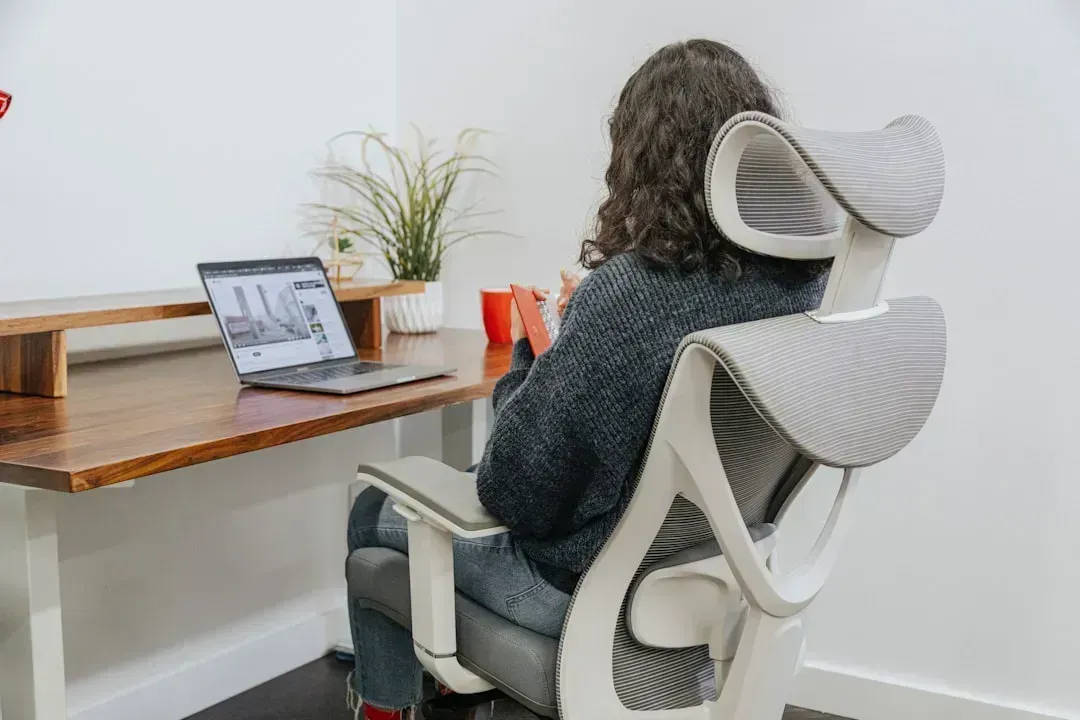
Not every company can immediately purchase new furniture; sometimes creative alternatives work just as well. Could you work from home certain days where you have a better setup? Would a standing desk converter help reduce sitting time?
Some employers offer wellness stipends or reimbursement programs for ergonomic equipment. You might be able to purchase your own office chair and get reimbursed partially or fully. It’s worth asking about options beyond direct company purchase.
Temporary solutions while waiting for approval can help too. An ergonomic seat cushion, footrest or lumbar support pillow costs relatively little and shows you’re proactive. Just don’t let these band-aids replace the actual accommodation you need long-term.
What to Do If You’re Remote or Hybrid

Just because your office now includes a couch or kitchen chair does not mean your back should suffer. Working from home can feel cozy until you realize your “office” is anything but supportive. That snack zone may be close; however, your spine is not getting a break.
Good news: many companies have policies for home setups including ergonomic furniture allowances; it is perfectly fine to use them. Frame it like a pro; your home workspace is now your primary office and your company still has a duty to keep you safe and comfortable. Some even offer stipends for office chairs desks or other gear that actually supports you.
If you are splitting time between home and office yes; you can request support in both spots! It is not greed; it is smart self-care! A little comfort goes a long way; everyone wins when your back does not stage a protest mid-Zoom call!
Building a Supportive Workplace Culture
Once you’ve successfully navigated your own request consider how you might make it easier for others! Talking openly about ergonomics normalizes these conversations and reduces stigma for the next person who needs to speak up!
If you’re in any leadership position actively check in with your team about their workspace comfort! Creating an environment where people feel safe raising concerns prevents problems before they become serious injuries!
Honestly; the more we treat ergonomic needs as routine workplace considerations rather than special favors; the better off everyone will be! Your willingness to advocate for yourself might inspire someone else to do the same!
When Medical Documentation Becomes Necessary

Usually asking for a better chair does not require a doctor’s note! But if your spine is staging a revolt or if your employer requests proof get the note!
Think of it as professional back-up! This is not about distrust; it is about showing that your comfort matters! Your healthcare provider does not need to reveal your full medical history!
A simple note stating that ergonomic seating is recommended is enough! Keep a copy for yourself because it is always smart to have receipts! This is more than paperwork; it is a subtle way to assert your needs! After all; a happy back makes for a happier workday!
The Long-Term Benefits Beyond the Chair
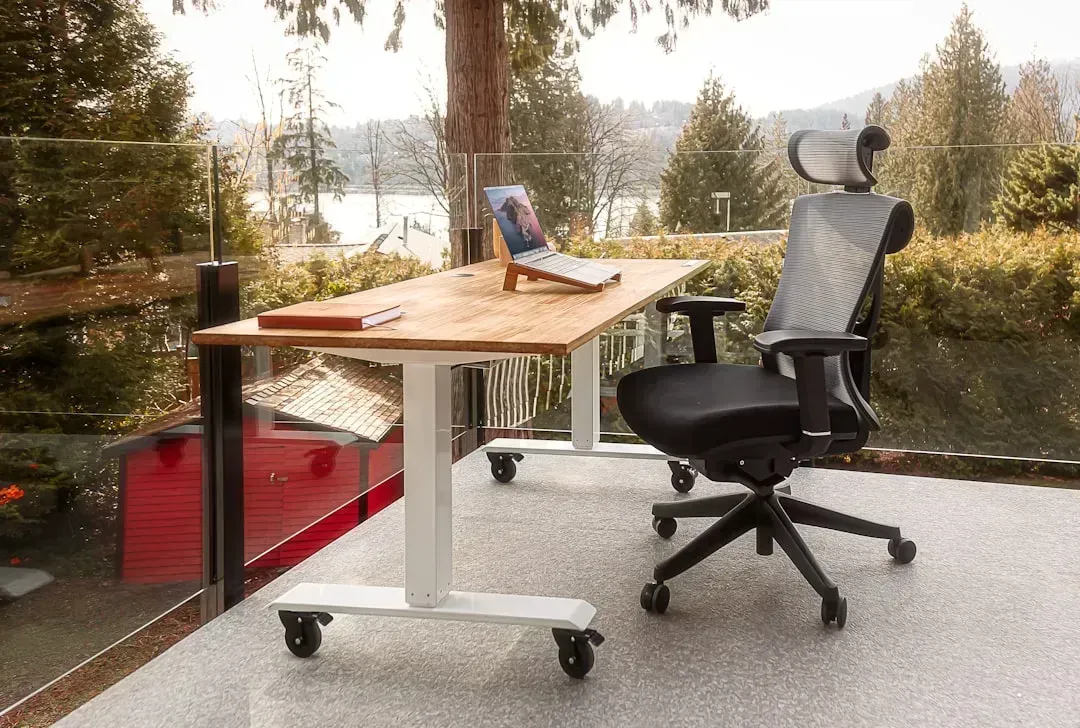
Getting a proper chair does more than make you comfortable! It can prevent chronic pain that sneaks up over years and notoriously hard to reverse! Repetitive strain injuries herniated discs and nerve issues often start with poor workplace ergonomics!
Your productivity and focus get serious boosts when you’re not constantly distracted by discomfort! Tasks that once felt exhausting suddenly feel manageable! You might not even realize how much mental energy you’re spending just managing pain until it’s gone!
There’s also real power in successfully advocating for yourself! It builds confidence to tackle other workplace challenges and reinforces that your needs matter! That shift in mindset changes how you show up in all areas of your professional life!
Your Comfort Is Non-Negotiable
At the end of the day asking for a chair that actually fits your body should not feel brave! The fact that it sometimes does shows just how backward workplace culture can be when it comes to basic human needs! Until that changes everywhere knowing how to handle these conversations protects both your health and career!
You deserve to work without pain! Full stop! No qualifications no exceptions based on body size no shame required! The right ergonomic setup isn’t luxury or special treatment! It’s fundamental part of functional workspace!
What has been your experience with office ergonomics? Have you had to advocate for better equipment or are you still working up nerve? Share thoughts in comments below!