
As I embarked on my journey to conquer Mount Kilimanjaro while weighing over 300 pounds, I quickly discovered that the most significant hurdle was not the daunting altitude or challenging terrain — it was the struggle to find gear that fit my body. I encountered zippers on jackets that simply wouldn’t budge, and hiking pants that ceased to exist beyond a size 14. The message resonated loudly: the world, particularly the plus size industry, was not designed for individuals like me.
Nevertheless, I persevered and climbed. My motivation wasn’t to validate my existence but to reclaim my sense of self-worth.
The truth is, my experience is not unique. Countless plus size individuals navigate through life facing messages, both subtle and blatant, suggesting they do not belong. This occurs in dressing rooms, gyms, airplanes, outdoor retailers, boardrooms, and even in magazine spreads. Despite constituting over 68% of U.S. women, we are often regarded as an afterthought, if considered at all.
In the year 2025, this reality is simply unacceptable.
The Economic Impact of Ignoring Plus Size Consumers
In various sectors, including fashion, fitness, travel, and wellness, most industries lag significantly in adequately serving plus size consumers. Size ranges tend to be limited, inconsistent, or relegated to separate “extended” sections. The styles available often compromise either form or function, suggesting that comfort and confidence cannot coexist seamlessly.
Moreover, representation within these industries leaves much to be desired. Numerous brands feature a solitary token plus size model in their marketing campaigns, often styled in ways that scream, “This is different.” Meanwhile, entire product lines are developed around aspirational notions of wellness, performance, and freedom, all while excluding larger bodies from these narratives.
This issue transcends mere social consequences; it represents a significant economic oversight. The global plus size market is valued at over $288 billion and continues to grow. Yet brands hesitate to commit, fearing their image may become diluted. In reality, they are diminishing their impact and leaving both financial gains and customer loyalty unclaimed.
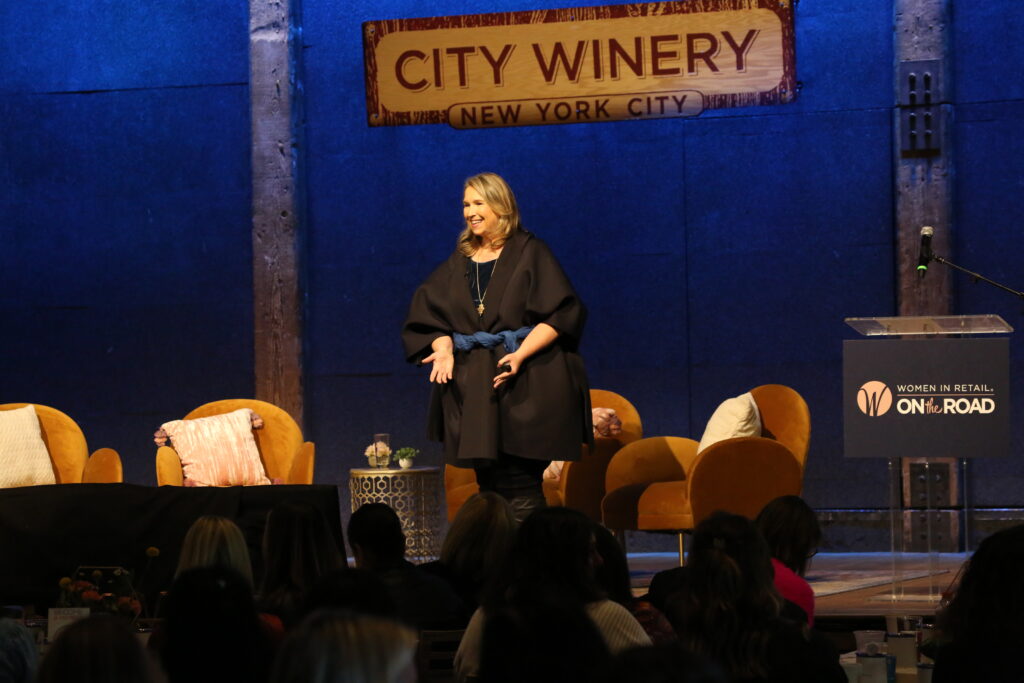
What Are the Essential Changes We Seek in the Plus Size Industry?
To clarify our demands: the plus size industry does not require special treatment; rather, we are advocating for equal access — to style, to adventure, to visibility, and to dignity.
Overlooking or minimizing this audience means missing out on substantial revenue opportunities. More critically, it results in the erasure of diverse stories, identities, and aspirations.
We deserve more than just basic stretchy clothing, condescending language, or PR-friendly posts about “body positivity” that surface during awareness months. What we truly need is comprehensive, ongoing, and intentional inclusion.
How Are We Transforming the Narrative for Plus Size Representation?
At The Gorgeous Agency, I collaborate with brands eager to move past mere buzzwords. We have formed partnerships with companies such as Peloton, Keen, and Discover Puerto Rico to ensure they not only communicate with plus size audiences but also listen, understand, and genuinely serve them.
We’ve assisted in reimagining outdoor experiences, revamping product fit strategies, and focusing storytelling around authentic individuals rather than idealized images. We’ve demonstrated to brands that embracing authenticity leads to strong community loyalty and support.
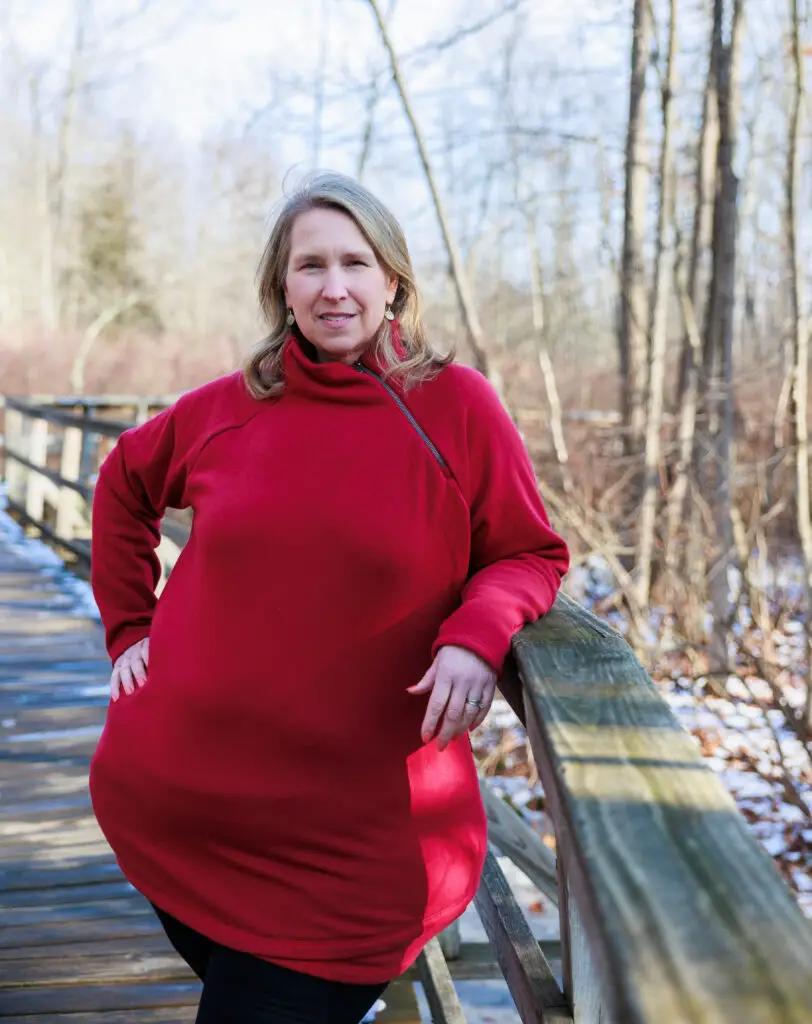
I don’t merely advocate for change; I embody it. As an author, speaker, and adventurer, I have dedicated myself to leading through lived experience, rooted in authenticity rather than trends.
The Future of Inclusivity and Empowerment in the Plus Size Market
To brands still adhering to outdated practices: the world has evolved. Consumers now demand representation that mirrors the diversity and richness of real life — and real bodies. The pertinent question is not whether you can afford to become more inclusive; rather, can you afford not to be?
And to all of us advocating for change: we refuse to wait for permission. We are present, we are vocal, and we are crafting our narratives. We are actively creating our own opportunities when we are not given a seat at the table.
We are finished with waiting. We are here, we are powerful, and we are actively reshaping the landscape.
Kara Richardson Whitely is the author of Gorge: My Journey Up Kilimanjaro at 300 Pounds and the CEO of The Gorgeous Agency, which specializes in connecting brands with the plus size audience.