Key Insights
- Representation statistics show that only 0.8% of fashion looks are plus-size, highlighting a significant gap in the industry.
- Despite 67% of American women wearing size 14 or above, they are often excluded from fashion visuals.
- The global plus-size clothing market is projected to grow significantly, presenting a major opportunity for brands.
- Social media engagement rates for plus-size creators are notably higher, indicating consumer demand for authentic representation.
The Numbers Don’t Lie
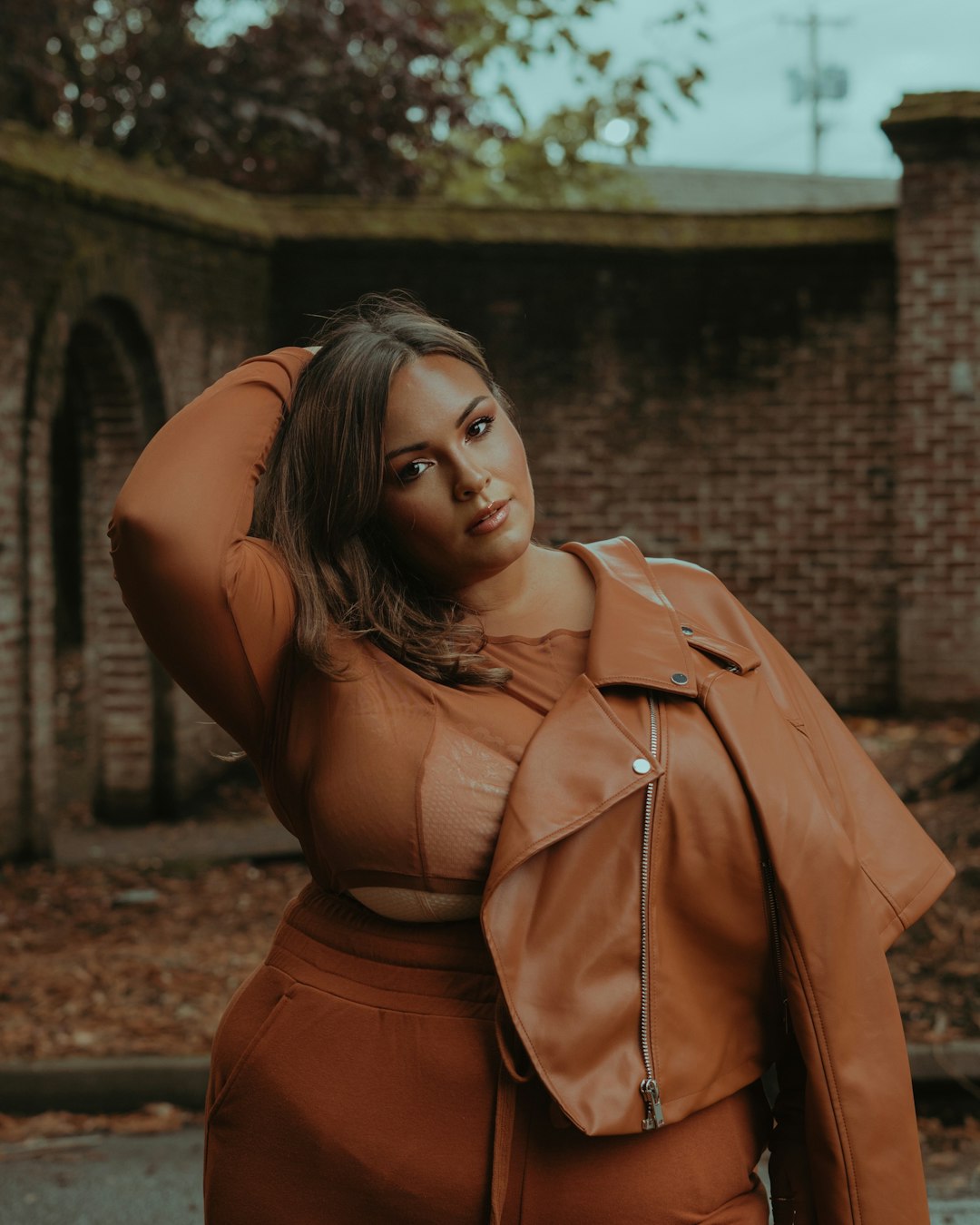
Walk through any major fashion magazine or scroll through high-end brand campaigns, and you’ll notice something striking. Of the 8,763 looks presented across 208 shows and presentations, 0.8 per cent were plus-size (US 14+), 4.3 per cent were mid-size (US 6-12) and 94.9 per cent were straight-size (US 0-4). This isn’t just a seasonal blip – it’s become the new normal after years of declining representation.
Approximately 67% of women in the US wear a size 14 or above – considered “plus size” by the industry. Yet walk into any department store or browse online, and the disconnect becomes painfully obvious. The majority of American women are being systematically excluded from the visual language of fashion.
The Ozempic Effect
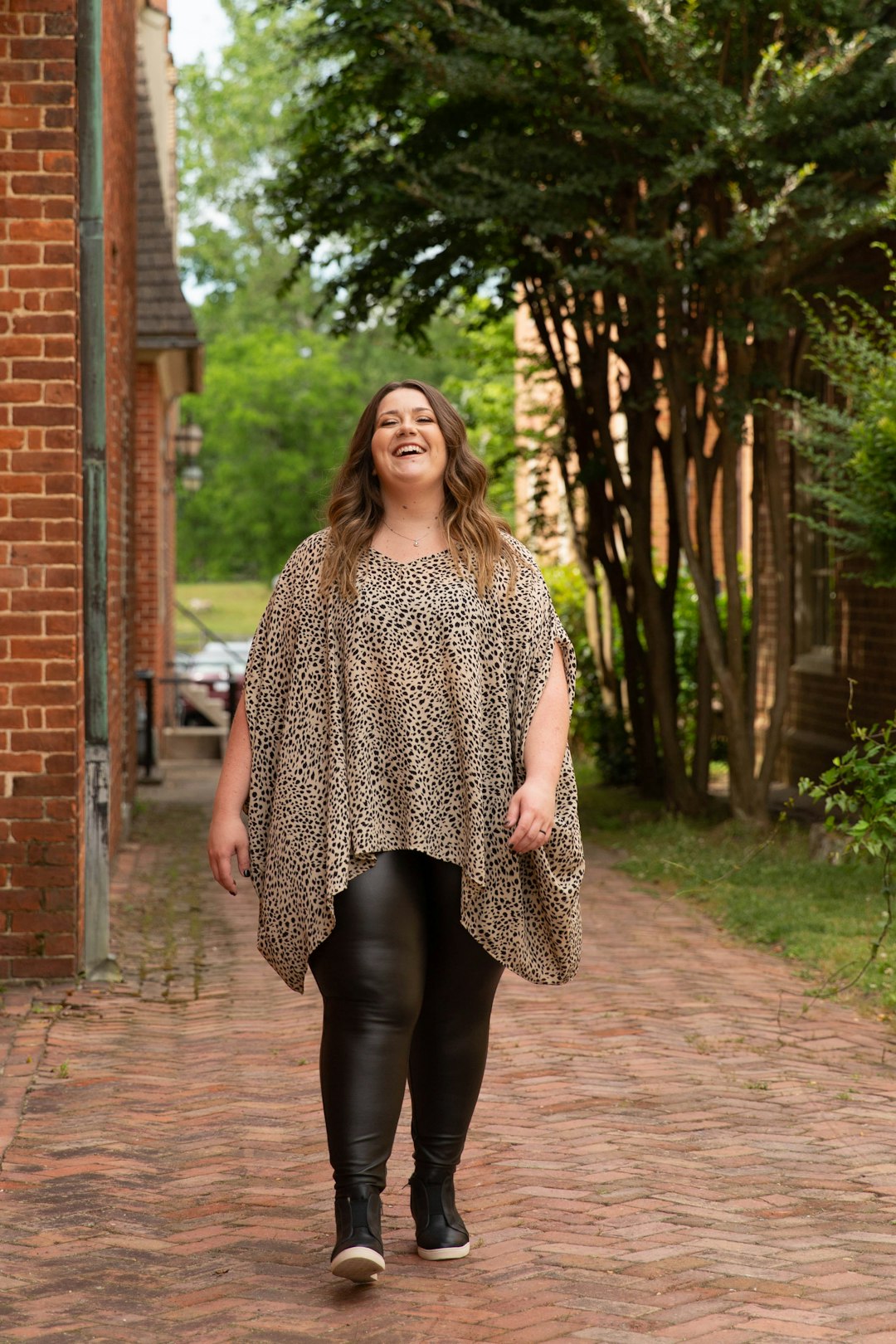
There’s an elephant in the room that nobody wants to talk about. The body positivity movement has lost steam in mainstream culture as the pendulum has swung back to the glamorisation of thinness, amid the rising use of Ozempic and the subsequent shrinking of celebrities and influencers. And, as predicted, this showed up on the Spring/Summer 2025 runways.
The influence of weight-loss medications has trickled down from Hollywood to the fashion world in ways that are reshaping entire advertising campaigns. Much of this can be put down to Ozempic, a GLP-1 drug initially designed for diabetes that has gained popularity as a weight loss drug (alongside equivalents such as Mounjaro and Wegovy). Ozempic was previously quite expensive and mostly the preserve of celebrities and influencers, but it is now becoming increasingly cheaper and accessible.
The Business Case Everyone’s Ignoring
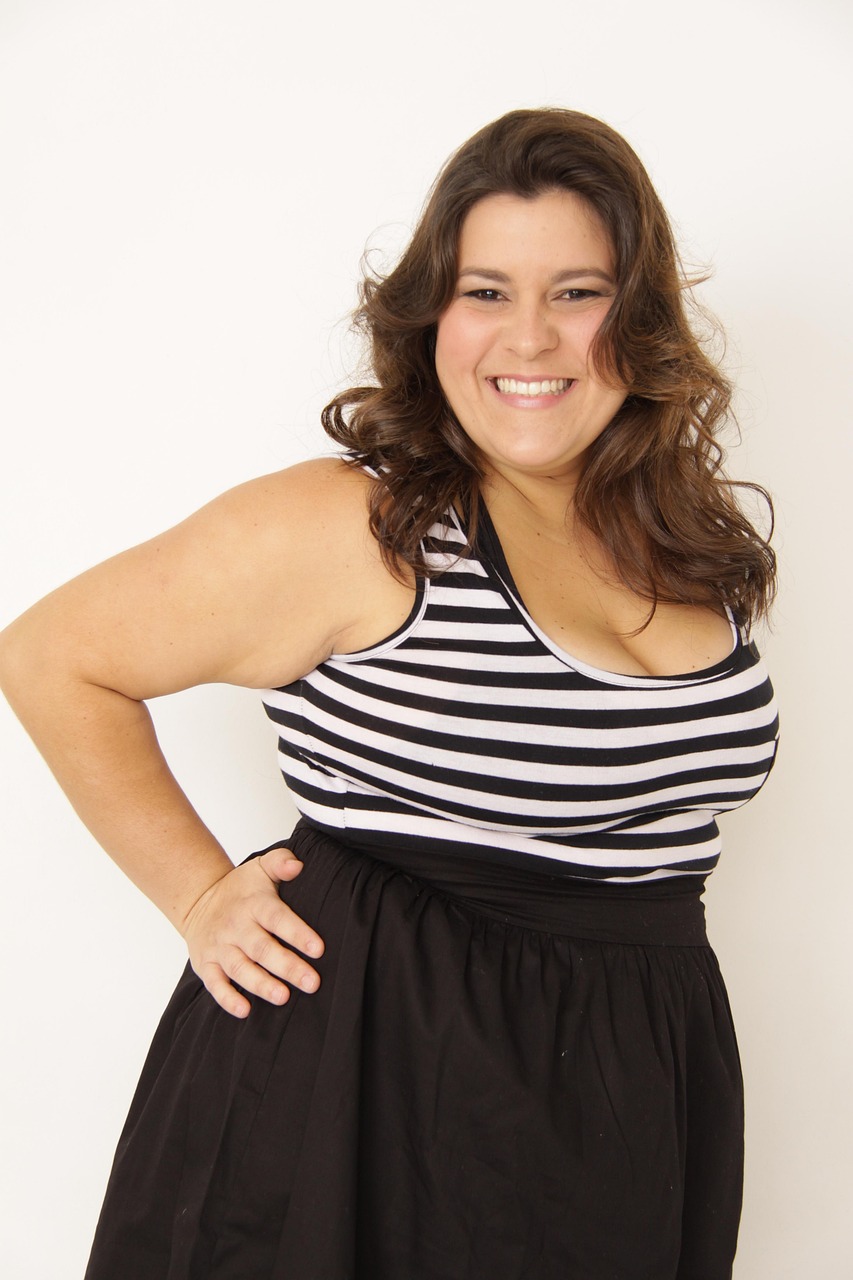
The global plus size clothing market was estimated at USD 119.4 billion in 2024. The market is expected to grow from USD 125 billion in 2025 to USD 202.4 billion in 2034, at a CAGR of 5.5%. These aren’t niche numbers – this represents a massive economic opportunity that most fashion brands are literally refusing to see.
Approximately 67% of American women wear a size 14 or above. The irony is staggering: brands are spending millions on advertising to reach customers while simultaneously excluding the majority of their potential market from that very same advertising.
When Designers Make It Worse
The problem gets worse when you look at who’s calling the shots. Many of the new appointments were men, which appeared to affect size inclusivity results. Some fashion critics suggest that when women design for women, there’s more of a focus on a humanised and embodied way of designing, rather than viewing the female form as an object to decorate.
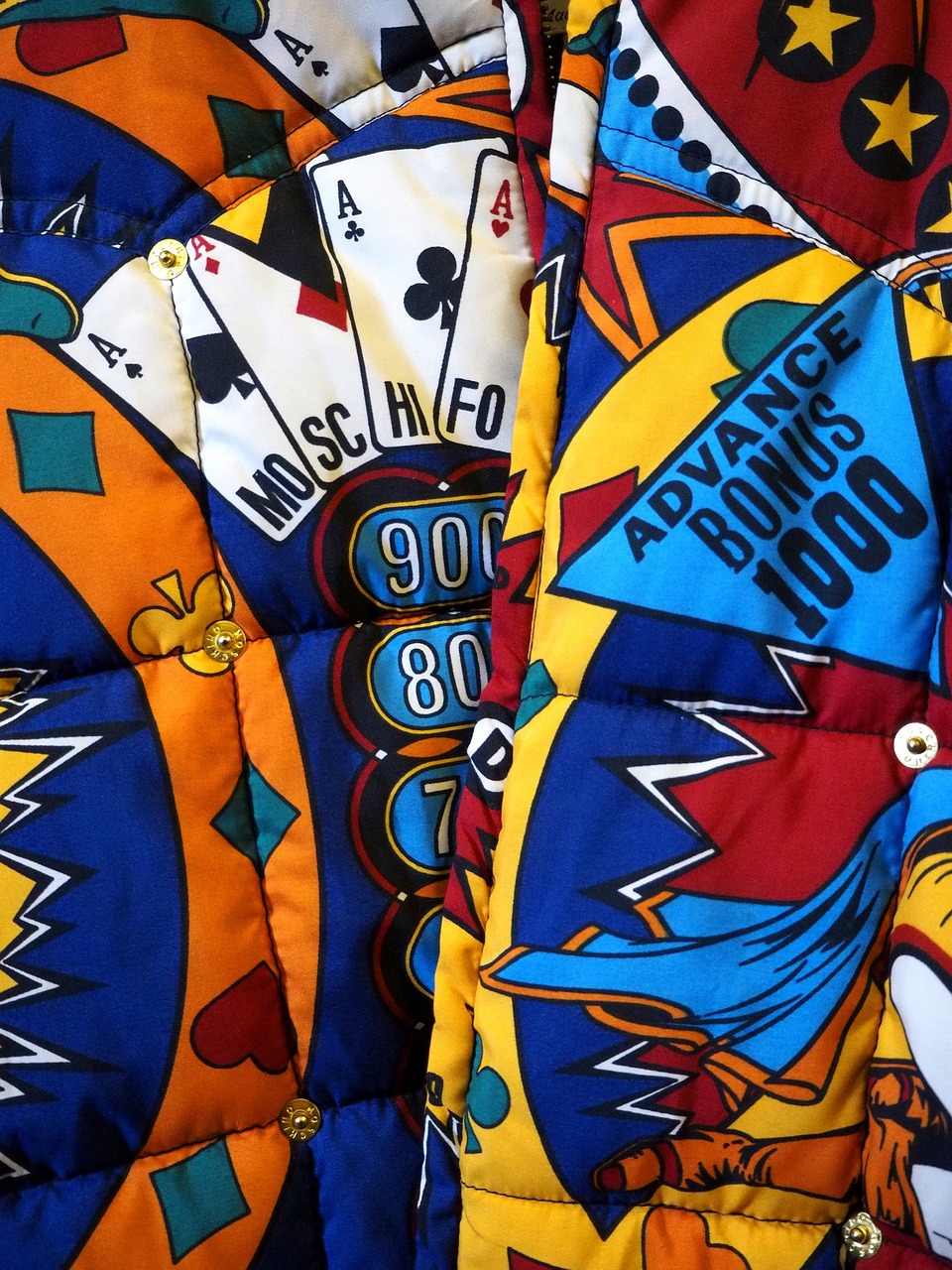
At Moschino, 100 per cent of the AW24 looks were straight-size under new creative director Adrian Appiolaza; last season, which was compiled by four leading female stylists, in the absence of a creative director, 9.1 per cent of the looks were mid or plus-size. The pattern is unmistakable when you start paying attention to it.
The Casting Agency Problem
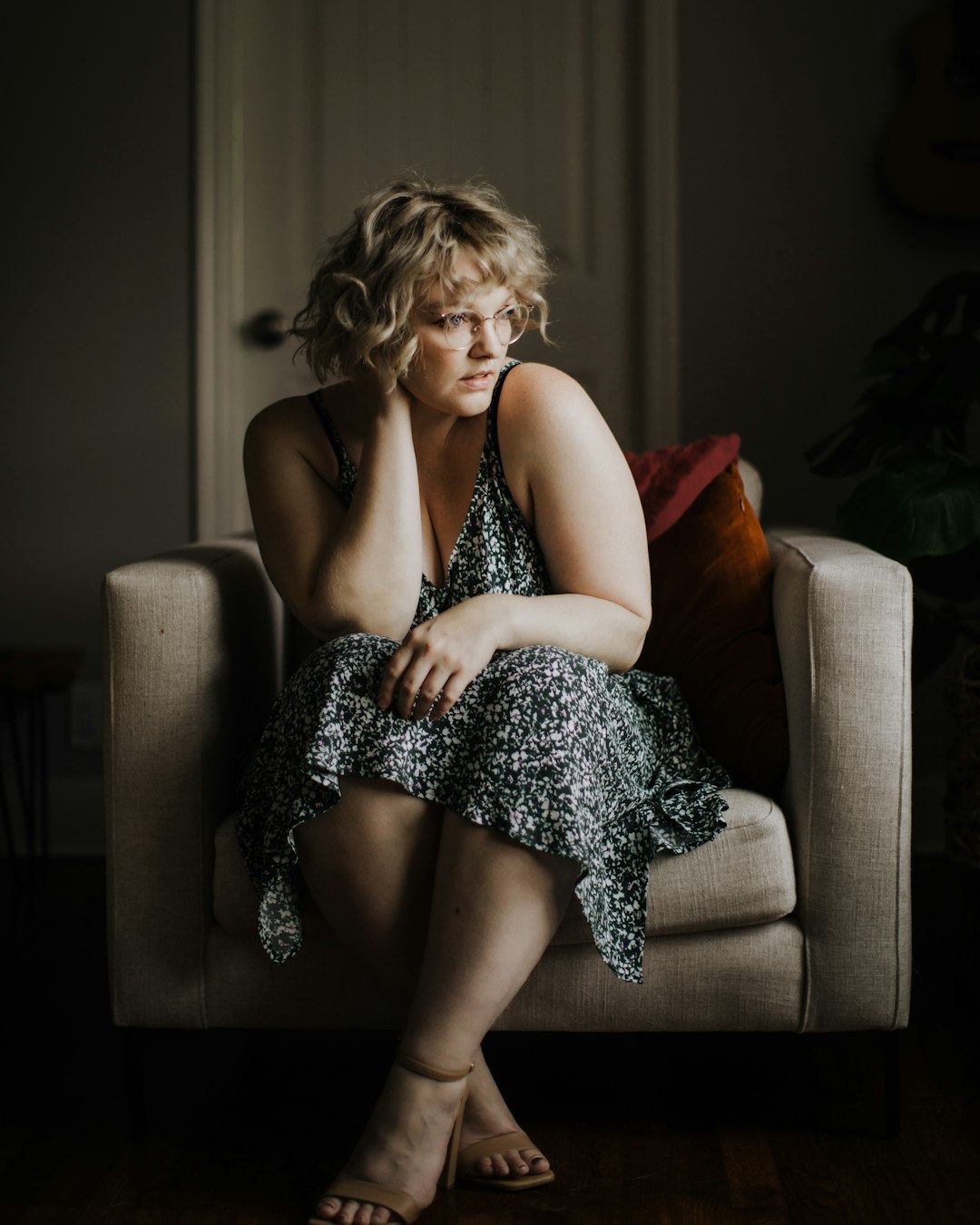
Some supermodel agents won’t allow their clients to walk alongside street-cast models or lesser known names. This means that if the few famous curve models don’t walk from one season to the next, they’re often replaced with a straight-size model. The industry operates on an exclusivity that goes beyond just size – it’s about maintaining a very specific image of what fashion should be.
Even when plus-size models break through, the opportunities remain frustratingly limited. Despite there being a new slew of rising stars across modelling each season, there’s a consistent lack of famous faces in curve fashion – save for a handful of names like Paloma Elsesser, Ashley Graham, Alva Claire, Precious Lee and Jill Kortleve.
What Brands Get Wrong About Fit
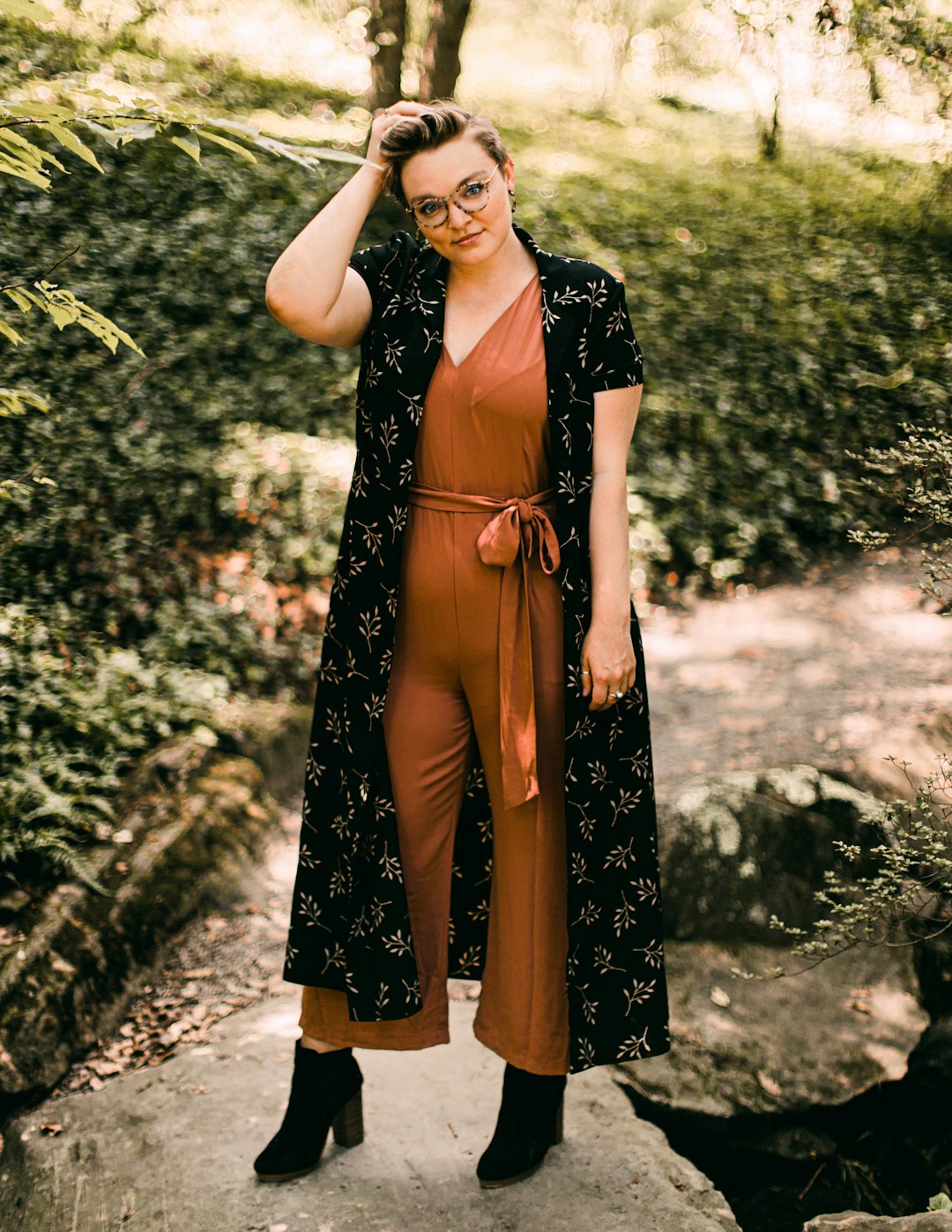
It’s not just about representation – it’s about execution. “Brands also should be careful to make sure plus-size garments fit as well as straight-size ones,” said Steven Green, plus-size model, photographer, art director and consultant. It may seem obvious, but Green has seen brands get this very wrong. “The fit was terrible,” Green said of one campaign he saw. “They just went with something that was just big and not really tailored to the body”.
This half-hearted approach sends a clear message to consumers. When brands use plus-size models in poorly fitted clothes, it feels like tokenism rather than genuine inclusivity. The result is advertising that looks performative rather than authentic.
The Social Media Contradiction
Here’s where things get really interesting. TikTok and Instagram engagement rates were 48% higher for plus-size creators vs. straight-size creators. This higher engagement rate proves that audiences are drawn to content that feels authentic and unfiltered. Plus-size creators often discuss fashion, body image, and wellness in ways that resonate across demographics.
The data shows consumers are actively seeking diverse representation online, yet traditional fashion advertising refuses to follow suit. Brands are essentially leaving money on the table by ignoring what their audiences are already telling them they want to see.
When Brands Do It Right

Brands using plus-size models in ad campaigns rose to 38% in 2024 Major fashion retailers like ASOS, Savage X Fenty, and Good American led this push, using diverse body types in both digital and print campaigns. These brands aren’t just checking boxes – they’re building customer loyalty through authentic representation.
The results indicated that inclusive advertisements depicting models with diverse body sizes had a positive main effect on brand attitude and an indirect effect on brand attitude and purchase intention. Brand warmth mediated the positive effect of diverse body sizes on brand attitude and purchase intention. The research backs up what many consumers already know instinctively – representation matters for brand connection.
The International Disconnect
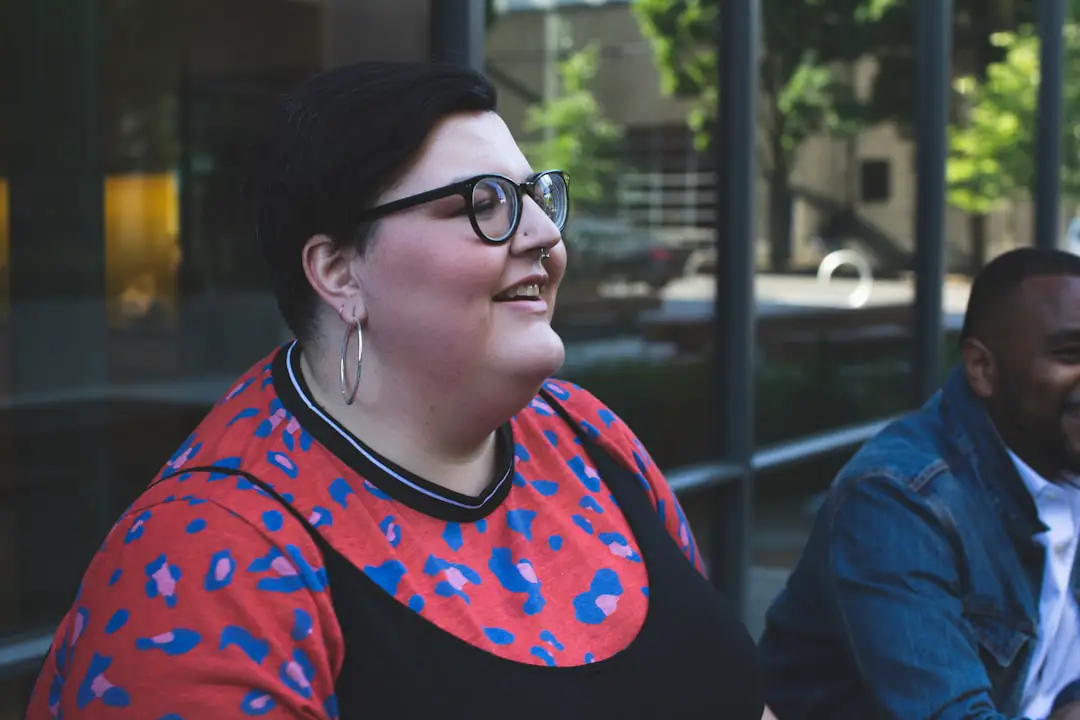
The problem isn’t uniform across the globe. This study highlights that, unlike Western consumers, South Korean consumers still respond unfavorably to size-inclusive fashion advertising featuring plus-size models. Therefore, differentiated advertising strategies are necessary for this market.
But in Western markets, the resistance to plus-size representation feels increasingly out of step with consumer expectations. Brands operating globally are caught between different cultural standards, often defaulting to the most restrictive approach rather than adapting their messaging by region.
What’s Really Behind the Resistance
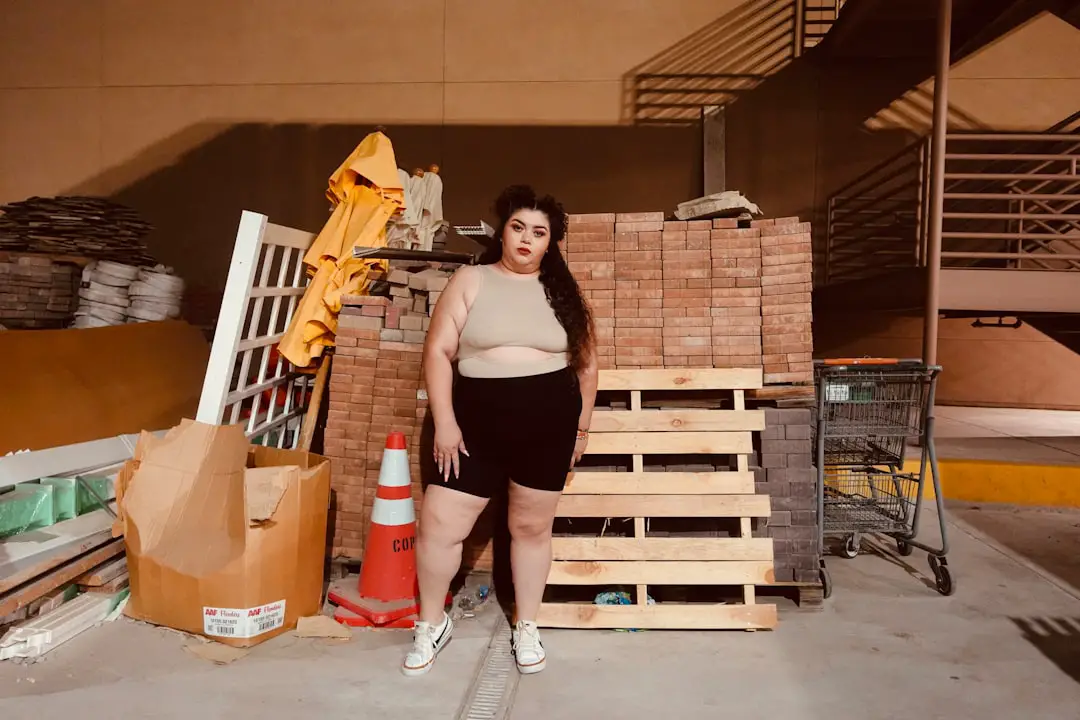
Given the vastness of the plus-size market, there is no logical reason why investors aren’t jumping at the chance to serve this demographic beyond fatphobia and discrimination. The numbers don’t support continued exclusion; thus, real reasons run deeper than business logic.
The backlash towards plus-sized clothing is a misguided attack based on discriminatory beliefs. When even mannequins in retail stores become controversial, it’s clear that issues extend far beyond simple business decisions into uncomfortable territory for many within the industry.
Hope in Small Places
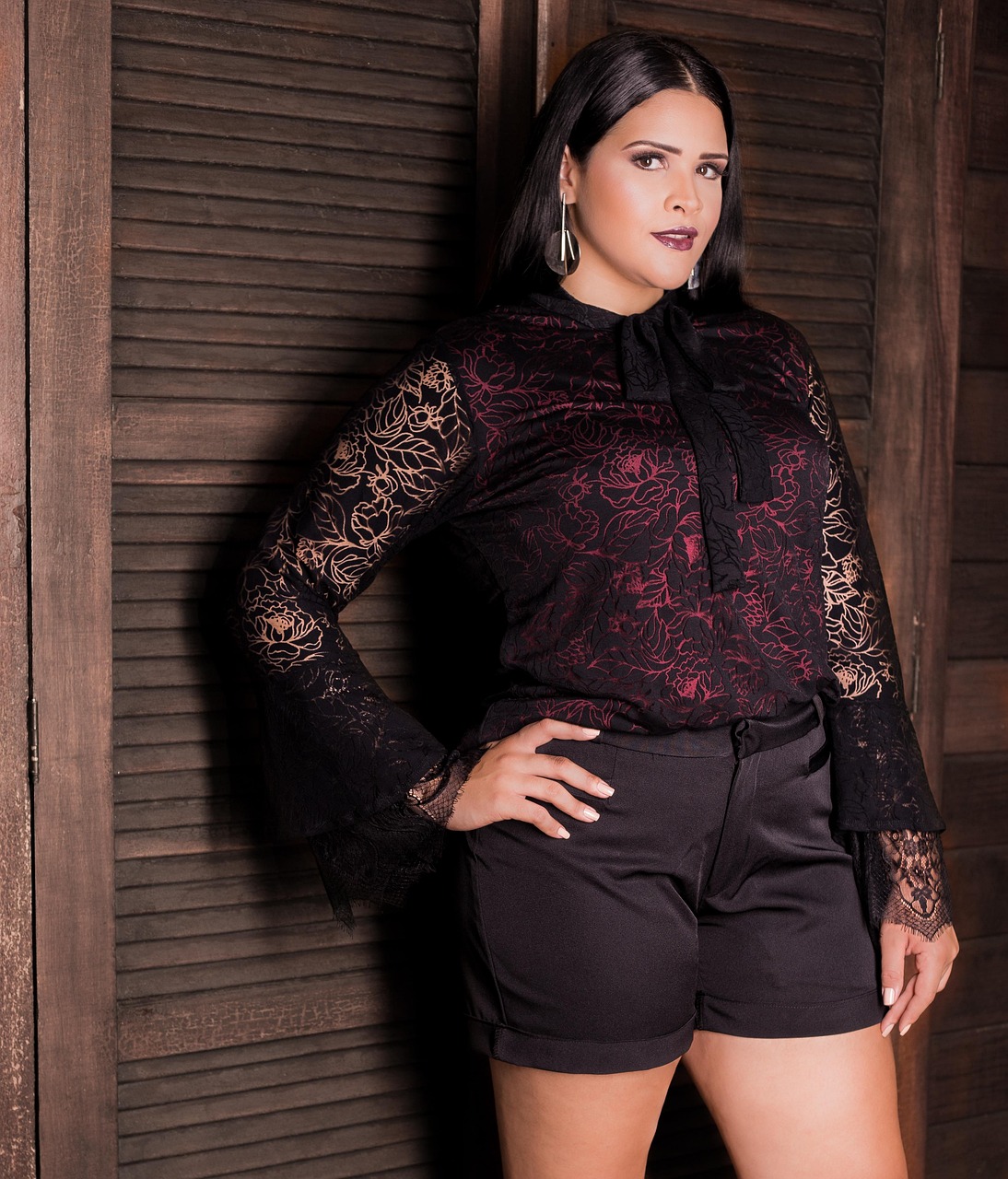
Despite the bleak overall picture, there are bright spots worth celebrating. Marco Rambaldi ranked third in Milan for overall diversity and had the highest level of plus-size representation at four plus-size looks, representing 9.1 per cent of total looks shown. Rambaldi’s casting this season also featured three mid-size looks (6.8 per cent), intended as a celebration of bodies considered “different”.
“Inclusion for us is something completely natural; it has been part of our brand’s DNA since it was conceived in 2017. Making fashion for us involves social issues and equal gender rights,” says Rambaldi. These designers prove that inclusive casting doesn’t have to be a trend – it can be a core value.