

HBO’s Station Eleven demonstrates to HBO’s other sci-fi phenomenon, The Last of Us, how to create a truly memorable post-apocalyptic TV show. Based on Emily St. John Mandel’s 2014 novel of the same name, Station Eleven is set in a world ravaged by a flu pandemic that effectively collapsed society.
Picking up the broken pieces, the survivors trudge on, holding onto the few things they remember from before their old lives ended. Apocalyptic fiction has always been a popular sub-genre of sci-fi, and in recent years, shows like The Last of Us have elevated the apocalypse, but Station Eleven surpasses them all.
Station Eleven Presents A Hopeful Vision Of A Post-Apocalyptic World

Station Eleven‘s depiction of a post-apocalyptic world is one filled with hope. Although there has been significant loss and there are negative elements, such as a group of brainwashed children and some gangs, these are isolated incidents, and the gang resembles more of a few bandits that can be easily dealt with.
In Station Eleven‘s post-apocalyptic world, society has reformed. People still appreciate Shakespeare, doctors can travel freely, there are towns dedicated to assisting childbirth, and even the isolated communities are strict rather than tyrannical. Station Eleven presents a vision of a world where humanity’s desire to continue is evident.
Most Post-Apocalyptic Sci-Fi TV Shows Are Excessively Cynical
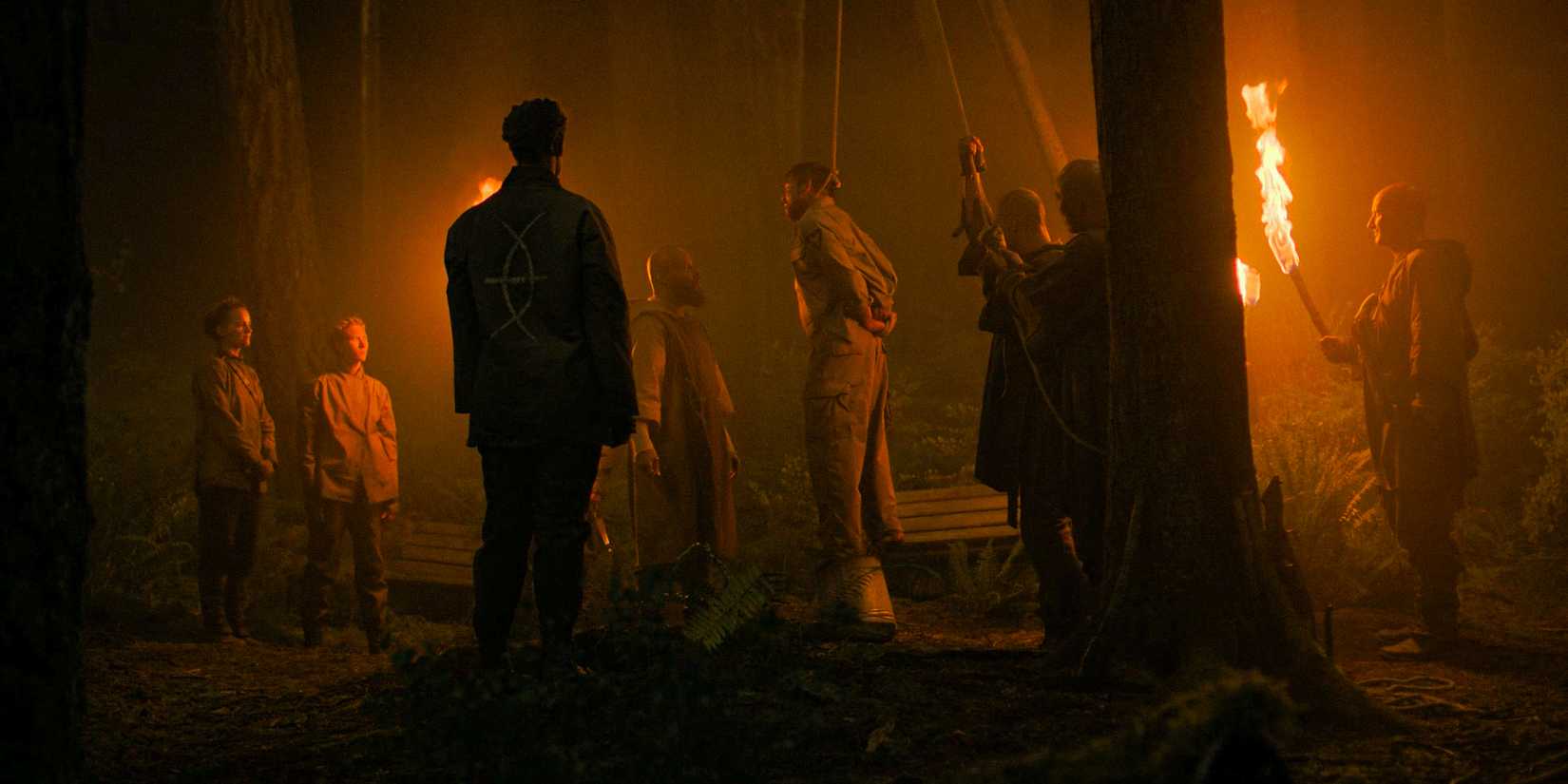
Image via Max
Most post-apocalyptic television tends to be excessively cynical. This cynicism is not always unjustified. Unlike The Last of Us, which features rapid, fungal monsters at every turn, Station Eleven presents a calmer society where one does not need to worry about which patch of moss to step on.
However, many post-apocalyptic TV shows take this cynicism to an extreme. While a world where society collapses would indeed be dangerous, it doesn’t mean that everything would instantly become like Mad Max. Humans are resilient and it seems more likely that we would continue on as we always have, discovering small pockets of beauty along the way.
Station Eleven’s Message Of Hope Makes It A Unique Show

The hopeful message of Station Eleven distinguishes it not only within post-apocalyptic fiction but across all science fiction genres. Each character in Station Eleven has their own perspective. A cult leader believes in his mission, the self-important head of a community seeks safety for his people, and an intruder is driven by desperation for security.
Everyone in Station Eleven exhibits humanity, which is inherently hopeful. Many works in post-apocalyptic fiction strip away this humanity to create detestable villains that audiences enjoy seeing defeated. As suggested by Station Eleven, if you delve deeper into a villain’s character, you may uncover relatable aspects.
…
…
…
…
…
…
…
…
…
…
…
…
…
…
…
…