It’s every artist’s dream to be connected to a successful band, one that tours the world, leaves a lasting commercial and cultural footprint and, if all goes well, becomes part of many different conversations related to the state and future of music.
Most artists can’t imagine checking those boxes with two bands.
And there are even fewer who strive to do this with three bands.
Enter Maynard James Keenan.
“We’re not really allowed to have three successful bands — A Perfect Circle comes out and scratches an itch on the heels of Tool dragging [their] feet,” Keenan tells Loudwire Nights host Chuck Armstrong.
On the verge of releasing Puscifer’s fifth studio album, Keenan seems aware of the absurdity of having three bands that have achieved the level of success each has.
“We sold out Red Rocks, which I didn’t think that Puscifer would ever be able to bring that many people in,” he admits.
“And we did. We did it with the Greek on the last tour and now with Red Rocks. Actually selling out Red Rocks, that means all three of my bands have sold out Red Rocks. That’s not easy to do, right?”
Keenan recognizes that Red Rocks is a destination venue, but even so, he’s proud of this reality.
“A band named Puscifer that has an album called V Is For Vagina? You’ve still got to sell the tickets.”
The Unlikely Conception of Puscifer
Though the world got its first introduction to Puscifer courtesy of the debut episode of HBO’s Mr. Show With Bob and David in 1995 — Keenan sings a hardcore song in support of David Cross’ character Ronnie Dobbs — the band was already taking shape at the Hollywood club Tantrum.
“A friend of mine, Laura Milligan, had a variety show and a bunch of comedians were coming down to do this kind of sketch comedy thing, and it was really inspirational to me,” Keenan recalls.
“These people are working it. Some of them are writers for SNL, they’re doing their own standup, they’re building sketch comedy variety shows and they’re just kind of working out their material.”
Keenan describes it like a jam session for writers and comics. Milligan had a recurring character in the show, Tawny Port, a former child actress who was back on the scene after going through rehab.
“This is her comeback, you know,” he says.
“She was the host and she would have a theme every week…all these comedians getting up to do their thing, they kind of had to work the theme of the week, in an improv way, into their bits. It was pretty inspirational to watch these people do their work, especially when you saw them play at a club last week doing similar stuff.”
Keenan listed several familiar names who would be part of the show, from David Cross and Bob Odenkirk to Brian Posehn and Janeane Garofalo. Soon-to-be stars such as Ben Stiller and Will Ferrell even showed up to do bits every now and again.
“That’s where Puscifer first started.”
In addition to the lineup, every week there was a running joke that Tawny Port’s musician boyfriend, Vince, was supposed to close the show but he would never show up.
“Eventually I became Vince,” Keenan shares.
“I would show up. Vince was like the chameleon. He would do whatever was new and fresh, like last week he was an improvisational hardcore band doing 30-second songs, taking suggestions from the audience for subject matter and then next week he was wearing flannel and untied boots because grunge was now on the scene.”
Keenan wasn’t alone in these antics. On the weeks he didn’t close the show, Tenacious D would show up to wrap things up.
“That’s where Puscifer first started.”
More Uncharted Territory For a Technological ‘Grandpa’
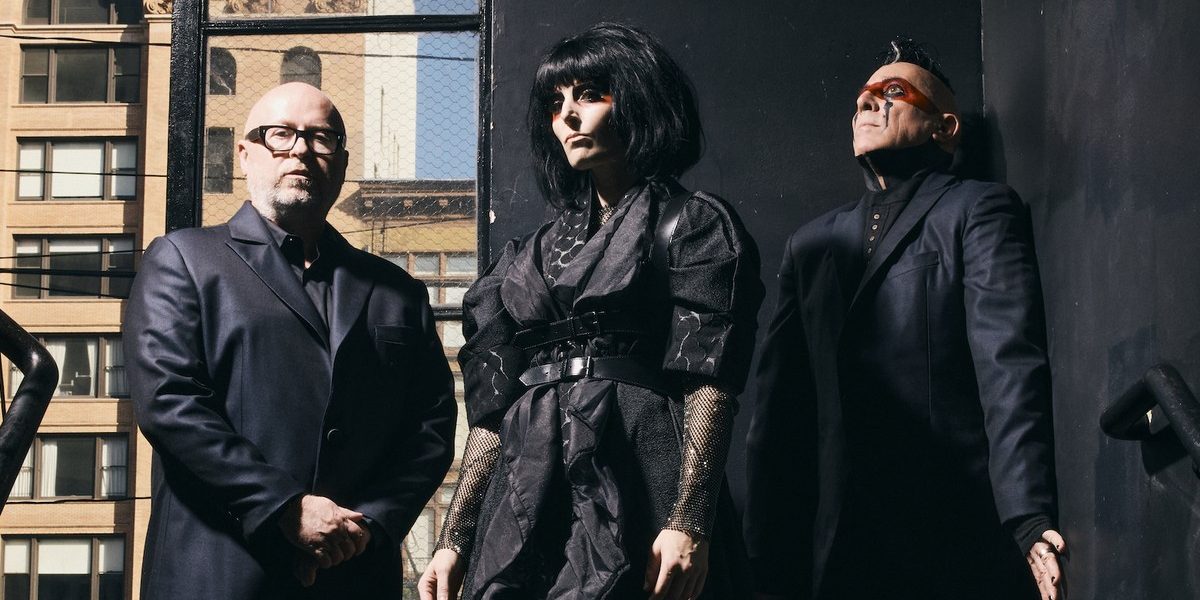
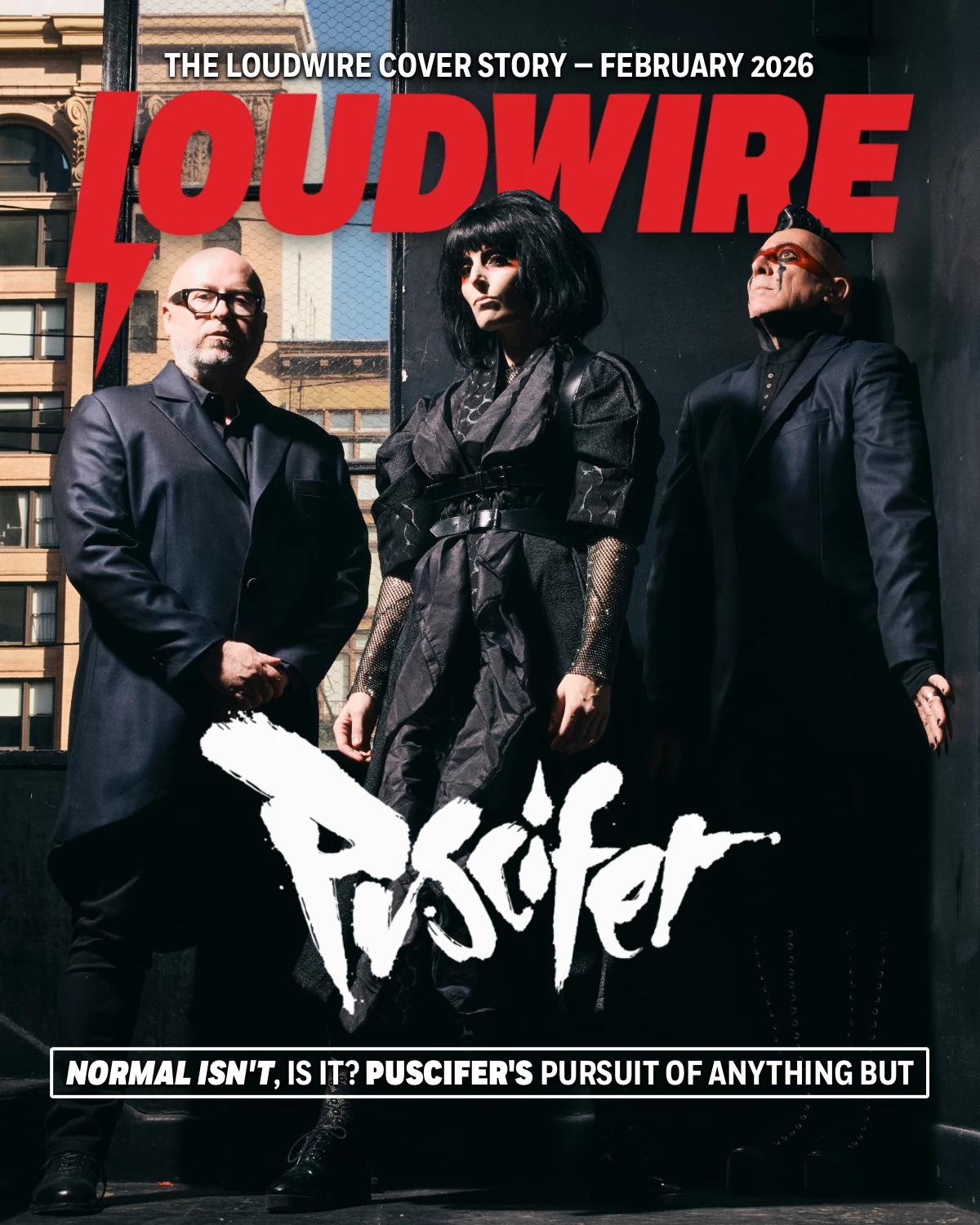
Years later, Keenan is relatively surprised at the growth of a band such as Puscifer, though he doesn’t spend much time pontificating on that growth. He stays focused on the task at hand, and currently, that’s getting Puscifer’s new album, Normal Isn’t, out into the world and then hitting the road for a run of unforgettable shows that only he and his bandmates, Carina Round and Mat Mitchell, can conceive.
“We’re just kind of following where it leads,” he explains about the creative process for the band.
“And usually when the foundation is what it is, it’s just fun. It’s a process of discovery.”
Five studio albums into their career — with even more remix and live records in that catalog — Keenan admits Puscifer don’t have many, if any, guardrails in that process of discovery.
It’s something that isn’t merely an artistic thing for Keenan, but this sort of naked approach to creativity is something he sees less room for in today’s increasingly calculated music climate.
“I hope my daughter doesn’t hear this, but she’s into K-pop and I’m old enough to see that it’s just a computer program,” he says.
“It’s just A.I. generating androgynous figures. There’ll be a touring band to sell T-shirts, but they’ll choose those people based on what the computer model looks like — and the music, that’s not what we’re doing. There’s no offense to that; there are a lot of kids that get into that; it’s just not my cup of tea. I’m never going to be that.”
Puscifer aren’t wired like that, as Keenan explains because they have a different focus for their creativity. It’s not a dismissal of popular music so much as a line he draws between music as exploration and music as a product designed for scale.
“We’re just literally exploring sounds and telling stories,” he assesses.
“If you’re trying to create a product that’s going to be marketed at Walmart or at Starbucks over the sound system there, I guess that’s a whole different game. That is not the game we’re playing.”
Keenan is able to play Puscifer’s game a bit differently on Normal Isn’t thanks to jumping into production more than he ever had before.
“It’s just fun. It’s a process of discovery. We’re just literally exploring sounds and telling stories.”
“Sitting on my hands during COVID, I basically begged Mat to be patient with me like trying to show grandpa how to fucking screenshot a fucking image,” Keenan, who turns 62 in April says about getting his hands on programs such as Pro Tools and Logic.
“He just basically helped me crack the code and kind of level up in terms of understanding how to get ideas into a file and share them rather than me humming into a voice memo and then grabbing five songs from my library of various bands to go ‘Somewhere between these.’
Why Keenan Was Drawn to Punk Rock
Following the announcement of Normal Isn’t, Keenan described the album as “the place where goth meets punk,” saying he, Round and Mitchell all leaned into their early influences.
When asked about those influences though, Keenan doesn’t want to share an incomplete list.
“At the age of 61 going on 62 I’ve been involved in music for so long which has been inspired by bands and musicians and actors and comedians and all those things,” he says efficiently pooling together forms of entertainment that make up the entirety of Puscifer’s presentation.
“There’s so many layers to each song; it all comes down to frame of reference right? It’s what you’ve absorbed how you absorb it when did you absorb it what was happening in your life were you between ages 13 and 21? There’s music [that’s] going to hit different.”
Thinking about punk being part of his influence though conversation turns toward a show Keenan saw in Grand Rapids Michigan in 1986: The Henry Rollins-fronted Black Flag.
“Growing up in a small town in Western Michigan I literally didn’t know difference between Six Pistols and AC/DC,” Keenan confesses.
“It sounds same compared Fleetwood Mac. I guess I was into more rather than saying punk rock I think it was more rebellious nature I was into — outliers marginalized musicians.”
Keenan says he’s carried that attitude with him over years; he’ll always remember influence watching both Black Flag Greg Ginn’s instrumental band Gone.
“There’re some people fit punk rock category people go ‘That’s not punk.’ It’s like eat dick that’s totally punk.”
A Long Game That Finally Found Its Audience
From earliest influences comedy clubs Hollywood Normal Isn’t no question Puscifer have been part Keenan’s growth artist decades.
For lot reasons he’s grateful able still explore world all these years later.
“It’s just it’s expression how we’re wired me myself also those guys,” says about Round Mitchell.
“I feel like found audience it was supposed take long time find them.”
Keenan says confident Normal Isn’t will attract new fans through process fans will opened music they didn’t know existed.
“I’m sure people getting into new album going realize ‘I love this song this from new album’ somebody going ‘No actually that’s from Money Shot one from Conditions My Parole .’ They’re going back go ‘Oh songs were already here we just didn’t know about them.'”“It’s an expression how we’re wired. I feel like found audience it was supposed take long time find them.”
As whether or not there’s still new ground wants cover artist singer admits there is — but doesn’t want share too many details.
“There’s couple things wouldn’t mind diving into just kind reengineering reinventing few things explains.
And fans might expect doesn’t seem too concerned timing those things.
“There’s hurry on that.”
Listen To + Watch The Loudwire Cover Story Interview With Puscifer’s Maynard James Keenan
No hindsight music unit displayed.