The new third-person action-adventure game Hell is Us by Rogue Factor is enigmatic, bleak, and often sublime. Filled with intricate worldbuilding and somber wartime themes, it showcases significant effort and apparent depth, although this effect can be diminished by the game’s combat shortcomings, occasionally shallow puzzles, and tedious backtracking. Nonetheless, as a modern AA title, Hell is Us exceeds expectations, offering a slow-burning sci-fi mystery that invites immersion.
Directed by Jonathan Jacques-Belletête – whose artistic vision was pivotal in making the 2010s Deus Ex duology essential – Hell is Us will attract fans of unconventional games, and its rich lore and unique structure evoke memories of exploring Lordran during a blind Dark Souls playthrough, an experience few other games can replicate.
War & Pieces of the Puzzle
Hadea is A Gorgeously Grim Landscape to Learn and Explore
Rémi is a refugee from Hadea, a fictional nation resembling a Soviet Bloc that has been ravaged by a civil war and a reality-altering event known as The Calamity. His parents smuggled him out as a child, but now he finds himself drugged and connected to strange machines with only a grotesque interrogator for company. His apparent crimes are unclear, and his true motivations remain unknown; most of Hell is Us unfolds as Rémi’s reluctantly shared confession, reminiscent of the narrative style in Prince of Persia: The Sands of Time.
I won’t spoil much further, but the central plot is less remarkable than its conversational details, audio logs, and colorful lore fragments that illuminate the broader world. The game’s notable absence of maps and tracking icons enhances its mystery, with no clear targets to pursue via the HUD. This bold design choice is somewhat mitigated by a handy Pip-Boy-like Datapad that continuously updates with items, character information, and plot leads, ensuring players rarely feel lost.
There are additional mechanics to uncover as you progress, and Hell is Us shines when quests accumulate; however, it falters in the latter half as players scramble to find missed elements. A collection of ciphers, puzzles, and elaborate key hunts resolve side quests termed “Mysteries,” but don’t expect anything akin to Blue Prince‘s intricate brain teasers. Generally, there’s a direction to follow, but some brute-force tactics and area revisits are unavoidable during gameplay.
More Puzzles And Less Combat, Please
I’d Rather Be Chasing Clues Than Hollow Walkers
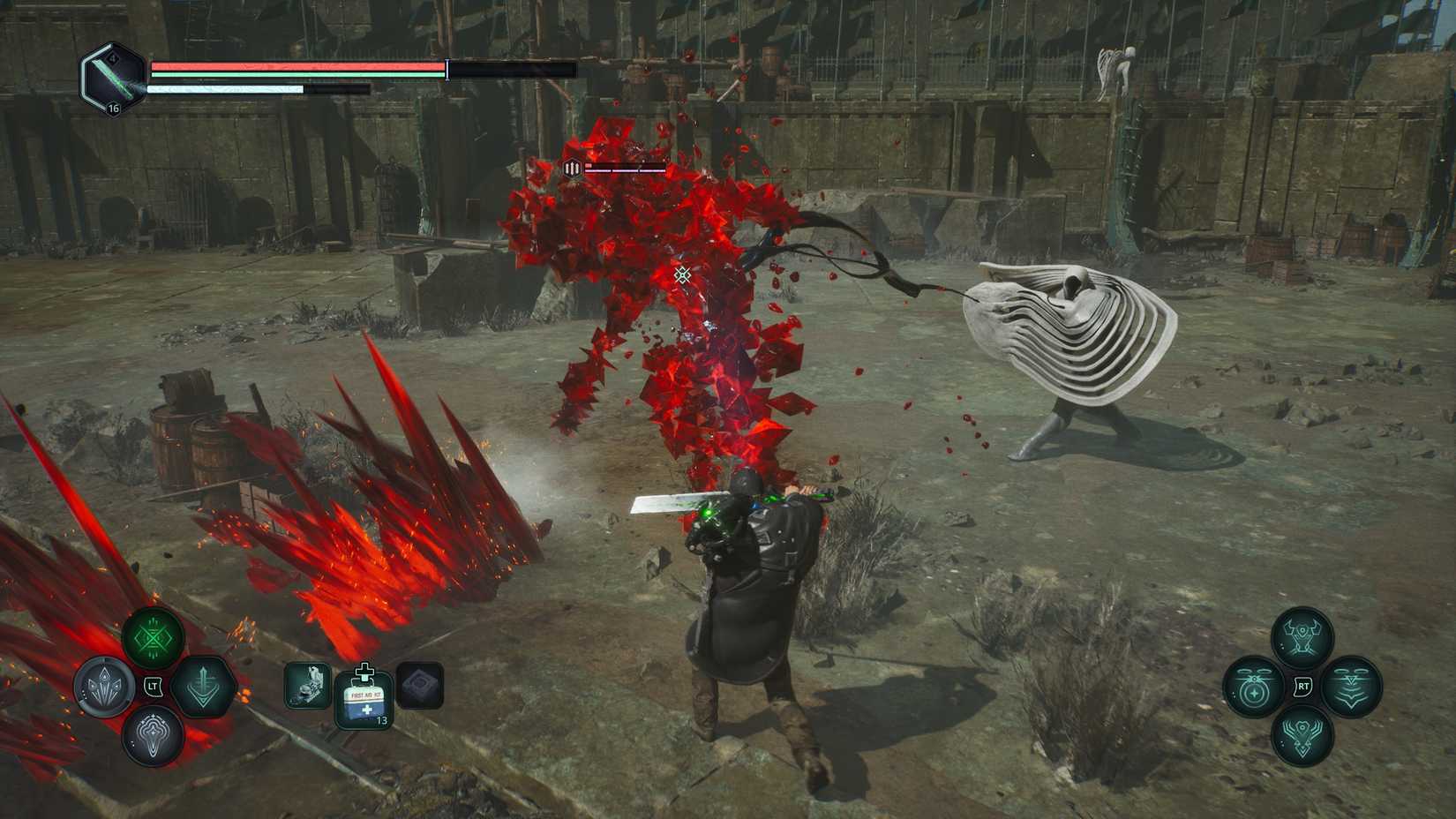
Unfortunately, these revisits often lead to more combat. Initially thrilling, this Soulslike stamina-based movement against eerie phantasmal hollow-face demons features a Ki-Pulse-like rally mechanic reminiscent of Nioh, eliminating the need for healing items once timing is mastered. Weapons are strictly melee-based—an assortment of upgradable gleaming blades tainted by colored status effects—while Rémi lacks traditional level-ups or skill trees. An assisting flying drone provides special modules for dash attacks and other functions.
The initial excitement from these mechanics quickly faded into monotony, leaving me weary of Hell is Us‘ combat by the end of the first act. The wraith-like enemy designs are stunning, yet players will encounter nearly all within that timeframe. There’s a projectile enemy type, a tanky variant, and a simple zombie type—all ghouls with poor targeting and floaty movement—and the game engine struggles during busier encounters.
Tougher battles focus on “Hazes,” multicolored spirits that emerge from select foes and must be eliminated before their hosts can be defeated. Any perceived variety arises from combining basic enemies with these Hazes; however, I found combat either frustratingly easy or suddenly lethal due to stunlock. If poise is an active mechanic here, it remains inconsistent and poorly explained. Fortunately, dying merely sends you back to a checkpoint on normal difficulty, making combat feel more like an interruption than an integral gameplay or narrative element—a mere distraction from puzzle-solving.
Other gameplay systems—like the intriguing Timeloop black holes visible in the distance—seem daunting initially but ultimately prove manageable. There isn’t an advanced weapon combo to master; however, additional engagement options arise through a modular upgrade system for both blades and drones. This creates the classic scenario of a game that gradually introduces combat options while I quickly settled on favorites early on.
Sumptuous Sights and Interesting People To Meet
A Finely Drawn World Packed With Well-Drawn Characters
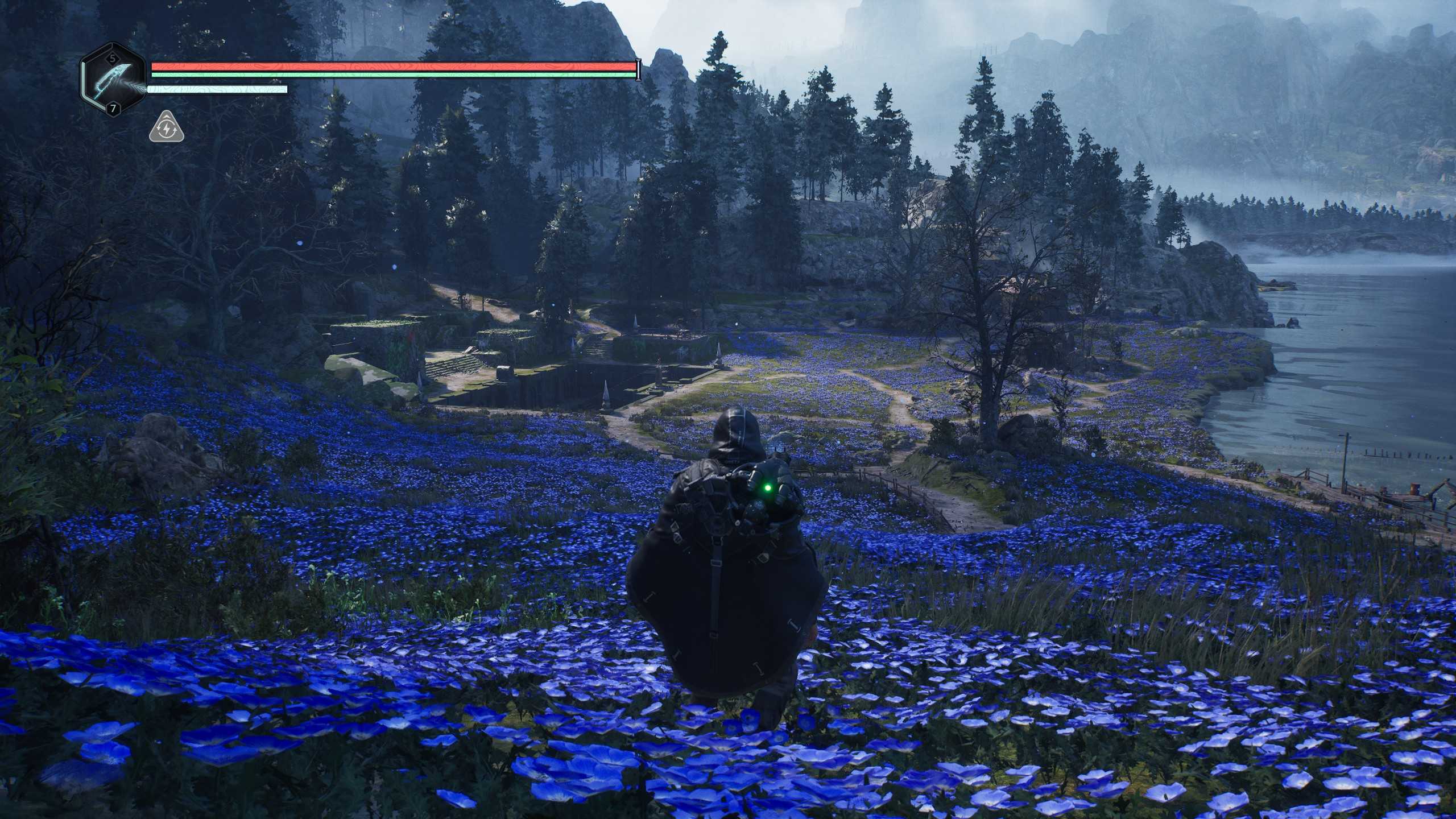
After navigating an initial smaller zone where players learn the basics, Rémi can explore various regions in Hadea at will while pursuing clues at each map point and unlocking new areas. The environments are well-defined and contain sufficient structures and landmarks to help players orient themselves over time. However, the absence of direct fast-travel points within each area eventually tested my patience.
Players should be aware that alongside the game’s themes of war, Hell is Us includes themes of sexual assault without any formal warning. While there’s little explicit content of this nature present, it’s important to mention here.
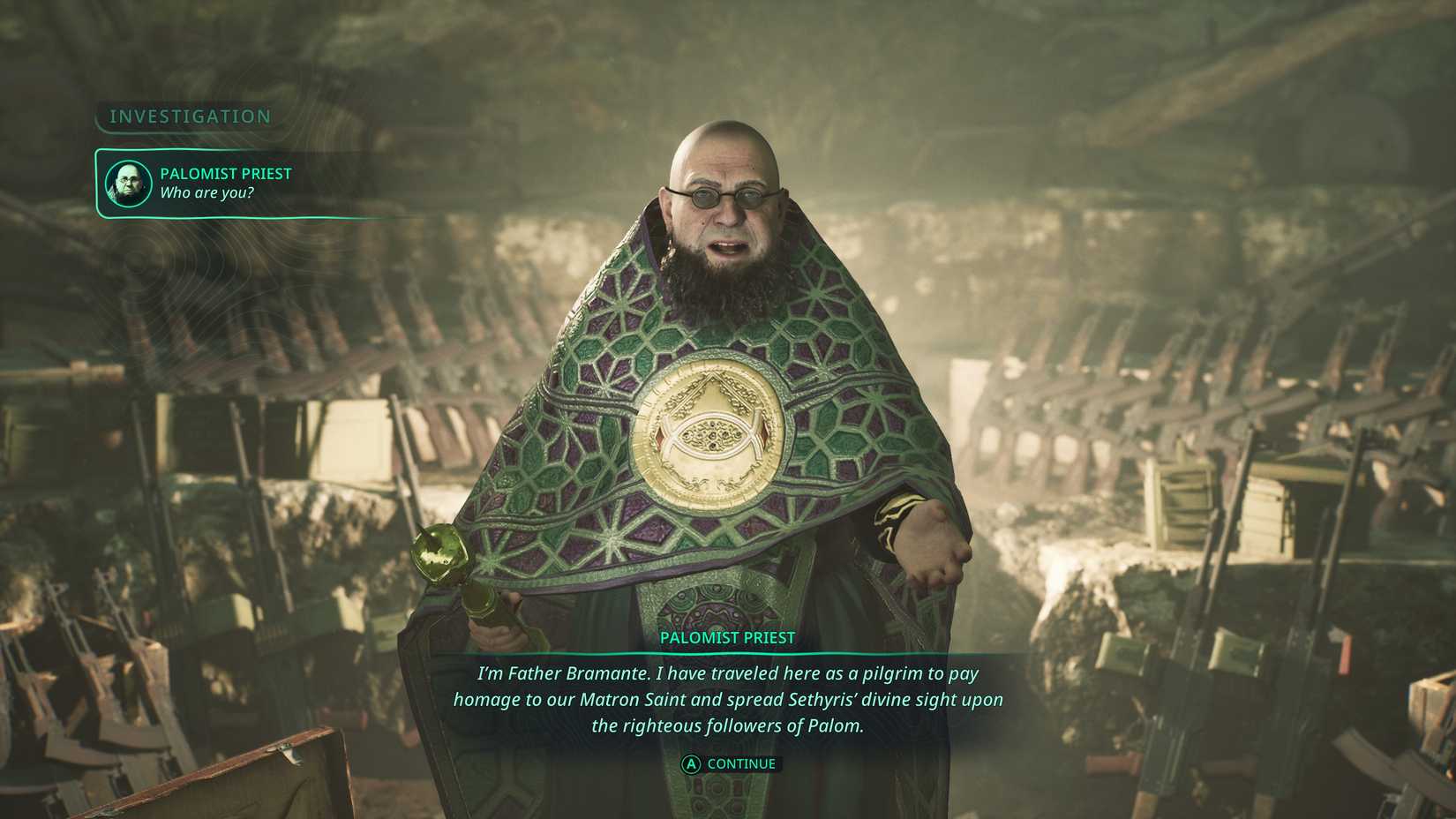
The game features a large cast of compelling NPCs who rarely integrate into gameplay or the broader plot—they primarily serve as quest-givers or lore sources. A standardized list of general conversational keywords remains static throughout the game, although special inquiries appear under certain conditions—typically after discovering specific items related to an NPC’s tracked Mystery.
This results in NPCs effectively acting as animated statues that remain fixed in place while players observe them (though quest progress may lead them to relocate later). Nevertheless, the full suite of voice acting and character animations are excellent, breathing vibrant life into these otherwise static entities.
I can’t delve into the most memorable aspects of Hell is Us, which are best left unspoiled—whether it’s uncovering a hidden temple or solving intricate puzzles or experiencing key plot twists—these moments feel far more rewarding than typical dungeon crawls leading to treasure chests.
Conversely, there are instances where Hell is Us feels like it offers less than the sum of its parts. Some puzzles I found intriguingly complex ended abruptly while many intricate NPC micro-stories concluded anticlimactically without any satisfying resolution. Consequently, the game’s promise of depth and self-directed exploration can seem at odds with these shallow outcomes.
Lucky for players that this doesn’t detract from what makes Hell is Us compelling—its imposing horrific scenery and comprehensive worldbuilding alongside the broader political drama framing its hero’s journey render lesser combat merely an introduction to more engaging puzzles and environments. Additionally, an exquisite ambient soundtrack featuring alien synths enhances every scene with texture and unsettling dread reminiscent of Alex Garland’s Annihilation, which this game frequently nods to.
A commendable blend of creative vision and daring ambiguity makes <em>Hell is Us</em> an intriguing journey worth completing—even if its ambition sometimes outstrips its execution. Approach it with minimal prior knowledge and avoid online walkthroughs when possible—you’ll discover a game eager to present something novel.