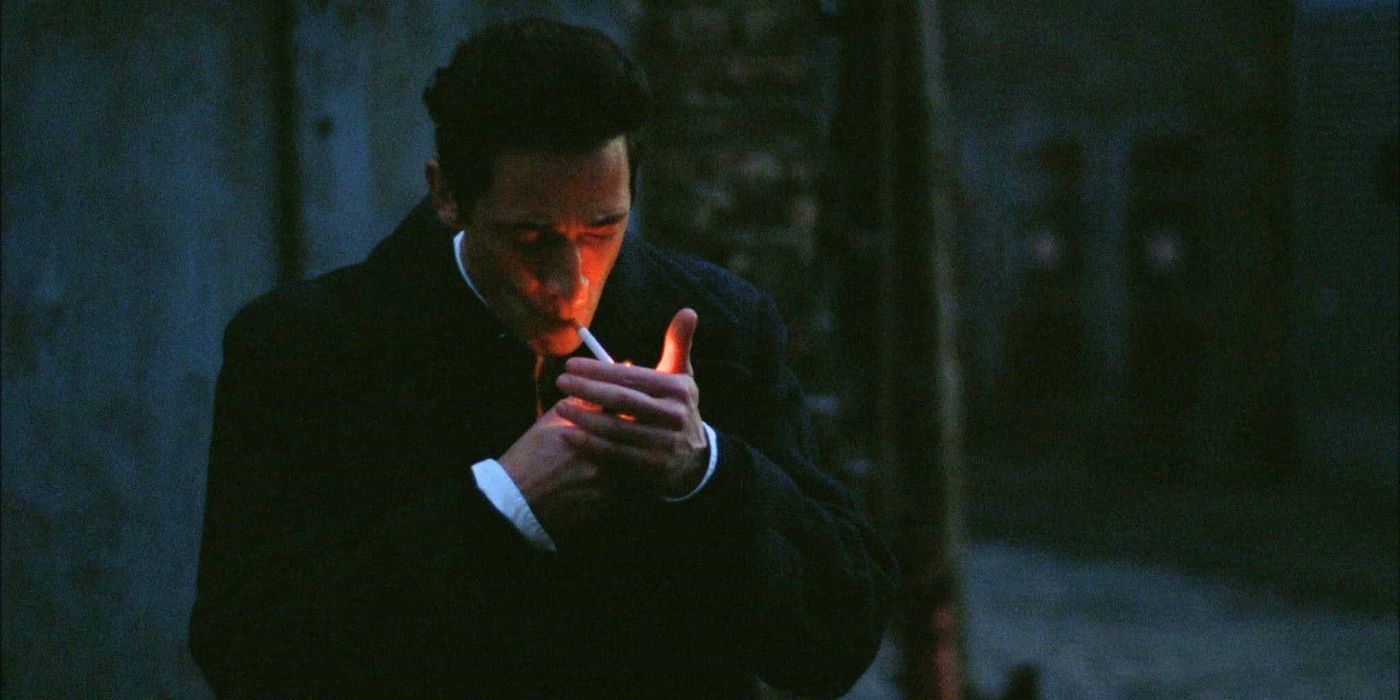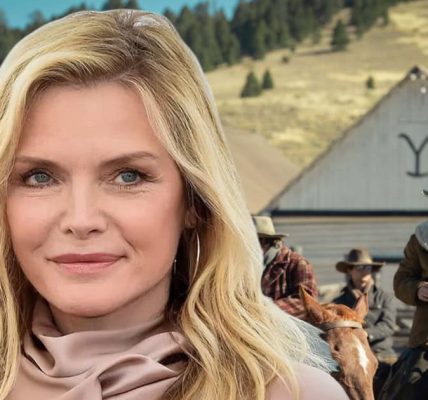
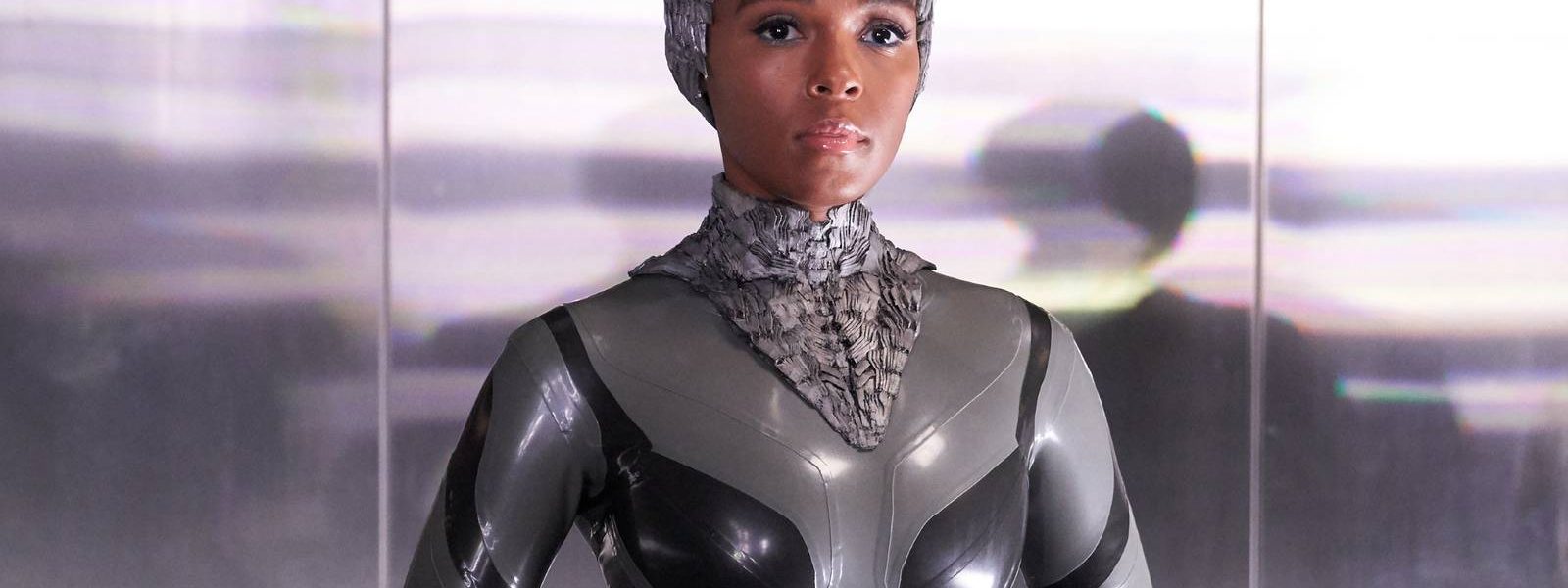
With a similarly star-studded cast and thoughtful, original explorations of standalone sci-fi stories, Prime Video’s one-season wonder Electric Dreams feels like a secret season of Black Mirror nine years after the show’s original release. Black Mirror’s seven seasons feel very different, but there is a good reason for the show’s inconsistent tone and aesthetic.
Black Mirror began life as a Channel 4 show, with the British broadcaster commissioning two seasons of the sci-fi anthology series between 2011 and 2014. After the critical success of creator Charlie Brooker’s zombie show Dead Set, Black Mirror soon became another acclaimed genre offering from Channel 4.
As a result, Hollywood came calling, and, between seasons 2 and 3, Black Mirror moved to Netflix. With this move to streaming came a much bigger budget and distinctly international feel, although the show has made a point of highlighting its roots in the years since with season 3’s “Shut Up and Dance” to season 6’s “Loch Henry.”
Electric Dreams Has One Of The Best Sci-Fi Show Casts Ever
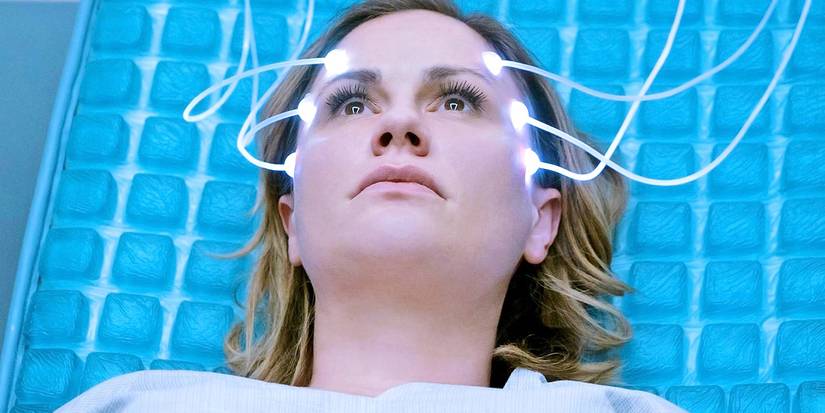
Hilariously, these later Black Mirror episodes that are set in Britain tend to be the most downbeat, squalid, and grim of their respective seasons from the anthology series. In contrast, episodes like “San Junipero” and “USS Callister” proved that Black Mirror had grown a little less overwhelmingly dark in its storytelling after the show’s trip across the Atlantic.
Around the same time, another UK-based TV series that started life on Channel 4 was picked up by a rival streaming service, and this sci-fi anthology show ended up feeling strikingly similar to Brooker’s iconic series. While Black Mirror’s reliance on real-life scientific innovations ensures that the show always feels prescient, 2017’s Electric Dreams had an alternative source of inspiration.
Originally intended to be an AMC/Channel 4 co-production, Philip K. Dick’s Electric Dreams, also known as Electric Dreams, adapted nine stories from the legendary sci-fi author as standalone sci-fi episodes. Best known for the novel Do Androids Dream of Electric Sheep, which was adapted into Ridley Scott’s seminal movie Blade Runner, Dick was an influential sci-fi writer.
With a cast list that includes Steve Buscemi, Bryan Cranston, Richard Madden, Anna Paquin, Juno Temple, Timothy Spall, Janelle Monáe, and Jack Reynor, among many more, Electric Dreams was just as starry as any of Netflix’s seasons of Black Mirror. While Netflix’s other sci-fi anthology Love, Death, & Robots also boasts celebrity guest stars, Electric Dreams feels much more like Black Mirror.
Electric Dreams Is Like A Sibling Series To Black Mirror
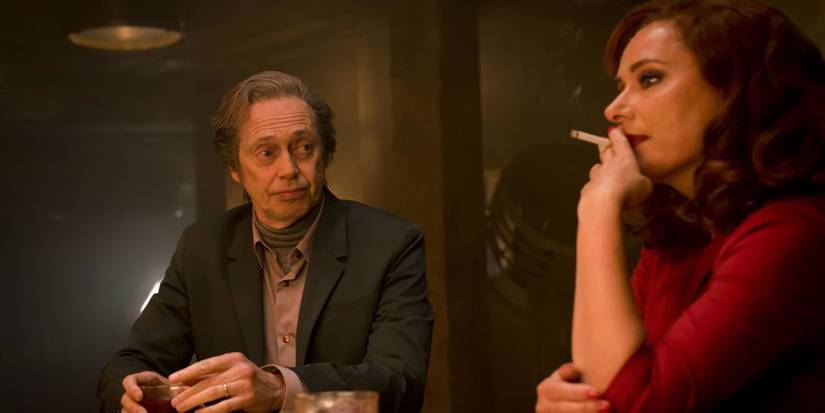
Like Black Mirror, Electric Dreams season 1 was composed of one-hour, self-contained, standalone sci-fi stories about futuristic technologies and their impacts on the lives of the show’s characters. Like Black Mirror, each episode included social commentary that slyly satirized modern political issues through these fantastical stories.
However, Electric Dreams ensured that the show felt like more than a mere clone with three important changes. For one thing, its visually sumptuous presentation didn’t match the dingy, grey aesthetic of Black Mirror’s early Channel 4 seasons. For another, the show’s tone was more upbeat.
It wouldn’t be hard for any show to be more upbeat than Black Mirror, which has given viewers some of the most devastating twist endings of all time with the likes of “White Bear” and “White Christmas.” However, considering the Blade Runner franchise is hardly overrun with uplifting codas, this approach was pretty surprising for Electric Dreams.
Clearly, the show, which was picked up for distribution by Prime Video, wanted to distinguish itself from Channel 4’s earlier acclaimed sci-fi anthology series. Ironically, however, Electric Dreams arrived in 2018 shortly after seasons 3 and 4 of Black Mirror. These outings had seen Black Mirror begin to display a penchant for cheerier stories like “San Junipero” and “Hang the DJ.”
This, along with the sunnier visual style of episodes like “Nosedive” and “USS Callister,” ironically meant that Electric Dreams ended up feeling even more like a season of Netflix’s Black Mirror. However, this was no bad thing for the project. This is generally agreed to be one of Black Mirror’s strongest eras, which is great news for Electric Dreams viewers.
Netflix’s Sci-Fi Anthology Successes Prove Electric Dreams Deserves A Second Season