
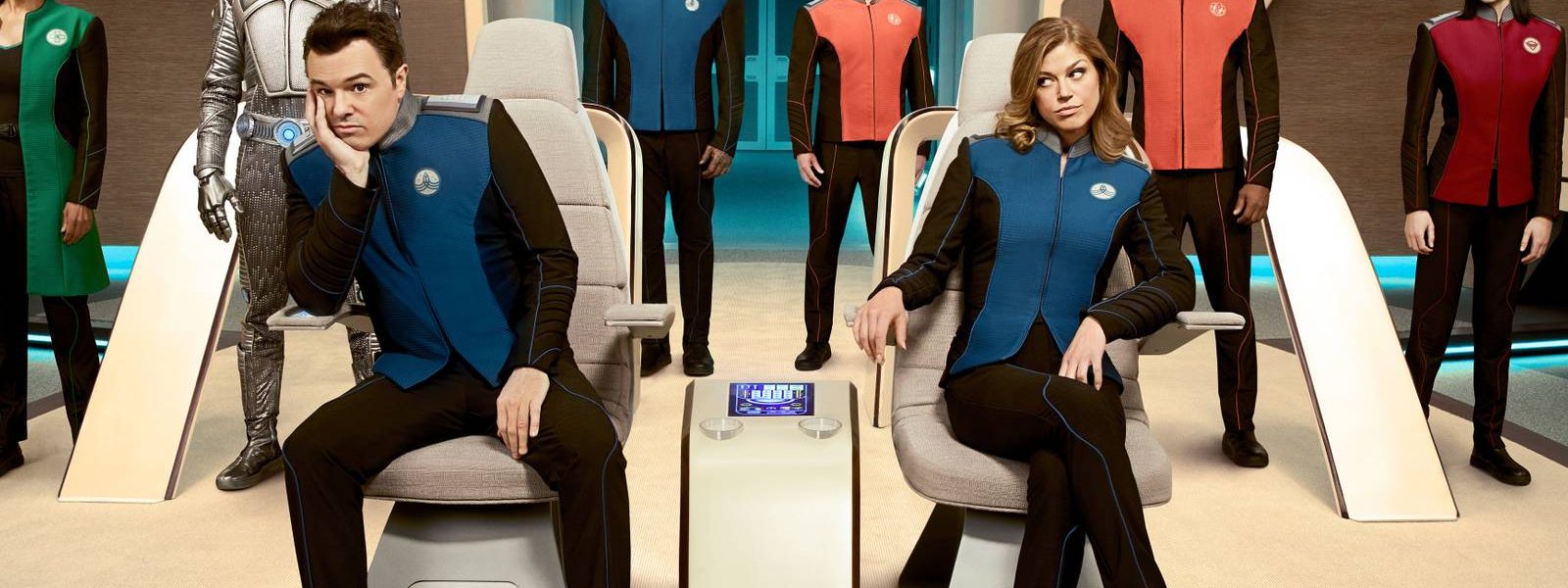

From Space: 1999 to Buck Rogers in the 25th Century, numerous remarkable sci-fi shows exist in the shadow of Star Trek. Star Trek wasn’t an immediate success when it premiered in 1966 — in fact, it was canceled after just three seasons — but it eventually found a fan base in syndication.
The Star Trek franchise remains an enduring staple of pop culture to this day, and it’s inspired generation after generation of sci-fi writers. Many great sci-fi TV shows, like Firefly and The Orville, owe a debt to Star Trek.
Key Sci-Fi Shows Influenced by Star Trek
- Farscape: This series features a human protagonist who becomes an alien fugitive after traveling through a wormhole.
- Space: 1999: A British response to Star Trek, it portrays the Moon as an uncontrollable spacecraft.
- Earth: Final Conflict: Developed from Gene Roddenberry’s unrealized projects, it explores alien technology on Earth.
- Buck Rogers in the 25th Century: A pulpy series that emerged during the sci-fi boom of the late ’70s.
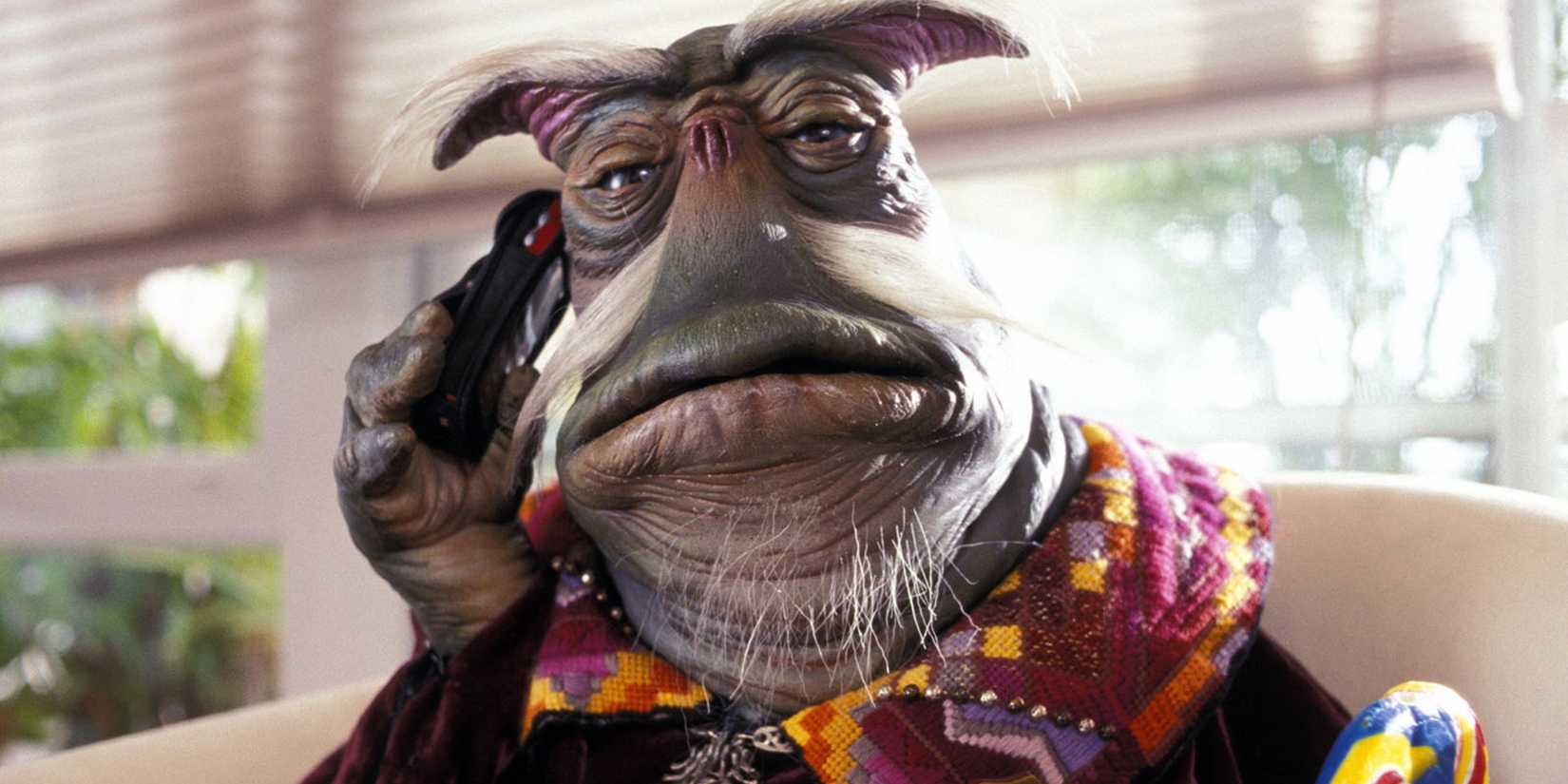
In a lot of science fiction, humanity deals with its first contact with aliens. But Farscape flips the script and makes its human protagonist the alien. When modern-day American astronaut John Crichton accidentally travels through a wormhole near Earth, he finds himself an extraterrestrial fugitive in an unknown corner of the universe, desperate to get home.
Farscape arrived at a time when the Star Trek franchise was in decline, and it made efforts to subvert the Star Trek formula and tell its own kind of spacefaring story — for one, it’s much weirder and much more self-aware. The series’ otherworldly alien characters looked totally distinctive, thanks to the makeup, prosthetics, and animatronics designed by the incomparable Jim Henson Company.
Space: 1999
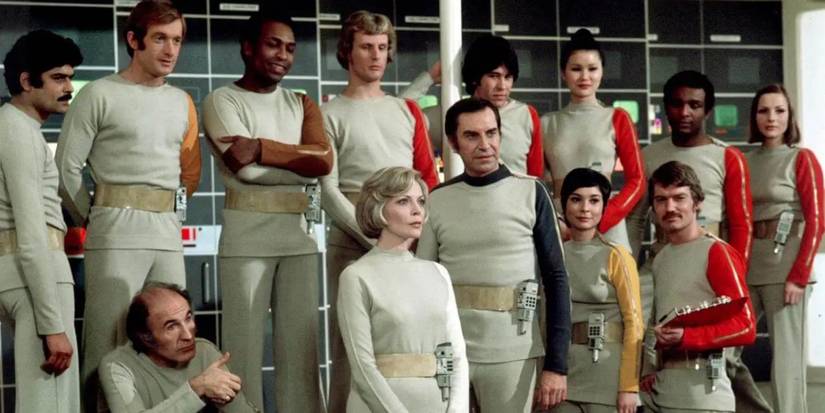
Space: 1999 was essentially the Brits’ answer to Star Trek. Its premise is a touch more bizarre than Star Trek — it turns the Moon into an uncontrollable spacecraft — but the basic format is the same. It centers on the inhabitants of Moonbase Alpha, which is hurtling through space following a nuclear explosion on the Moon’s far side.
As ridiculous as that sounds, the series itself is a controversial classic. It’s been criticized for its wooden acting and scientific inaccuracy, but it’s been praised for its stunning visuals, high production values, and the ambition of its storytelling. Space: 1999 is a morality play in space, but it’s also Star Trek on acid.
Earth: Final Conflict
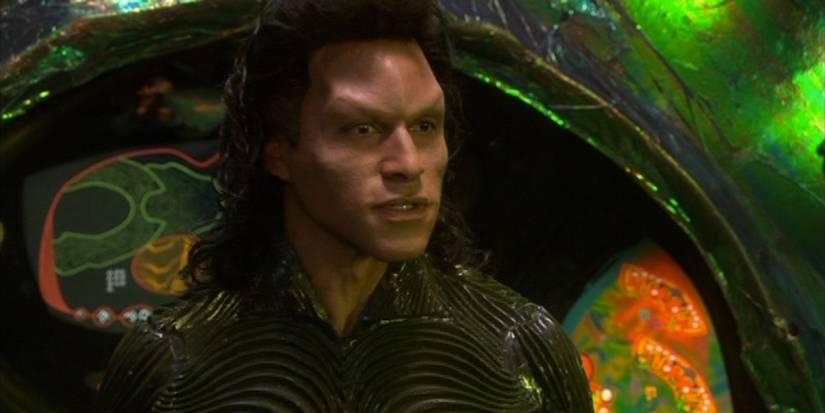
When Star Trek was originally canceled in 1969, creator Gene Roddenberry began working on a handful of other projects that never came to fruition. One of these scripts was Battleground: Earth, another sci-fi show that wouldn’t spark any interest in Hollywood until the Star Trek franchise was revived with the movie series and The Next Generation, and it was too late.
After Roddenberry passed away, his widow, Majel Barrett-Roddenberry, retooled the show as Earth: Final Conflict and finally got it produced. The series sees an alien race called the Taelons coming to Earth. As the Taelons share their advanced technology and wipe out Earth’s wars and diseases, a resistance movement forms among people questioning the aliens’ motives.
Buck Rogers In The 25th Century
After its pilot episode was released to some box office success in the sci-fi boom of the late ‘70s, Buck Rogers in the 25th Century was quickly commissioned as a weekly series. It’s decidedly pulpier than Star Trek, but it tapped into the cultural moment that Star Trek‘s big-screen comeback had helped to instigate (although Star Wars technically kickstarted it).
This show faced criticism as a cynical attempt to cash in on one of America’s greatest pop culture icons, yet it remains an enjoyable piece of entertainment. It serves as light comic-strip sci-fi fun without much depth.
Babylon 5
The ambitious effort by J. Michael Straczynski aimed to match Roddenberry’s vision with his own spacebound epic,Babylon 5. Set aboard a five-mile-long space station, it chronicles interpersonal drama over five years.
The characters drifting through space are relatable human beings amidst political tension and looming war. Essentially a small-town soap opera set against a cosmic backdrop.
Andromeda
The posthumous development of another one of Roddenberry’s unrealized projects led toAndromeda. This series leans more towards space opera rather than hard sci-fi likeStar Trek but maintains complex political worldbuilding similar to Roddenberry’s work.
The narrative revolves around an interstellar government known as Systems Commonwealth which enjoyed peace before being dismantled by Nietzcheans and Magog. Without Roddenberry’s guidance,Andromeda struggled with execution despite interesting ideas.
Firefly
The original concept forStar Trek mirrored classic westerns likeWagon Train but Joss Whedon adapted this premise into his short-lived series,Firefly. This show embraces western tropes within a futuristic context.
The setting follows society rebuilding after civil war while focusing on gunslingers engaging in shootouts and train robberies. Nathan Fillion’s Mal Reynolds embodies more Han Solo than Captain Kirk while still echoingStar Trek’s themes of adventure among crew members.
Battlestar Galactica
The reimagined version ofBattlestar Galactica from the early 2000s stands as one of television’s greatest shows capturing zeitgeist during War on Terror through allegorical conflict between humans and Cylons. However, its original series from1978 lacked originality.
The original concept merged profound elements from bothStar Trek and action-packed elements fromStar Wars aiming for commercial success yet only partially achieved cult classic status.