
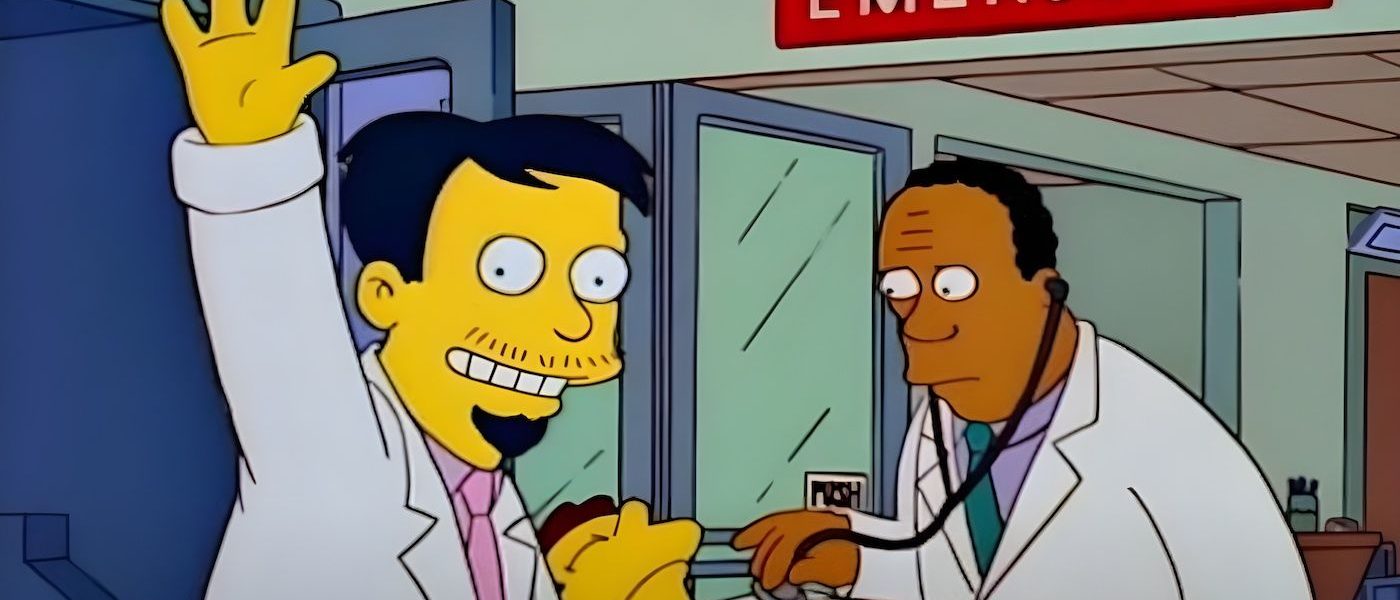

One standout quality that <em>The Simpsons</em> masterfully showcases, unlike any other sitcom, is its ability to weave together genuinely heartfelt narratives with humor, striking the right balance at every turn. For instance, in <em>The Simpsons Movie</em>, we witness Homer (Dan Castellaneta) evolve into a more caring husband and father, while Lisa (Yeardley Smith) grapples with the emotional farewell to her substitute teacher in Season 2, Episode 19 titled “Lisa’s Substitute.” This remarkable series consistently demonstrates an exceptional understanding of how to harmonize comedy with emotion, making it a beloved fixture in television history.
A prime example of this execution is found in Season 4, Episode 11, “Homer’s Triple Bypass.” The episode centers on Homer suffering from a heart attack, leading him to engage in outrageous attempts to gather the funds necessary for his increasingly costly heart surgery, a situation that escalates with each subsequent attack. While the premise may initially seem humorous, the underlying themes delve into darker territories that almost prevented its airing. The decision to broadcast this episode proved wise, as it showcases profound character development, touching upon critical topics like healthcare in America and the profound grief stemming from losing a cherished family member. Additionally, the episode enriches the overall world-building of the series, making it a vital viewing experience.
“Homer’s Triple Bypass” Was Initially Considered Too Dark For ‘The Simpsons’
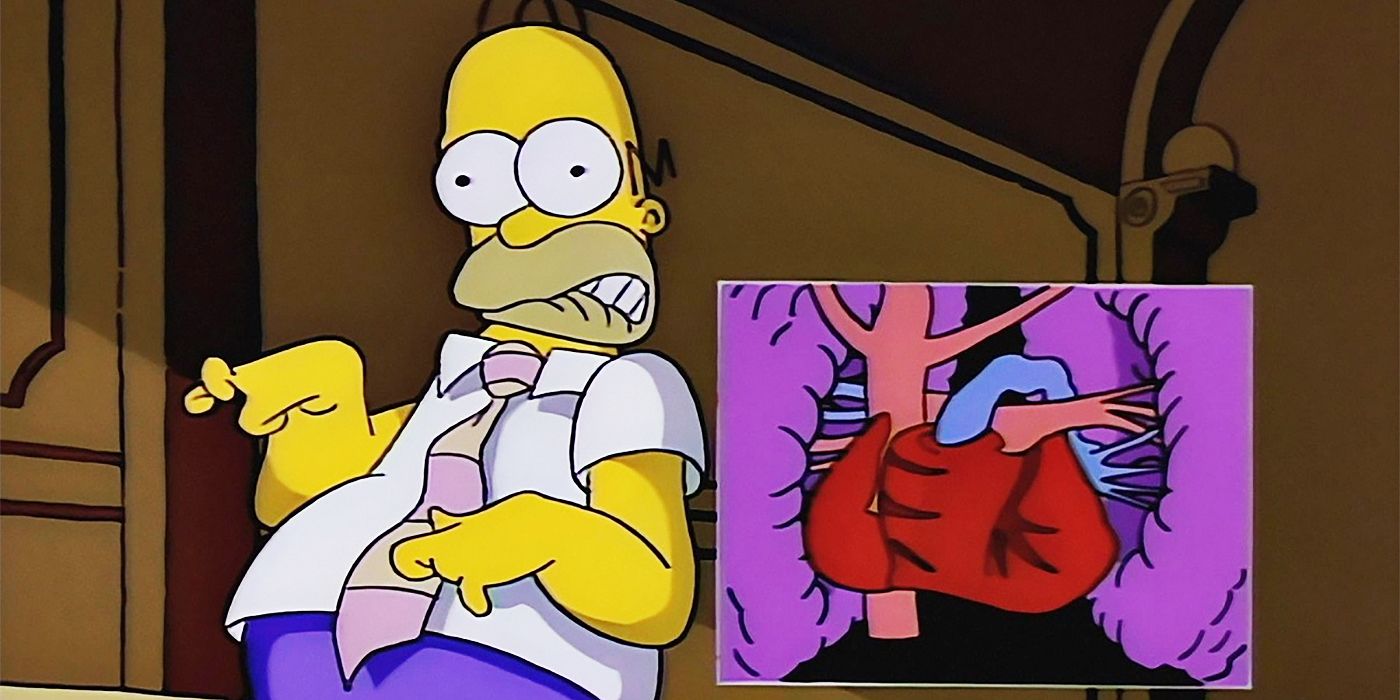
For enthusiasts of television, being a fly on the wall in the writers’ room of a favorite show is a dream come true. The opportunity to witness the creative process that shapes captivating stories, from the initial concept through to the script and final episode, is an invaluable experience. One of the most intriguing aspects would undoubtedly be uncovering the ideas that never made it to the screen and understanding the thought processes of showrunners and writers as they determine the appropriateness of each concept for the series. In The Simpsons: The Complete Fourth Season Commentary on “Homer’s Triple Bypass,” insights reveal that the episode was not the straightforward hit it appears to be in its final form. During the commentary, Al Jean, a producer associated with The Simpsons, disclosed that the concept was initially pitched by long-time The Simpsons writer James L. Brooks, yet there were concerns regarding its darkness in relation to the show’s typical tone.
The apprehension surrounding this episode is understandable; it’s not uncommon for audiences to feel frustrated with death fakeouts on television. Even though it was clear that Homer wouldn’t meet his demise, the somber nature of the topic could detract from the lightheartedness expected from a comedic sitcom. Nevertheless, this particular episode showcases a remarkable balancing act, artfully blending crucial themes with humor, creating a narrative that is not only essential to The Simpsons but also resonates emotionally without overwhelming viewers.
Related
10 Easter Eggs in ‘The Simpsons’ That You Definitely Missed
Start perfecting your pausing skills.
‘The Simpsons’ Explores Heartfelt Topics With Care in “Homer’s Triple Bypass”
Accomplishing the delicate task of eliciting both laughter and tears within a span of 20–25 minutes is no small feat, and “Homer’s Triple Bypass” deserves commendation for its ability to achieve this with moments that are both heartwarming and humorous. A memorable instance occurs when Bart (Nancy Cartwright) and Lisa visit Homer prior to his surgery, where Homer finds himself at a loss for words. In this situation, his children craft speeches for him to relay to one another. This leads to a comedic moment when Bart persuades Homer to tell Lisa that she is adopted. Yet, beneath the humor, the underlying messages convey that these siblings genuinely care for each other; should anything happen to their father, they will always support one another. This emotional exchange successfully highlights the stakes of the episode, emphasizing not just the potential loss of Homer, but what he would leave behind, reinforcing the importance of family bonds.
Delving deeper into the thematic elements, the episode boldly addresses the pressing challenges of healthcare in America. A poignant scene unfolds when Homer and Marge (Julie Kavner) lie in bed grappling with the inability to secure funds for Homer’s surgery. This moment resonates with many viewers who have endured sleepless nights over health insurance dilemmas, facing the frustrating reality of uncooperative employers and insurance providers coupled with a lack of accessible medical support from the state. The emotional weight of this situation is palpable, showcasing the stark inequalities present in the system, and presenting the fears that many share: the inability to assist loved ones due to financial constraints. The portrayal of Homer seeking help from a dubious doctor serves as a powerful indictment of the American healthcare system, illustrating the desperation that drives individuals to consider such drastic measures.
“Homer’s Triple Bypass” Includes Some Key Worldbuilding For ‘The Simpsons’
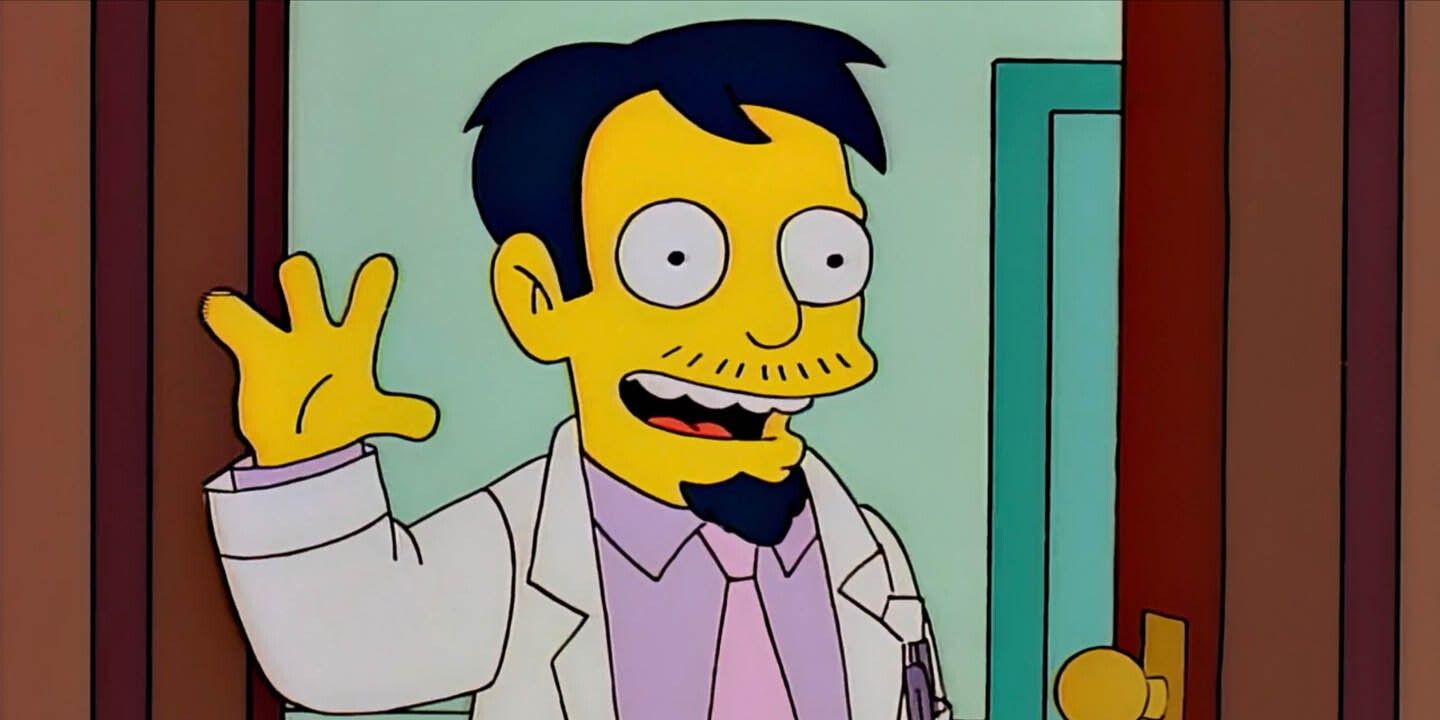
The Simpsons has crafted a vast universe over its extensive run, with a lore that is as complex and captivating as its individual episodes. While some may argue that the series doesn’t require an exploration of heavier themes, “Homer’s Triple Bypass” successfully carves out its importance by deepening the understanding of one of the show’s more intriguing background characters and revealing unsettling truths about a supporting character. The character receiving significant development in this episode is Dr. Nick Riviera (Hank Azaria).
First introduced in Season 2, Episode 10, titled “Bart Gets Hit by a Car,” this episode provides insight into one of Dr. Nick’s former patients. This individual, Mr. McGreg (also voiced by Hank Azaria), confronts Dr. Nick regarding his alarming condition of having his limbs swapped. This gruesome detail not only makes Mr. McGreg one of the more horrific characters within the universe of The Simpsons but also serves as a commentary on what could have transpired for Homer, emphasizing Dr. Nick’s lack of qualifications and contextualizing Homer’s anxiety regarding his surgical procedure.
Ultimately, “Homer’s Triple Bypass” presents a wealth of reasons to revisit this iconic episode of The Simpsons. Even if viewers have experienced it numerous times, it continues to provide a relevant critique of the issues plaguing the healthcare system in America. Rather than coming across as a didactic lecture, the episode delivers a compelling and humorous narrative centered around a man striving to be present for his children.
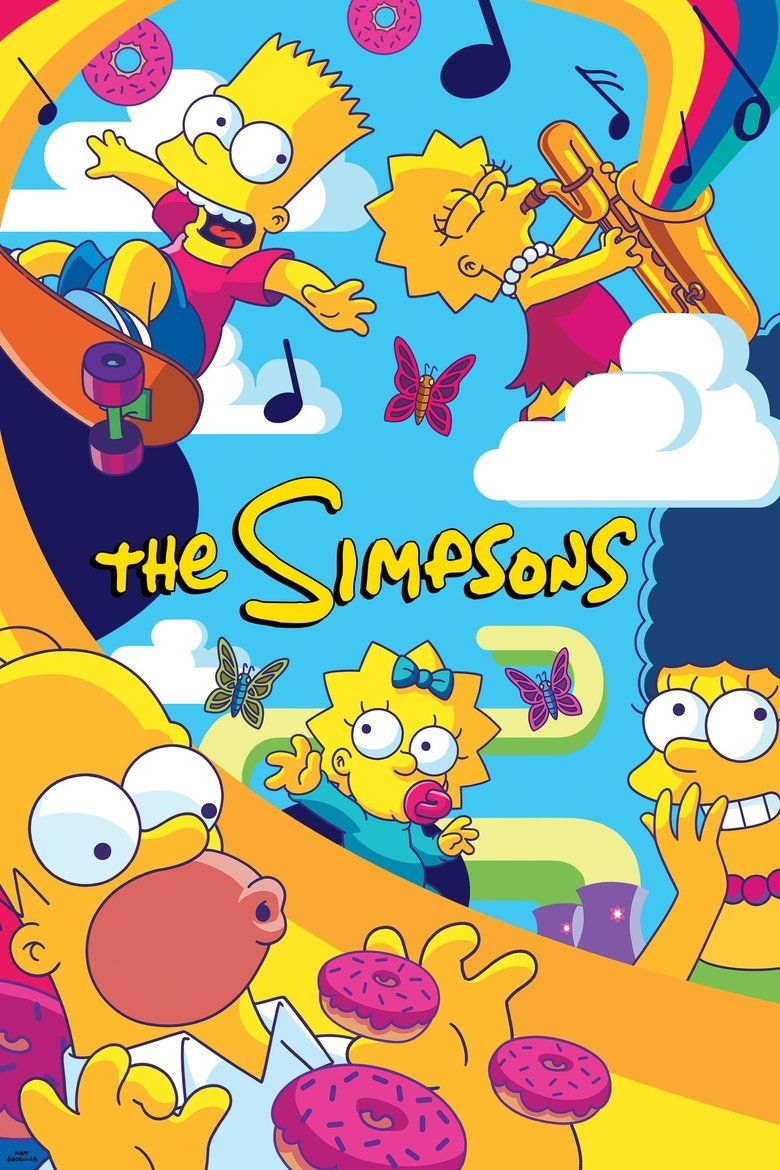
The Simpsons
- Release Date
-
December 17, 1989
- Network
-
FOX
- Directors
-
Steven Dean Moore, Mark Kirkland, Rob Oliver, Michael Polcino, Mike B. Anderson, Chris Clements, Wes Archer, Timothy Bailey, Lance Kramer, Nancy Kruse, Matthew Faughnan, Chuck Sheetz, Rich Moore, Jeffrey Lynch, Pete Michels, Susie Dietter, Raymond S. Persi, Carlos Baeza, Dominic Polcino, Lauren MacMullan, Michael Marcantel, Neil Affleck, Swinton O. Scott III, Jennifer Moeller
- Writers
-
J. Stewart Burns, Michael Price, Brian Kelley, Bill Odenkirk, Dan Vebber, Kevin Curran, Stephanie Gillis, Dan Castellaneta, Deb Lacusta, Billy Kimball, Jessica Conrad, Cesar Mazariegos, Daniel Chun, Jennifer Crittenden, Conan O’Brien, Valentina Garza, Elisabeth Kiernan Averick, Christine Nangle, Broti Gupta, Loni Steele Sosthand, Megan Amram, Bob Kushell, David Isaacs, David Mandel
-

Homer Simpson / Abe Simpson / Barney Gumble / Krusty (voice)
-

Julie Kavner
Marge Simpson / Patty Bouvier / Selma Bouvier (voice)