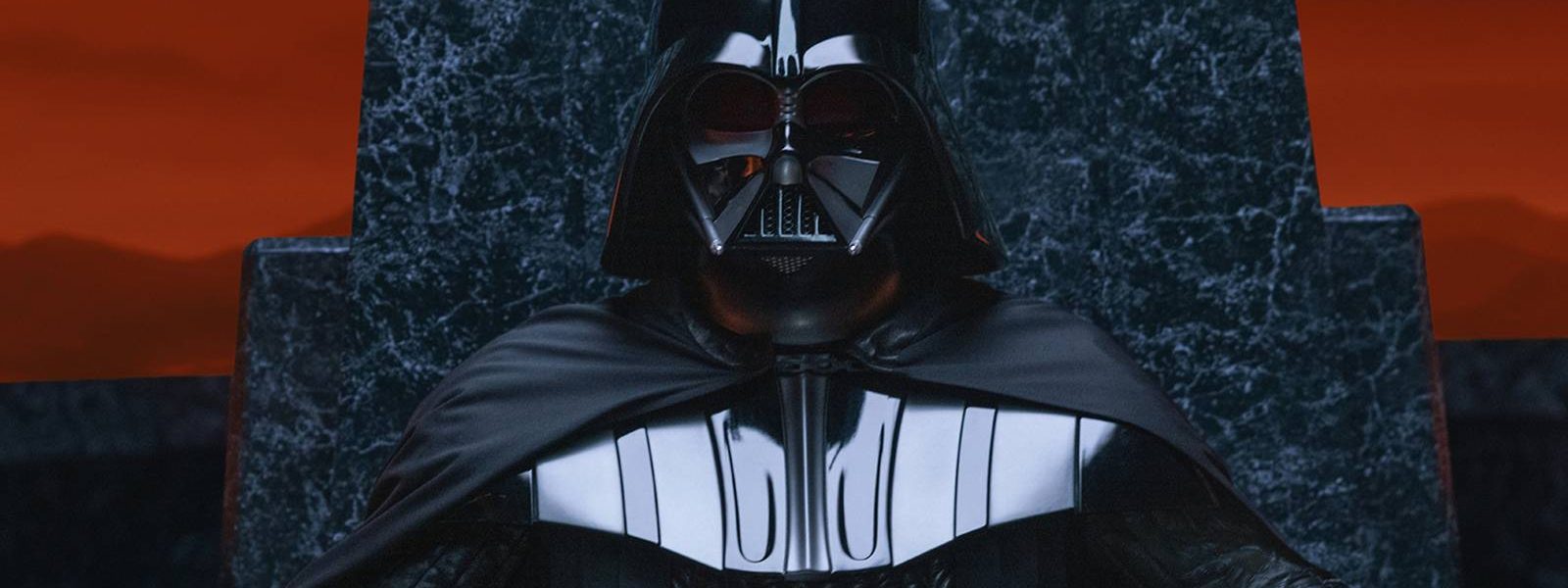
<em>Star Wars</em> redeems Darth Vader in the final moments of Return of the Jedi, with Luke Skywalker coaxing his father back to the light side. The sight of Anakin Skywalker’s Force ghost in the original trilogy’s closing scene confirms his soul is saved at the very end.
Nevertheless, we can’t forget that Darth Vader was a murderous tyrant between Revenge of the Sith and the Emperor’s demise, taking countless innocent lives, oppressing a galaxy, and partaking in the destruction of entire planets, all without a shred of remorse. 43 years later, there’s another Star Wars villain we shouldn’t forget is an agent of evil.
How Has Darth Vader Evolved Over the Last Decade in Star Wars?
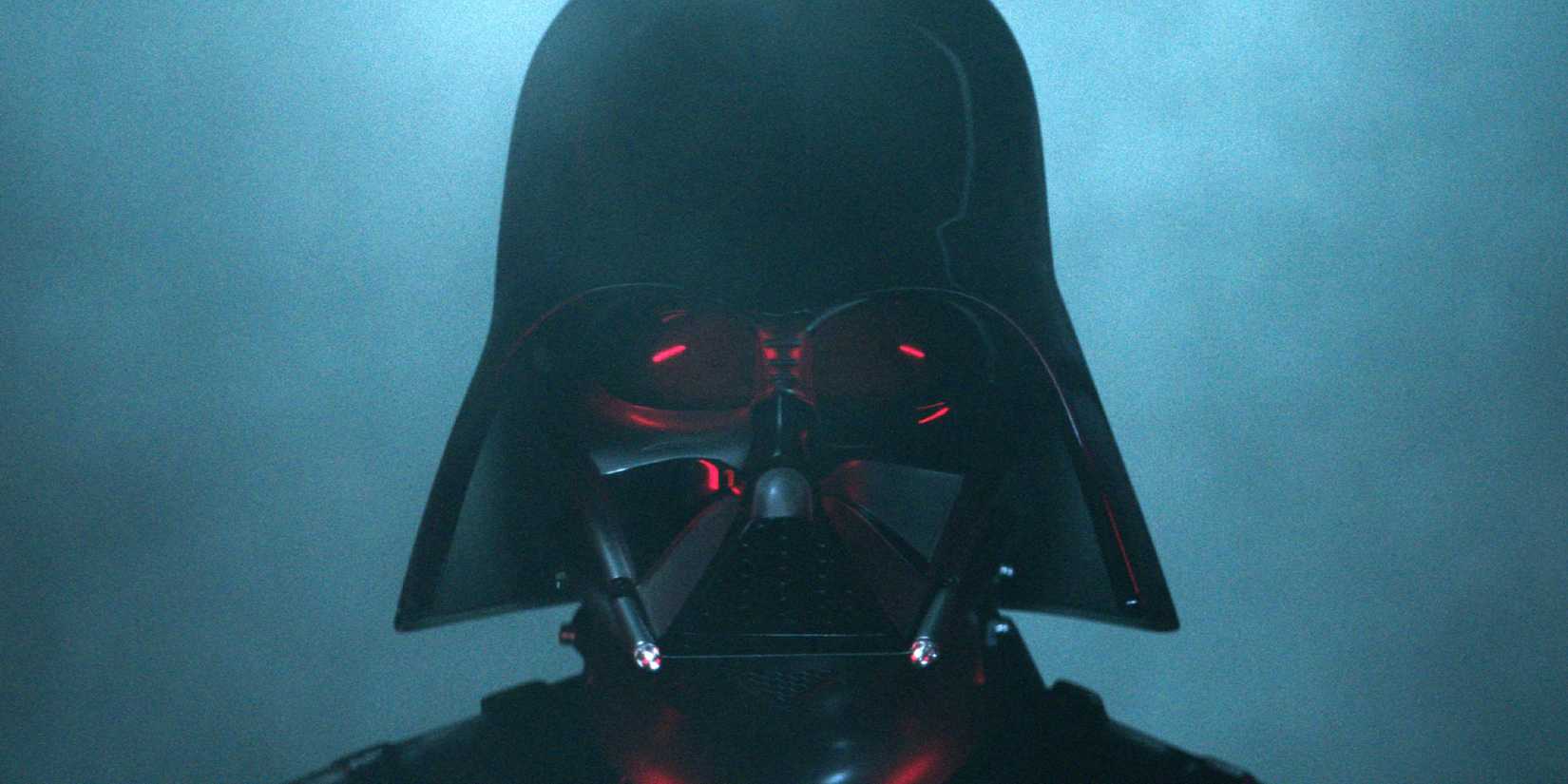
The Star Wars prequels may have depicted Anakin Skywalker’s heroic days (as did animated series The Clone Wars), but this never detracted from his later villainy. Indeed, Anakin’s slaughter at the Jedi Temple still ranks as one of the most shockingly brutal scenes in the entire Star Wars timeline, while The Clone Wars always perpetuated the notion that Anakin had darkness festering within. George Lucas added to Anakin’s tragedy, but never watered down his villainy.
That changed during Disney’s era. Marketing material for the Dark Visions comic series in 2018 described Vader as an “antihero.” Live-action series Obi-Wan Kenobi and Ahsoka peddled the argument that “Anakin Skywalker” and “Darth Vader” should be considered separate entities, one light and one dark. Elsewhere in the world of Disney, Vader’s image has been used alongside pantomime baddies like Jafar and Captain Hook.
The message after the prequel trilogy seemed to be that, for all the hardship Anakin endured, he still responded by taking the wrong path – the whole “fear leads to anger” warning. Over the past ten years, it feels like the message has switched to active sympathy for Anakin’s plight, like turning to the dark side wasn’t really his fault.
Intentionally or otherwise, this shift brought Vader in line with Disney’s branding. Modern Mouse House villains tend to be misunderstood or damaged rather than downright evil, while a handful of evil-doers from years gone by have been afforded sympathetic backstories – Maleficent, Cruella de Vil, Scar, etc. Darth Vader fits that description far more closely now than he did pre-Disney.
Add depth to Vader’s character and compounding the tragedy of Anakin Skywalker’s downfall is fair enough, but not at the expense of playing down the long period where Vader was an absolute terror. Calling Vader an “antihero” and separating the mask from the man underneath go too far in terms of absolving Anakin of responsibility.
Is It Time for Darth Maul to Receive Similar Treatment as Vader?
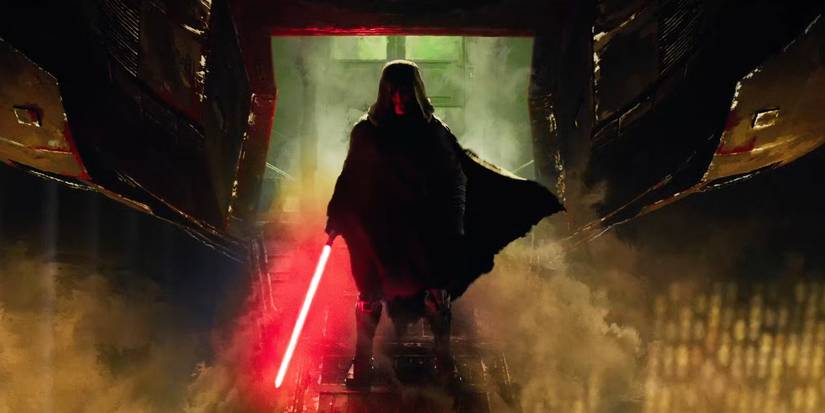
Compared to his debut in The Phantom Menace, Darth Maul’s morality has already been pushed and pulled by The Clone Wars and Star Wars Rebels. Maul’s animated adventures hinted toward his own tragic backstory, played up Palpatine’s manipulative hand in his development, and gave him a small moment of redemption by teaming up with Ahsoka Tano when Order 66 was triggered. In this sense, Maul has been fleshed out in a very similar way to Anakin Skywalker.
Unlike Anakin, however, Maul continued being awful after he broke free from Palpatine. Leading a criminal syndicate, invading Mandalore, hunting the Jedi – Maul’s evolution wasn’t redeeming himself, it was becoming his own boss. The Jedi found themselves fighting a war against dark side-users on two fronts – Palpatine and Dooku on one side, Maul on the other, with all factions hating each other. For all his complexity and hatred of the Empire, Maul’s fuel was greedy ambition and a lust for revenge.
This could potentially change in Star Wars‘ upcoming series Maul: Shadow Lord. In trailer footage, Maul is an active enemy of the Empire, chased by Inquisitors and Imperials, almost positioning Maul as a force for good since he’s now the main protagonist. Taking Star Wars further down that path, his voiceover promises “Empires can be shattered” as he mows down Stormtroopers with an efficiency that would make the Rebel Alliance proud.
Curiously, Maul also appears to take on young followers in Maul: Shadow Lord, at least one of which is a former Jedi. This could potentially bring a softer side of Maul’s personality to the fore.
Addition of depth to Maul’s character needn’t be a bad thing, but it cannot be forgotten that his villainous nature is what made Maul a popular figure in the first place. The transformation from Sith apprentice to criminal overlord proved fascinating, and Maul: Shadow Lord needs to maintain that inherently sinister element where Maul always has darker motives at heart – violence, chaos, domination, self-interest.
There are hints this may not happen. Trailer footage shows Maul complaining, “We survive but do not live“, which could indicate the beginning of Maul fighting the Empire on principle. Another line: “chains can be broken“. Does this just represent Maul breaking free from Palpatine and becoming a terror in his own right? Or is he now inspiring others to rise up against the Empire? The latter sounds dangerously close to being a Nice Guy.
Would Maul Becoming an Antihero Harm Star Wars?
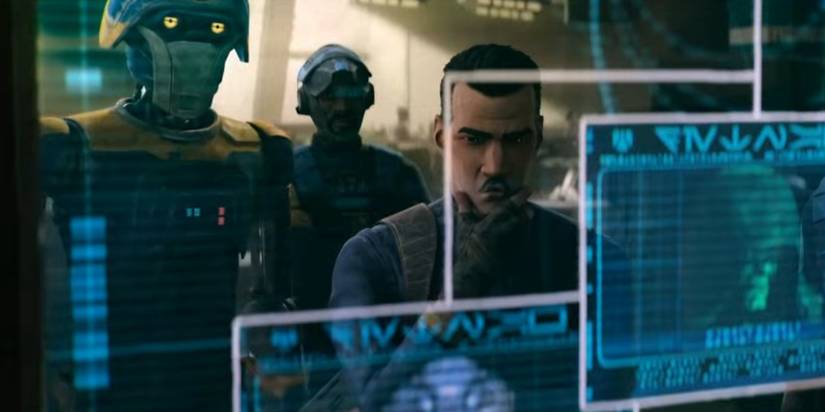
If Maul’s solo series drifts into territory where the ex-Sith fights the Empire due to a newly-developed moral stance or is inspired by his followers to better himself, that would risk tossing Maul into the increasingly large pile of reformed Star Wars villains and deprive the franchise of a truly brilliant bad guy.
A growing trend exists – not only within Star Wars, but also throughout TV and film – that adding depth to a villainous character automatically means making them less villainous. That doesn’t always have to be true since it occurs frequently within that galaxy far away. Darth Vader, Kylo Ren, General Hux, Boba Fett – must Maul follow suit? Can he not be a heartless monster while having good characterization?
This lack of true villains highlights why Thrawn is vital to the Star Wars landscape while also explaining why The Acolyte‘s cancellation is frustrating since Qimir and Darth Plagueis both had potential for fulfilling that role. Additionally, it’s interesting that little has been revealed about Palpatine’s origin story withinStar Wars canon.
Shadow Lord offers Maul a golden opportunity to become a rare entity withinStar Wars – a character nuanced enough to sustain their own TV show without compromising their inherently evil nature that made them appealing initially. Softening Maul’s persona would evoke strong feelings of déjà vu.
The decisive factor will be Maul’s motivations in his new show. Whether you define Zabrak as an antihero or not, until now he has been driven by villainous ideals. Making him star will temptStar Wars into changing that dynamic at its own peril.
…
…
…
…
…
…
…
…
…