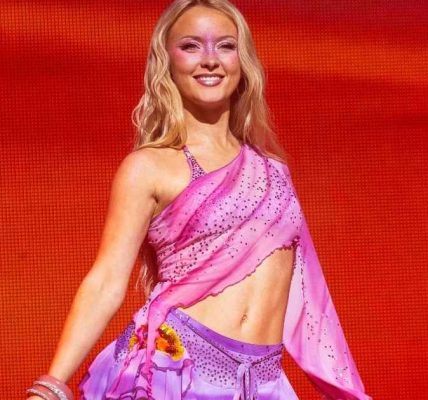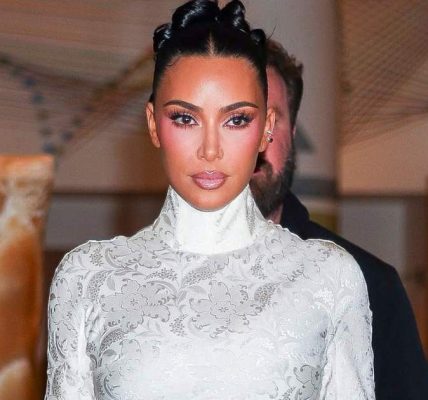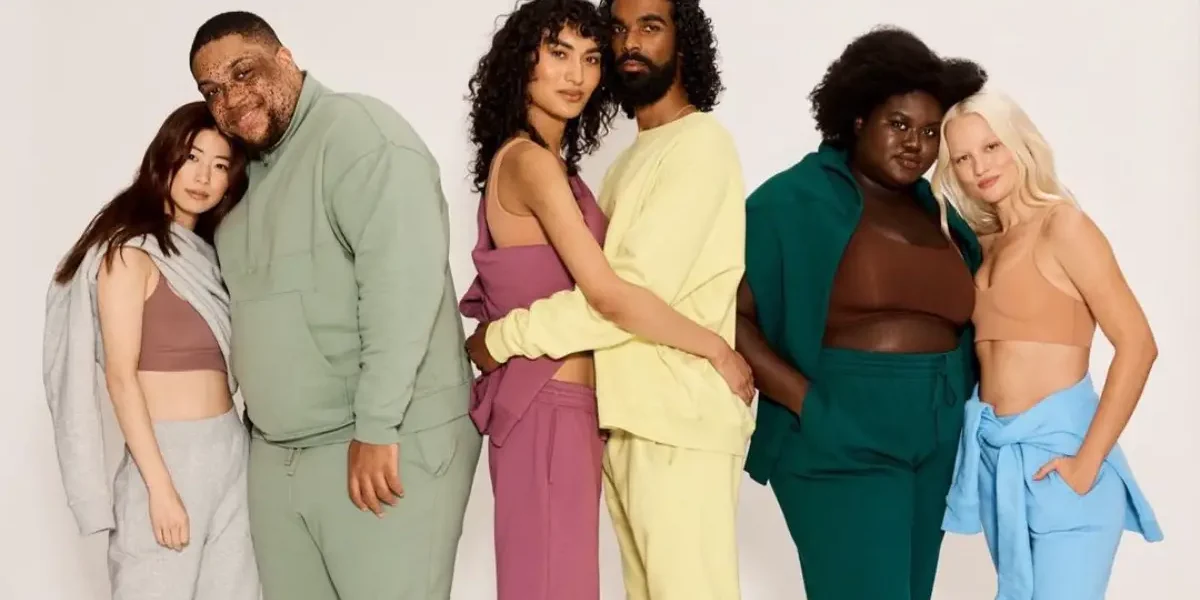

Imagine stepping into a stunning boutique or browsing through an elegant online store filled with garments made from organic cotton, recycled materials, and proudly displaying ethical production tags. This vision represents the pinnacle of sustainable fashion, which is currently thriving, with brands enthusiastically showcasing their eco-friendly credentials. However, there’s a significant catch: this vibrant realm of conscious clothing often feels elusive for many, particularly for those of us who wear sizes above 18. The concept of plus size sustainable fashion has, for far too long, seemed like an oxymoron, compelling shoppers to face an impossible dilemma: either dress ethically or simply dress at all?
The reality is stark and disheartening: as the sustainable fashion movement gains traction, its inclusivity frequently falls short when it comes to size. This unfortunate reality means that plus size shoppers often have to compromise on style, fit, or even the basic access to clothing that aligns with their ethical values. Must it always be this way? Can we genuinely foster a fashion industry that is both planet-friendly and body-inclusive? Let’s delve into the challenges and advocate for better solutions that pave the way for a future where everyone can dress beautifully while adhering to ethical standards.
The Size Barrier: Understanding Why “Eco-Chic” Often Stops at Size 16
The most prominent challenge facing plus size sustainable fashion is the glaring lack of options available. Many ethical brands, which tend to be smaller and independent, do not extend their size ranges beyond a US size 14 or 16. This limitation is not always due to negligence; expanding size offerings necessitates considerable investment, specialized expertise in pattern grading (because bodies do not simply “scale up” in a mathematical sense!), and a supply chain capable of accommodating diverse body types.
This situation leaves plus size consumers feeling stuck in a frustrating predicament. If you are determined to support brands that utilize organic fabrics or adhere to fair labor practices, you may find yourself unable to locate anything that fits well. The alternative often involves resorting to fast fashion giants that provide extended sizes, creating a paradox where ethical intentions are undermined by a lack of availability. This results in a lose-lose scenario, compelling plus size shoppers to compromise their values just to get dressed.
Unpacking the Greenwashing Issue: Is “Sustainable” Just a Marketing Buzzword?
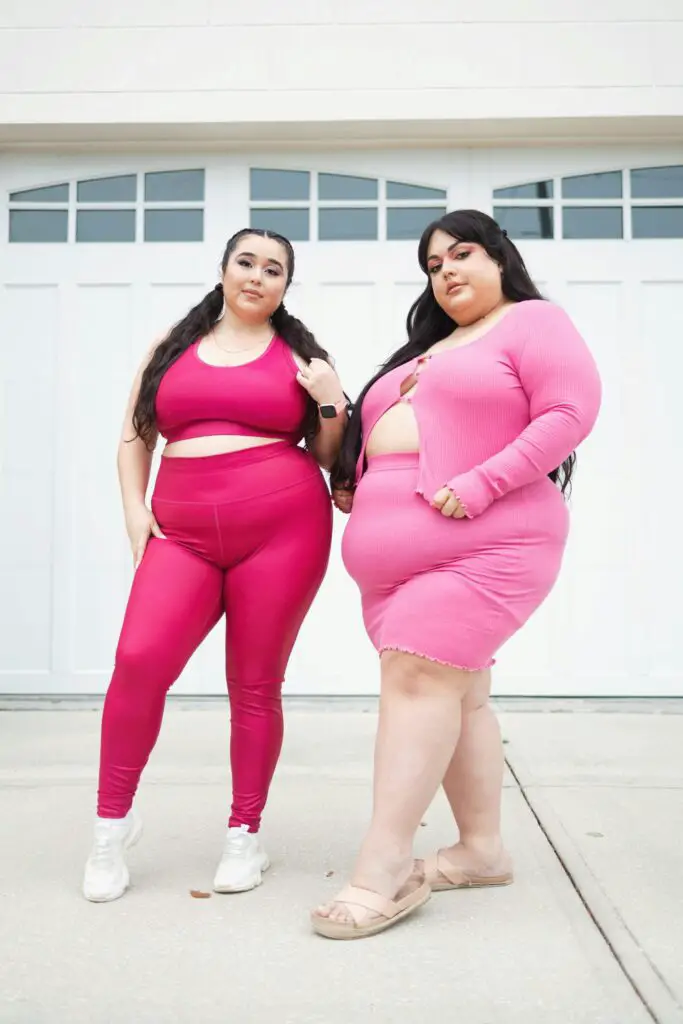
Even when options for sustainable plus size fashion do emerge, a lingering question arises: How ethical are they really? The term sustainable can often serve as a vague umbrella under which various practices are concealed, and some larger brands may engage in greenwashing, presenting a minimal, basic “eco-friendly” line for plus size customers while their primary production methods remain far from ideal. This can come across as a token effort rather than a sincere commitment to sustainability.
Moreover, the focus on sustainable materials can frequently neglect the social dimensions of sustainability. Genuine sustainability encompasses not only the use of sustainable materials but also includes fair labor practices, diverse representation, and the crucial aspect of size inclusivity. If a brand touts its sustainability but excludes a significant demographic, can they genuinely claim to be upholding their ethical promises?
The Costly Conundrum: Why Ethical Fashion Feels Exclusive
Let’s be honest: sustainable fashion typically carries a higher price point, reflecting the true cost of ethical production, quality materials, and fair wages for workers. While many consumers are more than willing to invest in higher quality and ethical practices, this increased cost, combined with the already limited selection of options available, can create an overwhelming barrier. When you are struggling to find clothing that both fits and looks good, the added expense on the few ethical choices available can easily push you back toward cheaper, less sustainable alternatives. Dressing ethically while finding your size should not be a luxury reserved for a select few.
Brands, It’s Time for a Transformative Change!
So, what’s the way forward? It begins with brands stepping up and making a genuine commitment to true inclusivity.
- Design with Purpose: Don’t simply “grade up.” Invest in expert pattern makers and fit models who specialize in plus size bodies right from the start. This practice ensures that garments are created to flatter and fit, rather than just being designed to stretch.
- Integrate Extended Sizes Seamlessly: Incorporate extended sizes into your main collections without creating separate, often less stylish, “plus” lines. Highlight diverse body types in all marketing efforts, rather than treating them as token gestures.
- Transparency is Key: Be open and honest about your sustainable practices across all sizes. Demonstrate to consumers that your ethical commitments apply to every garment, regardless of size.
Empower Your Shopping Choices: Harnessing the Influence of the Plus Size Consumer
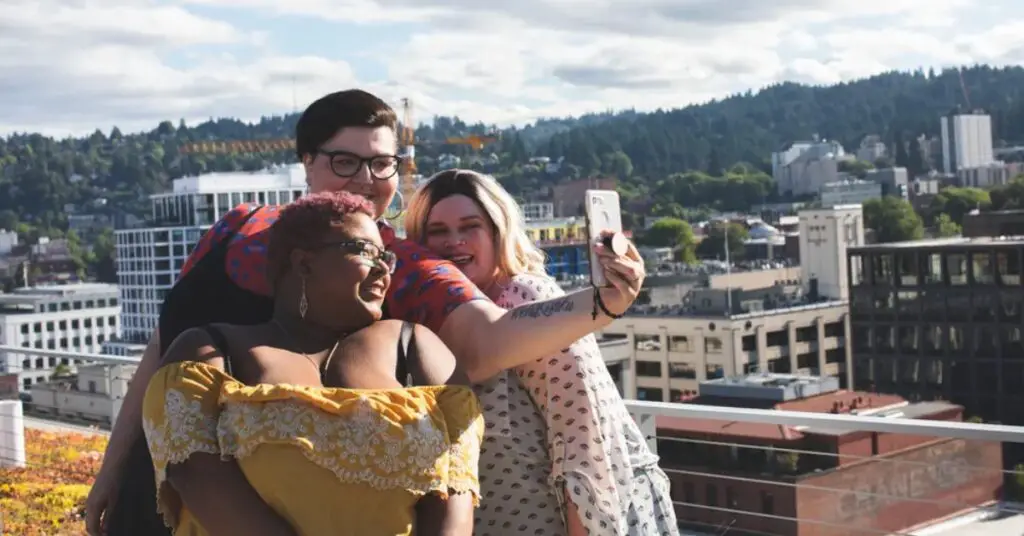
Consumers also play a critical role in driving change. Here are several ways that consumers can amplify their influence:
- Make Informed Choices: Support brands that are genuinely doing it right. Brands like Universal Standard, Girlfriend Collective, and Eileen Fisher are making significant strides in providing inclusive, sustainable options.
- Speak Up, Loudly and Respectfully: Reach out to your favorite sustainable brands and kindly request extended sizing. Share your desire for plus size sustainable fashion across social media platforms. Collective consumer demand can be a powerful catalyst for change.
- Embrace Circular Fashion: Explore resale platforms and thrifting opportunities, which often provide a wider range of sizes, and consider repairing or upcycling your existing garments.
The Future is Inclusive: Fashion for Every Fabulous Body!
The current landscape of plus size sustainable fashion reveals that the industry still has much ground to cover. This glaring omission occurs within a movement that claims to be progressive and ethical. This issue extends beyond mere fashion; it encompasses dignity, accessibility, and the fundamental right for every individual to align their wardrobe with their personal values.
By challenging existing norms, demanding authentic inclusivity from brands, and supporting those who are leading the charge, we can collectively advocate for a future where plus size sustainable fashion is not a niche concept but rather the glorious standard. It is high time for the fashion industry to embrace all body types and pursue a greener, fairer future for everyone.
What are your thoughts on the sustainable fashion struggle faced by plus size shoppers? Please share your insights, tips, or favorite ethical brands in the comments section—let’s continue this important conversation!