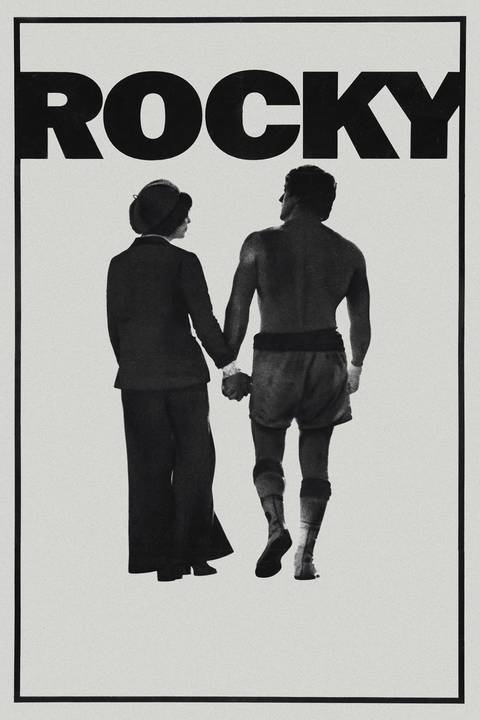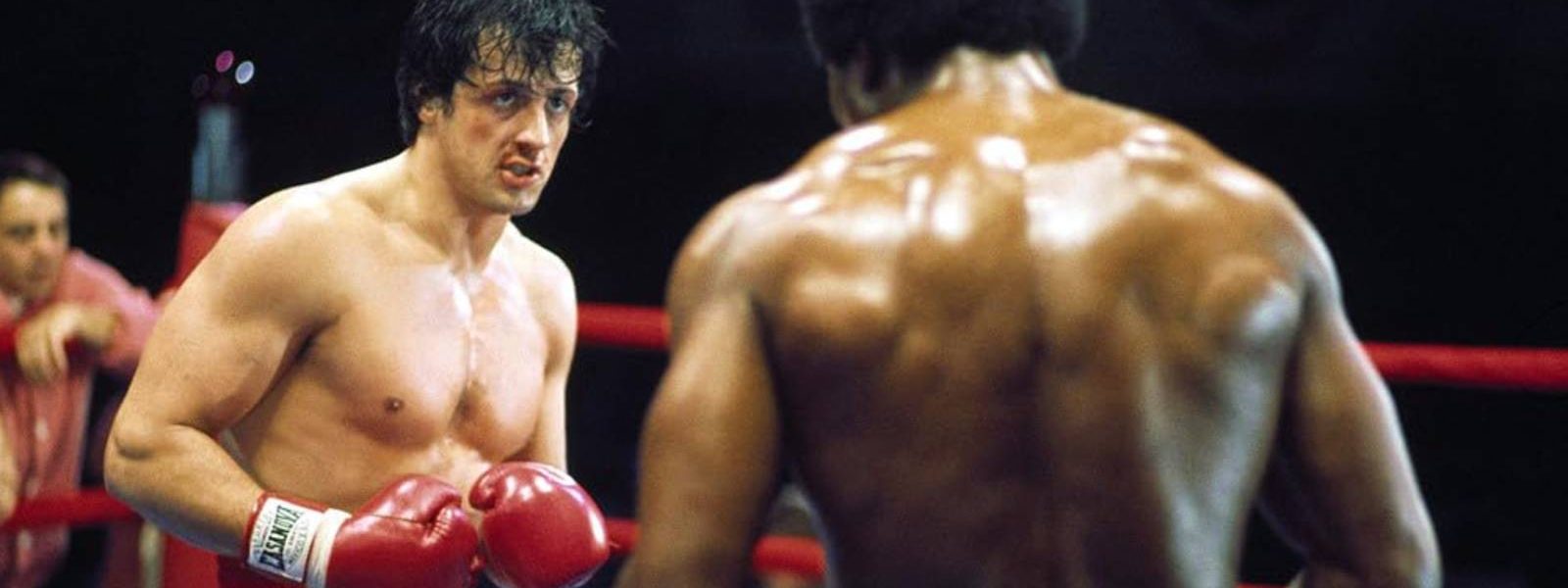

Even years later, Sylvester Stallone is still reflecting on the mixed feelings he underwent after <em>Rocky</em>‘s Oscars. Rocky was the movie that solidified Stallone as a true star, allowing people to see the actor in a way that they had not before. In addition to playing the titular boxer, Stallone also penned Rocky‘s screenplay.
Not only was the film a career-defining movie for Stallone, but Rocky would go on to be one of the most iconic sports movies of all time. It led to a blockbuster franchise, consisting of multiple mainline movies and the acclaimed Creed spinoff series.
Despite all the success, Stallone still recalls the complex emotions that came with Rocky‘s big wins. In an interview with CBS Mornings, Stallone explained that Rocky‘s success was “a volcanic moment” in the beginning. Then, however, “it was very sad.”
The actor clarified that this came from how the moment came to highlight his difficult relationship with his parents. His parents did not attend the Oscars ceremony, which made him reflect on “people that you love that denied you,” a harsh truth that he would always carry with him. Check out the full quote from Stallone below:
It’s a volcanic moment, and then it was very sad. You want people that you love that denied you, now you’re here, you’re at the Oscars, and they don’t want to go…You realize that, at that moment, that you’re never ever going to come to terms with this…
It’s a real learning lesson, Gayle, that parents should really wise up.
Kids are the same as soft clay. They really are. You mold them, and you dent them, and you hurt them, or you drop them off the table, and they’re not the same shape anymore. I still walk around with it. And I wish I couldn’t. And I pray, and I do everything, but it’s always there.
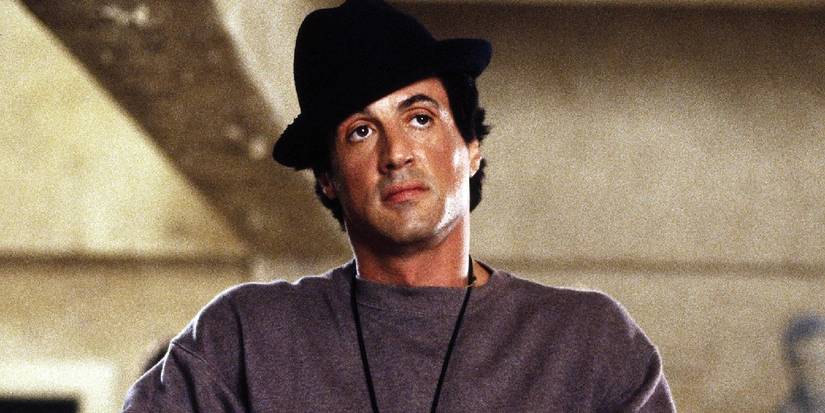
Despite the struggle that went into getting the film made, Rocky went on to be nominated for 10 Oscars, winning three of them. Its three awards included honors for Best Director, Best Film Editing, and the most-coveted award of the night, Best Picture. These honors solidified the underdog movie’s greatness.
Further highlighting the film’s success was the fact that Rocky became the highest grossing movie of 1976. The film made $117.2 million worldwide, which was a hefty sum for that era. (This would be an over $650 million sum in today’s dollars, once adjusted for inflation).
It is rare for any movie to be this much of a critical and commercial success. Rocky was a particularly apt film to achieve this feat, given its storyline focuses on an underdog achieving a series of unexpected victories.
Unfortunately, it sounds like Stallone’s sense of victory was sullied by his more upsetting past. The section where he describes the malleability of children is especially telling in that regard. He explains that “kids are the same as soft clay” where “you mold them, and you dent them“.
This past has deeply affected Stallone, as he says that he “still walk[s] around with it” and that this feeling is “always there“. Despite the pain of his past tainting his Rocky win, the actor would go on to elevate the series into a massive franchise. Even as he soon enters his 80s, Stallone has an active and legendary career.